All Blog Lists

When to Choose Bold Colors for Window Treatments
Learn when bold window treatments create focus, reinforce a design style, balance room proportions, and express personality without overwhelming a room.

Sliding Blinds vs Vertical Blinds: Which is Right for You?
Compare panel track blinds vs vertical blinds by style, light control, operation, durability, cost, and upkeep to choose the right option for your home.

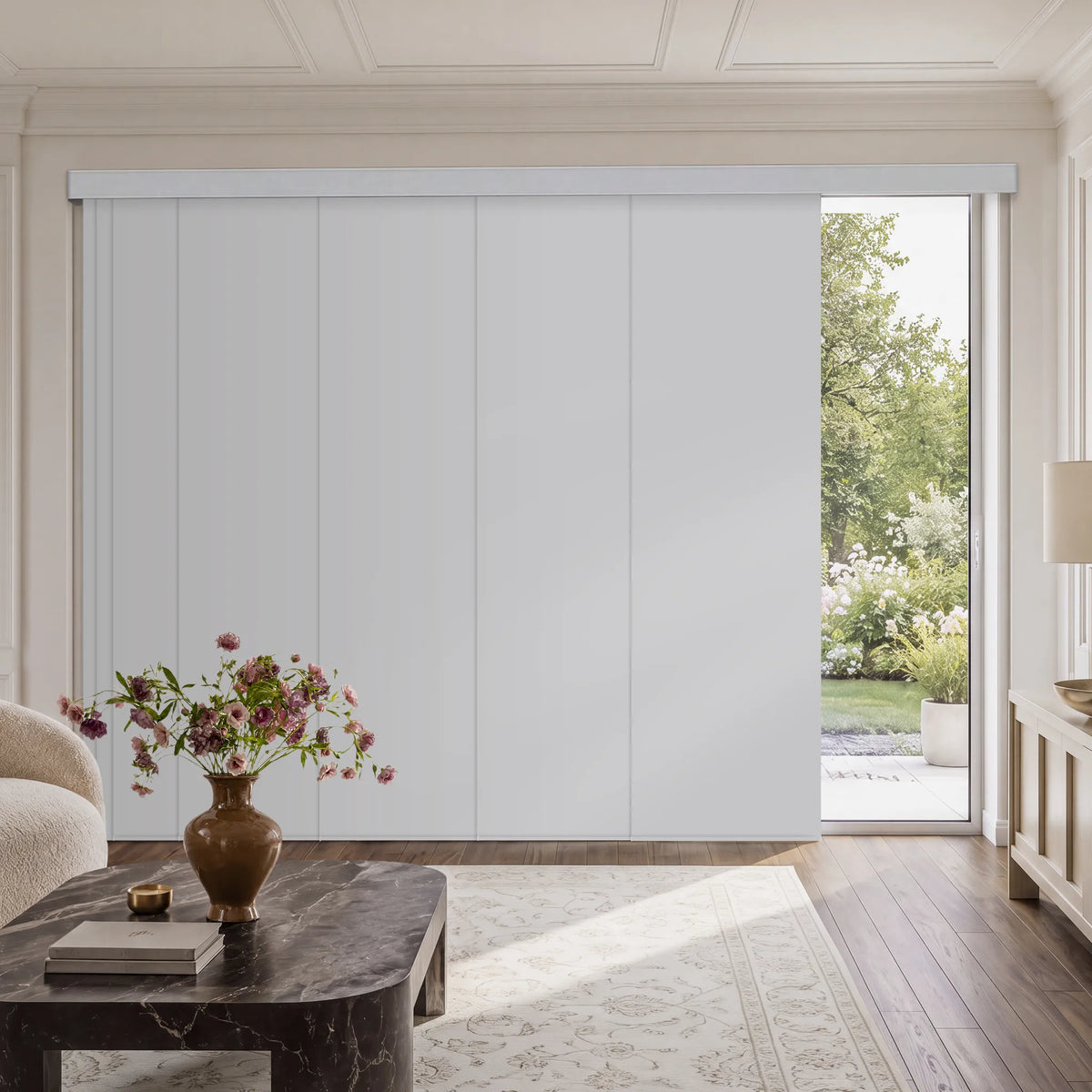
How to Dress Your Sliding Glass Door
Compare window treatments for sliding glass doors by access, stack space, light control, privacy, insulation, and interior style.

Sheer vs light-filtering vs room-darkening vs blackout window treatments: What's the Difference?
Compare sheer, light-filtering, room-darkening, and blackout window treatments by daylight, privacy, fabric construction, and room-by-room use.

Ideas and Best Window Treatments For Bay and Bow Windows
Compare the best window treatments for bay and bow windows, plus structural differences, measuring tips, installation mistakes, and practical design ideas.

Blinds, Shades, And Curtains That Let Light In
Compare blinds, shades, and curtains that let light in. Learn how openness, liners, slat angles, and fabric opacity affect daylight and privacy.

Window Treatment Terms to Know
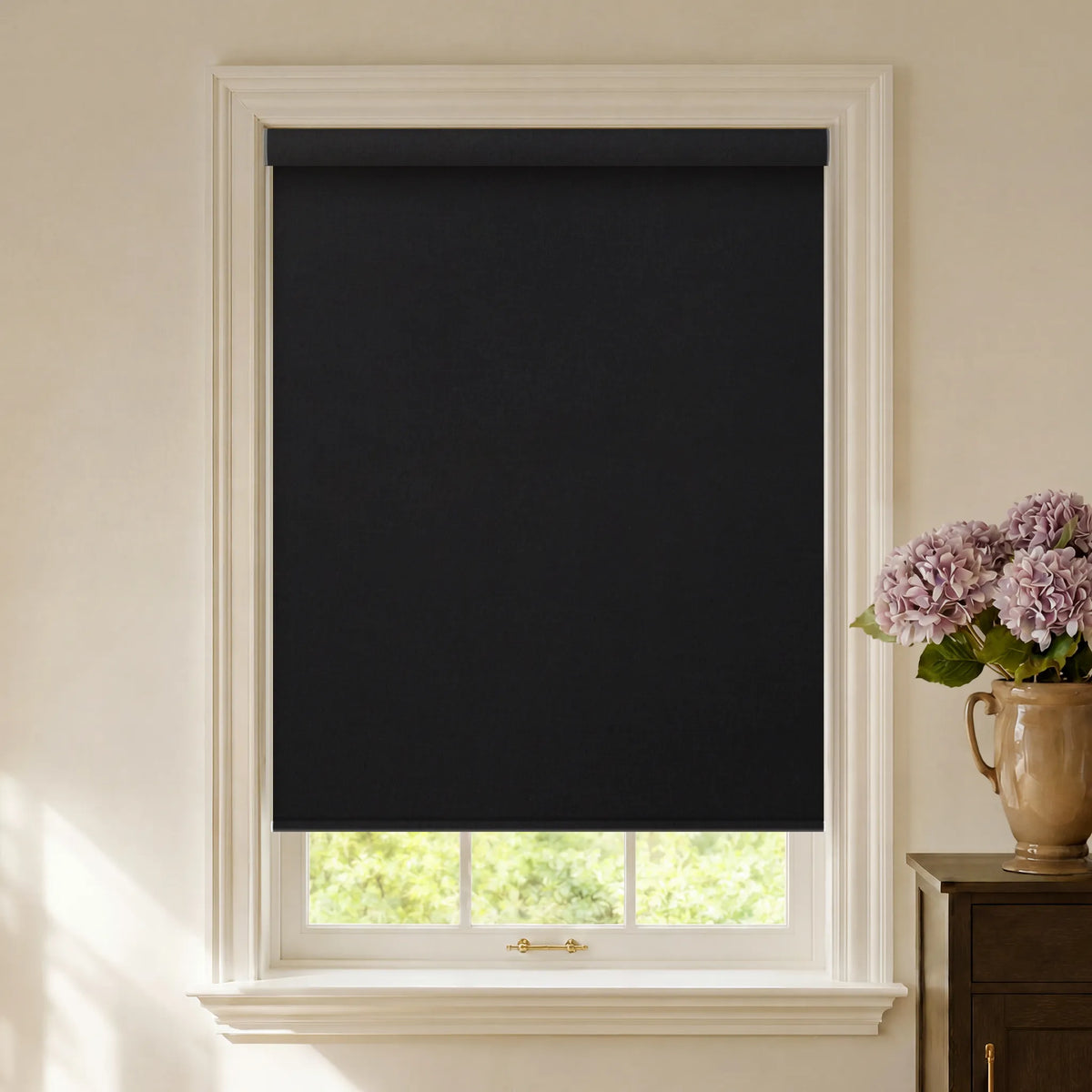
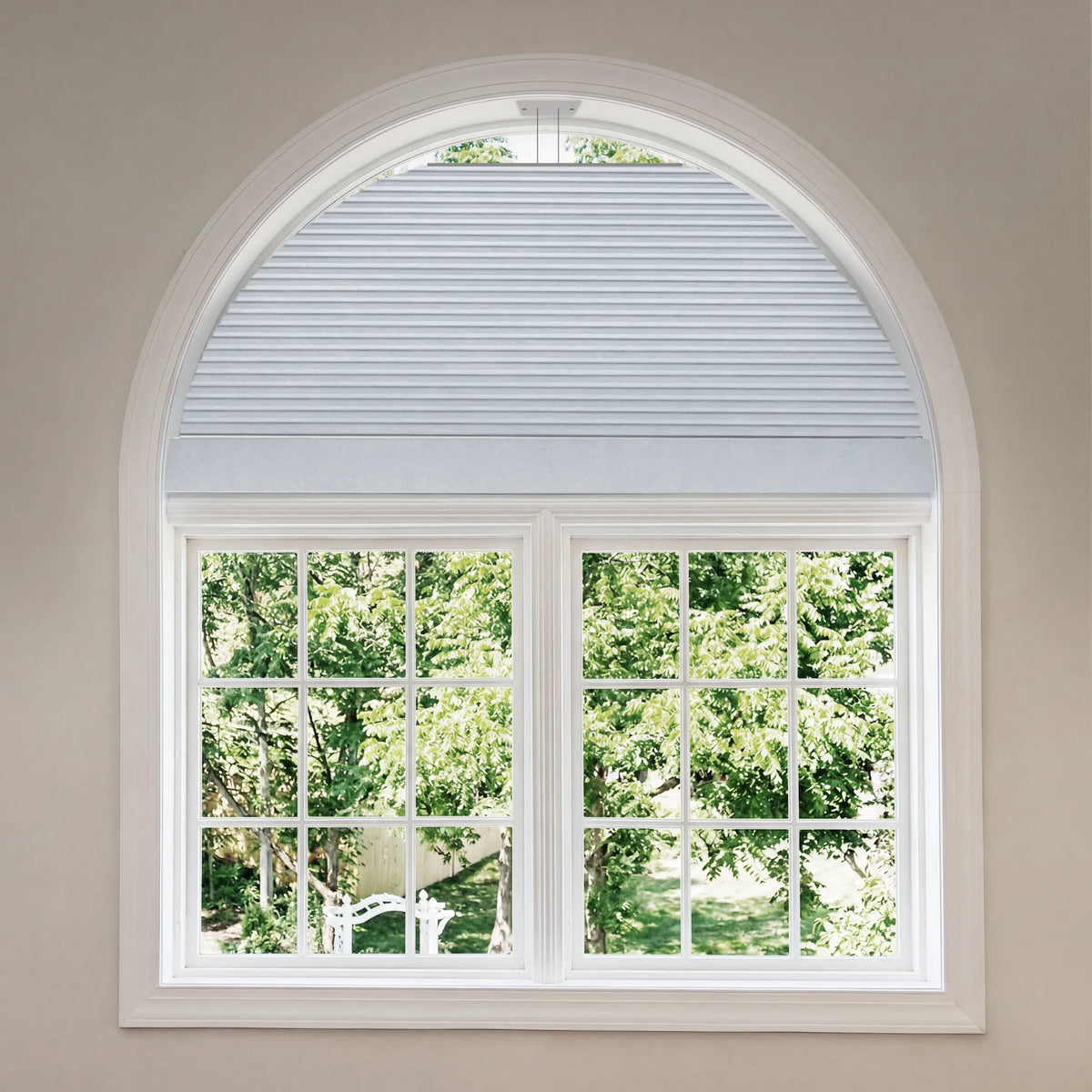
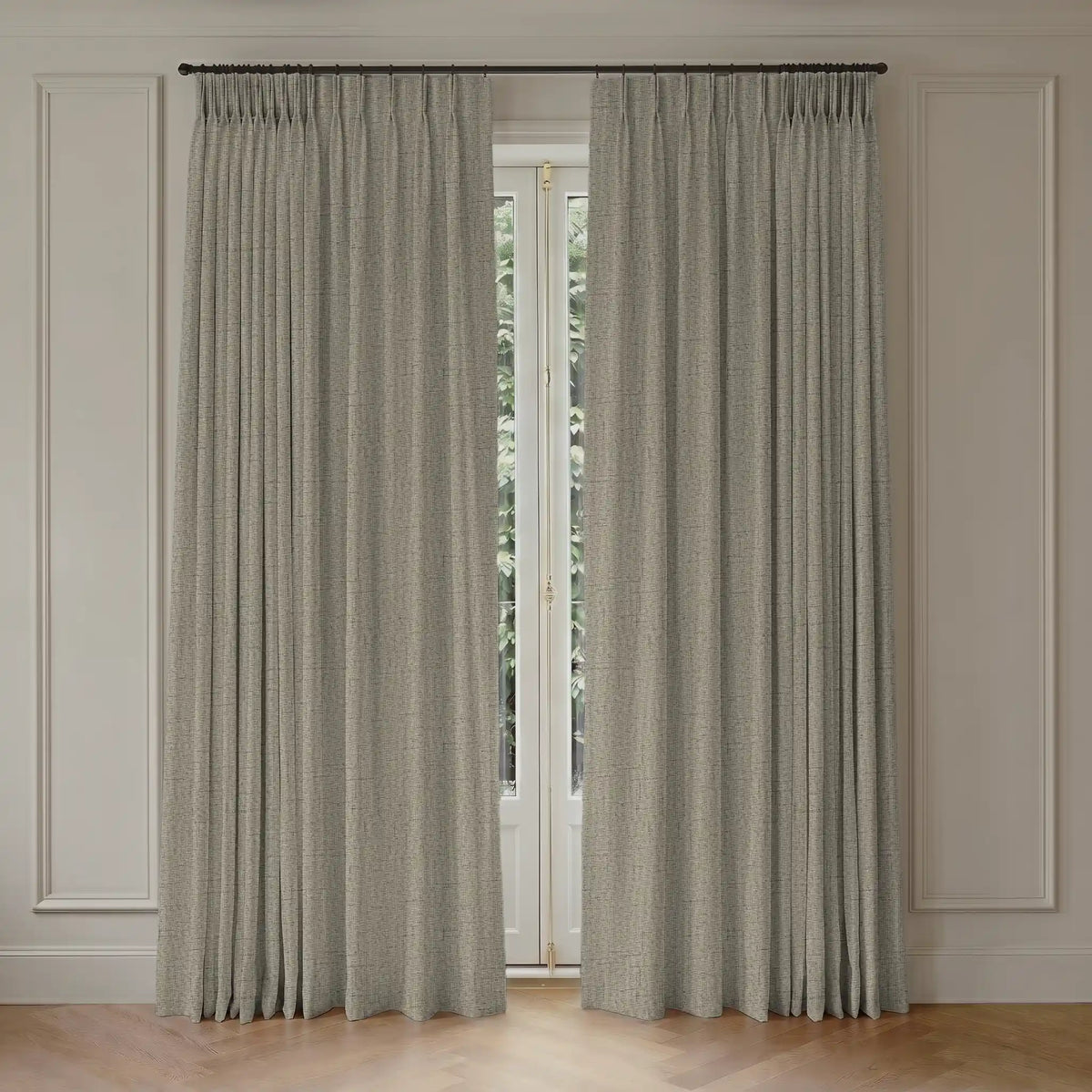
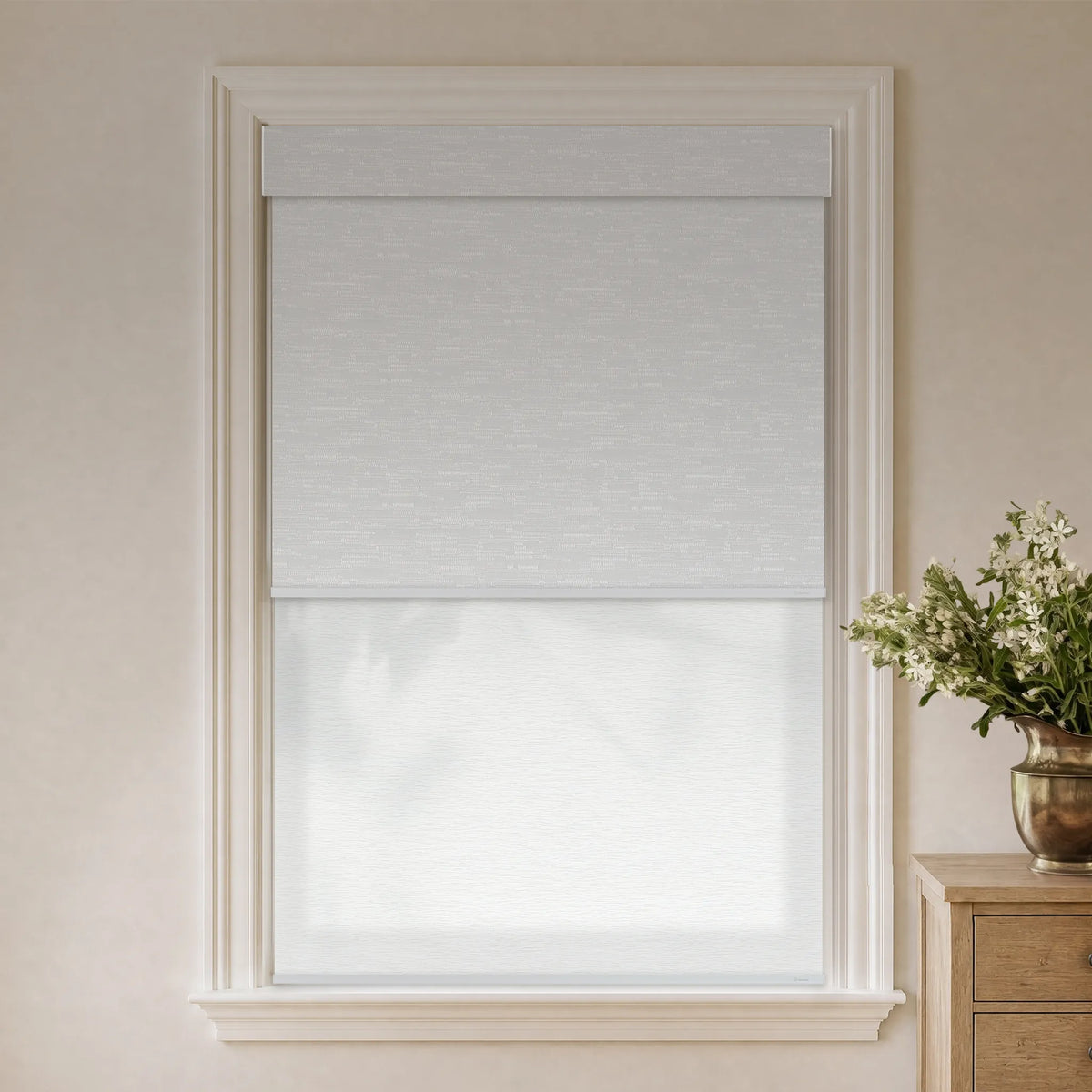
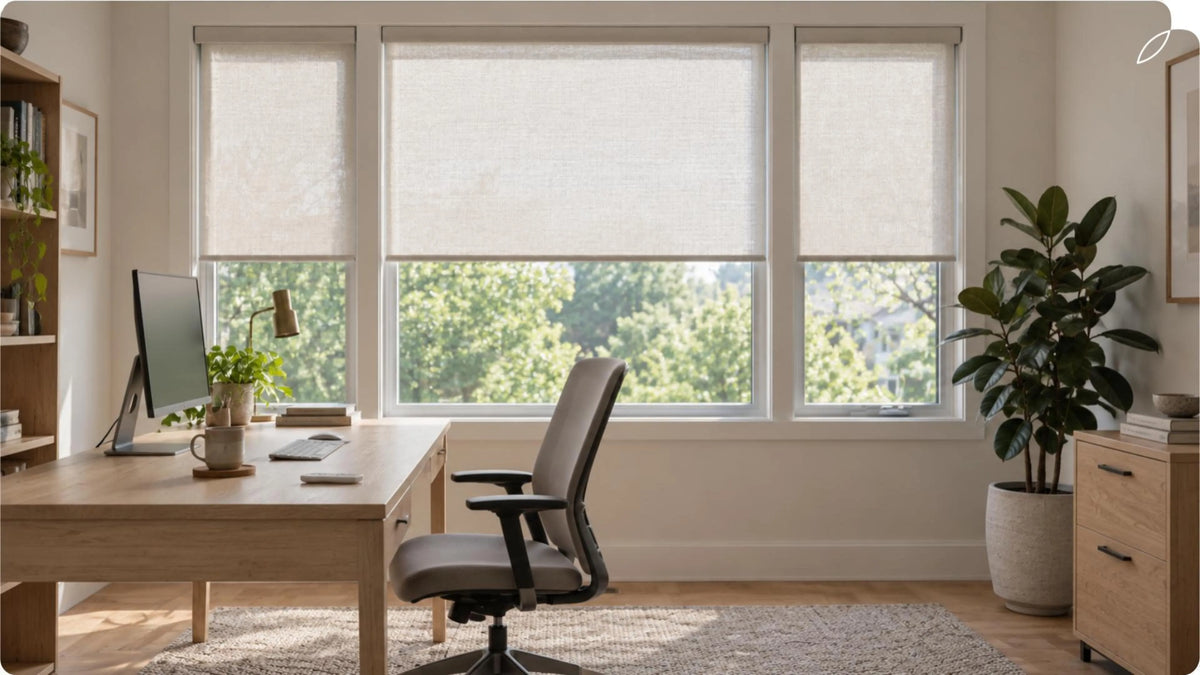
Window treatment terms can be confusing because similar words are often used for different products, parts, and functions. The basic distinction is simple: blinds use adjustable slats or vanes, shades use a continuous material that rolls, folds, or stacks, and curtains are fabric panels hung from a rod or track. Other terms describe how a treatment is mounted, constructed, controlled, or designed to manage light. Understanding this vocabulary will help you compare products, measure correctly, and ask clearer questions before ordering. Blinds vs Shades vs Curtains Blinds are built with individual hard slats or vertical vanes. The pieces tilt to redirect daylight and adjust privacy. Wood, faux wood, aluminum, and vinyl are common materials. Shades use one continuous piece of fabric or flexible material. Roller shades wrap around a tube, Roman shades form folds, and cellular shades compress into a stack. Most shades control light by moving up or down rather than tilting. Curtains are fabric panels that open horizontally along a rod or track. They add softness and can be used alone or layered over blinds or shades. The word drapery often describes more structured, lined, or custom panels, although the terms sometimes overlap. Inside Mount vs Outside Mount An inside mount places the treatment within the window recess. It creates a fitted appearance and keeps the trim visible, but the frame must provide enough unobstructed depth for the brackets and headrail. Small side gaps may also remain. An outside mount installs on the wall or trim beyond the opening. It works with shallow frames and can provide more overlap, but it requires clear mounting space. Choose the mount before measuring because the dimensions are not interchangeable. Window Treatment Parts Headrail: The upper structural housing that supports a blind or shade and may contain its operating components. Slats: Horizontal rigid pieces used in blinds. The correct term is slats, not slates. Vanes: Vertical pieces used in vertical blinds. Valance: A decorative cover that hides a headrail, track, or other hardware. Bottom rail: The lower bar that adds weight and stability. It is also used to move many cordless shades. Roller tube: The cylinder around which roller shade fabric wraps. Cassette: A housing that covers the roller tube and rolled fabric. Bottom bar: The weighted lower component that helps shade fabric hang evenly. Brackets: Hardware used to secure the treatment to the mounting surface. Operating and Control Terms Cordless Cordless window treatment have no accessible lift cord. Many manual models are raised or lowered by gently moving the bottom rail. Other cordless systems use a wand, spring, or motor. The clean control area is easier to manage, and the U.S. Consumer Product Safety Commission identifies cordless window coverings as the safest option when young children are present. Continuous Cord Loop A continuous cord loop is a fixed-length loop that passes through a clutch to move the shade. It stays at a consistent length instead of extending toward the floor as the shade moves. It is still a corded system. The loop should be secured to the wall or floor with its specified tension or hold-down device. A standard cord cleat is not a substitute for that device. Motorization Motorized window treatment use a battery-powered, plug-in, or hardwired motor. Depending on the selected system, they may be operated by remote, wall switch, app, voice assistant, or schedule. They are useful for high windows, large treatments, grouped windows, or users with limited mobility. Power access, charging, included controls, hubs, and smart-home compatibility should be confirmed before purchase. Review the Graywind Smart and Control Guide for current options. Top Down Bottom Up Top down bottom up shades can lower from the top, rise from the bottom, or stop between those positions. Opening the upper section brings in daylight while the lower section maintains privacy. The feature is commonly associated with cellular shades, but it is not exclusive to them. Graywind also offers Roman configurations with this function. Fabric and Light-Control Terms Sheer: Admits substantial daylight but offers limited privacy, especially at night. Light filtering: Softens daylight and glare while keeping the room bright. It does not create darkness. Room darkening: Reduces more light than light-filtering fabric but is not the same as blackout. Blackout: Prevents light from passing through the fabric. Edge gaps can still admit light, especially with an inside mount. Solar: Uses an open screen-like weave to reduce glare and solar exposure while preserving some daytime outward view. Openness factor: Describes the open area in solar fabric. It affects view-through, glare, and light transmission. Dual or day and night: Combines two fabrics or layers for different levels of light control. Insulating: Uses construction such as cellular pockets or fabric lining to help reduce heat transfer. Performance also depends on fit and installation. Moisture resistant: Better suited to humidity than sensitive natural materials, but not necessarily waterproof. Graywind Product Recommendations Motorized Roller Shades suit homeowners who want a streamlined profile with light-filtering, solar, or blackout fabric choices. Confirm the selected fabric, motor, and mount for the room. Motorized Zebra Blinds use alternating sheer and opaque bands for adjustable daytime light and privacy. They are not a substitute for full blackout coverage. Custom Curtains add softness and are useful for wide windows or layered designs. Choose sheer, light-filtering, room-darkening, or blackout fabric according to the required coverage. Top Down Bottom Up Shades work well in street-facing bedrooms, bathrooms, and living rooms where light from above and privacy below are priorities. Before ordering, identify the product type, mount, control method, and required light level. These four decisions will narrow the options more effectively than choosing by appearance alone.

Textured Window Treatments Guide: Wood, Faux Wood & Woven Styles
This guide breaks down everything you need to know about wood blinds, faux wood blinds, and woven wood shades: their materials, durability, ideal applications, and limitations.

How to Choose the Best French Door Window Treatments
Explore the key considerations and top options for French door window treatments-helping you make an informed choice that enhances both beauty and practicality.