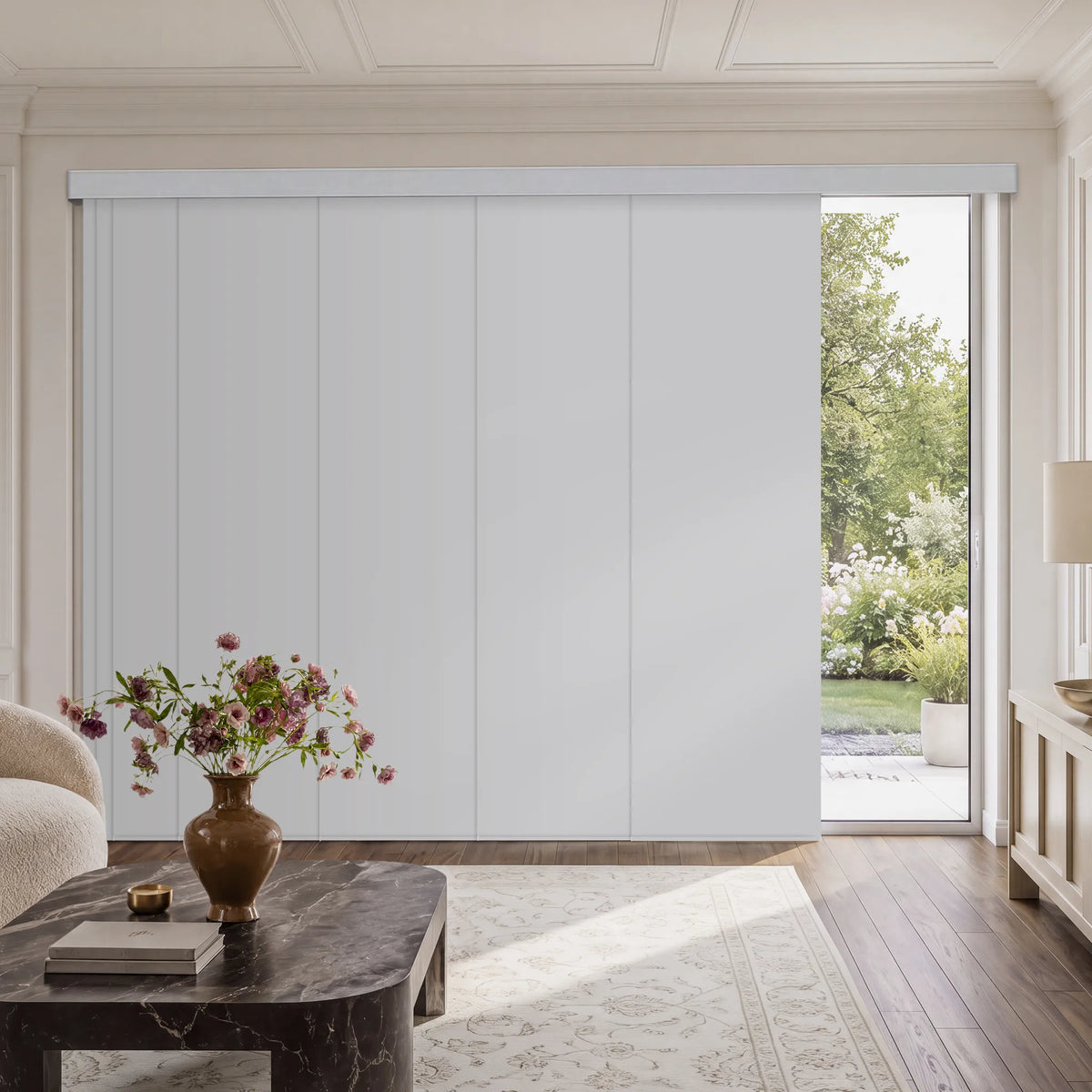
Graywind Motorized Day Night Cellular Shades
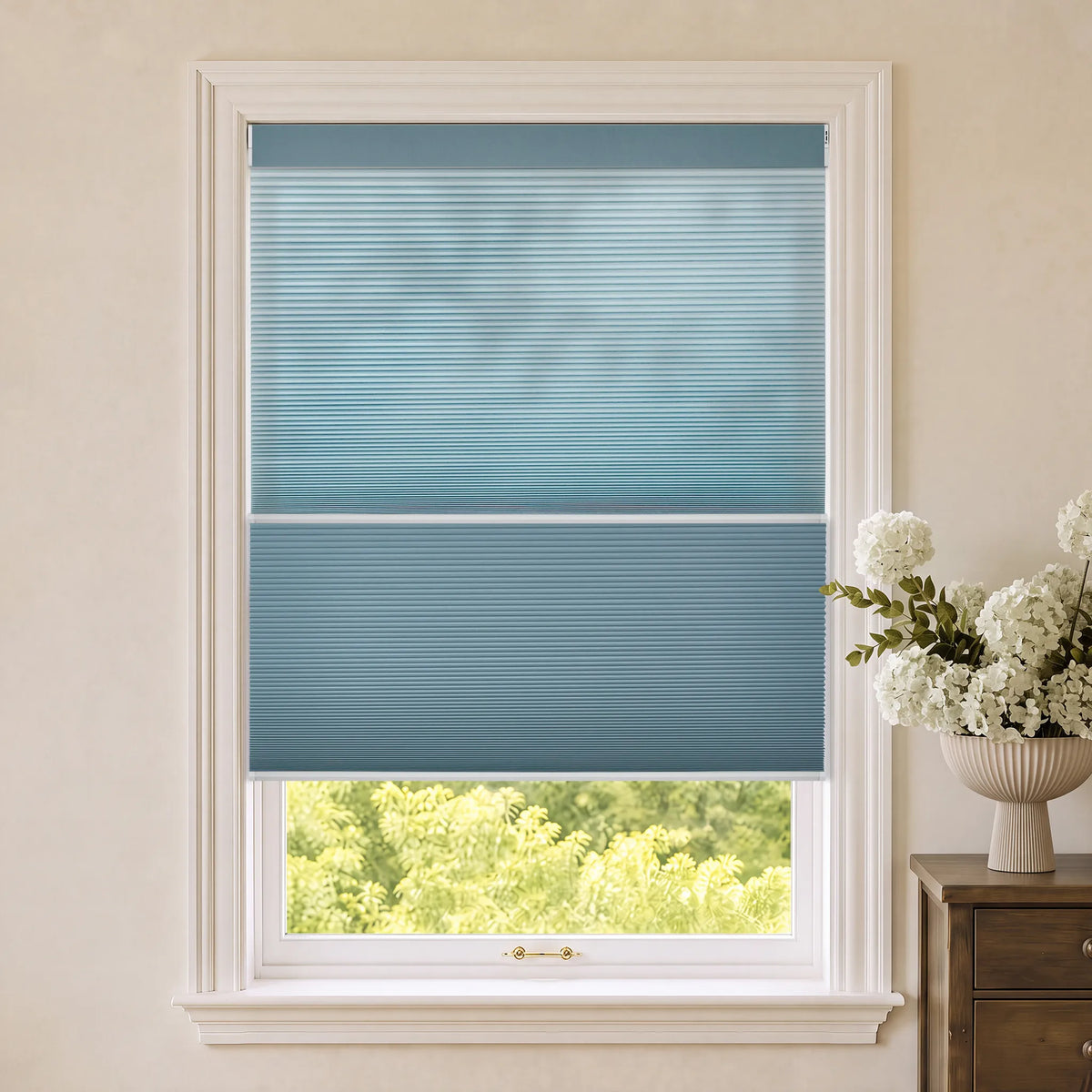
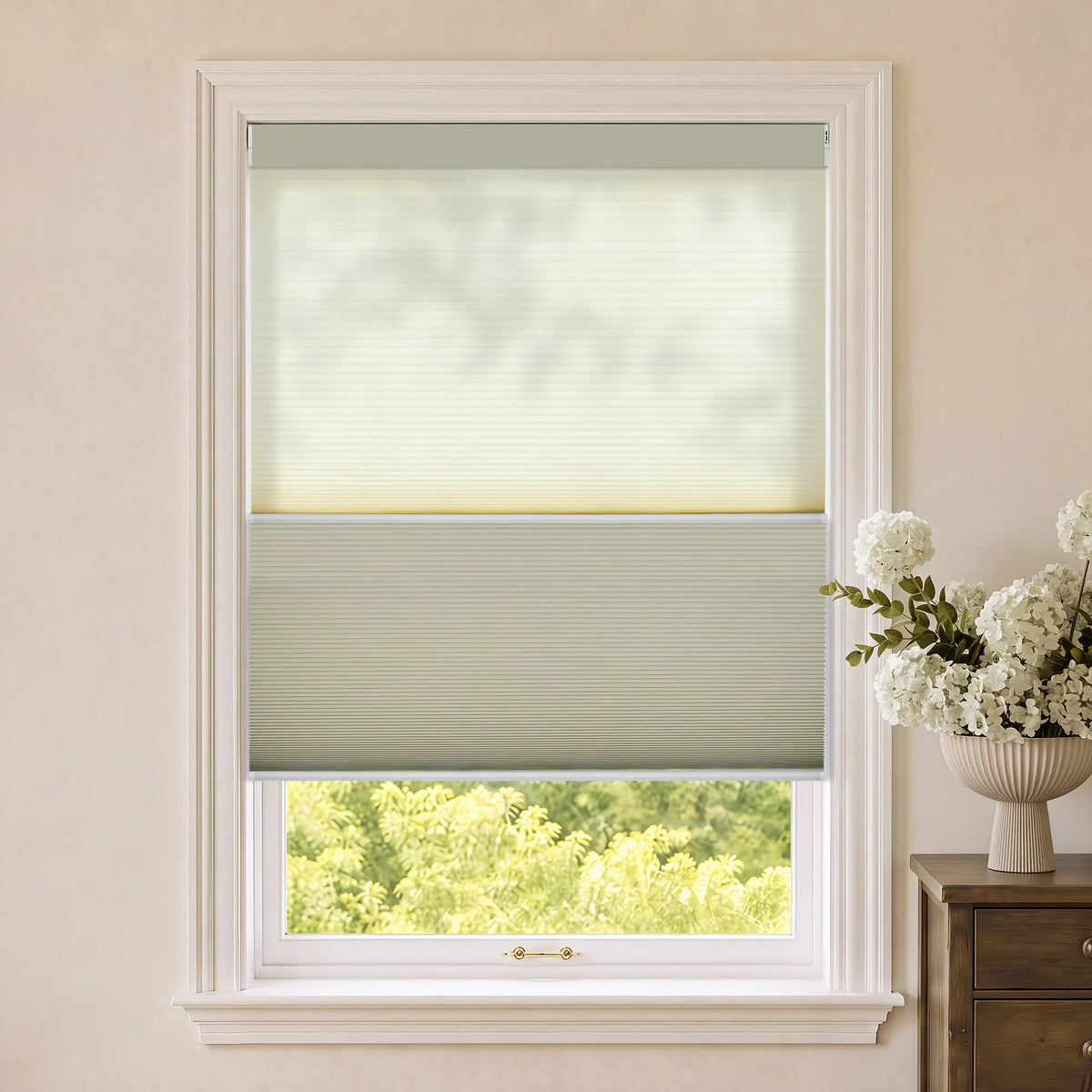
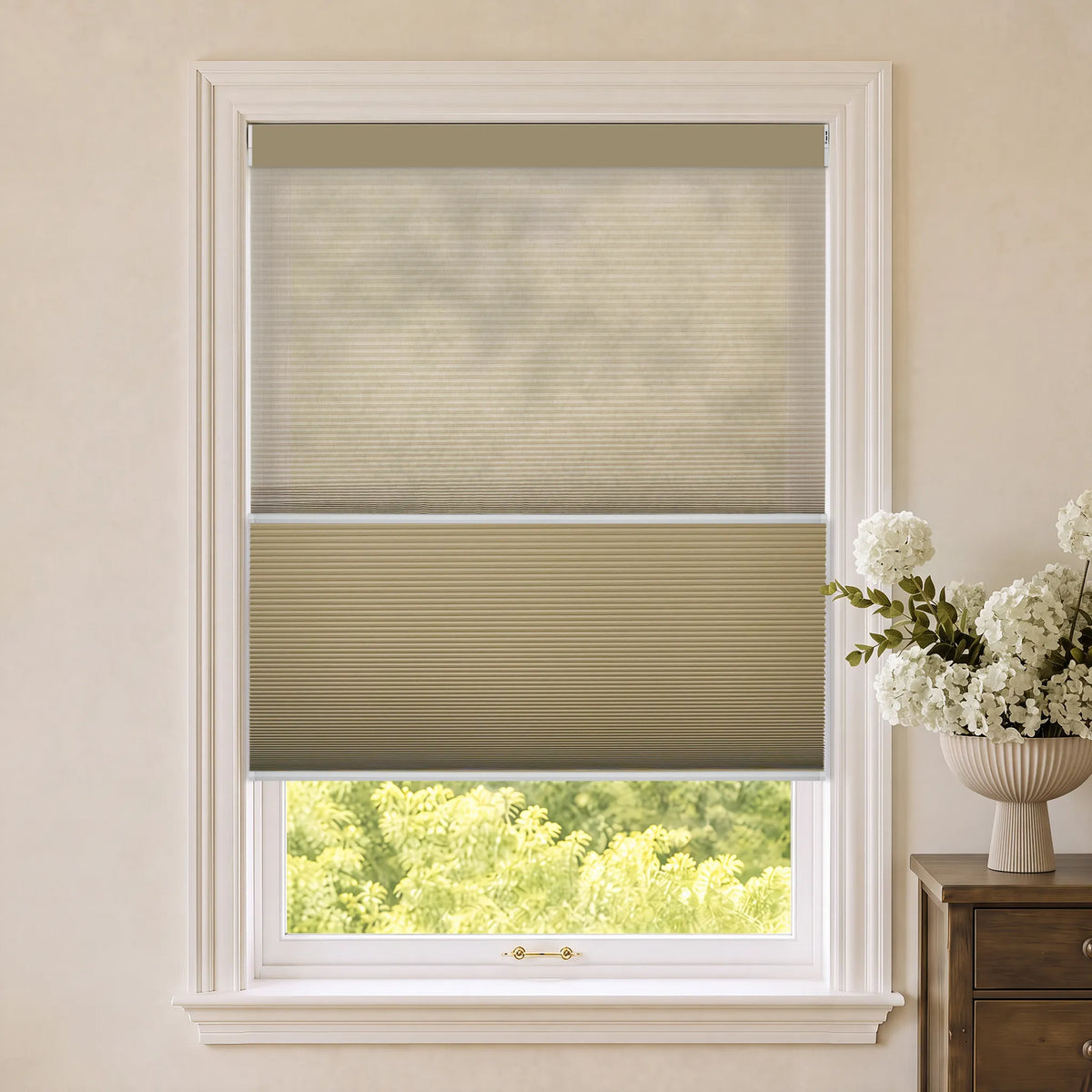
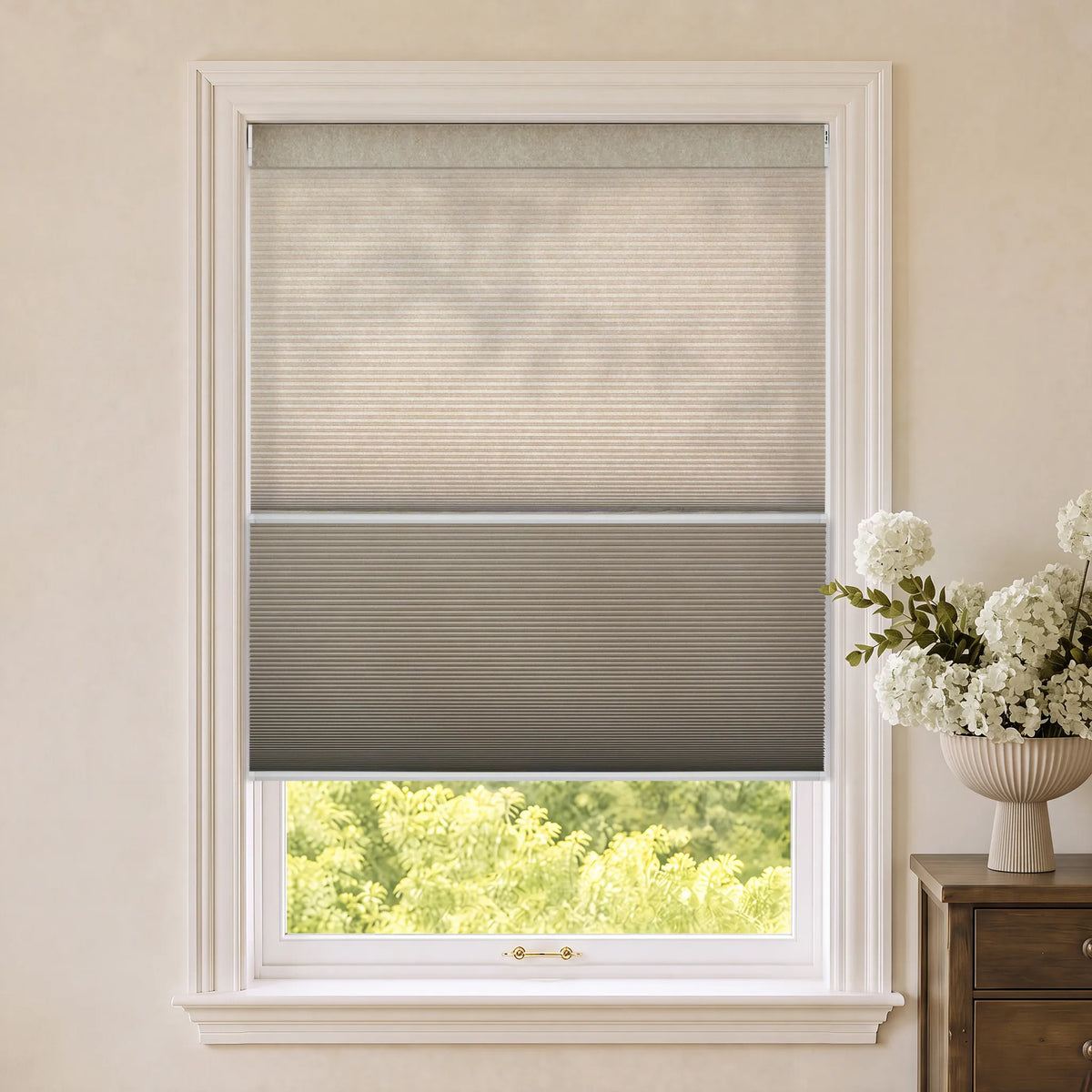


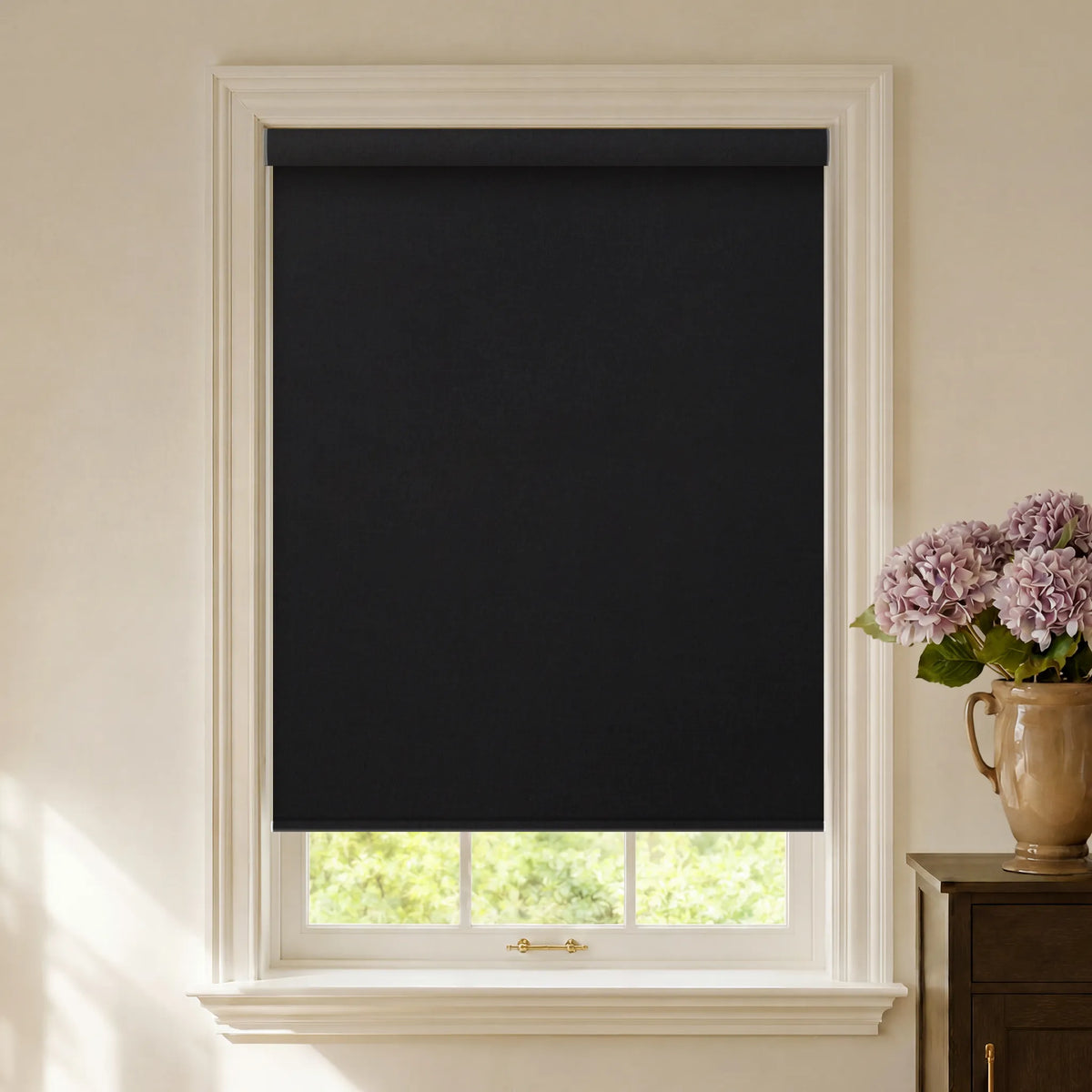
Graywind Motorized Top Down Bottom Up Cellular Shades | Blackout
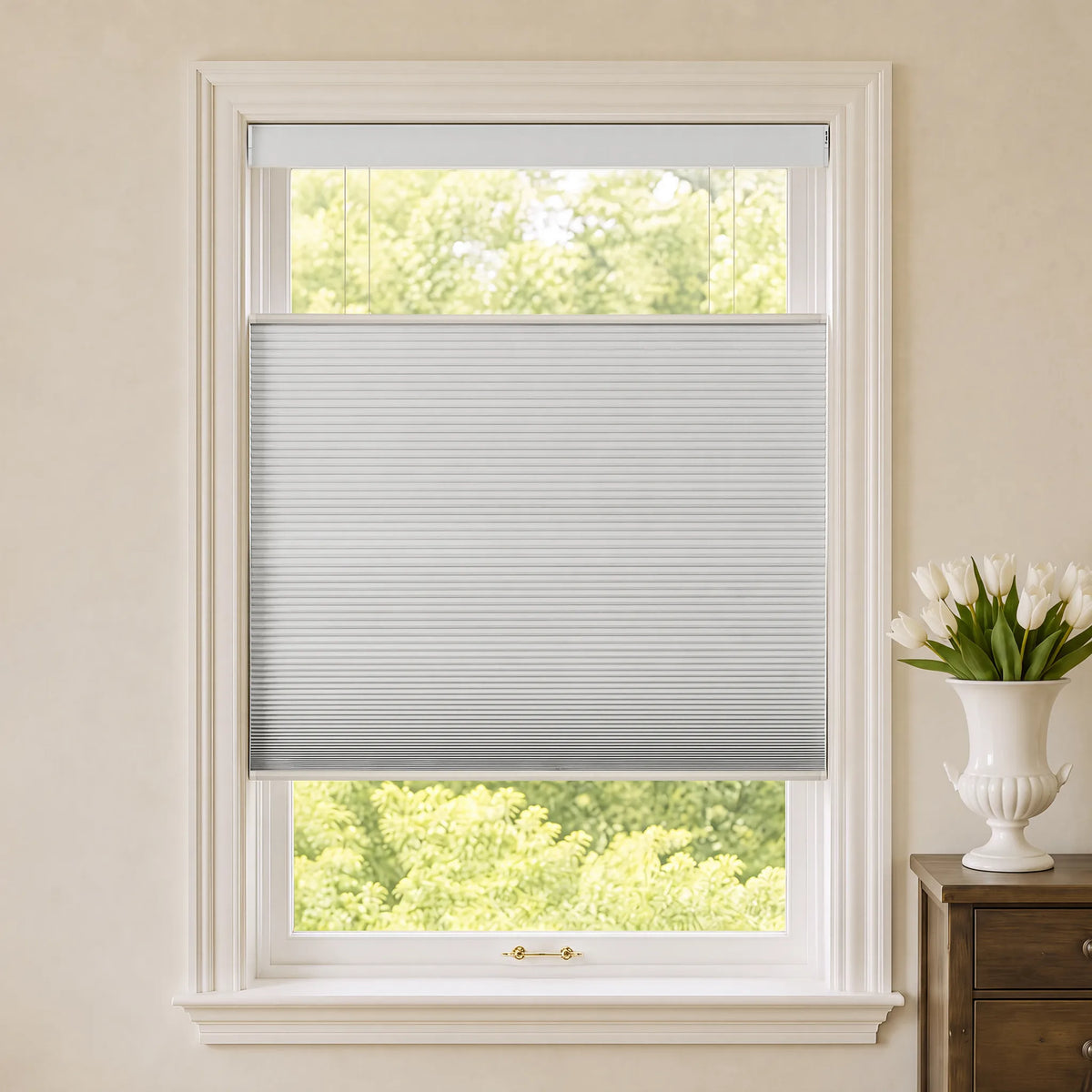

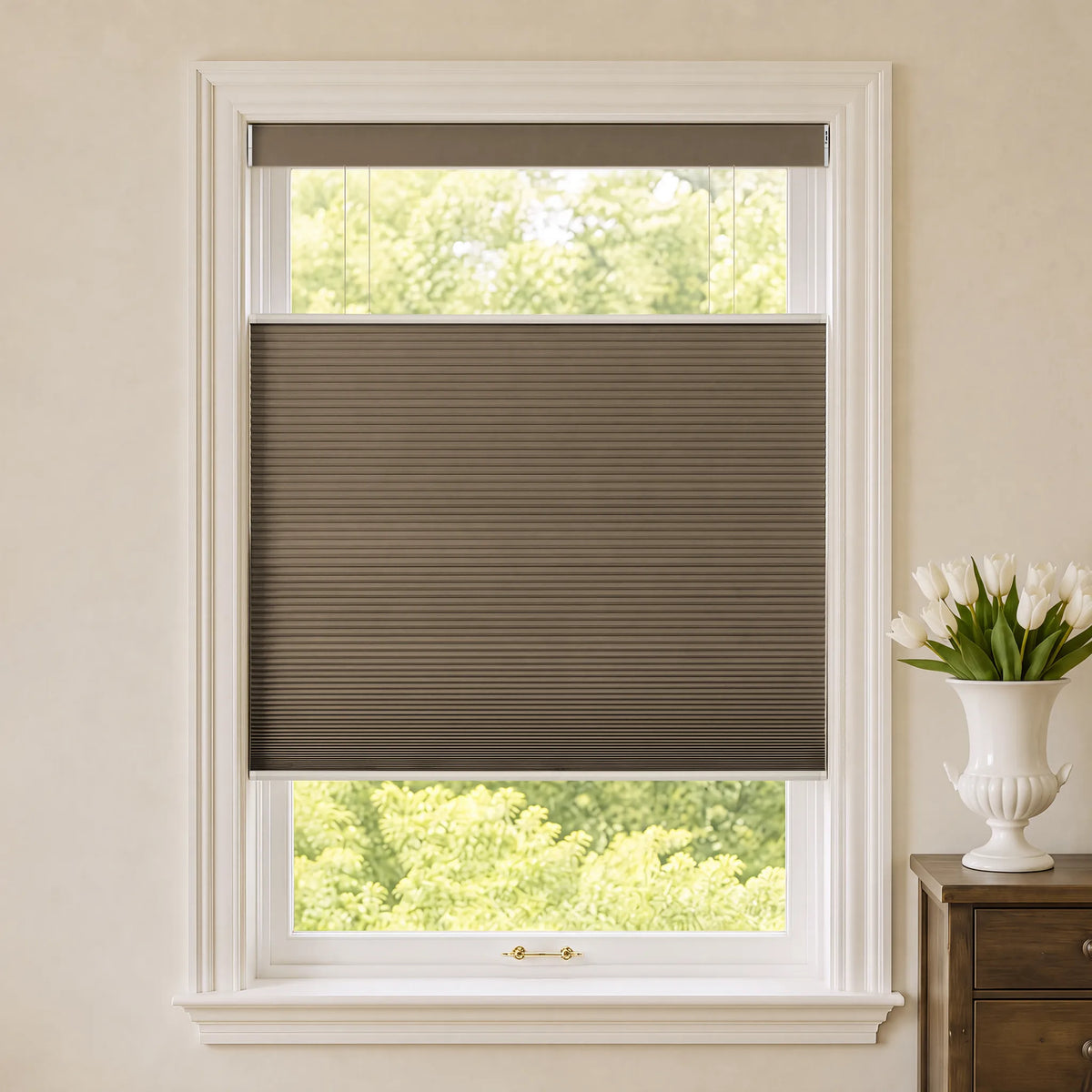
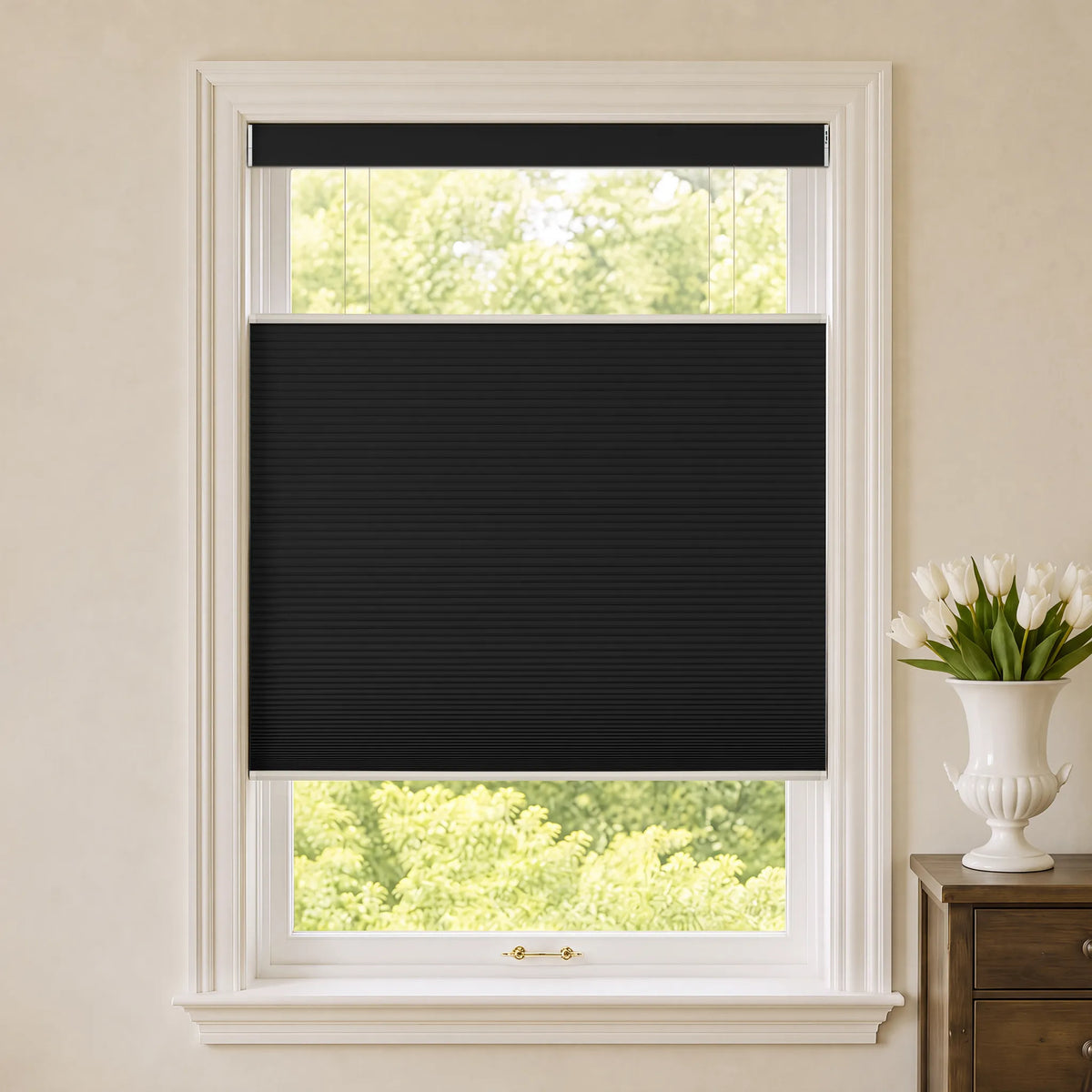
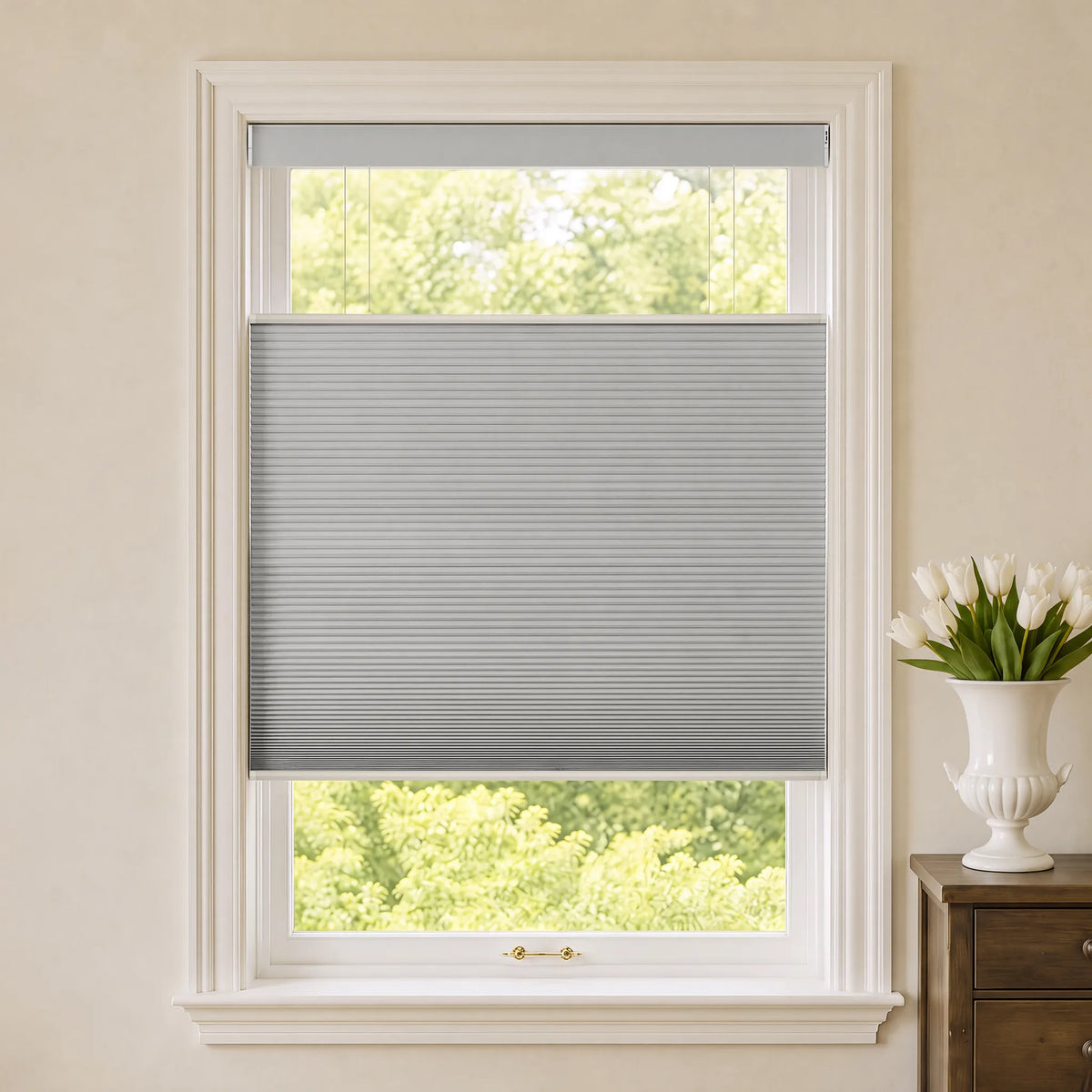


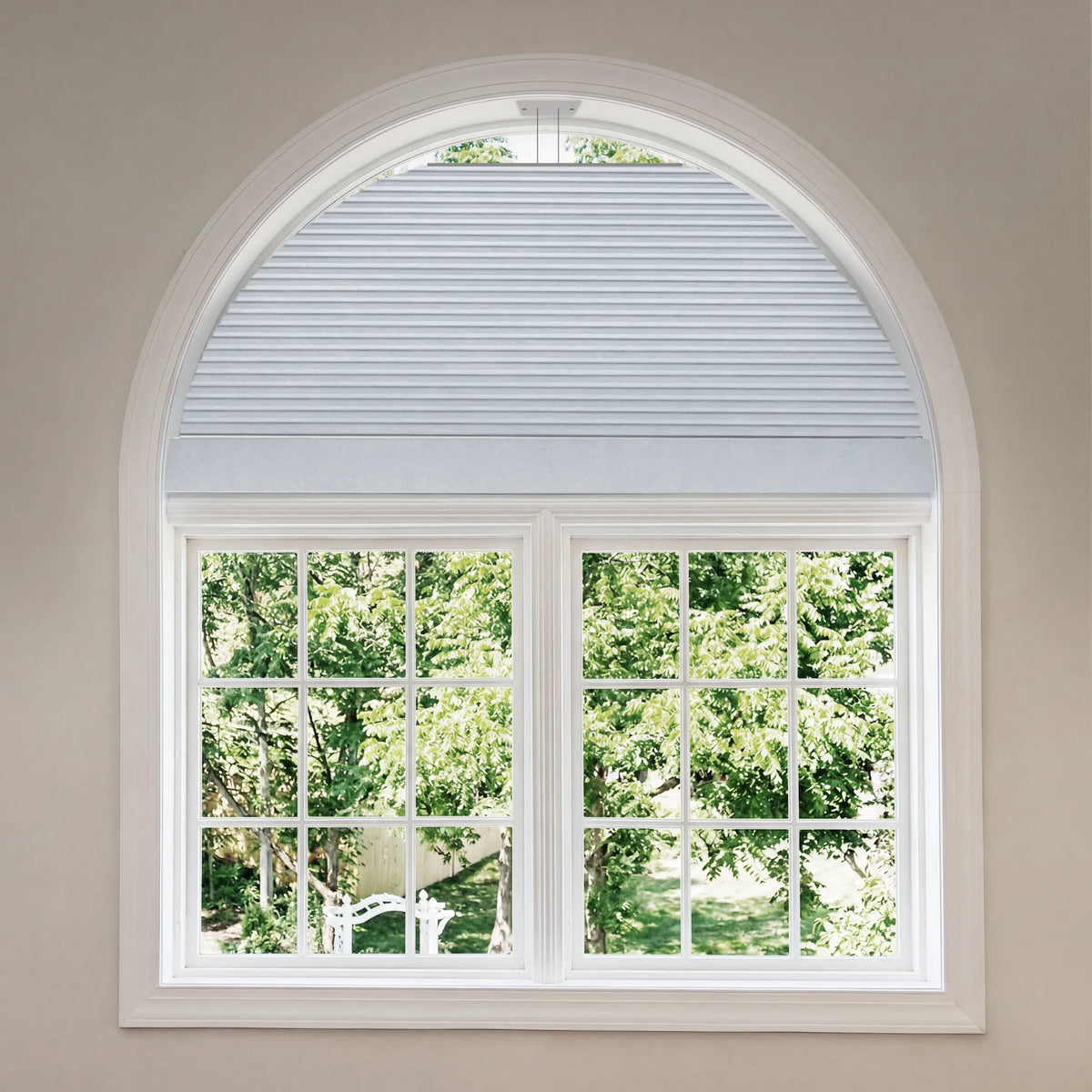
Graywind Motorized Top Down Bottom Up Cellular Shades | Light Filtering
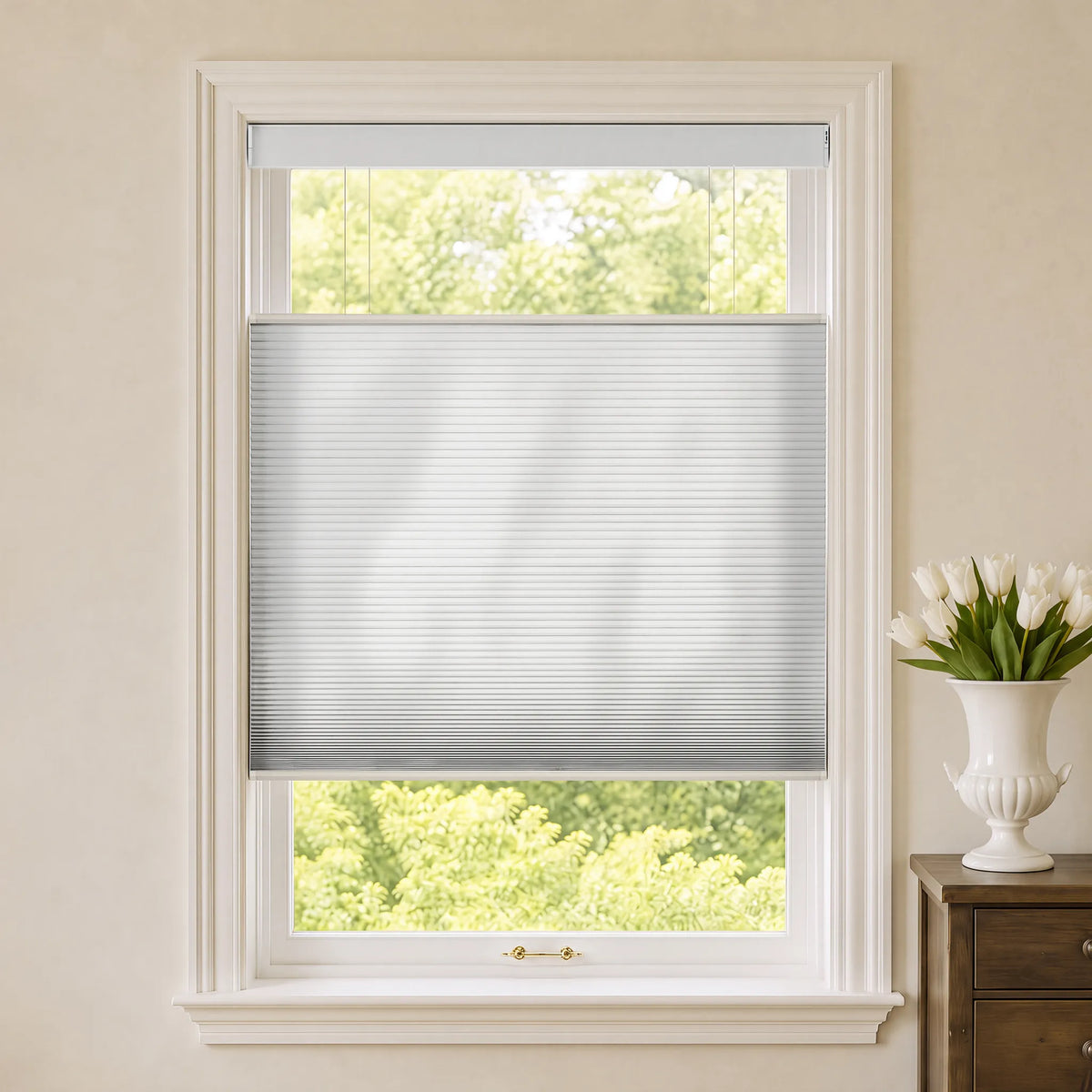
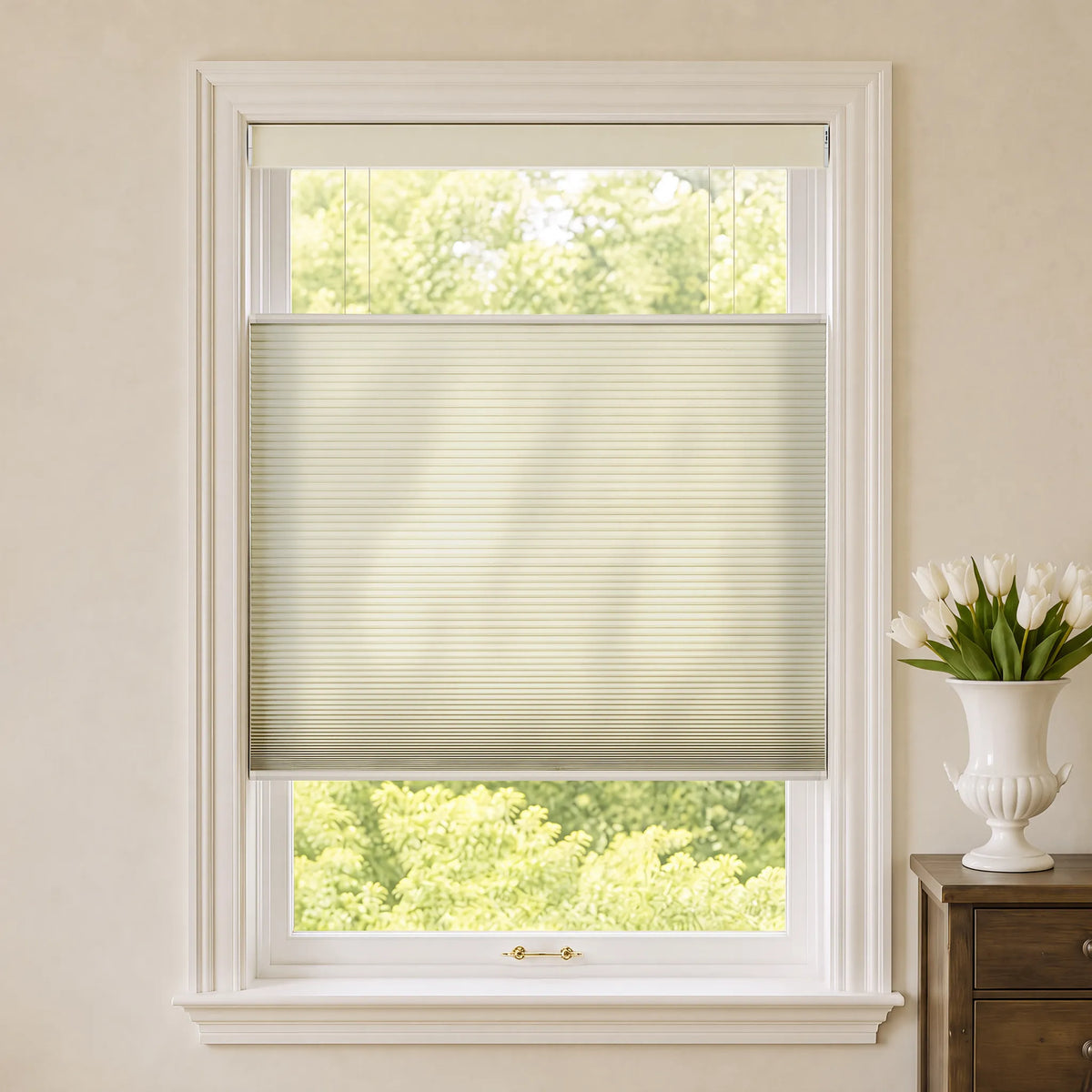
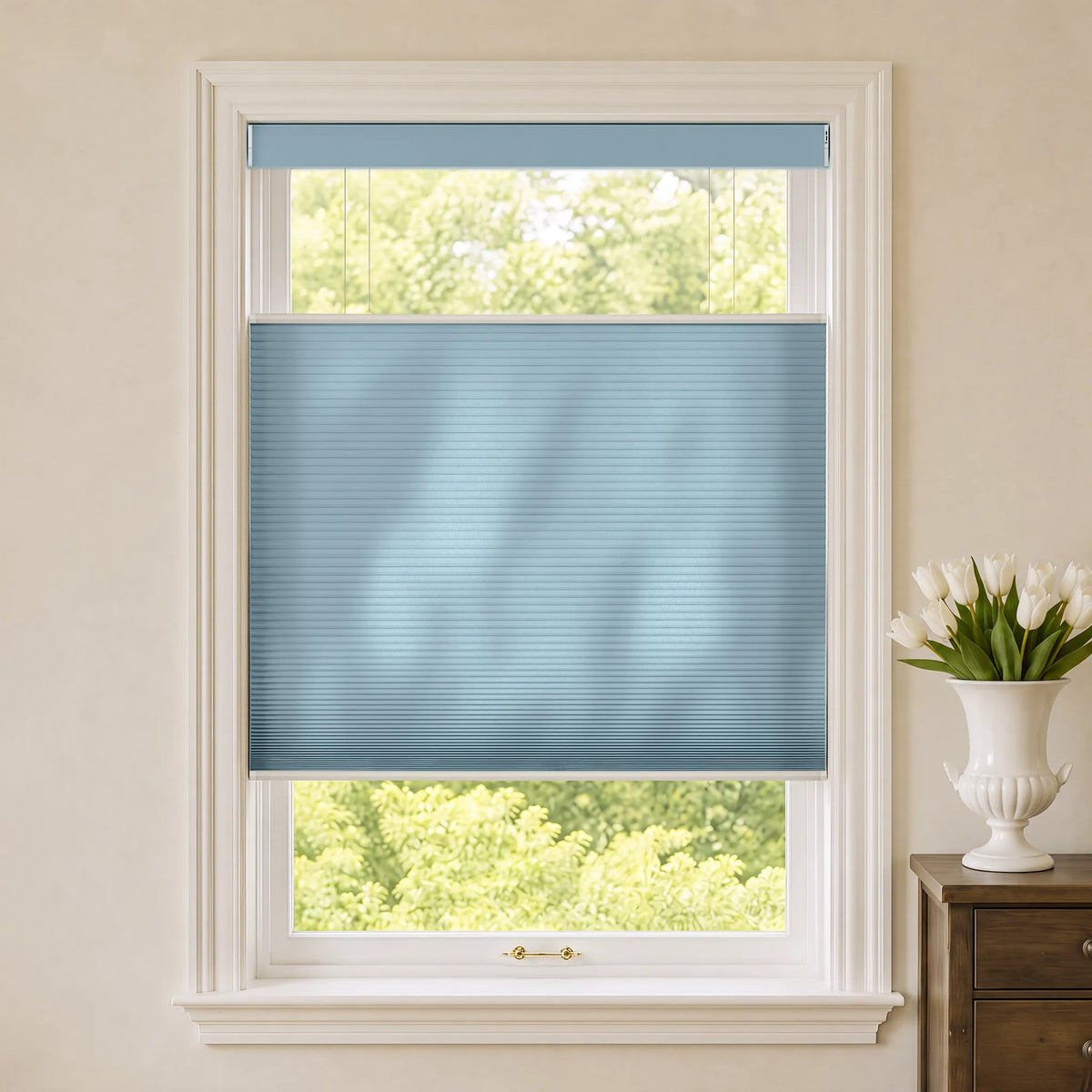

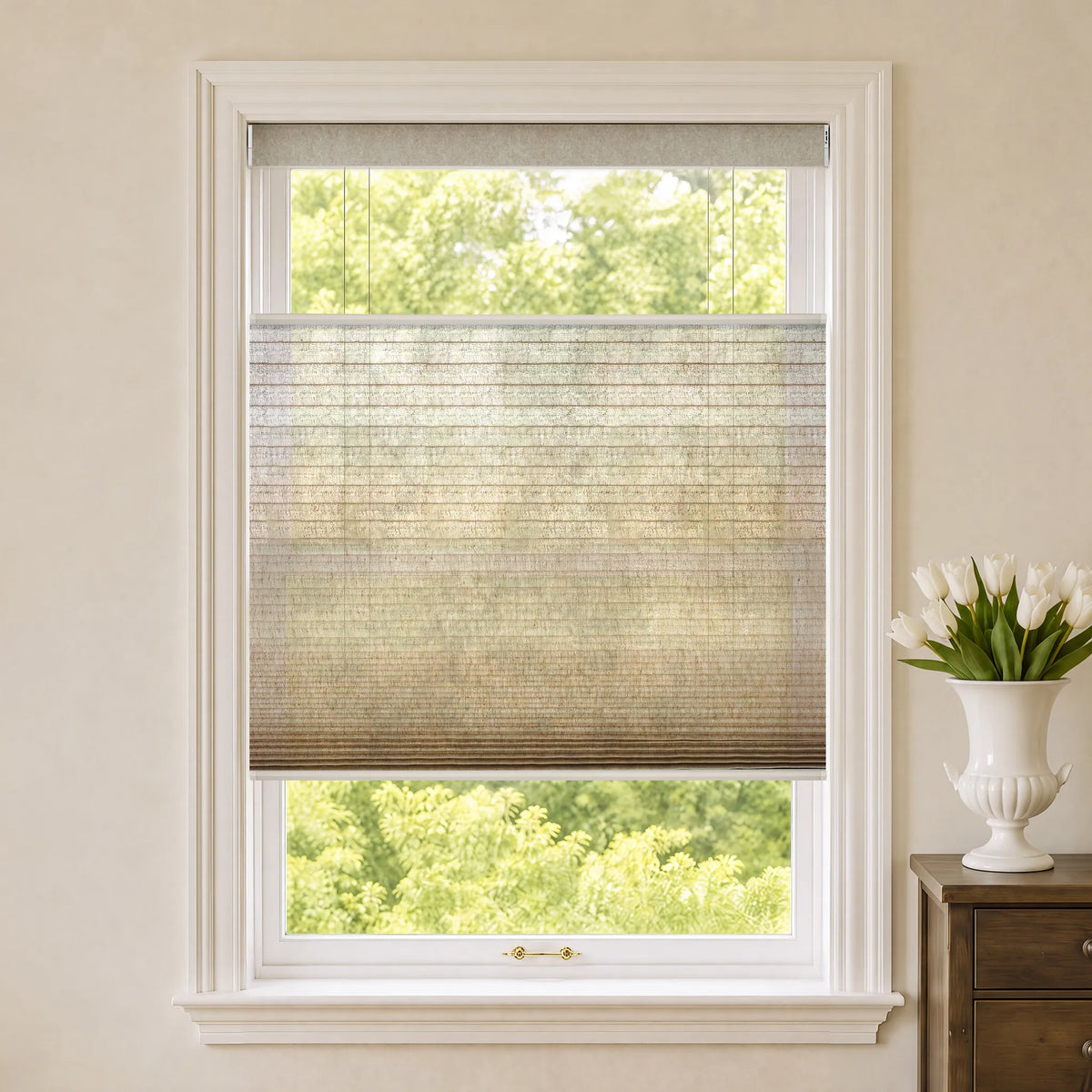


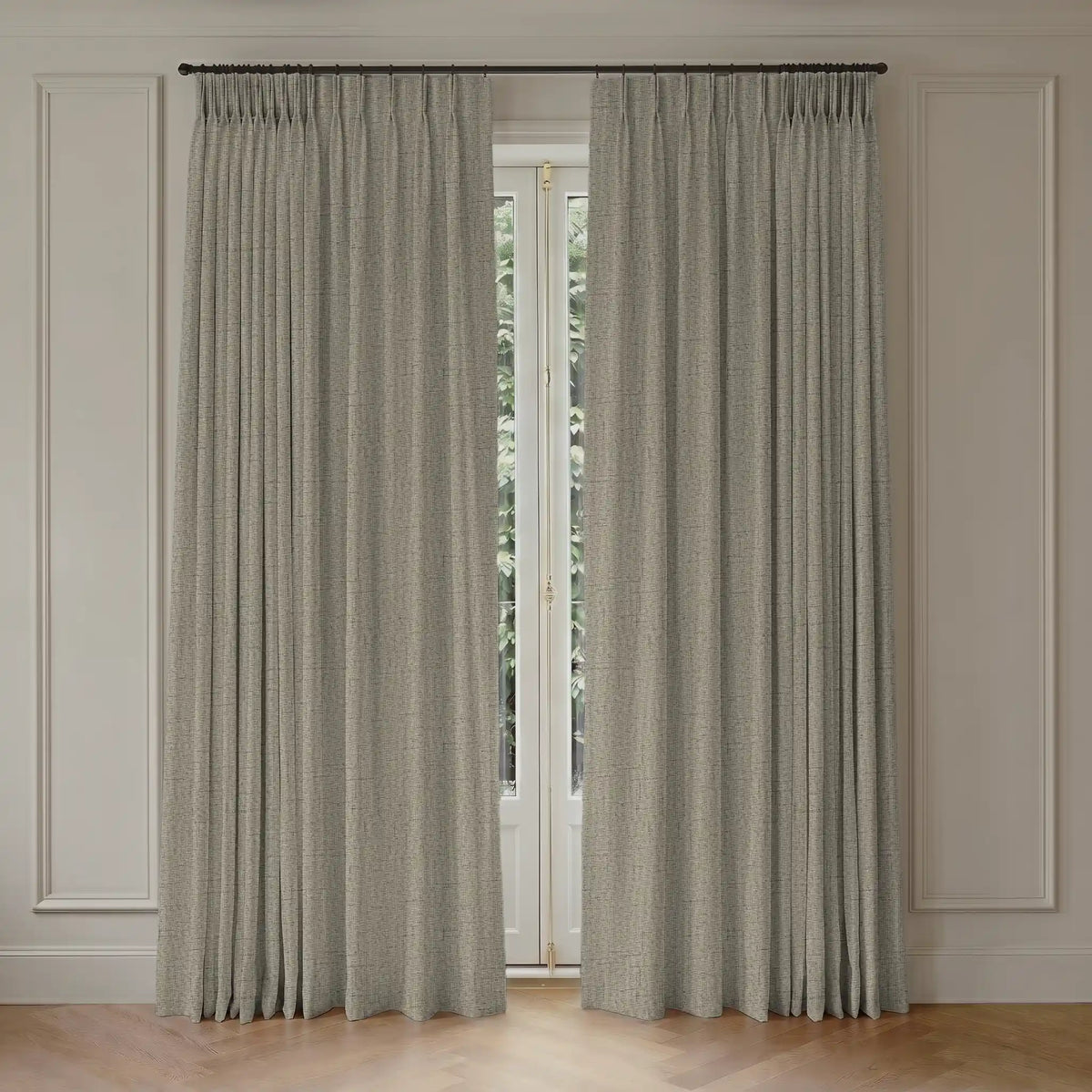
Graywind Motorized Top Down Bottom Up Roman Shades | Blackout
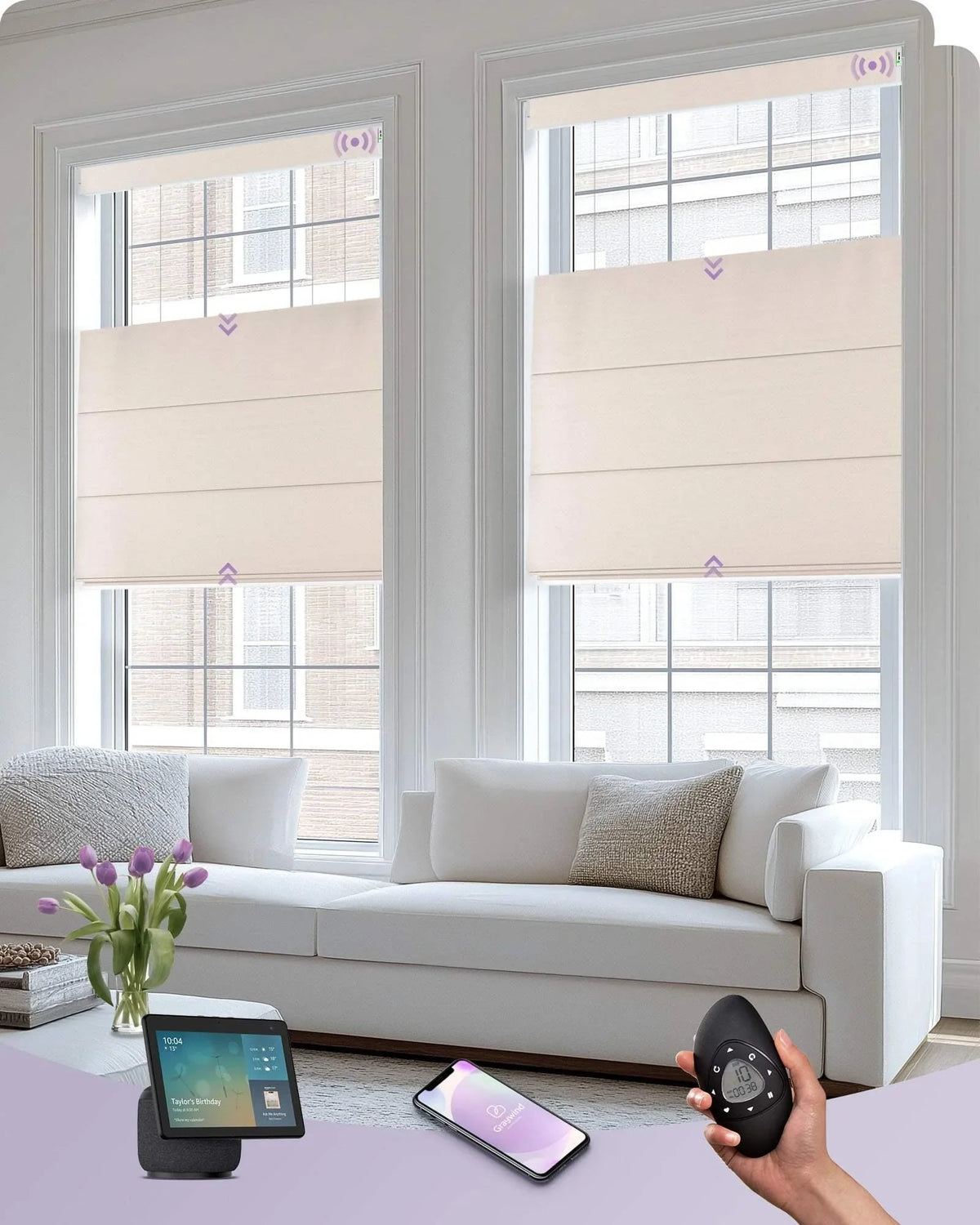
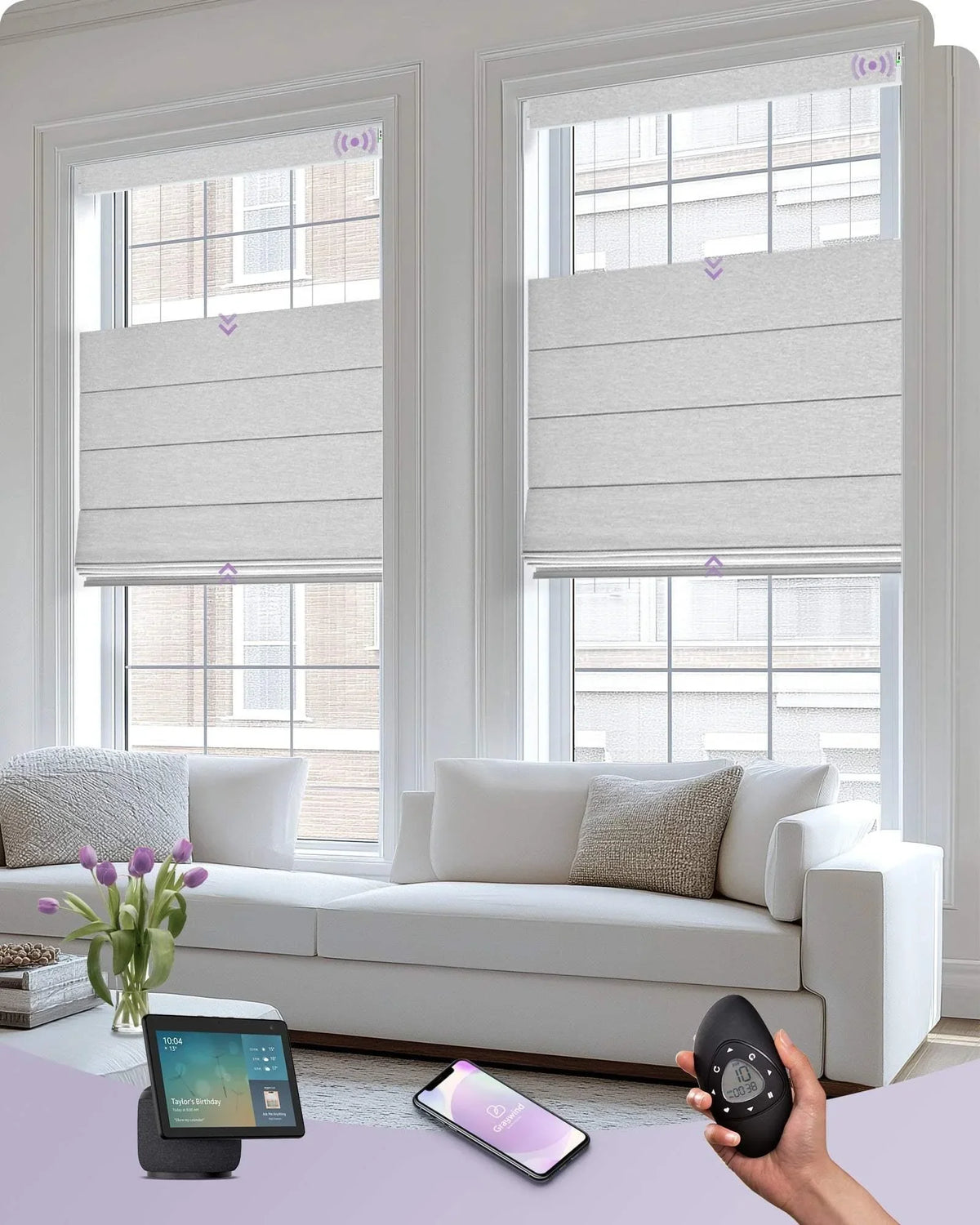
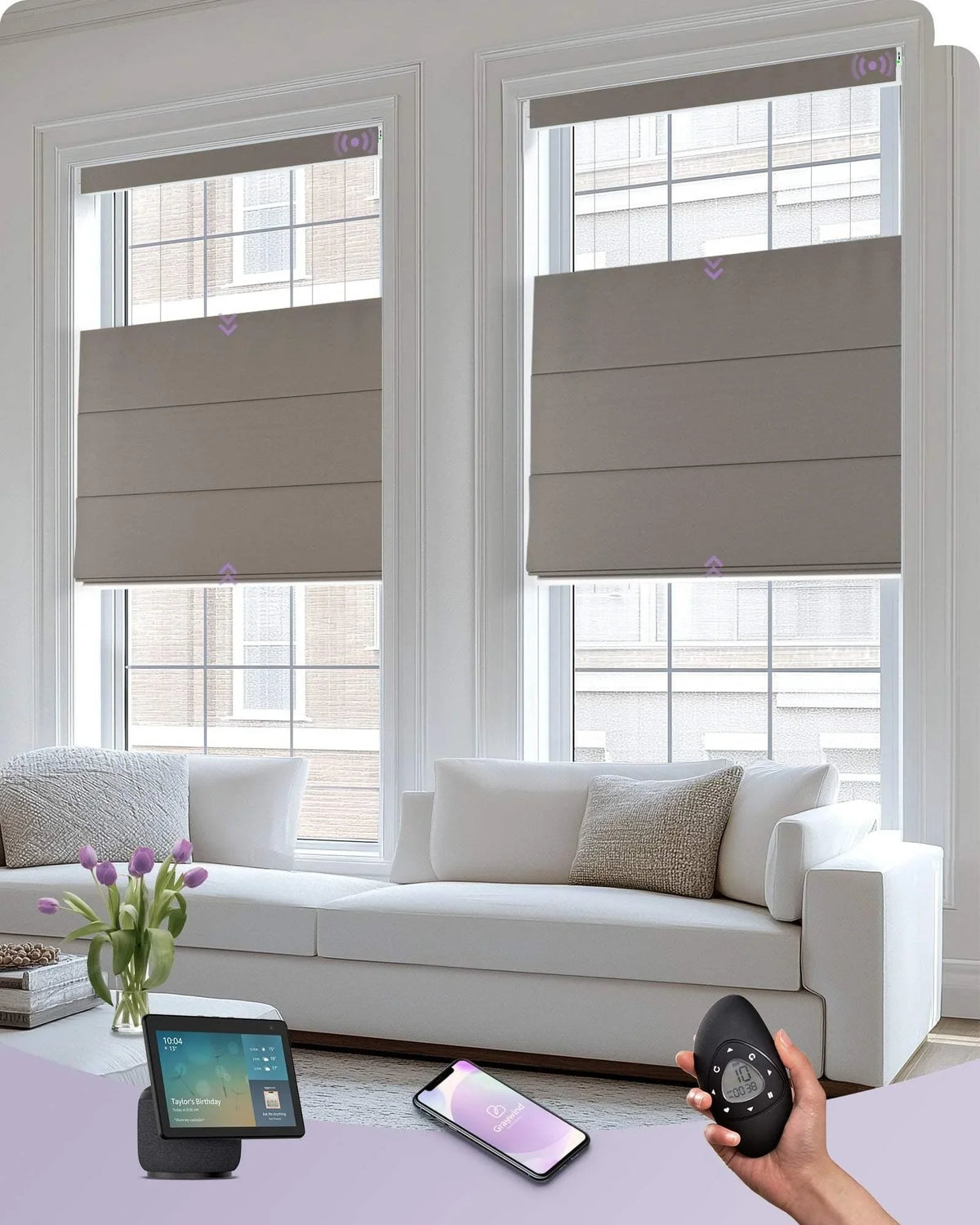

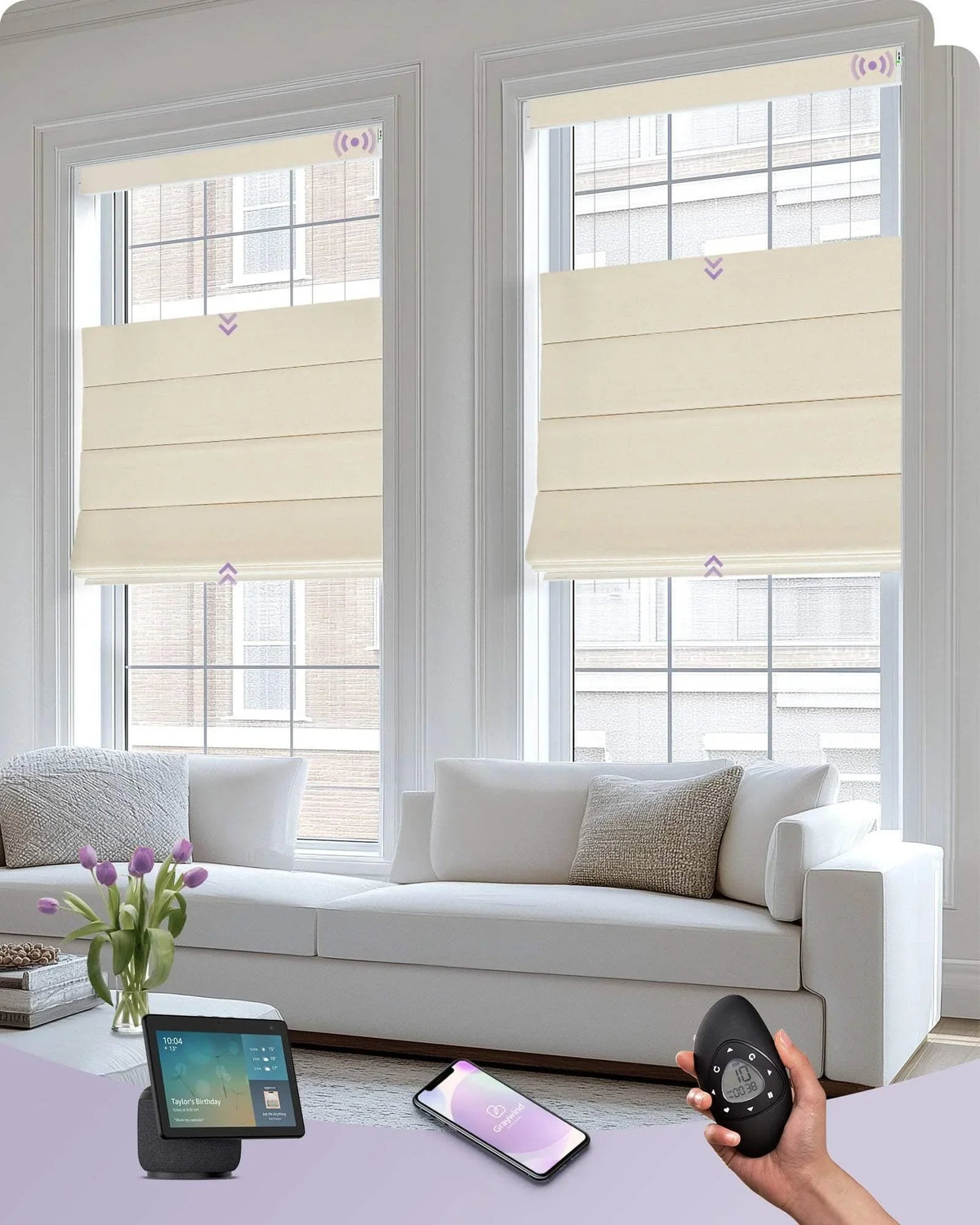


Graywind Motorized Top Down Bottom Up Roman Shades | Light Filtering
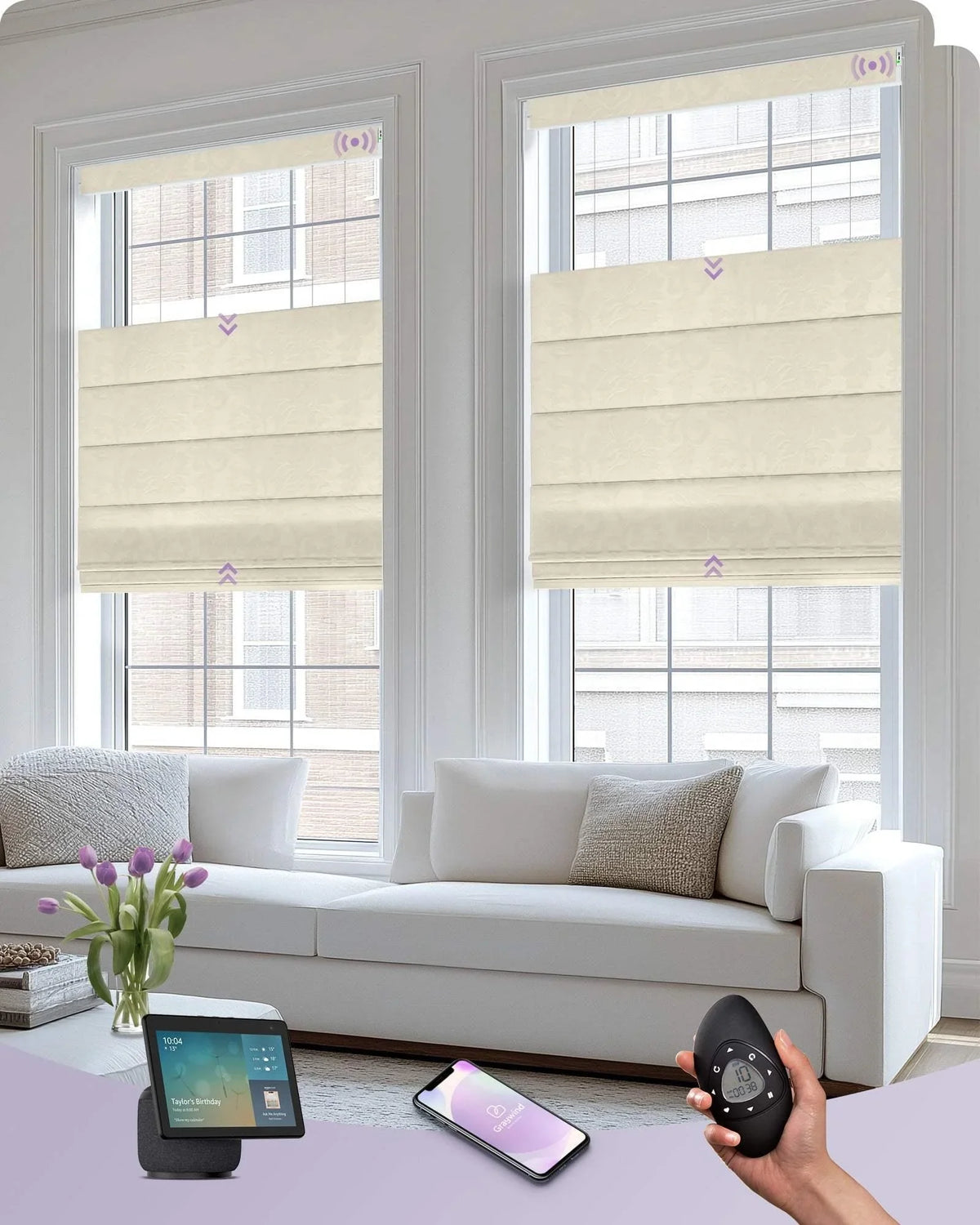
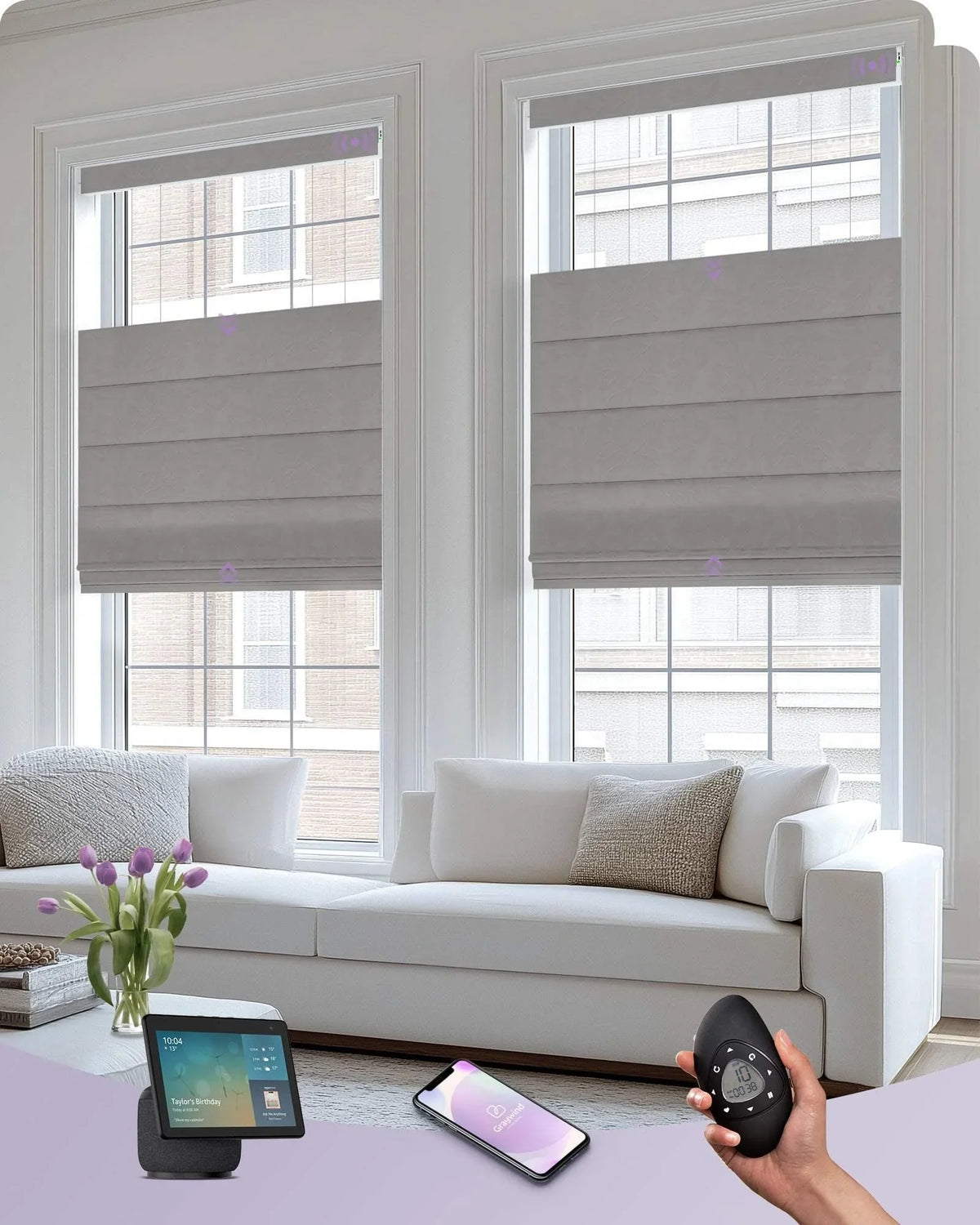


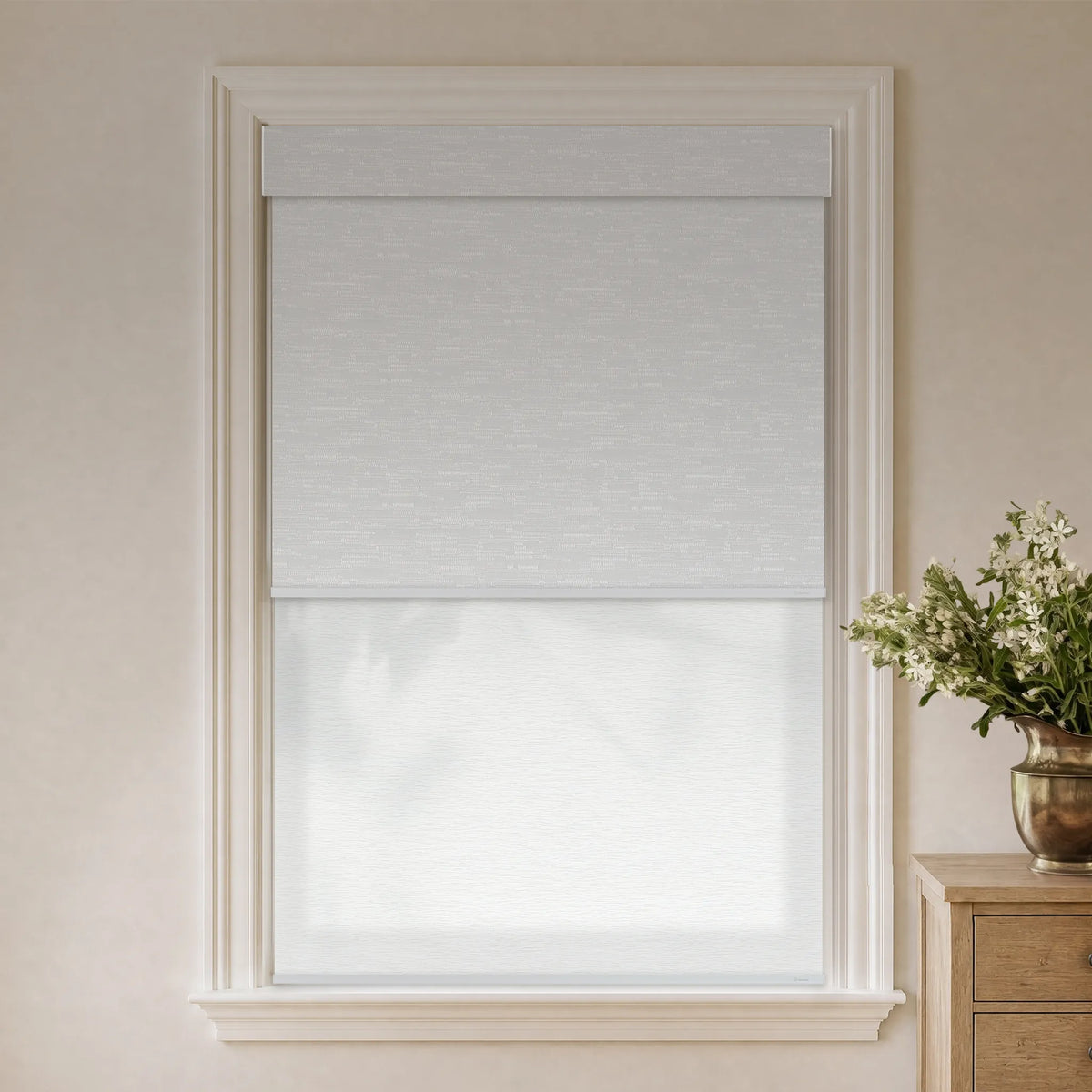
Graywind x Motionblinds Motorized Day Night Cellular Shades
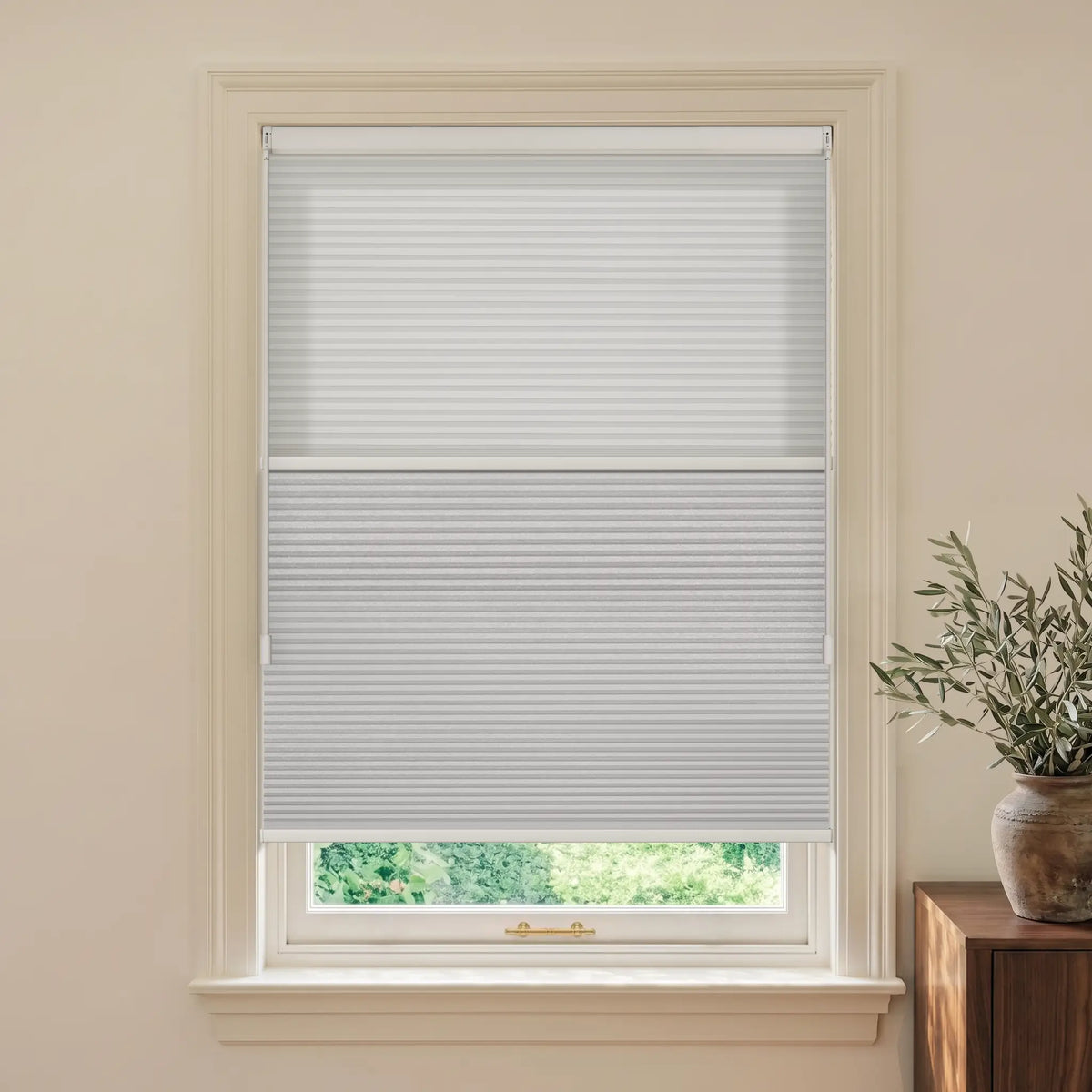
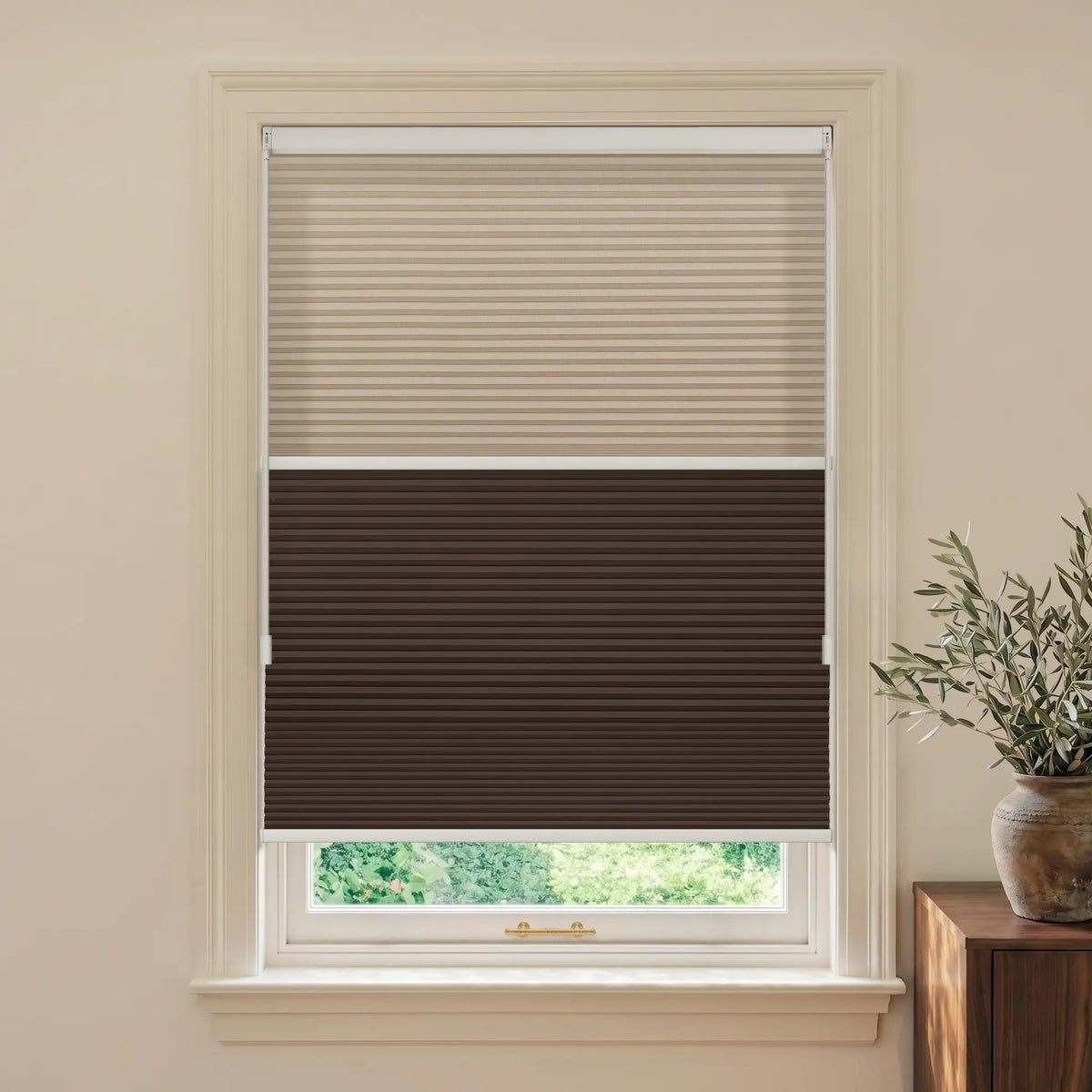
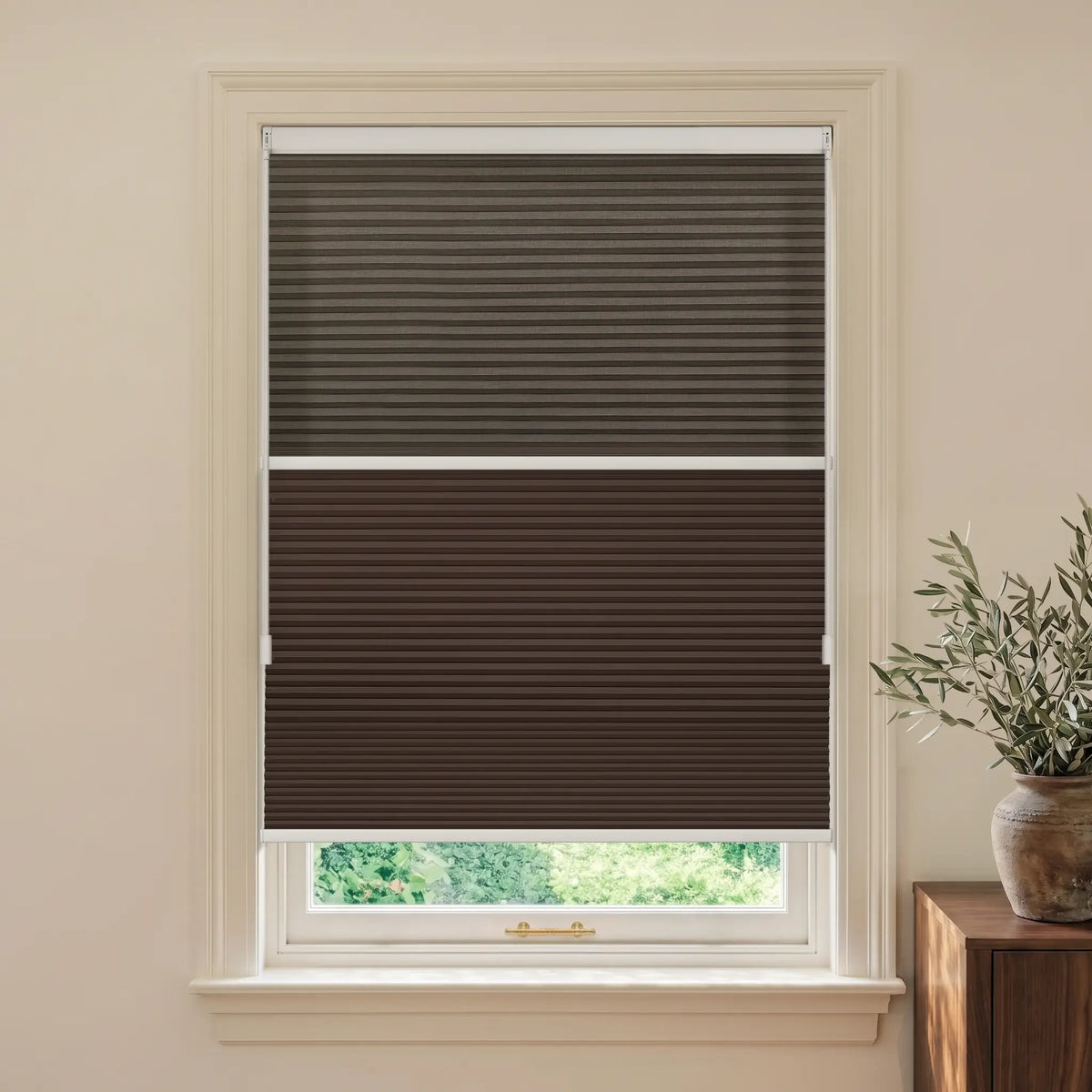
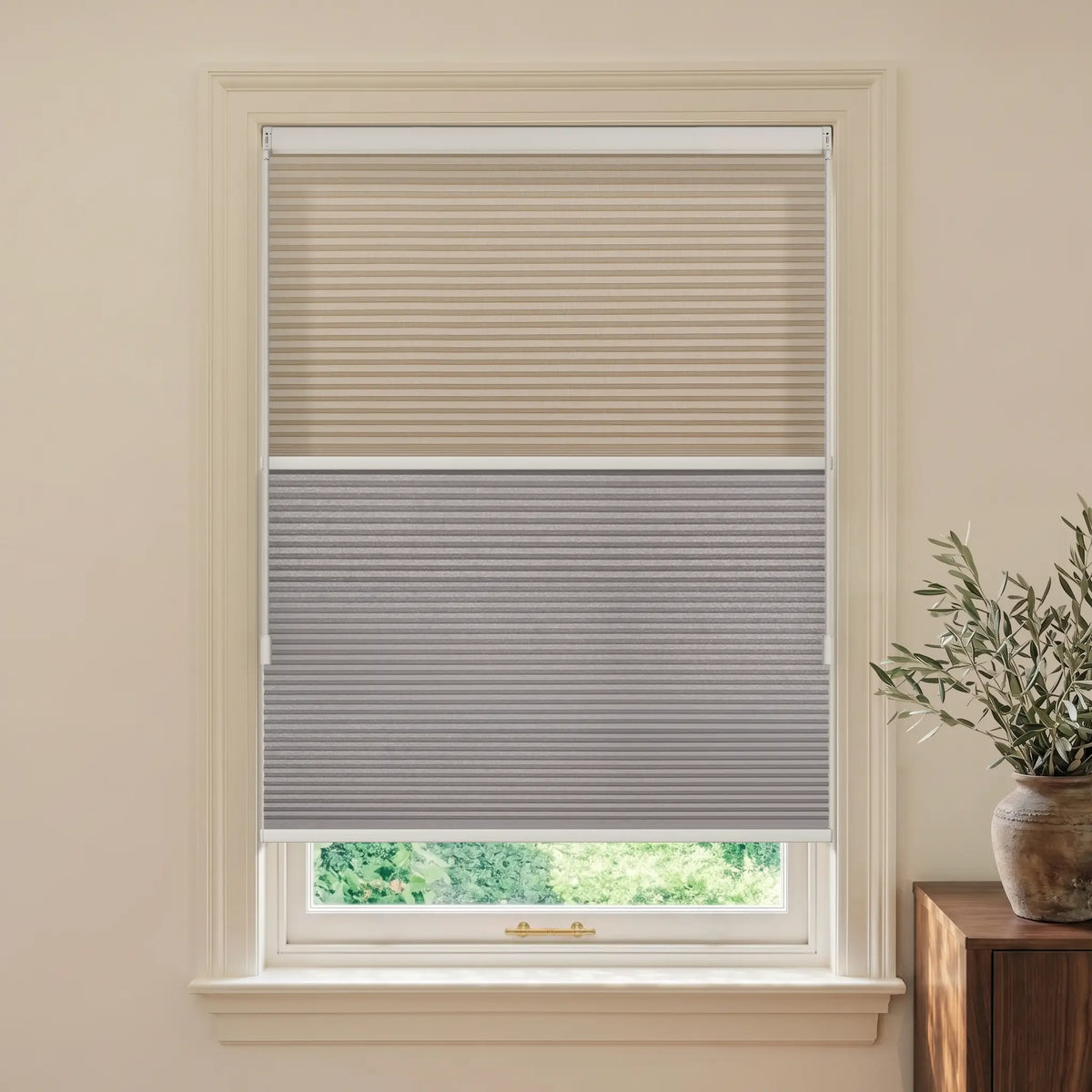
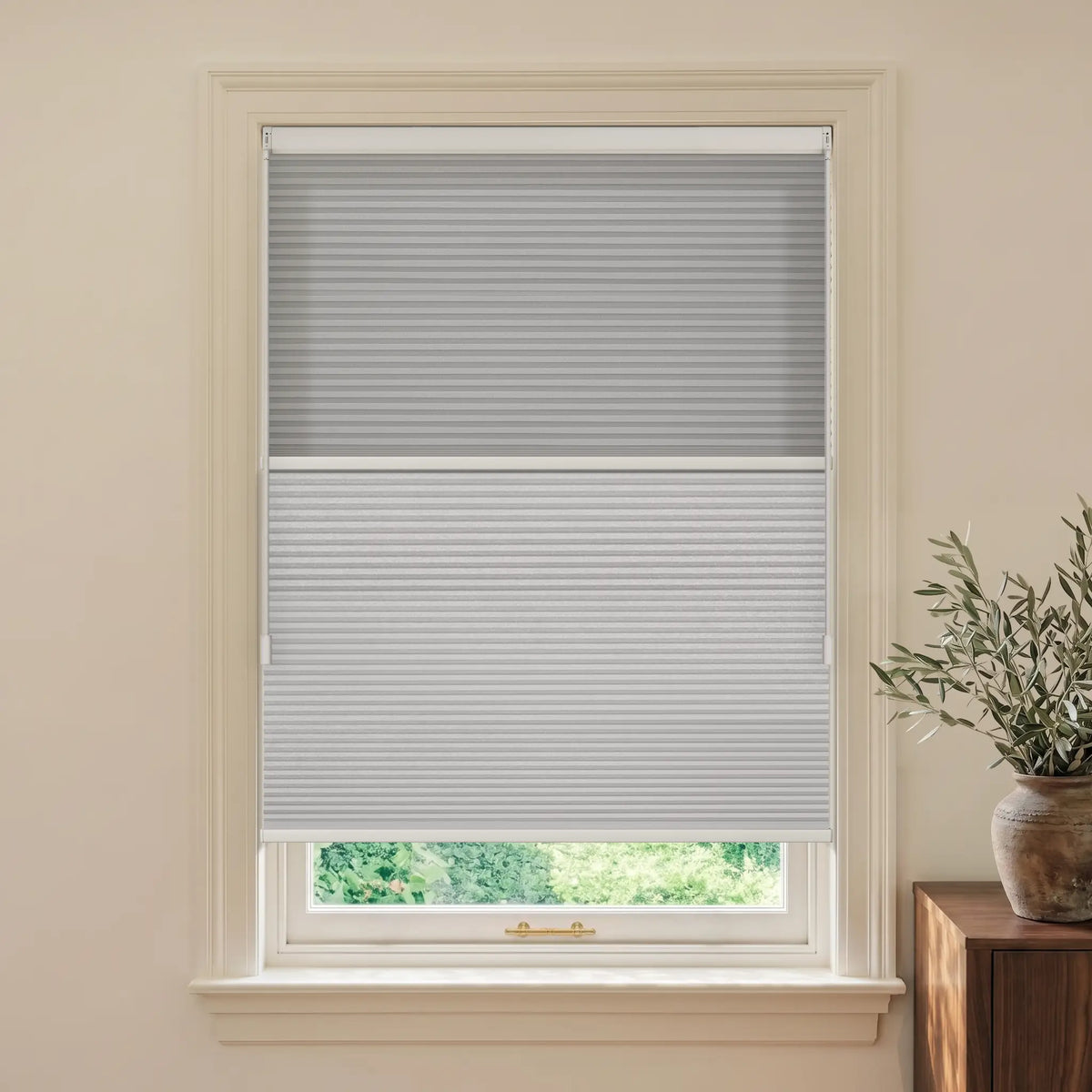


Graywind x Motionblinds Motorized Top Down Bottom Up Cellular Shades
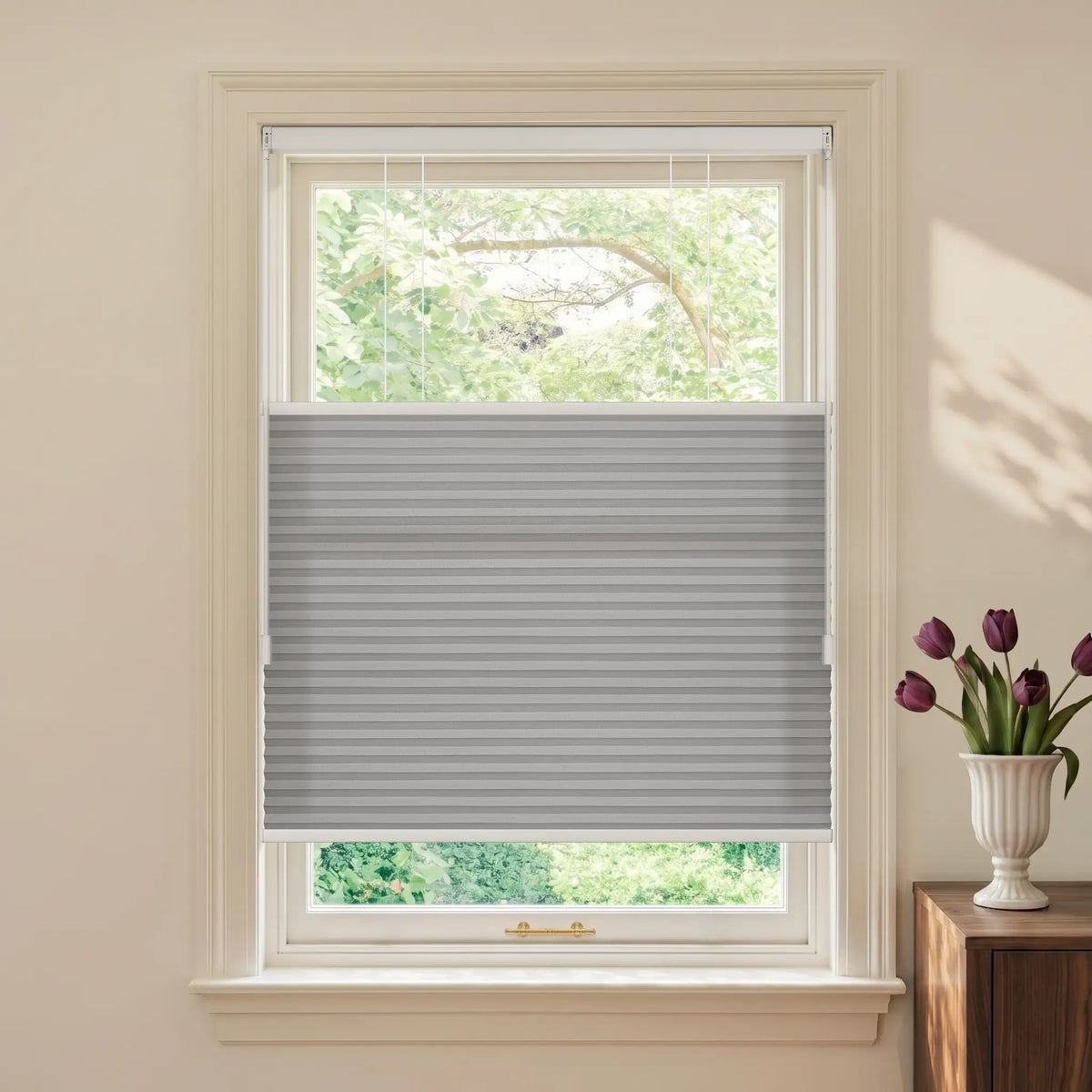
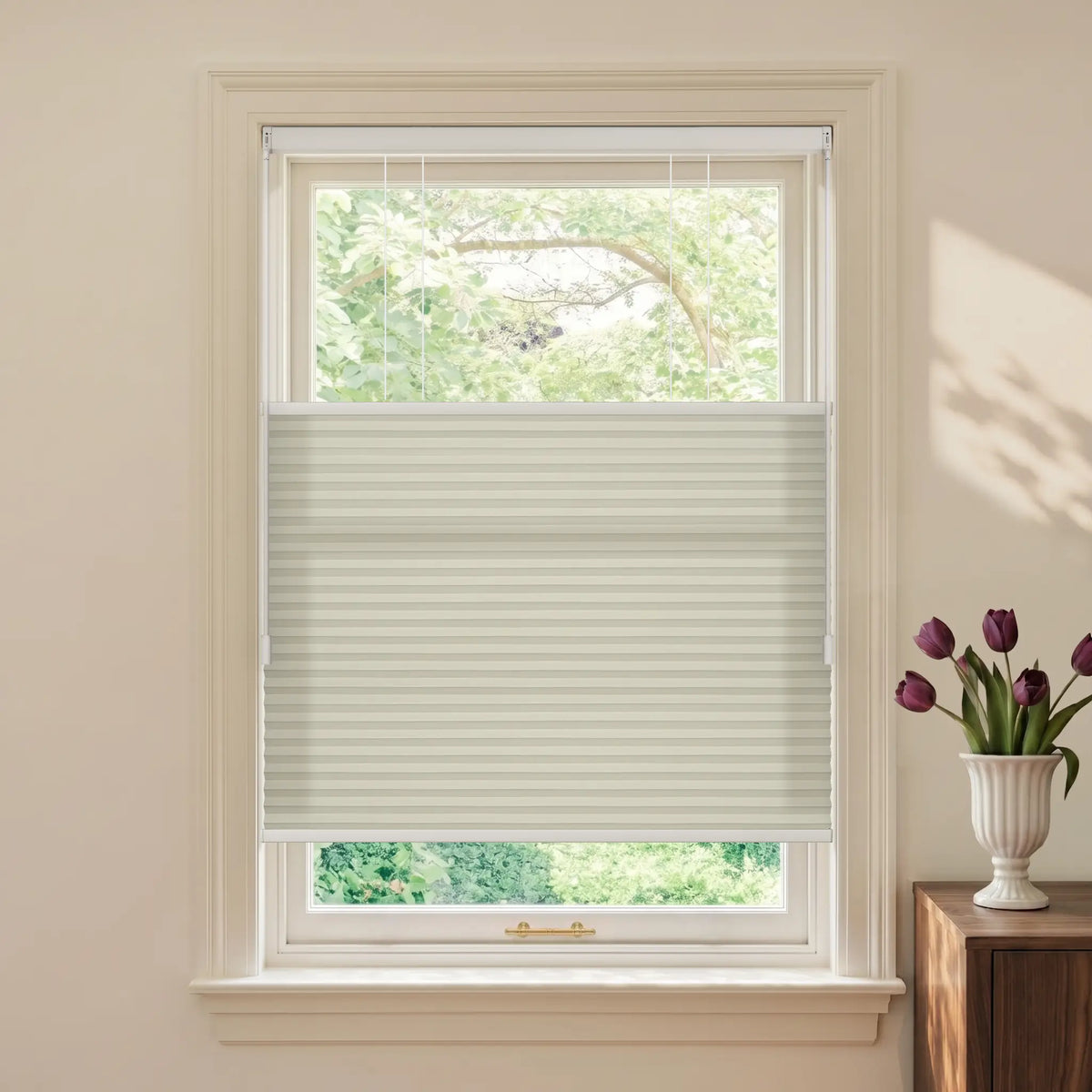
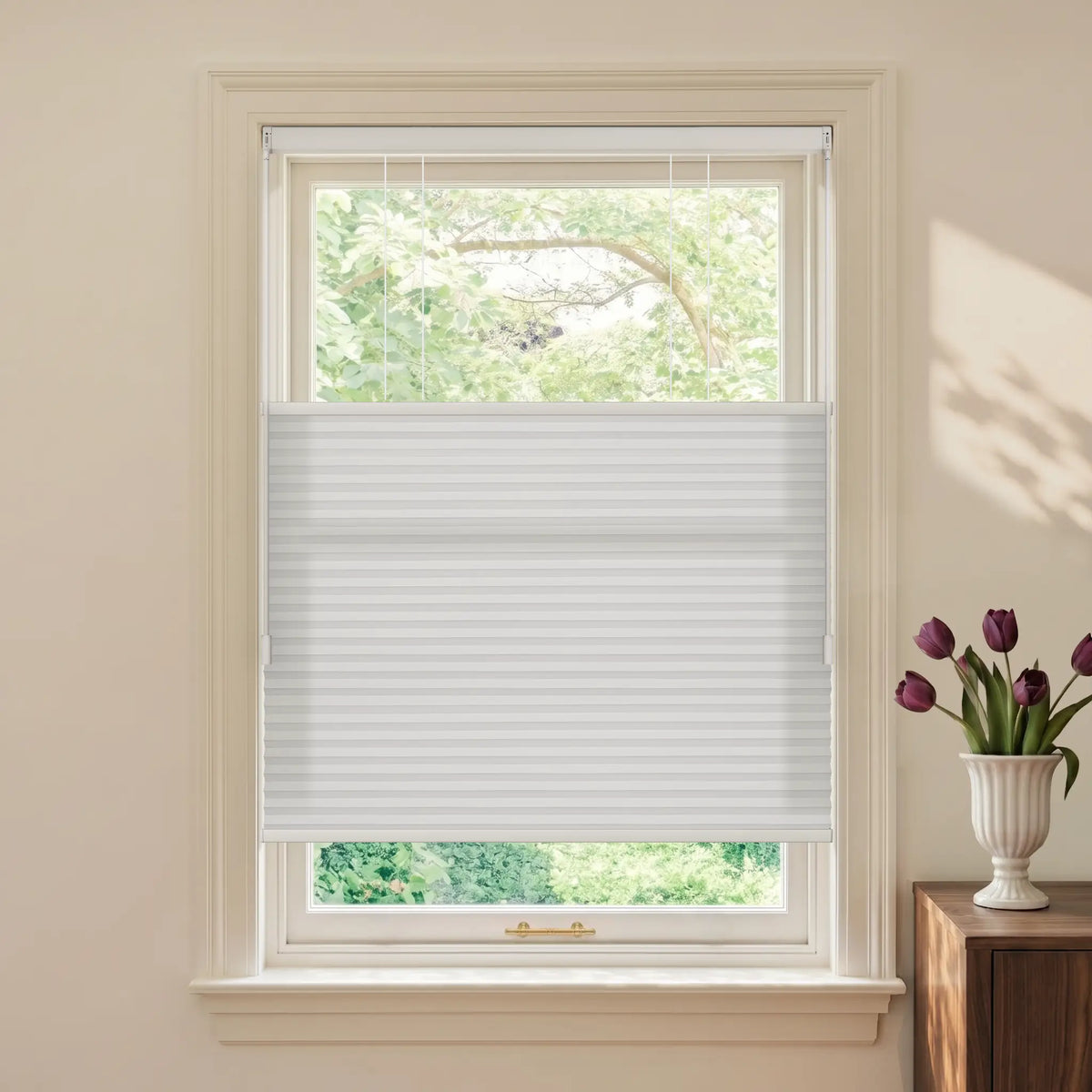
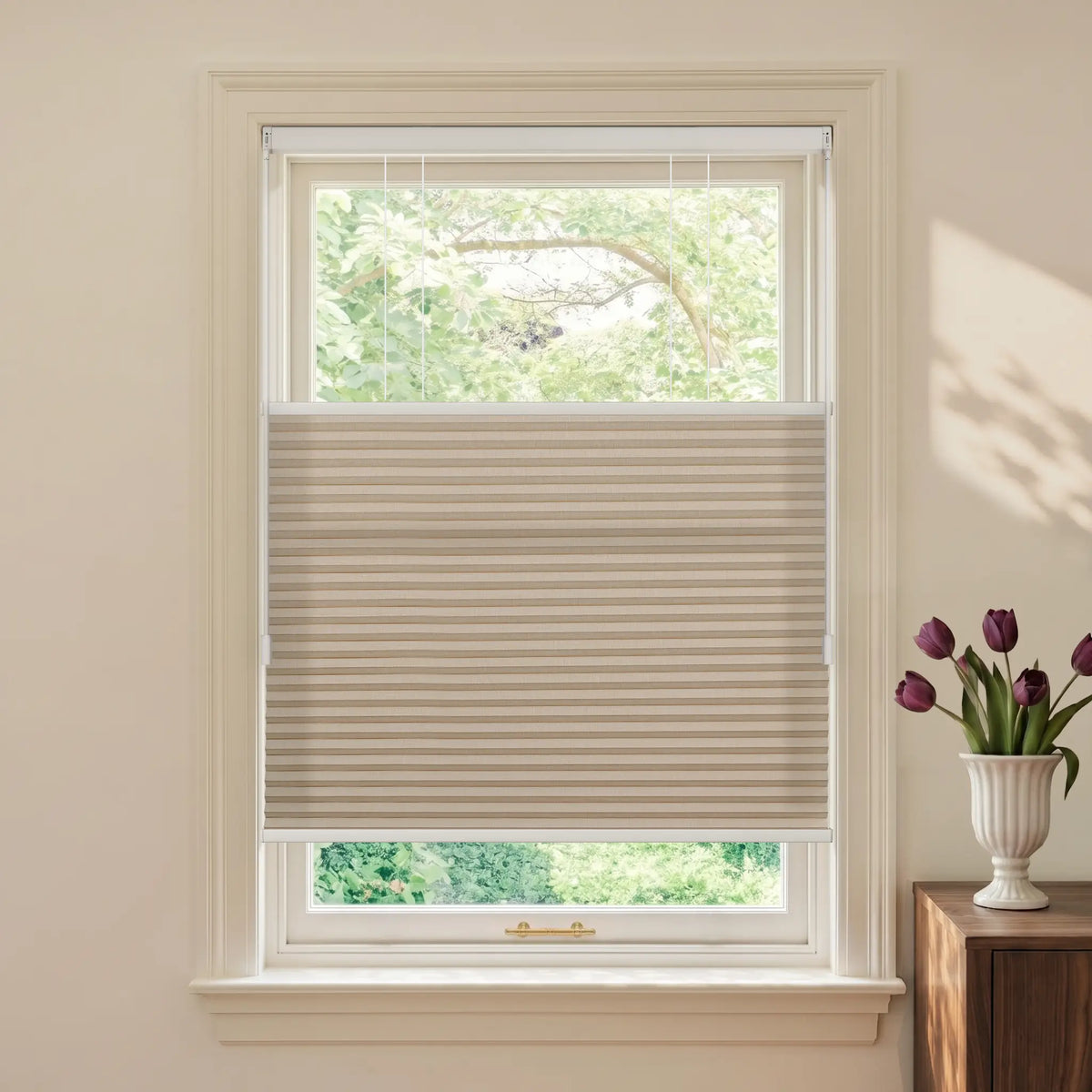
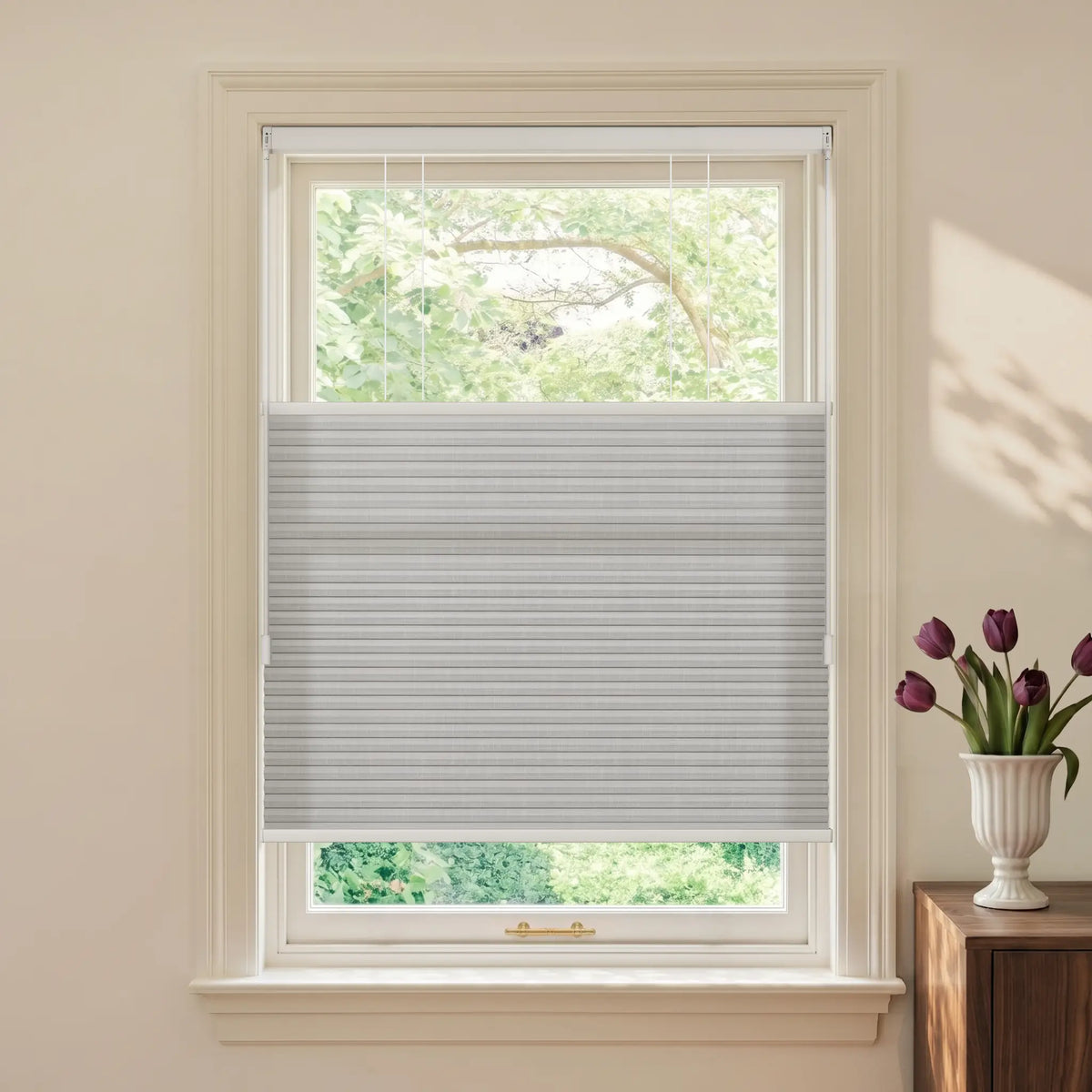
Learn More about Top Down Bottom Up Shades
Top Down Bottom Up Shades FAQ
What is the difference between day & night and top down bottom up shades?
What is the difference between day & night and top down bottom up shades?
Day & Night shades combine multiple fabric opacities, while Top Down Bottom Up shades focus on independent top and bottom operation.
Are top down bottom up shades available in blackout and light filtering?
Are top down bottom up shades available in blackout and light filtering?
Yes, TDBU cellular options may be available in light filtering, blackout, or day/night designs depending on the product. Choose light filtering for soft daylight, blackout for sleep/privacy, and day/night when you want both functions in one treatment.
Will the strings be visible on TDBU cellular shades?
Will the strings be visible on TDBU cellular shades?
TDBU shades may have visible lift cords or guide strings depending on construction. If your window has decorative glass or historic details, review product images carefully and contact support before ordering if cord placement is a concern.
How are Top Down Bottom Up shades different from standard shades?
How are Top Down Bottom Up shades different from standard shades?
A standard shade normally opens from the bottom upward. A Top Down Bottom Up shade allows the coverage position to change from both directions, making it more suitable for street-facing rooms, lower-floor windows, and spaces where daylight and privacy need to be managed separately.
Should I choose Top Down Bottom Up Cellular or Roman Shades?
Should I choose Top Down Bottom Up Cellular or Roman Shades?
Choose cellular shades when you prefer a clean honeycomb profile and a quieter architectural appearance. Choose Roman shades when the room benefits from tailored fabric folds, softness, and a more decorative window treatment.