Window treatments that let light in range from adjustable blinds to translucent shades and sheer curtains. The right choice depends on whether you want to redirect sunlight, diffuse it across the room, or uncover most of the glass. Blinds provide the most control over light direction, shades create the most even filtering, and curtains offer the widest choice of fabric weight and layering. Before choosing, compare openness, lining, and construction rather than relying on color alone.
What Determines How Much Light Comes Through?
Three factors shape a window treatment's light performance.
Openness Factor
Openness factor describes the percentage of open space in a woven fabric, most commonly a solar shade fabric. A higher openness factor usually preserves more daylight and outward view, but it also provides less glare control and daytime privacy. It should not be treated as a universal rating for every fabric type.
Fabric Layers and Linings
A sheer, unlined fabric admits more light than the same face fabric backed by a privacy or blackout liner. Roman shade folds and curtain pleats can also place more material in front of parts of the window. Always evaluate the finished construction, not just a loose fabric swatch.
Slat or Vane Angle
Blinds use tilting slats or vanes to change both the amount and direction of incoming light. Upward-tilted slats can send daylight toward the ceiling while limiting a direct view into the room. Fully open slats admit more light but reduce privacy.

Sheer, Light Filtering, Room Darkening, and Blackout
These labels describe a spectrum, but exact performance can vary by manufacturer, fabric color, weave, lining, and installation.
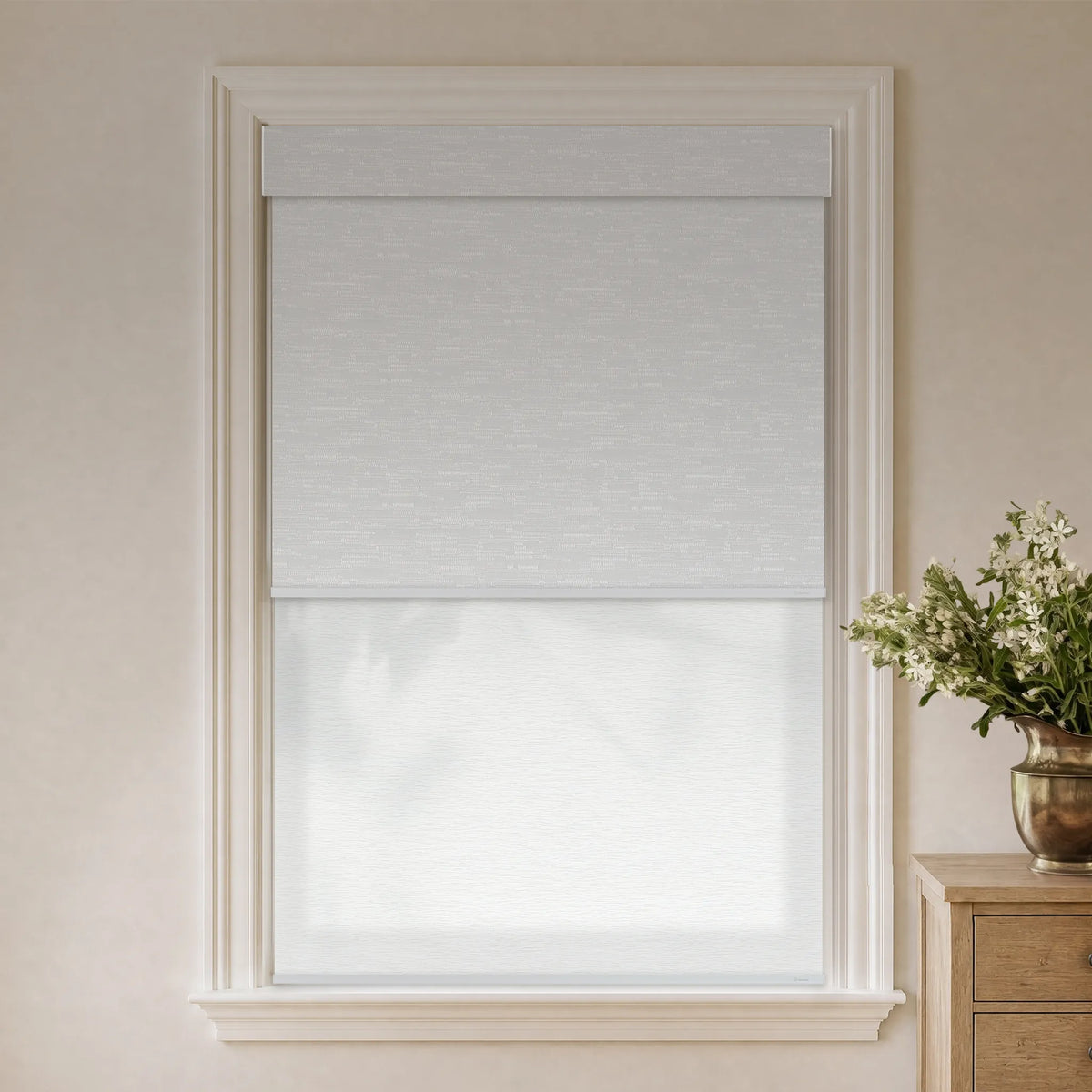
- Sheer: Admits the most diffused light and may preserve an outward view during the day. It provides limited privacy, especially after dark.
- Light filtering: Softens sunlight and reduces glare without trying to darken the room. Shapes or silhouettes may still be visible through some fabrics.
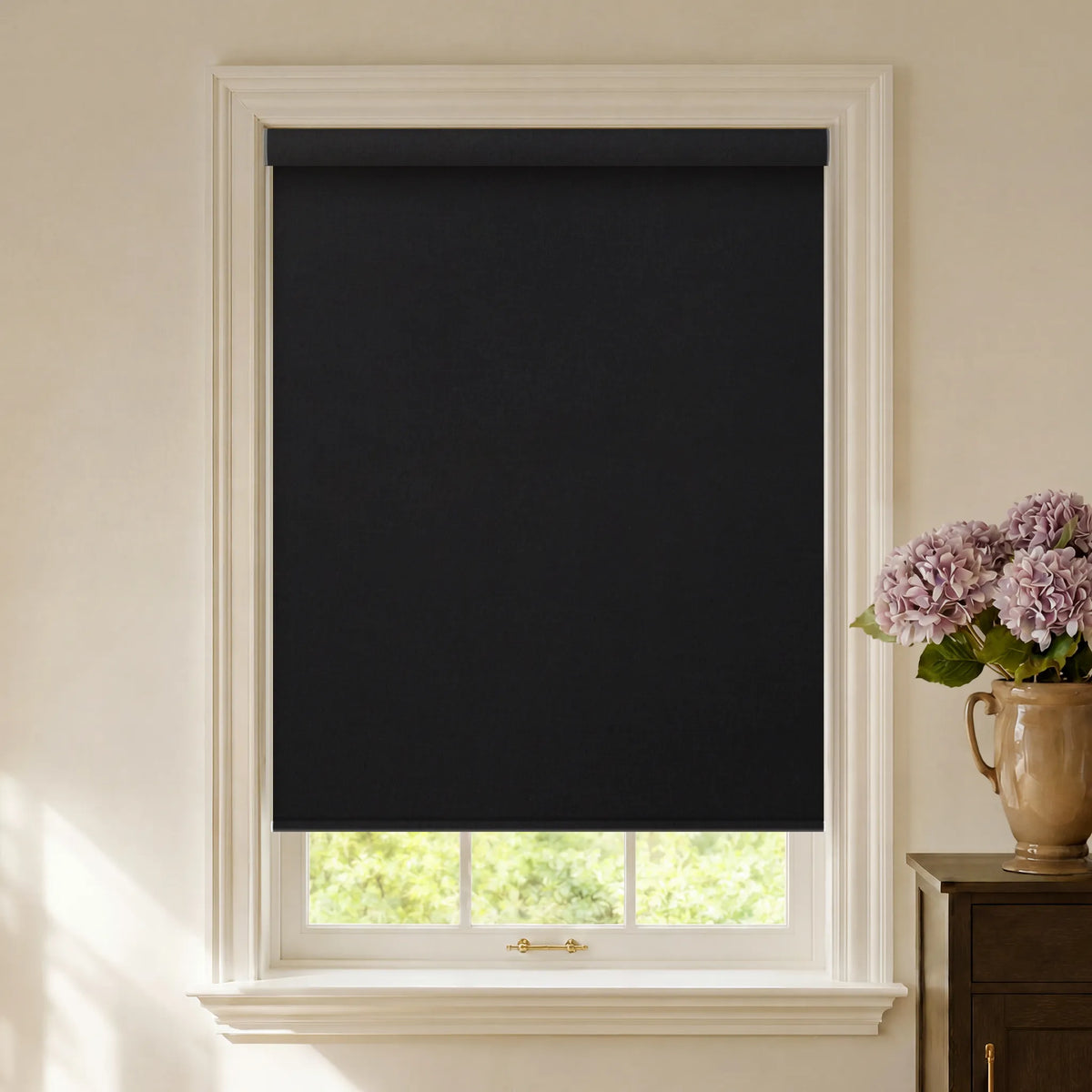
- Room darkening: Blocks substantially more light for television rooms, bedrooms, or afternoon rest, but does not necessarily create complete darkness.
- Blackout: Uses opaque material to block light through the fabric. Light may still enter around the edges unless the mounting method and side coverage are designed to reduce gaps.
How Window Treatments Let Light In: Blinds, Shades, and Curtains
Blinds
Blinds are built with rigid horizontal slats or vertical vanes. Rotating them controls both light volume and direction without fully uncovering the window. This makes blinds useful where daylight changes throughout the day. However, gaps between slats create visible bands of light, so blinds do not diffuse sunlight as evenly as a continuous fabric.
Shades
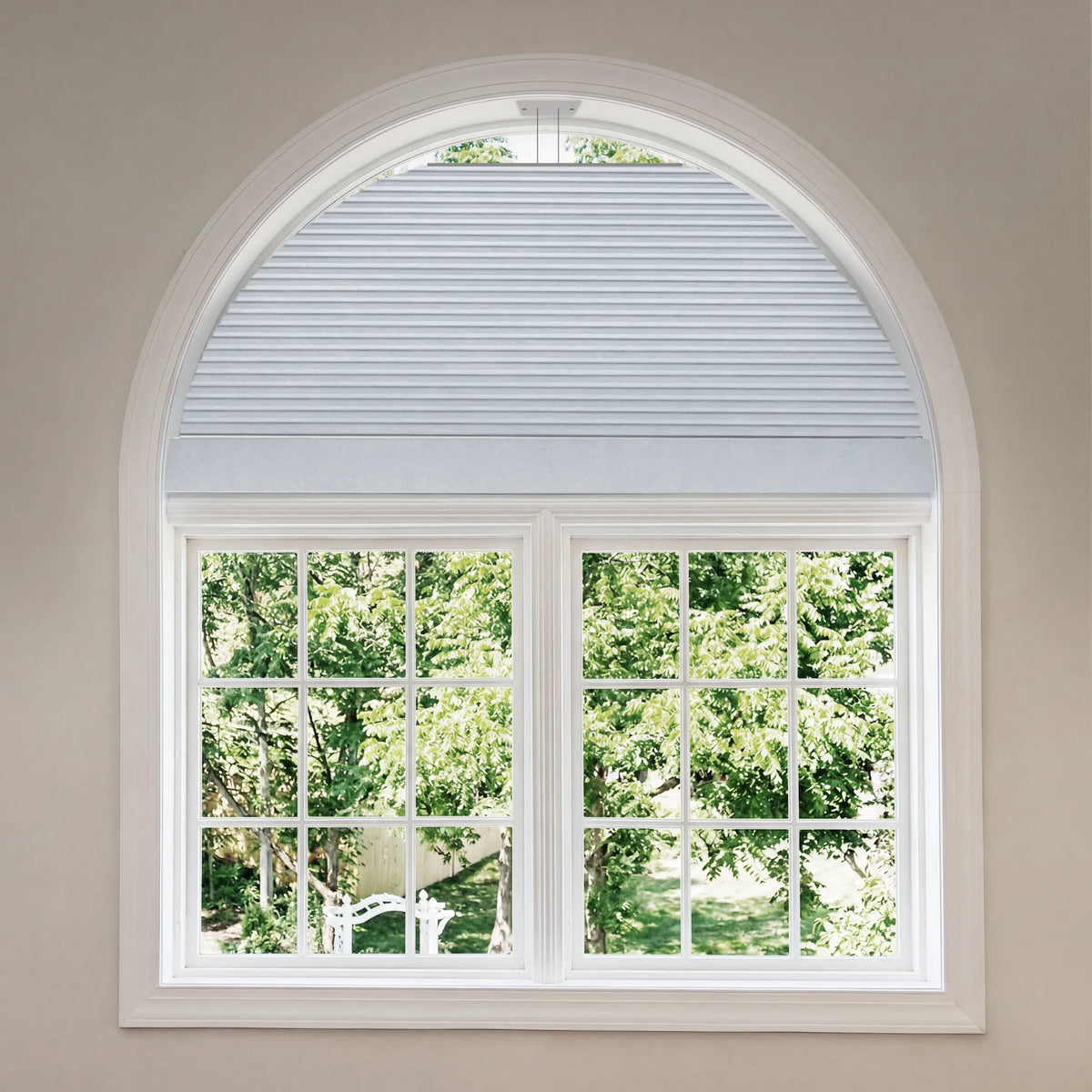
Roller, Roman, and cellular shades use a continuous soft material that raises or lowers to change the covered area. When lowered, the fabric itself determines how much light enters. A light filtering roller shade creates an even glow, while a sheer cellular shade adds diffusion and some insulation. Shades provide less directional control than tilting blinds, so fabric selection matters more.
Curtains
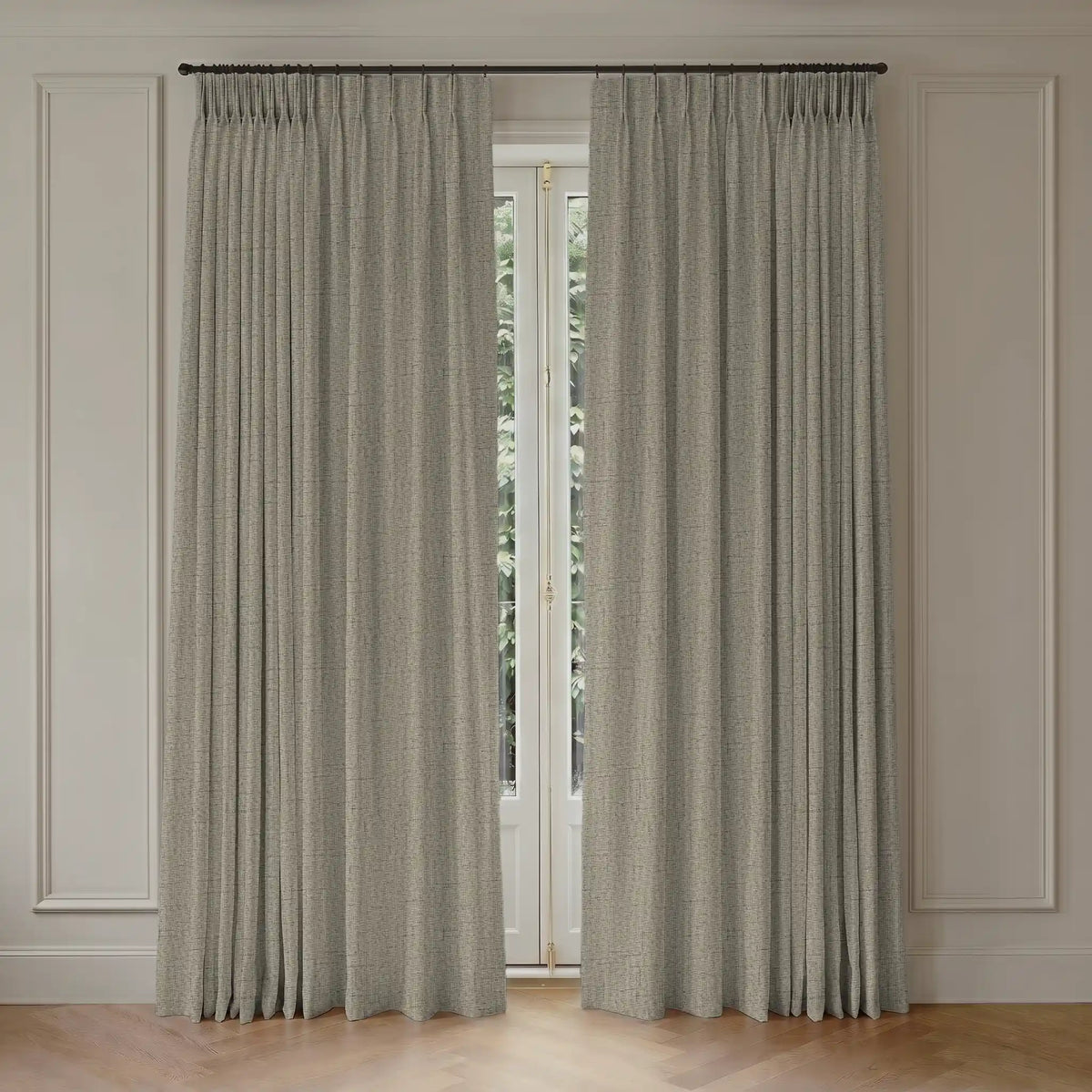
Curtains combine soft fabric with gathered or pleated fullness. Their transparency depends on fiber, weave, color, GSM (grams per square meter), fullness, and the number of layers. Sheer curtains can soften a bright window while keeping a room visually open. Opening the panels exposes most of the glass, but a fuller curtain creates a larger stack at each side. Pairing sheers with lined panels offers both daytime light and stronger nighttime privacy.

Blinds vs Shades vs Curtains for Natural Light
|
Type |
Main control method |
Strongest light benefit |
Main limitation |
|
Blinds |
Tilt slats or vanes |
Redirects daylight with fine control |
Light enters in bands |
|
Shades |
Raise, lower, or select fabric opacity |
Produces even diffusion |
Limited directional control |
|
Curtains |
Draw panels and adjust fabric layers |
Opens the glass widely or softens light |
Fullness and stacking use wall space |
Environmental, Safety, and Buying Checklist
- Daylight can reduce reliance on electric lighting, but too much direct sun may add glare and unwanted heat. A practical choice balances illumination with comfort rather than admitting the maximum possible light at all times.
Note the window's direction and when direct sun reaches the room. - Decide whether you need a clear view, soft diffusion, or directional control.
- Check privacy in daylight and at night with interior lights on.
- Compare full-size samples at the actual window; small swatches can hide changes caused by folds and backlighting.
- Ask for documented material, recycled-content, low-emission, or textile certifications instead of relying on broad "eco-friendly" claims.
- Choose durable, repairable construction and care requirements you can maintain.
- For homes where young children live or visit, the U.S. Consumer Product Safety Commission recommends cordless window coverings. Keep beds, cribs, and climbable furniture away from window cords.

Graywind Solutions for Flexible Daylight
Graywind offers several product types for different ways of managing natural light.
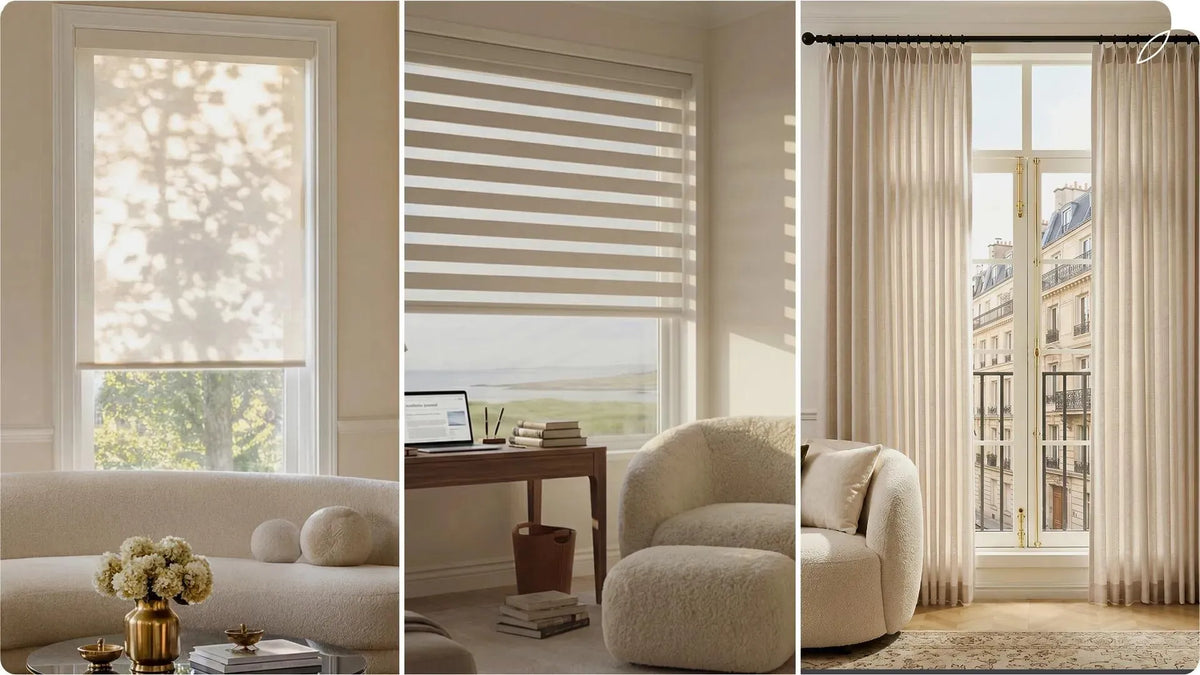
- Motorized Light Filtering Roller Shades diffuse sunlight across the window with a clean, continuous panel.
- Motorized Shangrila Shades combine sheer fabric with adjustable internal vanes, allowing users to tilt the vanes or raise the shade.
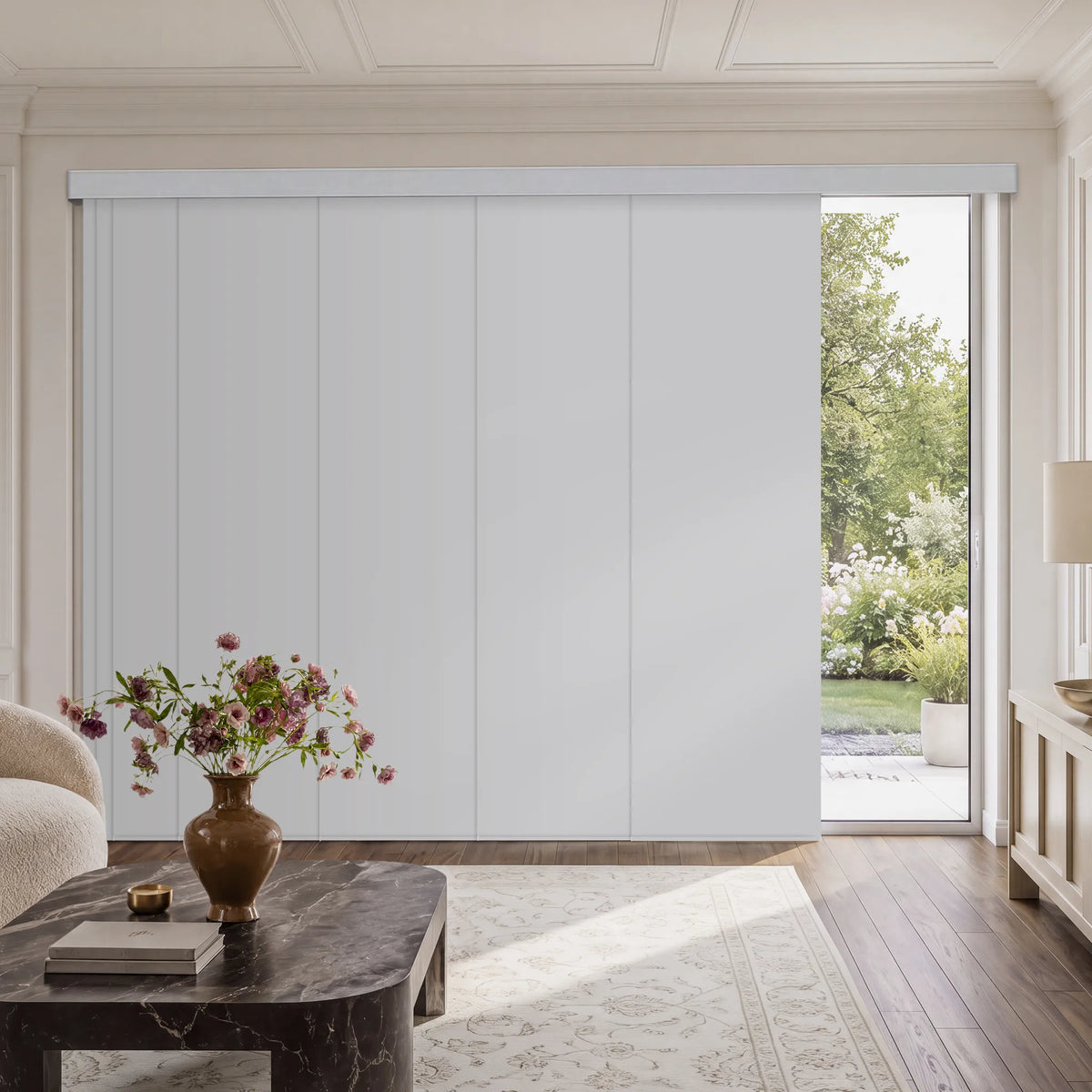
- Smart Vertical Blinds use rotating vertical slats and suit wide windows or sliding doors.
- For softer layering, Light Filtering Curtains can stand alone or be paired with a lined curtain on a double track.
Motorized control makes it easier to reposition treatments as sunlight changes, particularly on tall or grouped windows. Fabric opacity and motor compatibility vary by product, so compare samples and confirm the selected control ecosystem before ordering.