What You'll Need Before Cleaning
Prepare a few gentle tools before cleaning. For most indoor fabric treatments, start with dry care first. Use water, mild soap, or mild detergent only when the material is confirmed to be wipeable or washable.
- Microfiber cloth
- Feather duster or static duster
- Vacuum cleaner with a soft brush attachment
- Clean white cloth
- Mild soap or mild detergent
For motorized and smart window treatments, keep all electrical components dry. Do not spray water or cleaning products directly onto motors, charging ports, battery packs, remotes, or smart control components.
Step 1. Start with the Product Type


Shades

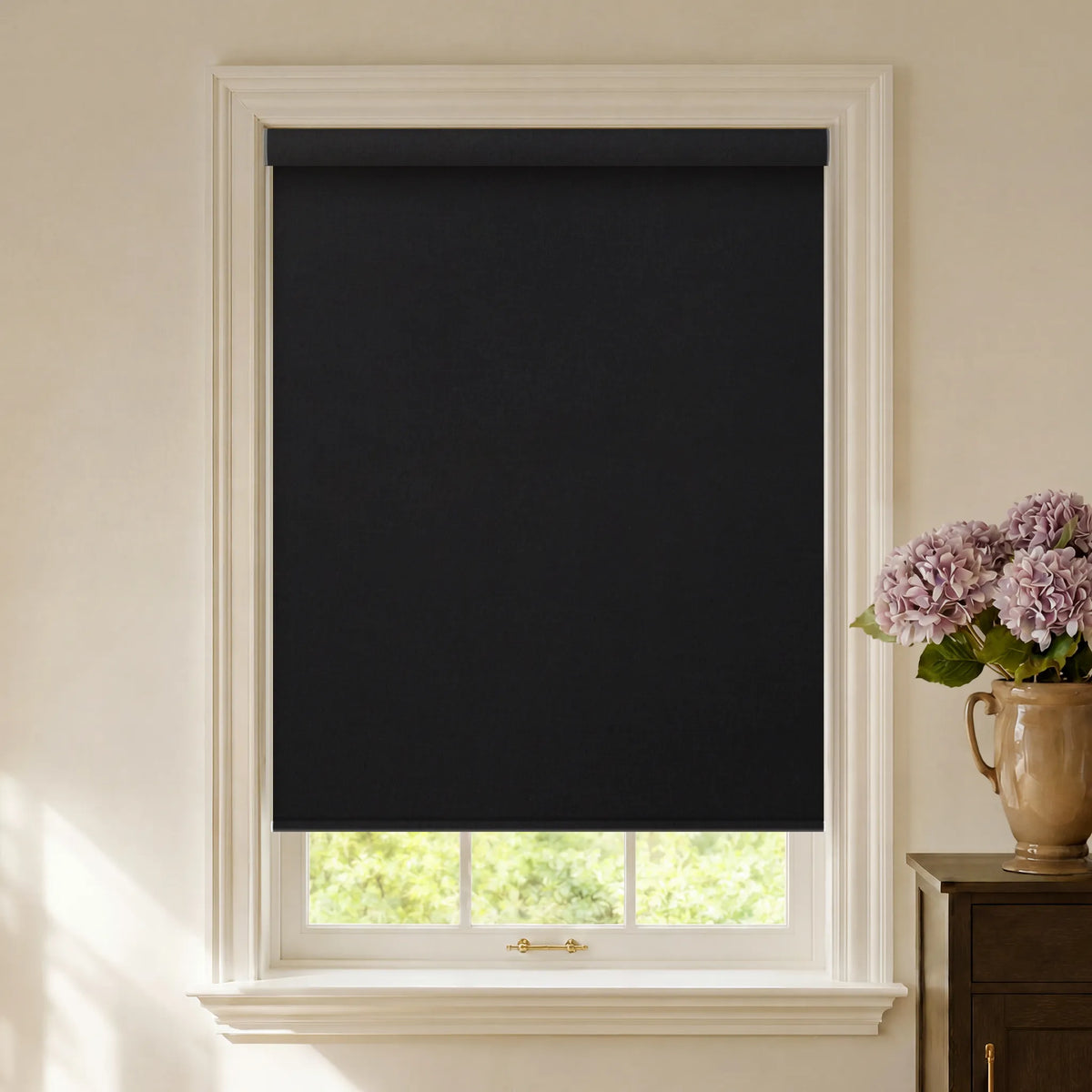
Roller Shades
Roller shades are designed with a smooth, streamlined surface, making them easy to maintain with regular, gentle care.
- For routine cleaning, lightly dust the surface with a microfiber cloth, feather duster, or vacuum on low suction.
- For small marks, wipeable materials such as vinyl can usually be cleaned with a lightly damp white cloth.
- For fabric, woven, textured, or coated roller shades, start with dry dusting first. If needed, use a small amount of moisture only on the affected area and avoid soaking the fabric.

Roman Shades
Roman shades bring softness and tailored structure to a room. Because of their folded construction, dust can collect along the folds, seams, and lining.
- Use a vacuum on low suction with a soft brush attachment to clean the fabric surface and each fold.
- For light marks, gently blot the area with a clean white cloth or a slightly damp cloth for spot cleaning.
- Avoid rubbing heavily, as this can push stains deeper into the fabric or affect the texture.

Layered & Sheer Shades
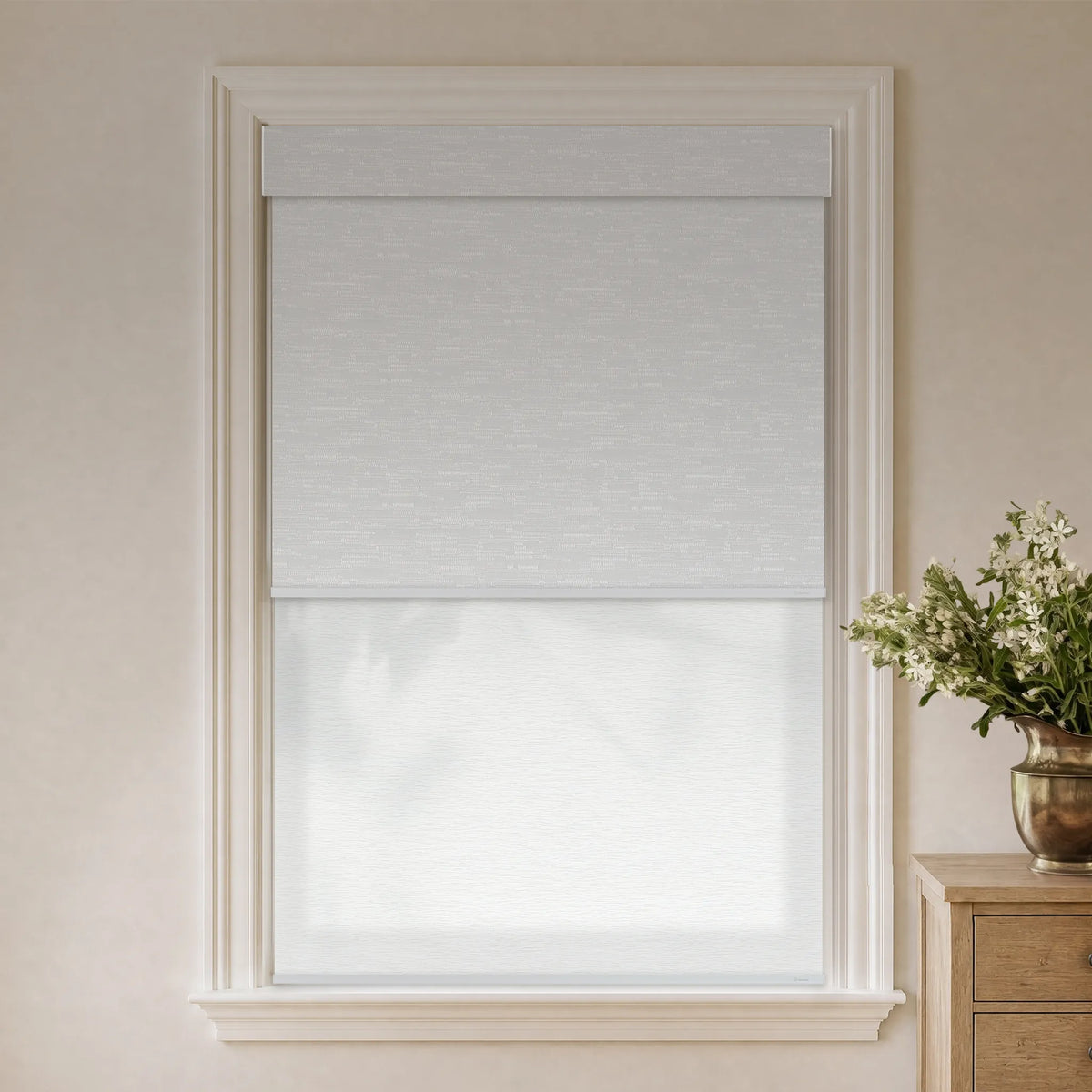
Layered and sheer shades include dual shades, Shangri-La shades, zebra shades, and other styles with sheer fabric, layered construction, or structured bands.
- Use a feather duster or vacuum on low suction to remove dust without pulling or stretching the fabric.
- For light marks, gently blot the area with a clean white cloth. Use a slightly damp cloth only when the material care instructions allow it.
- Avoid scrubbing or twisting the fabric, as this may affect the shade's alignment or appearance.

Outdoor shades
Outdoor shades are designed for greater exposure, but they still benefit from consistent care.
- Brush away dust, leaves, pollen, and debris regularly.
- For outdoor mesh or solar screen materials, rinse gently with low-pressure water when needed.
- Allow the shade to dry completely before rolling it up or storing it.

Panel Track & Vertical Blinds
Panel track blinds and vertical blinds offer a clean, architectural look for wide windows, sliding doors, and tall openings. To maintain their tailored appearance and smooth movement, clean each panel or vane individually from top to bottom.
- For routine care, use a microfiber cloth, feather duster, or vacuum on low suction to remove dust.
- Fabric panels or fabric vanes should be cleaned with dry methods first. PVC, vinyl, or aluminum vanes can usually be wiped with a damp cloth and mild cleaner.
- Keep the track clean and free of dust, hair, and debris so panels or vanes continue to glide smoothly.

Cellular Shades
Graywind offers a variety of cellular shade styles, including regular cellular shades, arch & angled shades, top down bottom up shades, day & night shades, and skylight shades. Their honeycomb structure is easy to maintain with gentle routine care. ·
- For regular dusting, use a feather duster, microfiber cloth, or vacuum on low suction with a soft brush attachment. For small surface marks, gently blot the area with a clean white cloth or a lightly damp cloth.
- To remove dust inside the honeycomb cells, use cool air from a hair dryer or compressed air on a gentle setting.
- Avoid soaking, squeezing, scrubbing, or letting water collect inside the honeycomb cells.

Curtains & Drapery
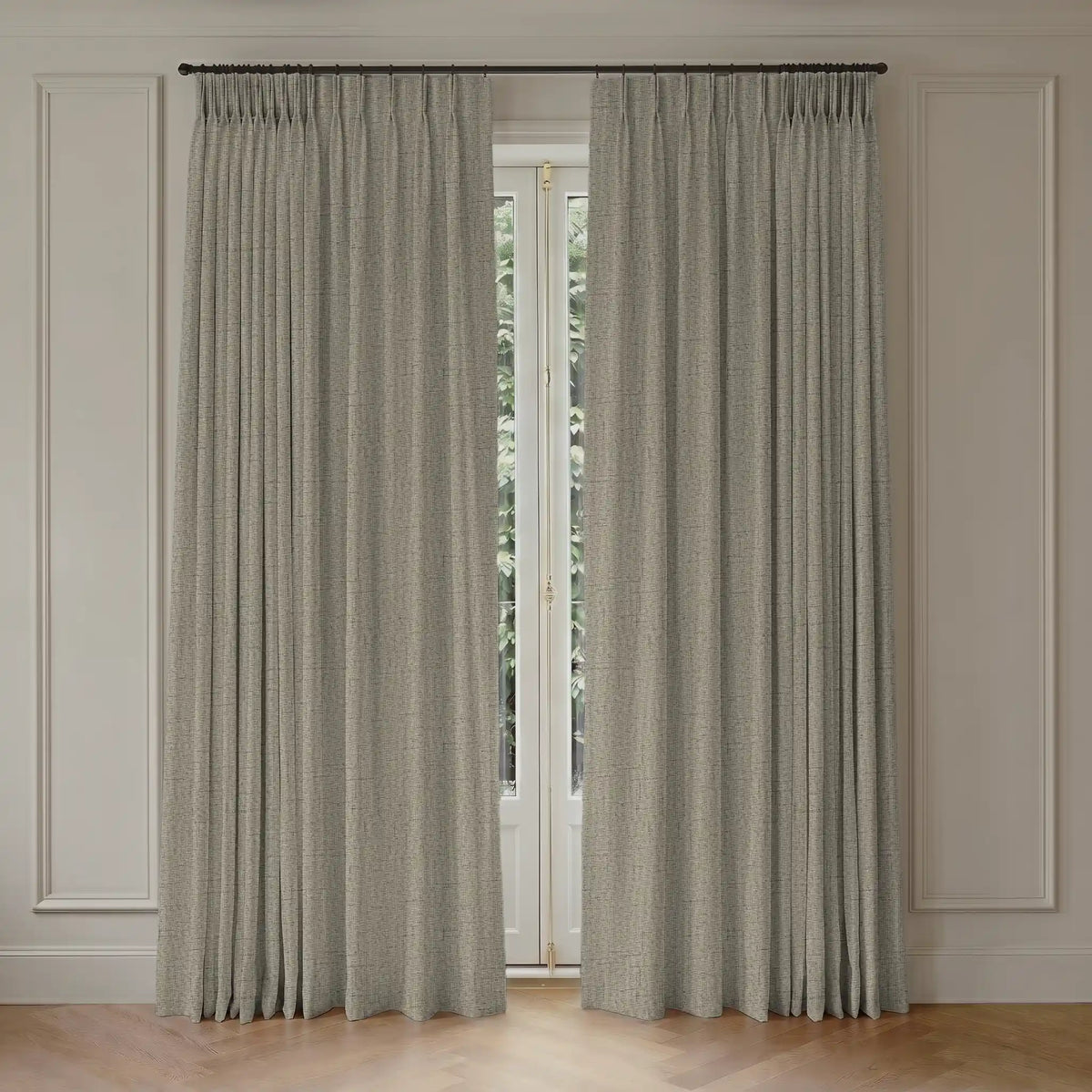
Curtains, valances, and drapery panels add softness and a finished look to the room. With regular light maintenance, they can stay fresh and elegant between deeper cleanings.
- For routine care, gently vacuum to remove dust while helping preserve the fabric's natural drape.·
- Some unlined polyester or cotton curtains may be gently washed if the care label allows. Use cold water, mild detergent, and air drying or low heat.
- For custom curtains, lined curtains, heavy drapery, or delicate fabrics, professional dry cleaning is recommended for a deeper refresh and to help maintain their shape, lining, and finish.
Step 2. Care by Material

Polyester & Cotton Fabrics
Polyester & Cotton Fabrics
Regular dusting or vacuuming on low suction helps keep them fresh between deeper cleanings.Some unlined polyester or cotton curtains may be gently washed if the care label allows. Use mild detergent with cold or warm water, then air dry or tumble dry on low heat.
Linen, Silk, Velvet & Wool-Blend Fabrics
Linen, Silk, Velvet & Wool-Blend Fabrics
For routine maintenance, dust gently or vacuum on low suction with a soft brush attachment. For deep cleaning or larger stains, professional care is recommended to help preserve the fabric's color, shape, and finish.
Sheer Fabrics
Sheer Fabrics
Use a feather duster or vacuum on low suction to remove dust. If washing is allowed, hand wash gently in cold water or use a delicate cycle with a mesh laundry bag. Air drying is recommended to help maintain the fabric's light, flowing appearance.
Blackout & Coated Fabrics
Blackout & Coated Fabrics
For regular care, vacuum gently or wipe the surface with a soft dry cloth. For small stains, spot clean with a lightly damp white cloth and mild soap. Use only a small amount of water and gently blot the affected area.
Natural Woven Materials
Natural Woven Materials
Use a feather duster, microfiber cloth, or vacuum on low suction to remove surface dust. Clean in the direction of the weave to help maintain the natural texture. For small spots, gently blot with a dry white cloth first.
Avoid water-based cleaning whenever possible, as moisture may cause warping, staining, fiber swelling, or texture changes.
Vinyl, PVC & Aluminum
Vinyl, PVC & Aluminum
Brush away dust and debris regularly. Clean with a soft damp cloth and mild cleaner. Dry with a clean cloth to prevent water spots or residue.
Cleaning Frequency Guide
Do's & Don'ts
Do
- Use a microfiber cloth, feather duster, or vacuum on low suction for routine dusting.
- Use a clean white cloth when spot cleaning to prevent color transfer.
- Use mild soap only on materials that are wipeable or washable.
- Test any cleaning method on a hidden area first.
- Keep tracks, brackets, and hardware free from dust and debris.
- Allow shades or fabrics to dry completely before rolling, raising, or storing them.
Don't
- Do not soak, scrub, or use high heat.
- Do not roll up shades while damp.
- Do not spray cleaner directly onto motors, charging ports, battery packs, or electrical parts.
- Do not use bleach, harsh solvents, abrasive brushes, or strong chemical cleaners.
- Do not machine wash structured shades or custom curtains unless the care label clearly allows it.
How-To Center

Selection Guide
Learn how to select the right type of shades, blinds, or drapery based on your space and needs

Smart & Control Guide
Understand motor options, smart home compatibility, and control systems

Measuring Guides
Measure shades, blinds, curtains, and specialty windows with confidence.

Installation Guide
Step-by-step instructions to help you install your window treatments