Window Treatment Selection Guide
Choosing the right window treatment can feel overwhelming with so many options available. Graywind helps you understand different blinds, shades, and curtains, so you can choose the best fit for your home with confidence.
Window Treatment Finder
Answer a few questions about your room, light control, window type, and smart-home needs. We will recommend the best-fit products to explore first.
Recommended Products
Aleady Know What You Want?
Explore the product guide you're interested in and learn what to consider before choosing.


Not Sure Where to Start?
Find inspiration by room and everyday need, then explore the guide that fits your needs.
What should I choose if I want both sheer light and blackout?
What should I choose if I want both sheer light and blackout?
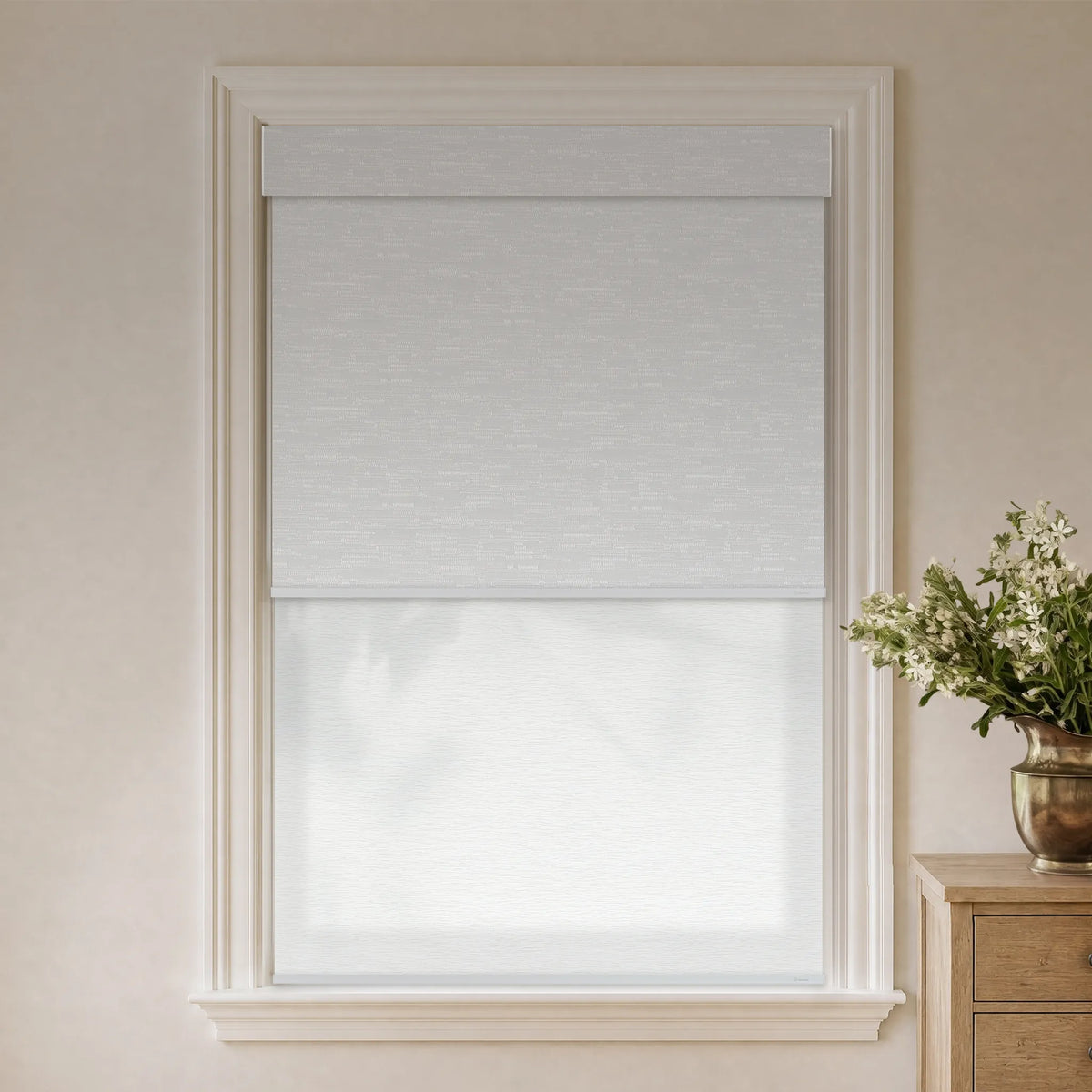
If you want soft daylight during the day and stronger privacy or blackout at night, consider dual-layer curtains, dual roller shades, or day-and-night window treatments. Dual-layer curtains create the softest designer look. Dual roller shades combine two separate fabrics in one window treatment system. Zebra shades can also adjust light and privacy, but they are not the same as a full sheer-and-blackout dual-layer solution.
Should I choose inside mount or outside mount?
Should I choose inside mount or outside mount?
Choose inside mount for a clean, built-in look when your window frame has enough depth. Choose outside mount when your frame is shallow, when you want better light coverage, or when you want the shade to cover more of the wall around the window. For blackout rooms, outside mount usually helps reduce side light gaps better than inside mount.
What window treatments are best for sliding glass doors?
What window treatments are best for sliding glass doors?
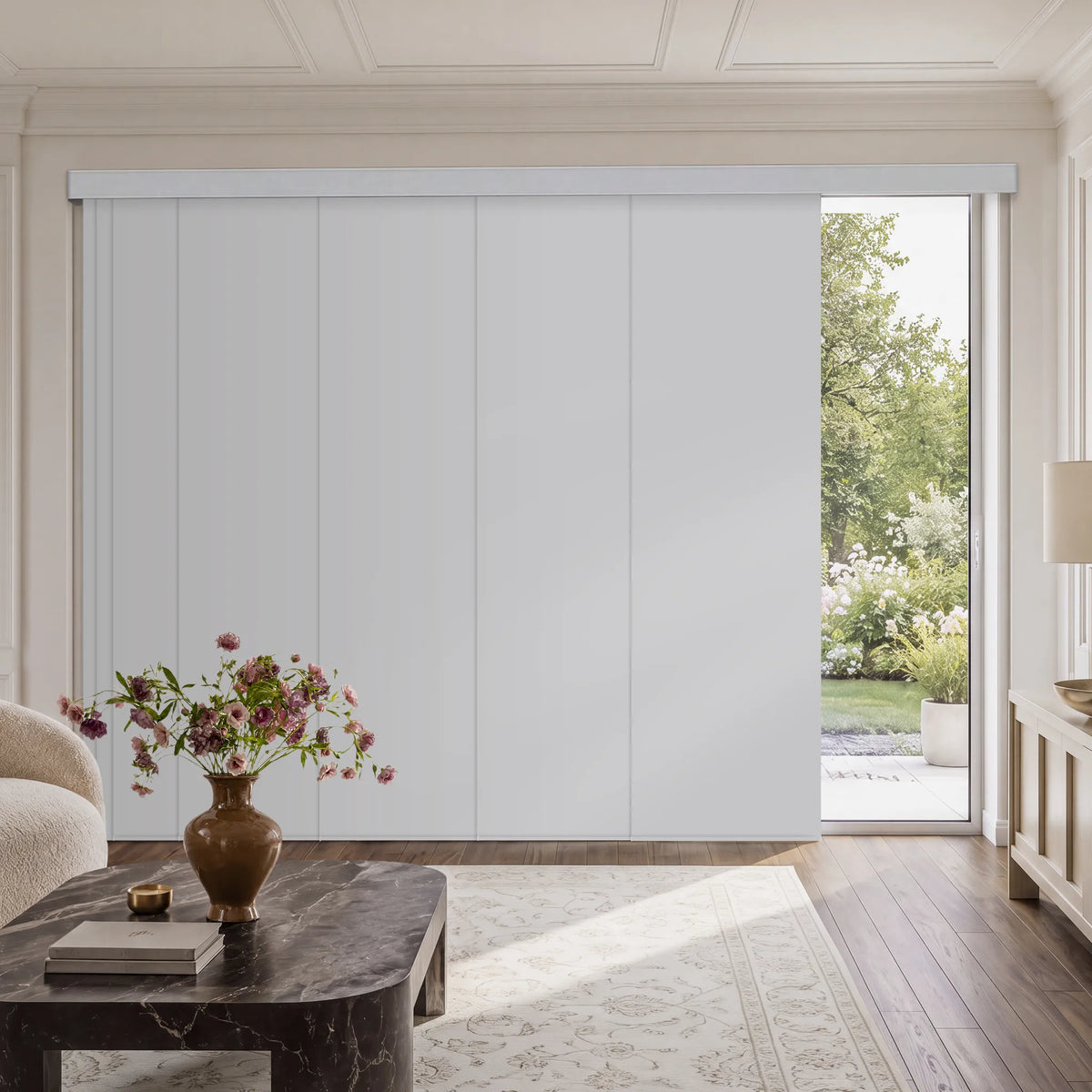
For sliding glass doors, vertical blinds, panel track blinds, curtains, and wide roller shades are usually the best options. Vertical blinds and panel track blinds move in the same direction as the door, making them practical for frequent access. Curtains add a softer, more finished look. Roller shades can also work well if the opening size and mounting space are suitable.
Should I choose zebra shades or cellular shades?
Should I choose zebra shades or cellular shades?
Choose zebra shades if you want a modern layered look with adjustable light control between sheer and privacy positions. Choose cellular shades if your priority is insulation, stronger blackout performance, or a cleaner fabric stack. Zebra shades are more decorative and flexible for daytime light control, while cellular shades are more performance-focused for privacy, comfort, and energy efficiency.
What is the difference between solar shades and light filtering shades?
What is the difference between solar shades and light filtering shades?
Solar shades are designed to reduce glare and heat while preserving outward visibility during the day. Light filtering shades diffuse natural light and create a softer indoor look, but they usually do not provide the same view-through effect. Choose solar shades for sunny living rooms, offices, kitchens, and patio-facing windows. Choose light filtering shades when you want privacy, brightness, and a softer fabric appearance.
Should I choose light filtering, room darkening, or blackout shades?
Should I choose light filtering, room darkening, or blackout shades?
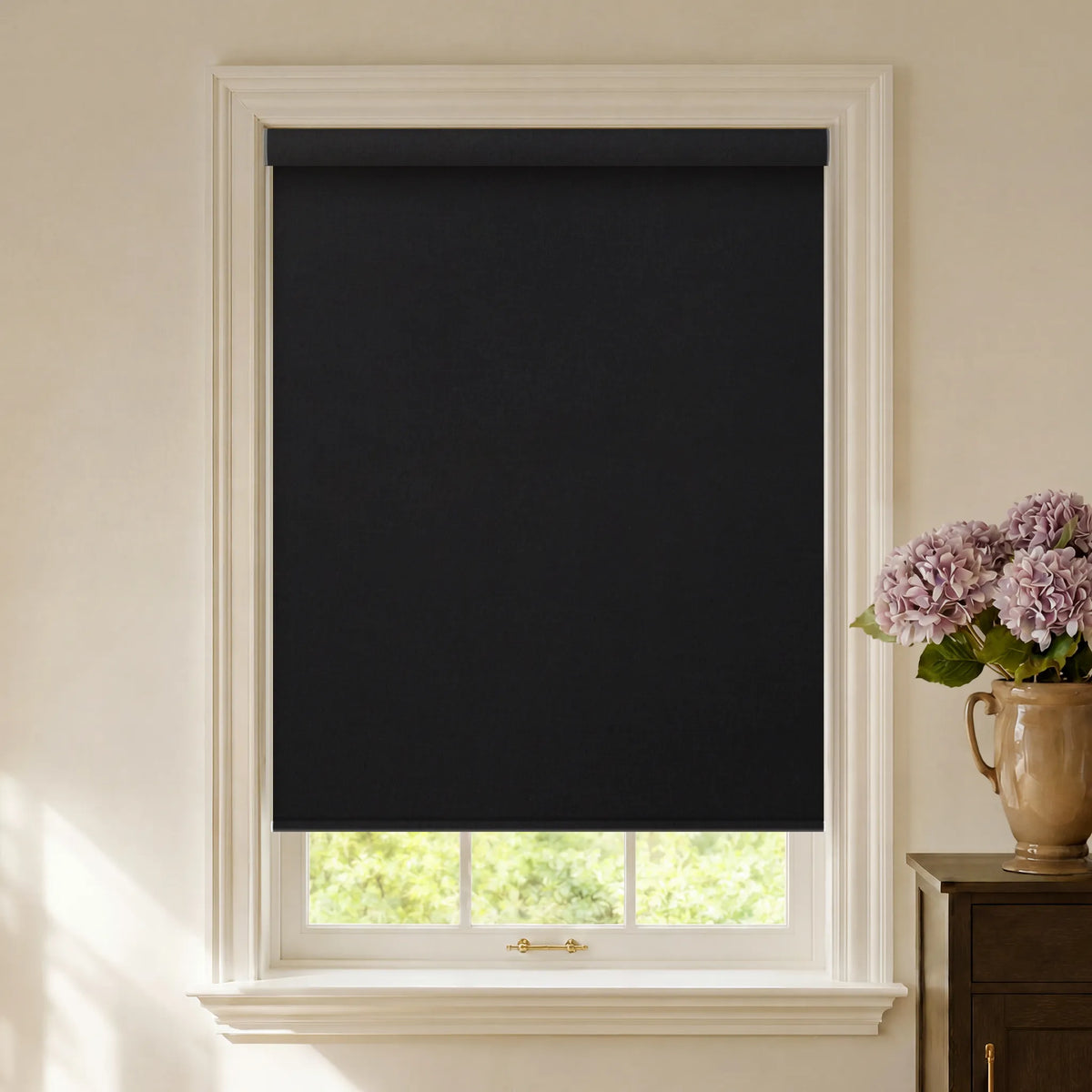
Light filtering shades soften daylight while keeping the room bright. Room darkening shades reduce more light and add privacy, but they are not designed to create full darkness. Blackout shades are best for bedrooms, nurseries, media rooms, and spaces with strong afternoon sun. If your goal is full room darkening, choose blackout fabric and consider an outside mount for better light coverage.
Should I choose cellular shades or roller shades?
Should I choose cellular shades or roller shades?
Choose cellular shades if insulation, energy efficiency, and a softer fabric look are your priorities. Their honeycomb structure helps trap air, making them a strong choice for bedrooms, nurseries, and rooms affected by heat or cold. Choose roller shades if you prefer a sleek, minimal look with more fabric options, including blackout, light filtering, solar, and smart motorized styles.
What is the difference between blinds, shades, and curtains?
What is the difference between blinds, shades, and curtains?
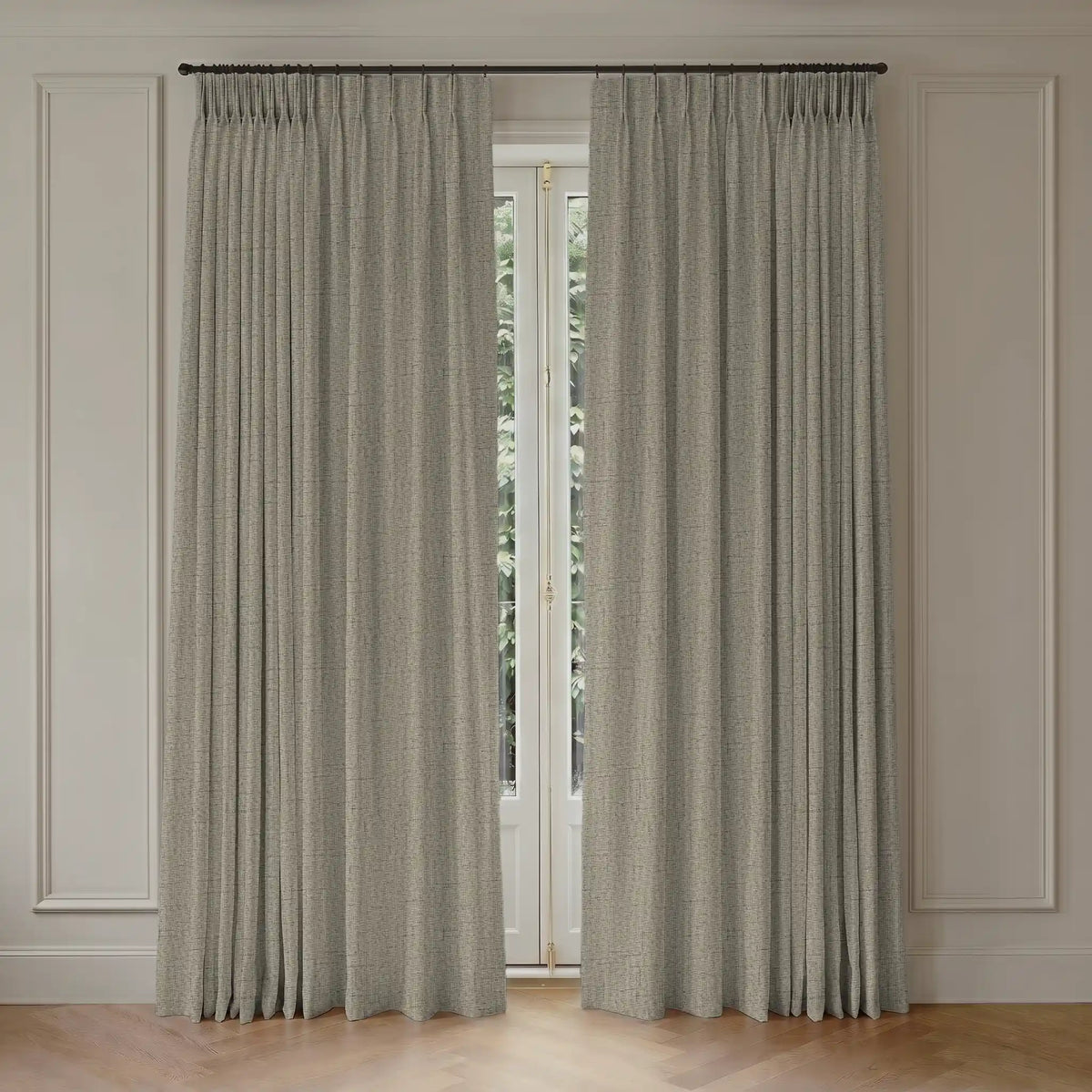
Blinds usually have slats or panels that can be tilted or adjusted. Shades are made from continuous fabric or cellular material and move up and down as one piece. Curtains use soft fabric panels on a track or rod, creating a more decorative and layered look. Choose blinds or shades for a clean, built-in appearance and easier motorization. Choose curtains when you want a softer, designer-style finish for bedrooms, living rooms, or large openings.
Inspirations for Your Home
Discover how the right shades, blinds, and curtains can shape comfort, light, and style in every room.


Graywind Motorized Blackout Curtain with Rod | Premium Fabric

Graywind Smart Skylight Shades | Blackout

Graywind Motorized Roman Shades | Blackout

Graywind Motorized Panel Track Blinds | Light Filtering Textured Fabric

Graywind Motorized Blackout Roller Shades | Fabric Series
How-To Center

Measuring Guides
Measure shades, blinds, curtains, and specialty windows with confidence.

Installation Guide
Step-by-step instructions to help you install your window treatments

Smart & Control Guide
Understand motor options, smart home compatibility, and control systems