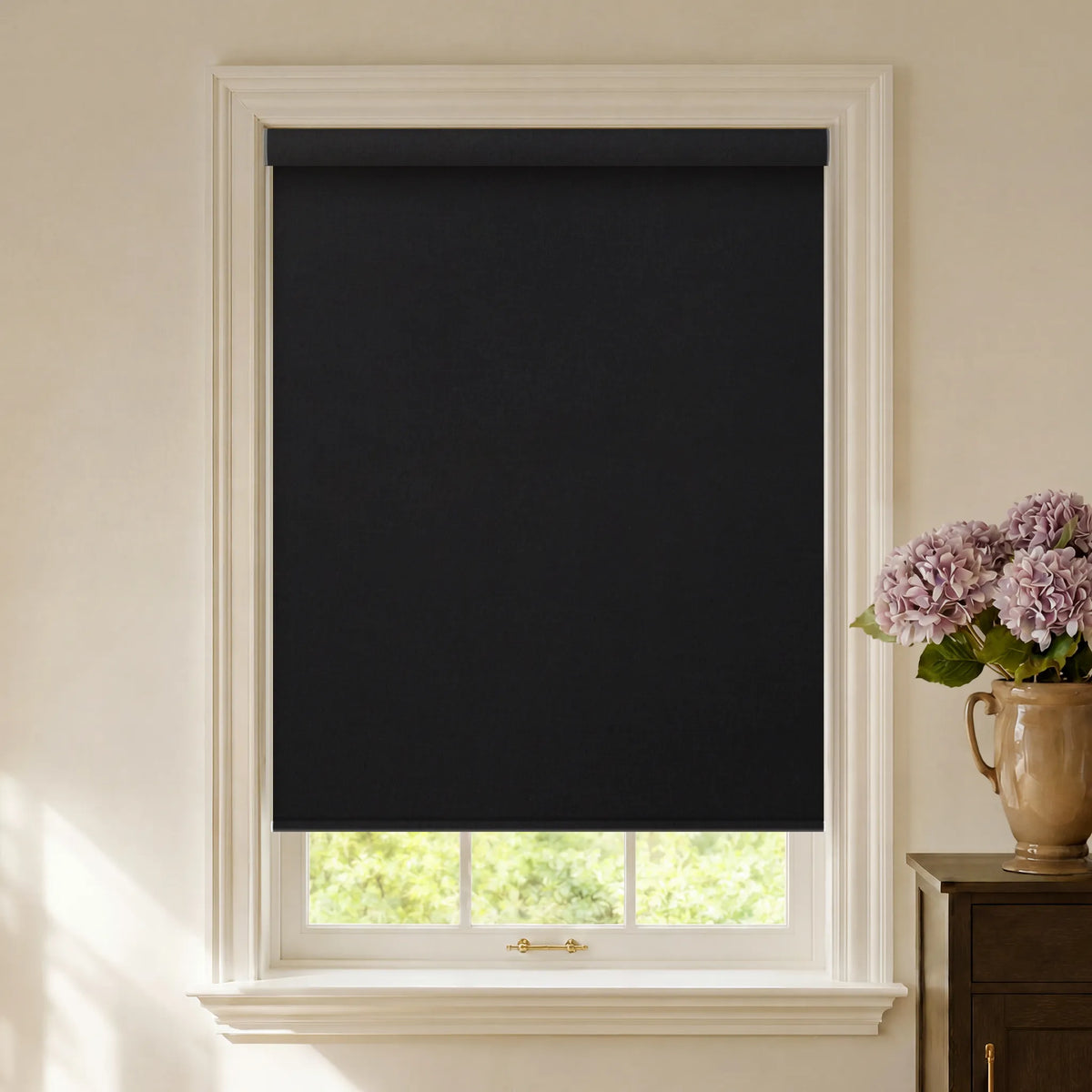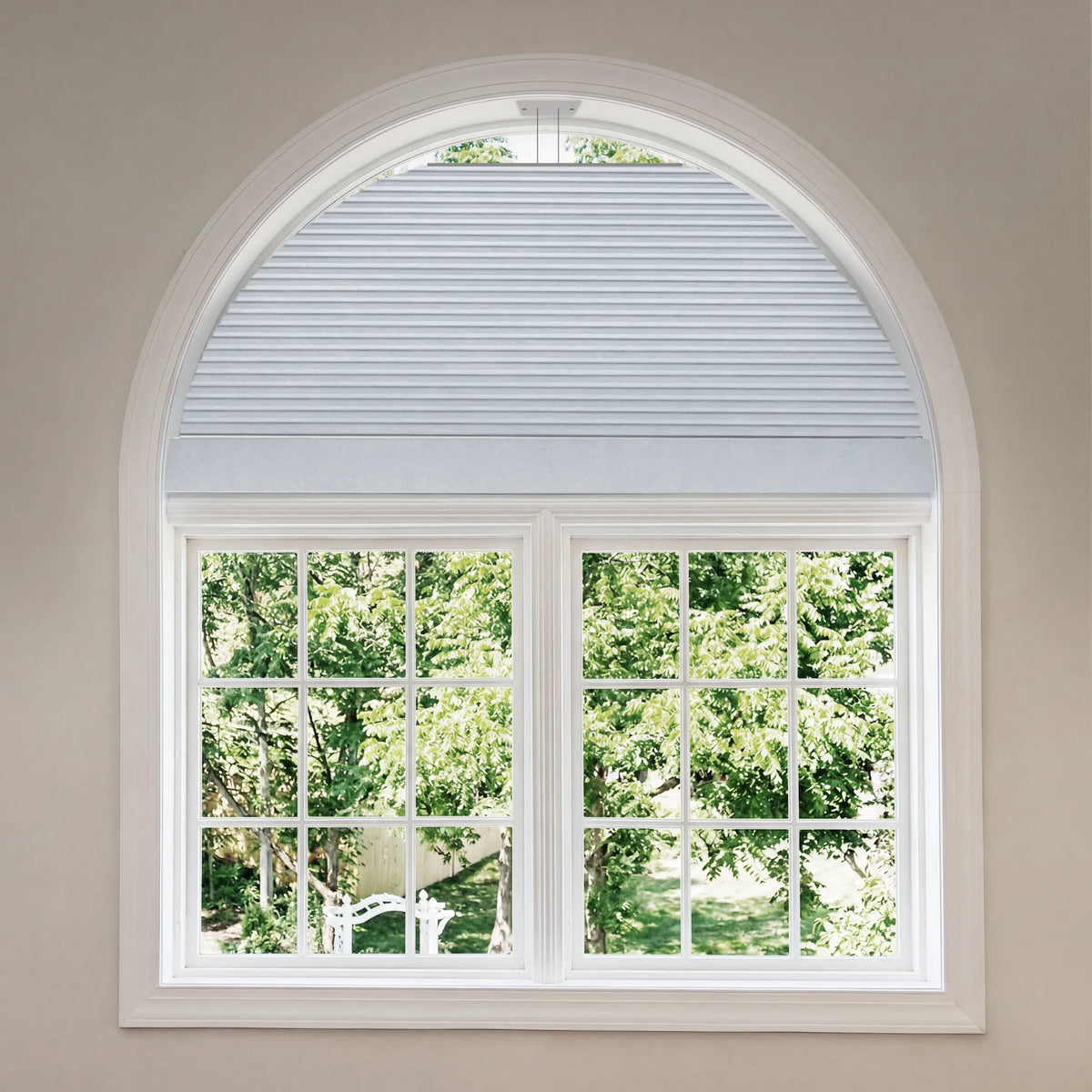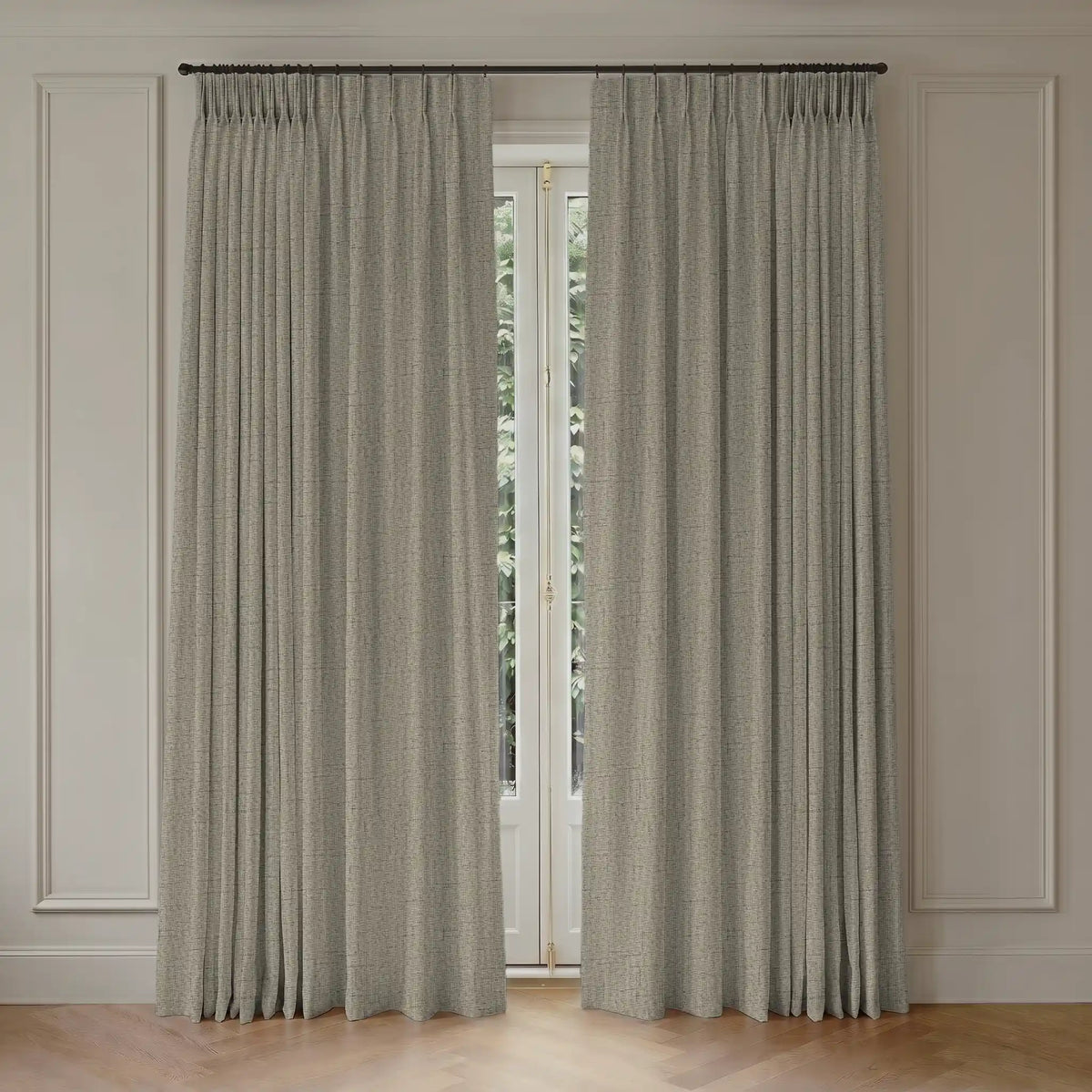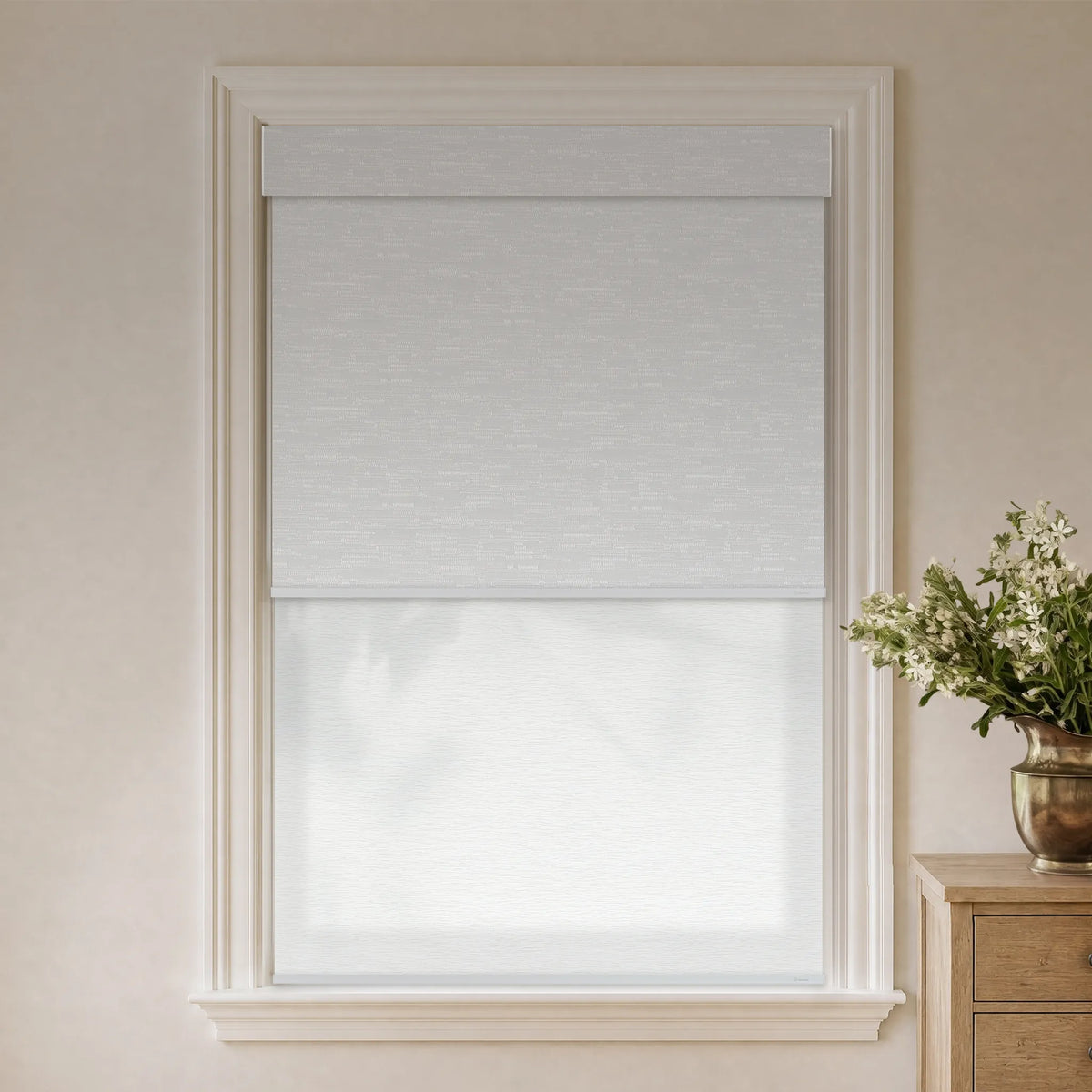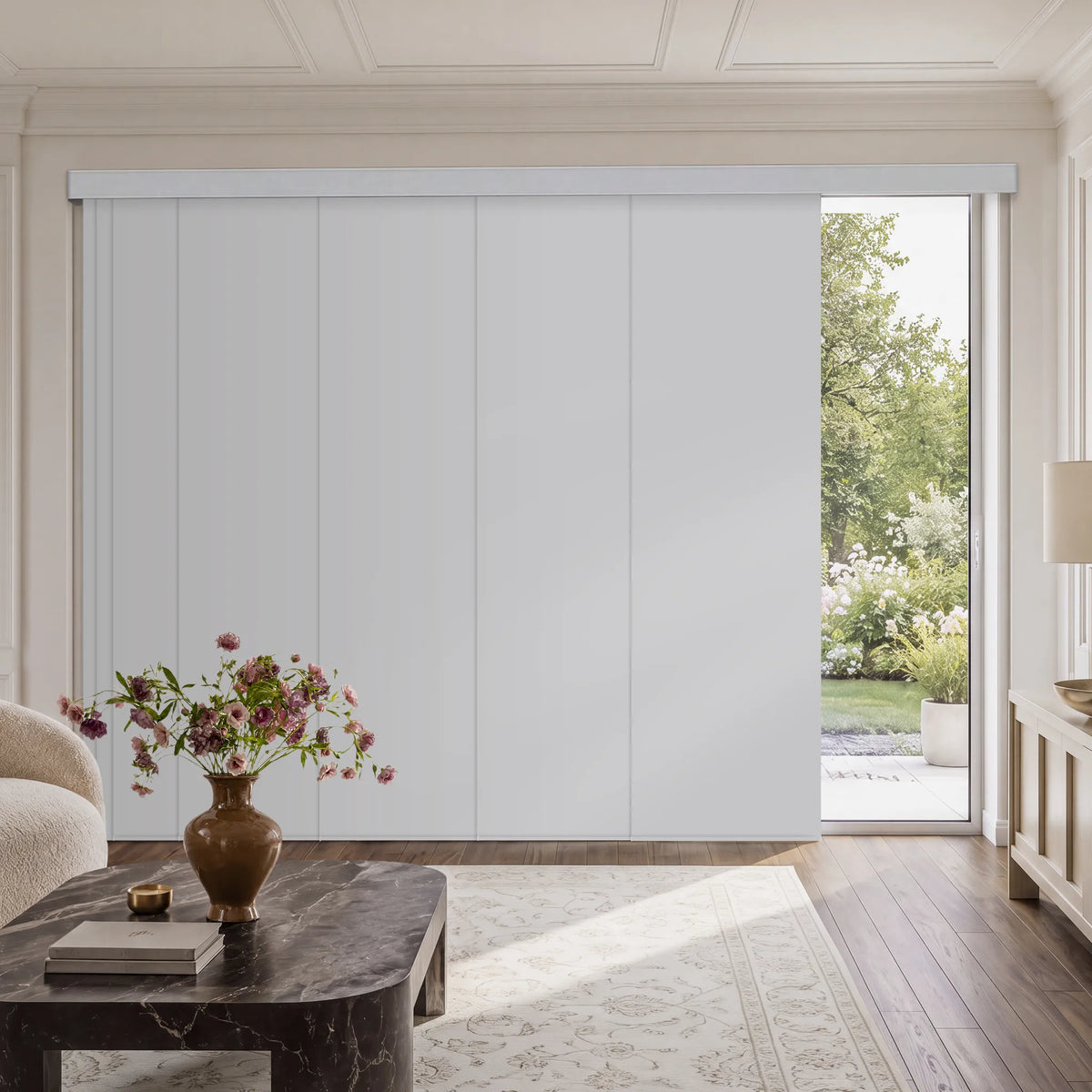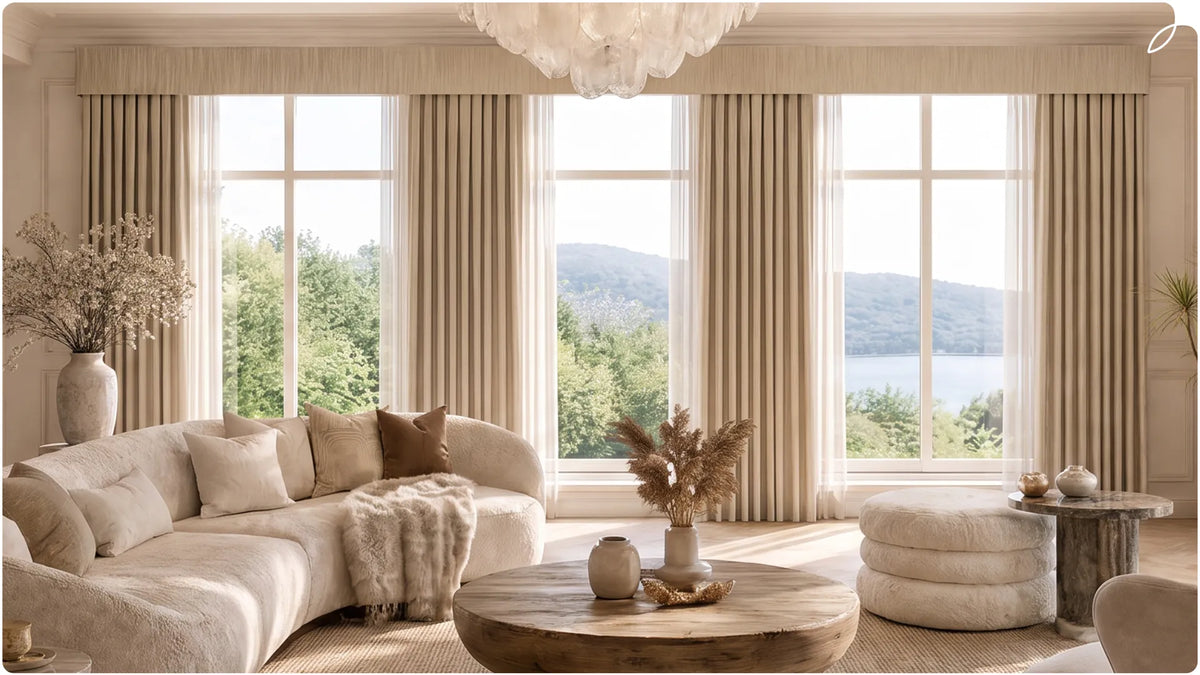
How long should curtains be? The answer depends on the hardware position, room use, and desired hem. Floor-length curtains create a clean vertical line, while apron curtains work above counters or furniture. A floating hem is easier to clean; floor-contact finishes need more upkeep. Standard curtain lengths such as 63, 84, 95 or 96, 108, and 120 inches are references, not rules. Measure from the installed support point to the endpoint you want.
Why Curtain Length Matters
Length changes both appearance and function. A high-mounted, full-length panel can make a window look taller; a short panel feels casual and clears an occupied wall. A straight drop appears tailored, a graze softens the edge, and a break or puddle creates relaxed folds. Floor-contact hems collect dust and pet hair and may obstruct vacuums, doors, or vents. Length supports light control, but opacity, lining, width, fullness, overlap, gaps, and hardware position also matter.

6 Curtain Length Options
Labels vary slightly among retailers and workrooms, so use the measurements as finish descriptions and confirm the seller's ordering instructions.
Apron Length
Apron curtains end at the bottom of the trim or roughly 1 to 4 inches below the sill. They suit windows above sinks, counters, radiators, desks, or seating. The fabric stays clear of the floor but adds less visual height.
Floating
A floating hem stops about 1/2 to 1 inch above the floor. It looks crisp, clears cleaning tools, and works around pets or busy doors. Measure several points on an uneven floor.
Floor Length
Floor-length curtains meet the floor without a deliberate fold. This tailored option works in most living rooms, bedrooms, dining rooms, and offices. Buy the next ready-made size above the measured drop and hem it rather than accepting a large gap.
Grazing
Grazing curtains skim the floor without a visible bend. The polished finish requires precise hardware placement. Rings, hooks, rugs, fabric relaxation, and uneven floors can turn a graze into a float or drag.
Break-Puddled
A break-puddled or slight-break finish adds about 1 to 2 inches, forming one relaxed bend. It suits quiet bedrooms, dining rooms, or sitting areas, but may need rearranging after the curtain moves.
Puddled
Puddled curtains leave visible fabric on the floor. Graywind's guide uses 6 to 10 inches of extra height for this option. It suits low-traffic rooms where folds stay arranged. Avoid moisture, pets, vents, busy doors, and frequent cleaning. See Should Curtains Puddle? The How and Why.

How to Measure Curtain Length Correctly
- Fix the hardware position. Mark the final rod or track height before measuring.
- Identify the attachment point. Measure from the ring, hook, grommet, rod pocket, or track carrier that actually supports the curtain.
- Choose the endpoint. Decide whether the hem will be apron, floating, floor length, grazing, break-puddled, or puddled.
- Measure the full drop. Use a steel tape and measure to the finished floor or permanent rug surface.
- Check three points. Record the left, center, and right drops to catch uneven floors or hardware.
- Apply the finish adjustment once. Subtract the floating clearance or add the break or puddle allowance, then follow the seller's header instructions.
- Repeat for every opening. Similar-looking windows can have different measurements.
For example, if the hook-to-floor drop is 93.75 inches, a 0.5-inch float needs a 93.25-inch finished curtain. A 1.5-inch slight break needs 95.25 inches. If only 84- and 96-inch ready-made panels are available, the 96-inch panel can be hemmed; the 84-inch panel cannot reach the intended floor-level finish.
Standard Curtain Lengths Reference
|
Panel length |
Common use |
Check before buying |
|
63 inches |
Apron or short treatment |
Sill, counter, radiator, or furniture clearance |
|
84 inches |
Lower-mounted hardware |
Often too short for high mounting under an 8-foot ceiling |
|
95 or 96 inches |
Many high-mounted 8-foot rooms |
Attachment point, header take-up, and hemming |
|
108 inches |
Many high-mounted 9-foot rooms |
Rings, molding, and floor clearance |
|
120 inches |
Many high-mounted 10-foot rooms |
Hemming or an intentional floor finish |
84-Inch vs 96-Inch Curtains for an 8-Foot Ceiling
An 8-foot ceiling is 96 inches high, but ceiling height alone does not select the curtain. Near-ceiling hardware usually makes an 84-inch panel end above the floor. A 95- or 96-inch panel can reach a floor-level finish and be hemmed. Lower hardware may suit 84 inches. Measure the installed attachment point to the desired hem.

Common Curtain Length Mistakes to Avoid
- Buying by ceiling height alone. Hardware, rings, molding, and the desired hem change the required drop.
- Measuring the window. Measure from the final support point to the final endpoint, not from the window frame.
- Defaulting to 84 inches. A familiar package size may look visibly short when mounted high.
- Ignoring header take-up. Hooks, grommets, rings, and tracks position the fabric differently.
- Measuring only once. Check left, center, and right before choosing a precision finish.
- Adding extra fabric just in case. An accidental drag is not an intentional puddle.
- Forgetting daily use. Doors, pets, vents, and cleaning routines should narrow the options.
- Expecting length to deliver blackout. Coverage, fabric, lining, width, fullness, and gaps work together.
Why Consider Graywind Custom Curtains
Ready-made panels work when the drop matches a stocked length or hemming is practical. Graywind custom curtains use the dimensions submitted during ordering, helping when a window falls between sizes. Follow the Curtains & Drapes Measuring Guide for the selected hardware.
The Custom Curtains includes blackout, room-darkening, light-filtering, and sheer choices for tracks or rods. Graywind states that 2x fullness is included. Still plan the covered span, stack-back, opening direction, and length.
For motorized curtains or wide doors, floating or floor length is more practical than a puddle. Compare options in the Curtain Styling Guide and order fabric swatches before choosing color or texture.
Choose the finish, fix the hardware, and measure to the hem. Use apron length where the wall must stay clear, floating curtains in active rooms, and floor length or grazing for a tailored look. If the drop falls between sizes, buy longer and hem it or order custom.