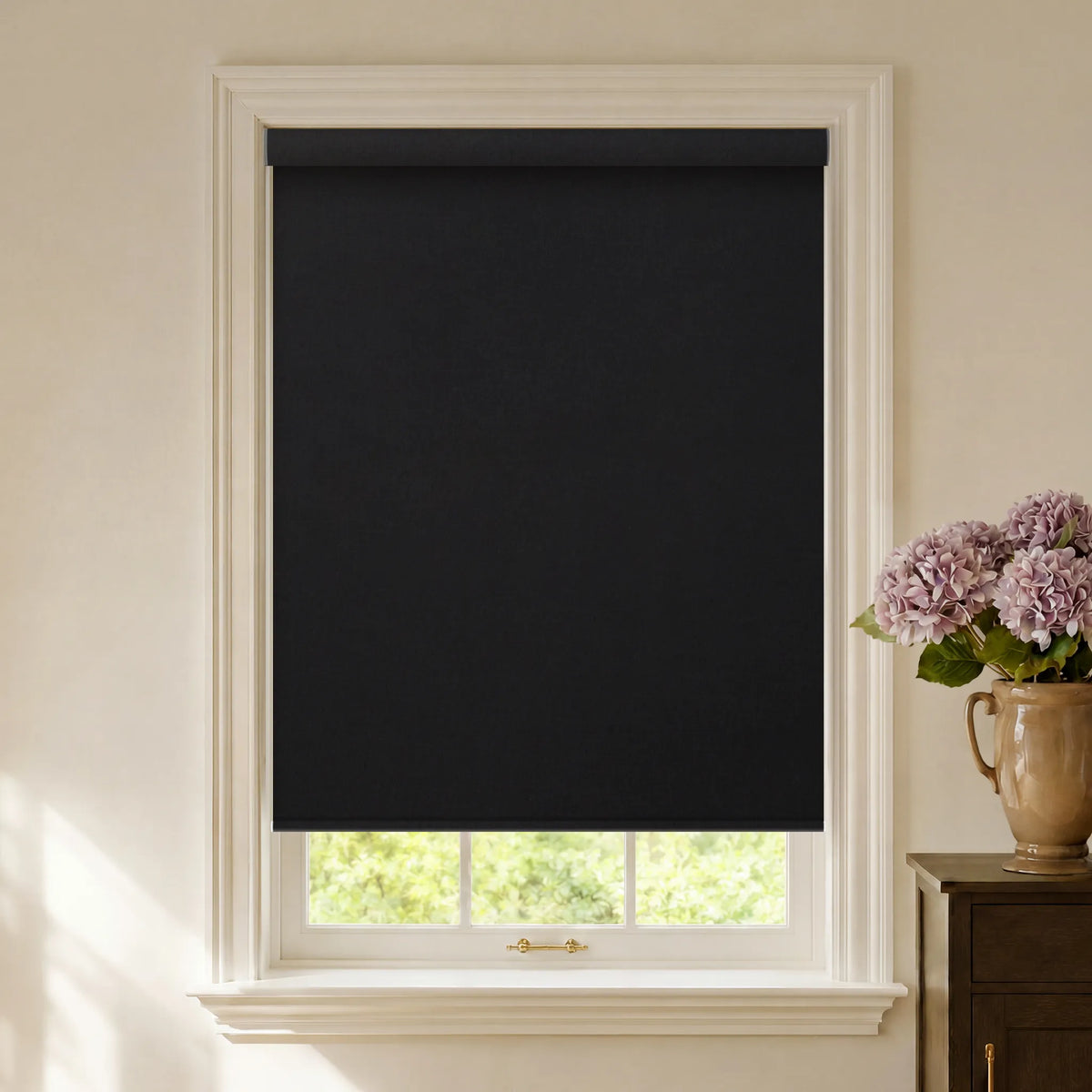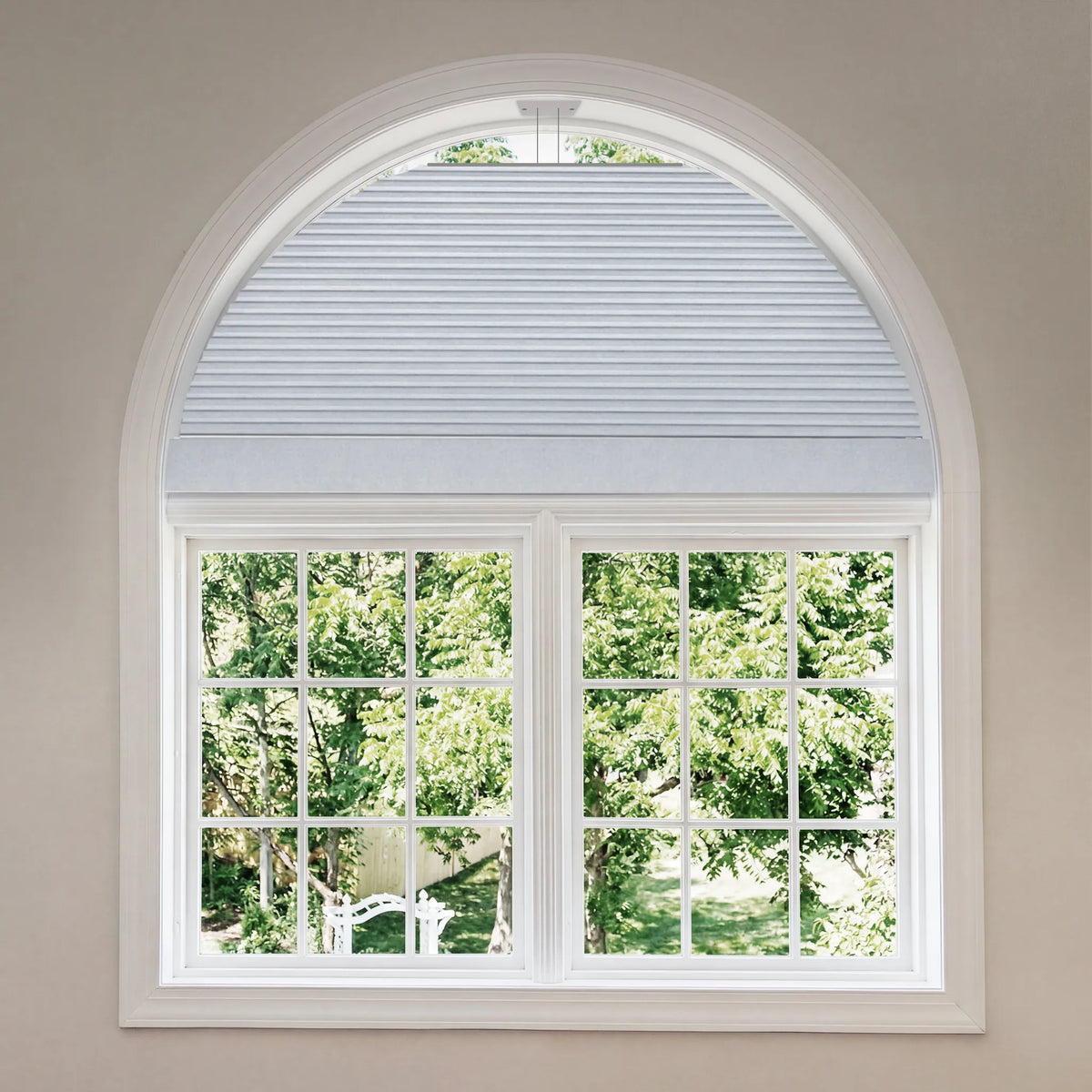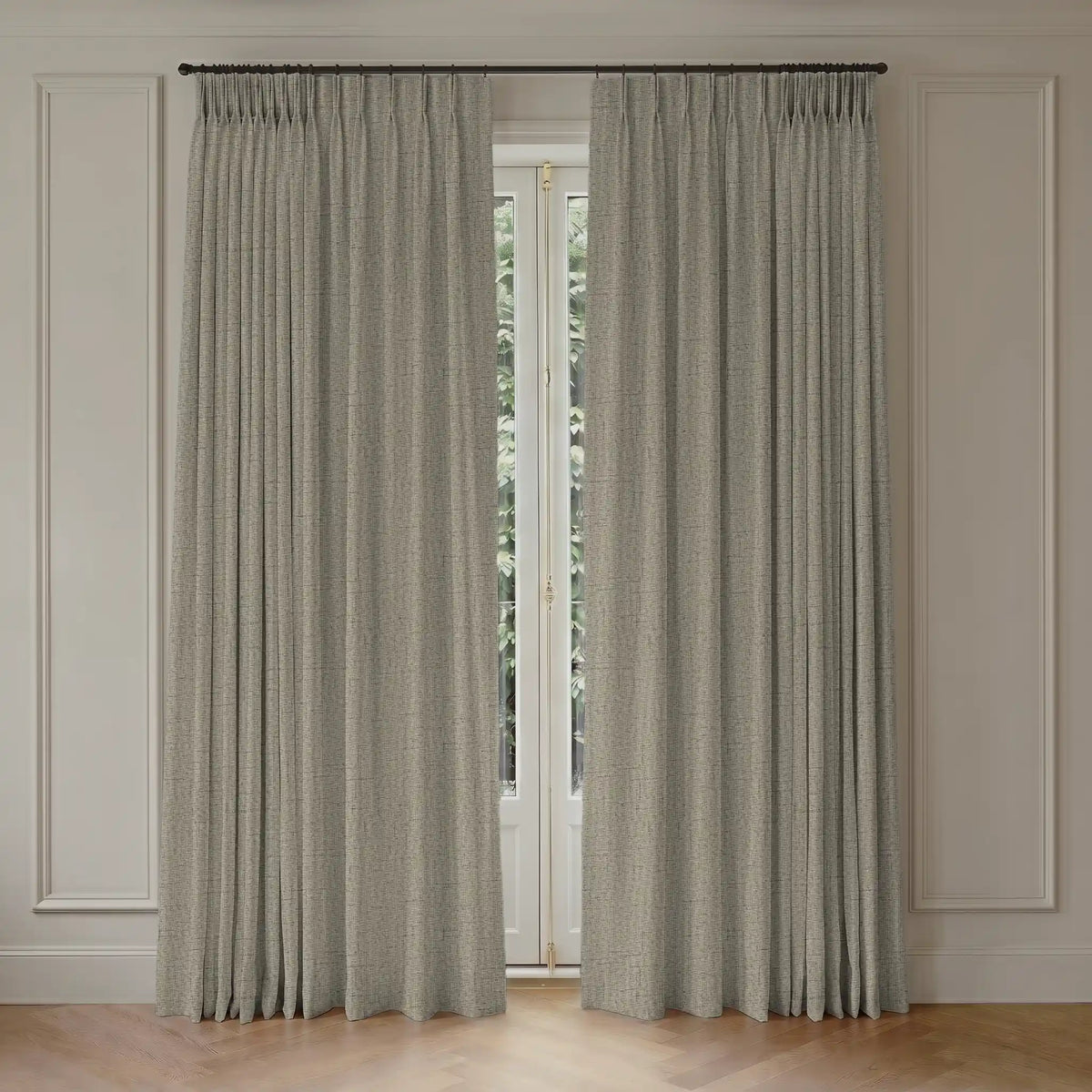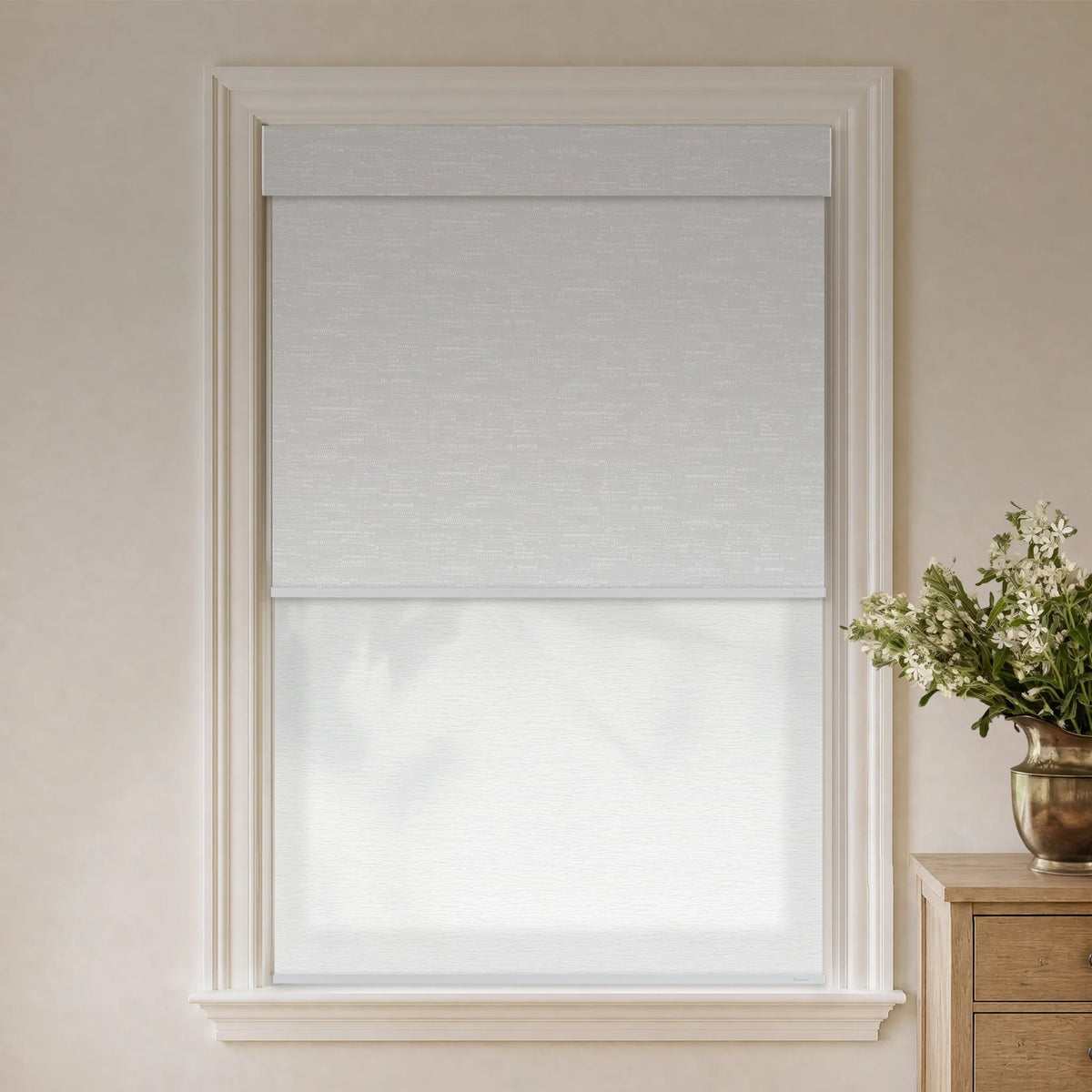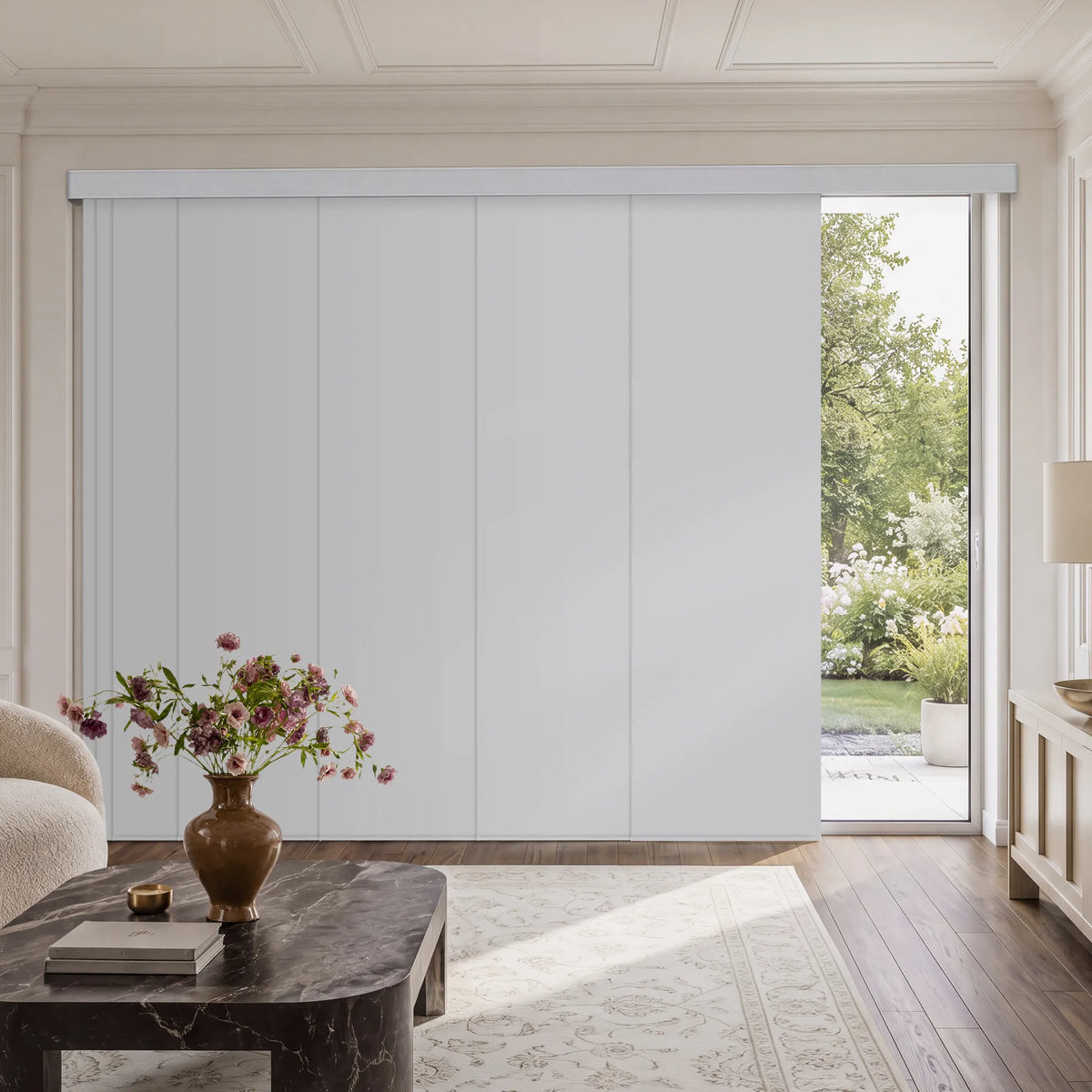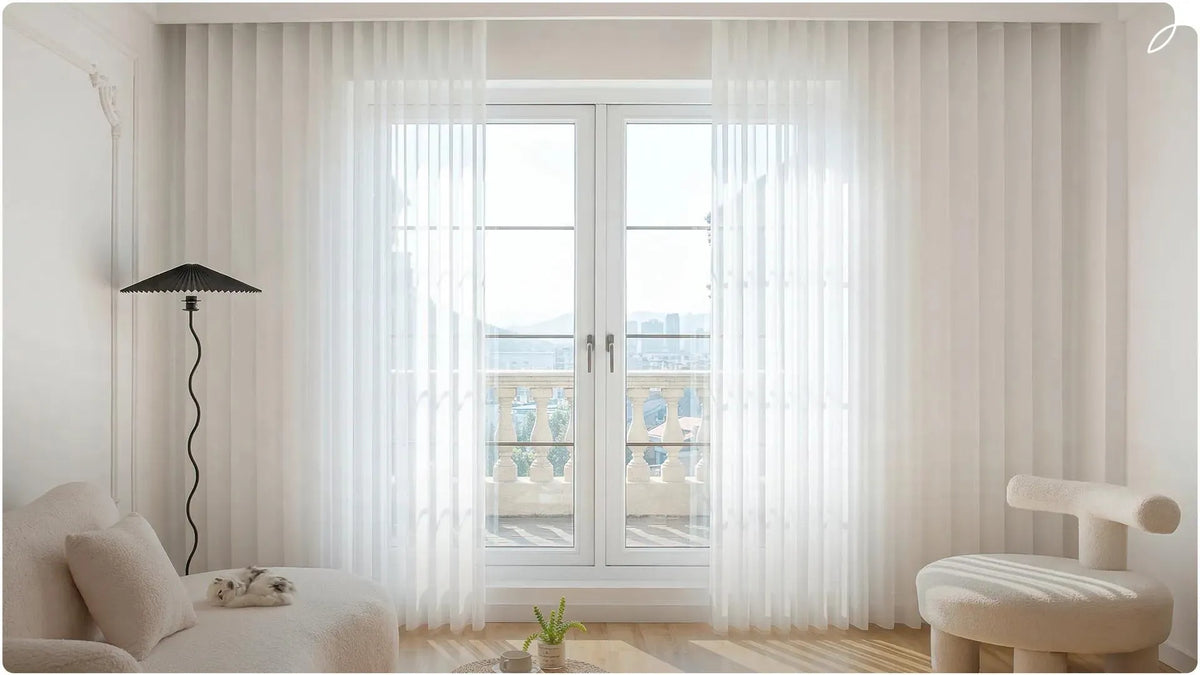
Yes, you can hang blinds outside window frame. An outside mount attaches the headrail to the wall or trim above the window opening rather than inside the recess. It can be the right solution when the frame is too shallow for the selected product, handles or cranks obstruct the recess, or you want more coverage around the glass.
This guide explains why homeowners choose outside mounts, how they compare with inside mounts, and how to measure correctly. You will also learn how Graywind custom window treatments can support a precise fit.
Why Consider Hanging Blinds Outside Window Frame?
Many homeowners assume blinds must sit inside the window casing. However, outside mount blinds are installed on the wall or trim above and around the opening. Common reasons include:
- Insufficient recess depth: Inside mount requirements vary by product. If the recess does not meet the selected shade's minimum depth, an outside mount may work better. Inward-opening windows, cranks, and other obstructions can also prevent an inside installation.
- More usable daylight: When an outside mounted shade is raised and positioned above the opening, more of the glass can remain uncovered.
- Greater coverage and insulation: Added overlap can reduce edge light gaps, improve privacy, and limit exposed window area. Thermal performance still depends on the product, fabric, fit, and gaps.
- Concealed trim: An outside mount can cover cracked, uneven, or dated trim.
- Specialty applications: Sliding patio doors, garage windows, sunrooms, and sidelights may not provide a suitable recess.

Inside Mount vs Outside Mount: A Quick Comparison
|
Feature |
Inside Mount |
Outside Mount |
|
Space required |
Minimum 1.5–2 inches of depth |
No depth needed; uses wall space |
|
Light leakage |
Minor gaps on sides |
Minimal to none (if measured correctly) |
|
Visual effect |
Clean, recessed look |
Makes window appear larger/taller |
|
Installation difficulty |
Moderate (requires precise fit) |
Easier (forgiving with measurements) |
|
Best for |
New, square windows with deep frames |
Shallow frames, obstructions, full blackout |
Key takeaway: Choose an outside mount when recess depth is limited, you want to conceal trim, or increased overlap better suits your light-control and privacy goals.
When Is Outside Mount the Right Choice?
According to Graywind's Measuring Guide, consider an outside mount when:
- The recess does not meet the selected product's depth requirement.
- You want to conceal unattractive trim or imperfections.
- Greater fabric overlap is important for light control or privacy.
- The window frame is unsuitable for drilling, but the surrounding wall or trim provides a secure mounting surface.
- You want the window to appear larger or taller.
- You want the raised shade or blind stack to clear more of the opening.
Which Blind Types Work Best for Outside Mount?
Most window treatments can use an outside mount when the mounting surface and hardware are suitable.
|
Product Type |
Why It Works for Outside Mount |
|
Excellent insulation; seals against wall for energy efficiency |
|
|
Low profile; available in blackout fabrics |
|
|
Adds softness to large windows; hides trim well |
|
|
Ideal for patio doors; stack can sit completely outside opening |
|
|
Great for adjustable light control and modern aesthetics |

How to Measure for an Outside Mount
1. Check Mounting Space
Decide whether the treatment will mount on the trim or above it. Confirm that the surface is flat, secure, and large enough for the brackets and headrail. Check the selected product's mounting requirements before ordering.
2. Measure the Width
Measure from the outer edges of the window frame or trim. For better coverage, Graywind recommends adding 2 to 6 inches total, or 1 to 3 inches on each side. The adjusted measurement becomes the ordering width.
For vertical blinds, panel track blinds, and sheer vertical blinds, also consider the stack when the treatment is fully open. Add enough width if you want the stack to sit completely outside the window opening.
3. Measure the Height
Measure from the top outer edge of the frame to the bottom outer edge. For best results, Graywind recommends installing the treatment at least 3 inches above the window, subject to the selected product's mounting requirements.
The total shade height includes the headrail.