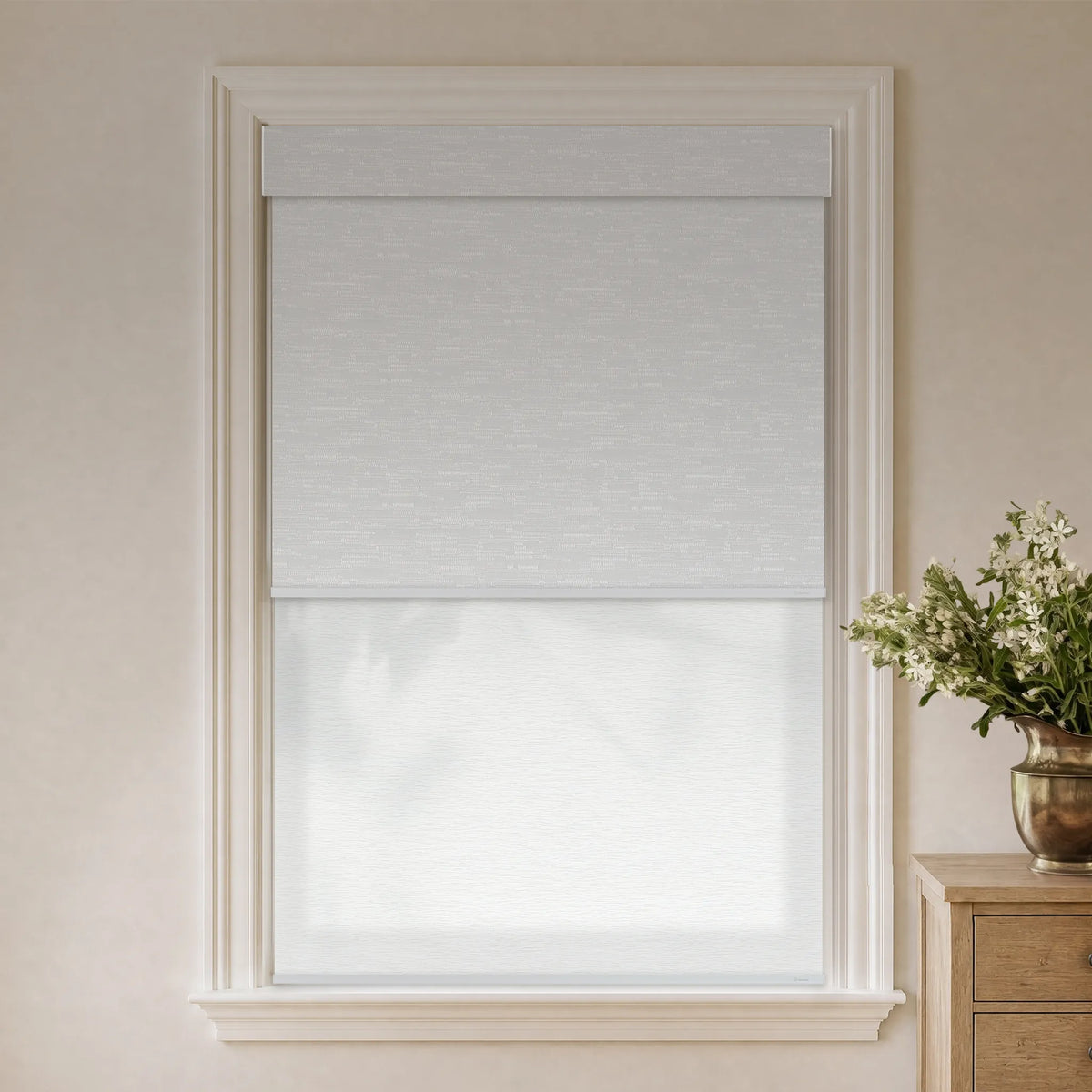
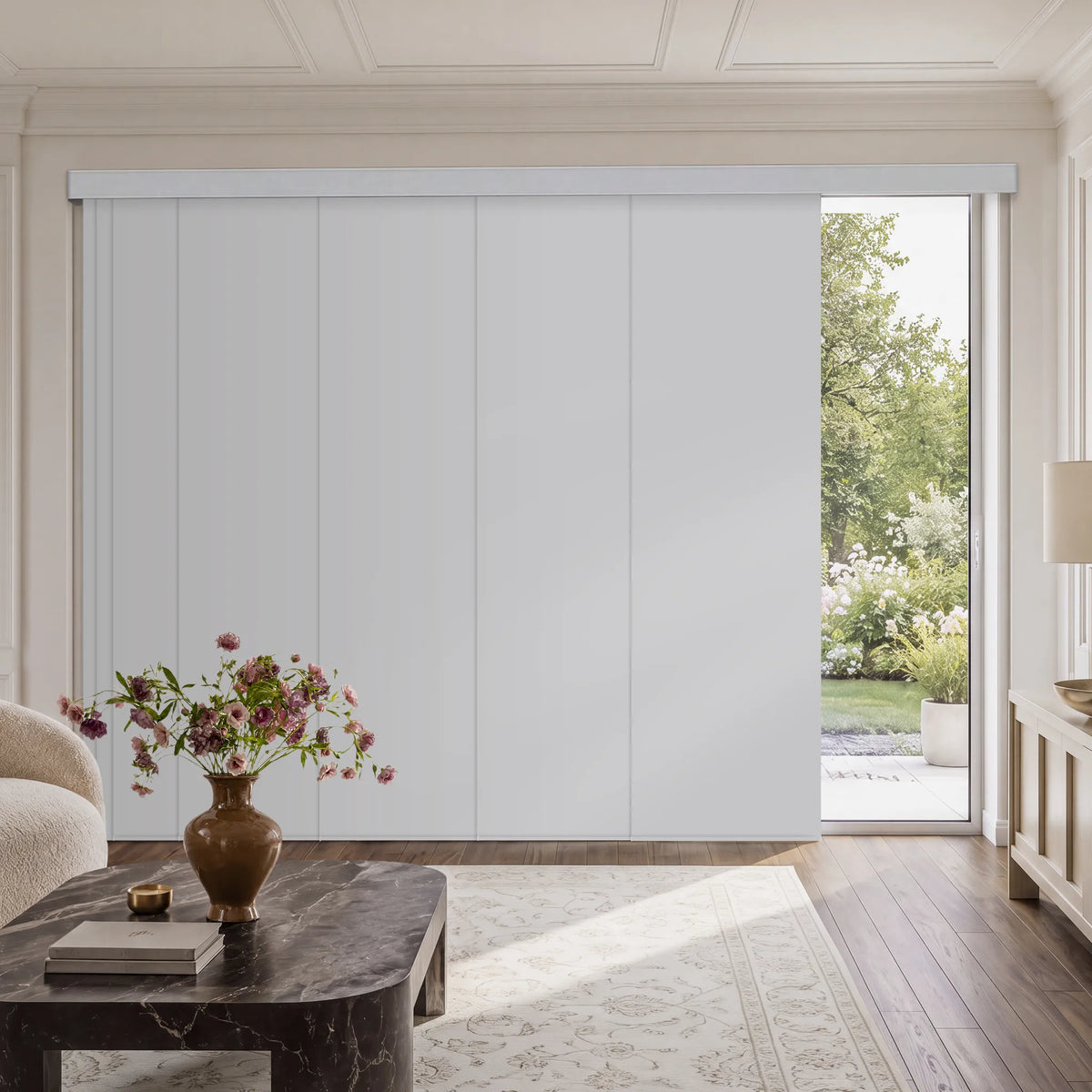
Graywind Motorized Dual Shades | Roller x Zebra


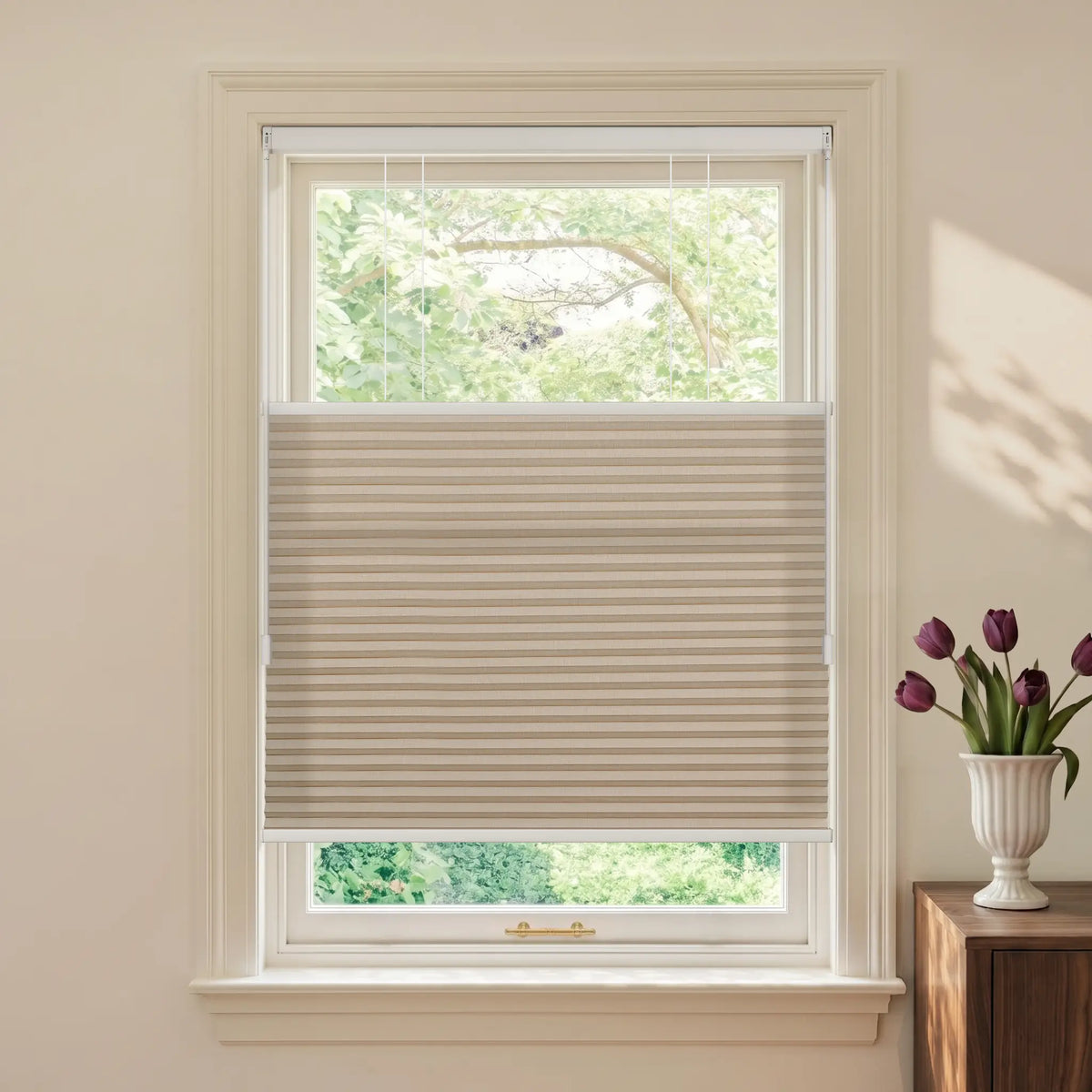
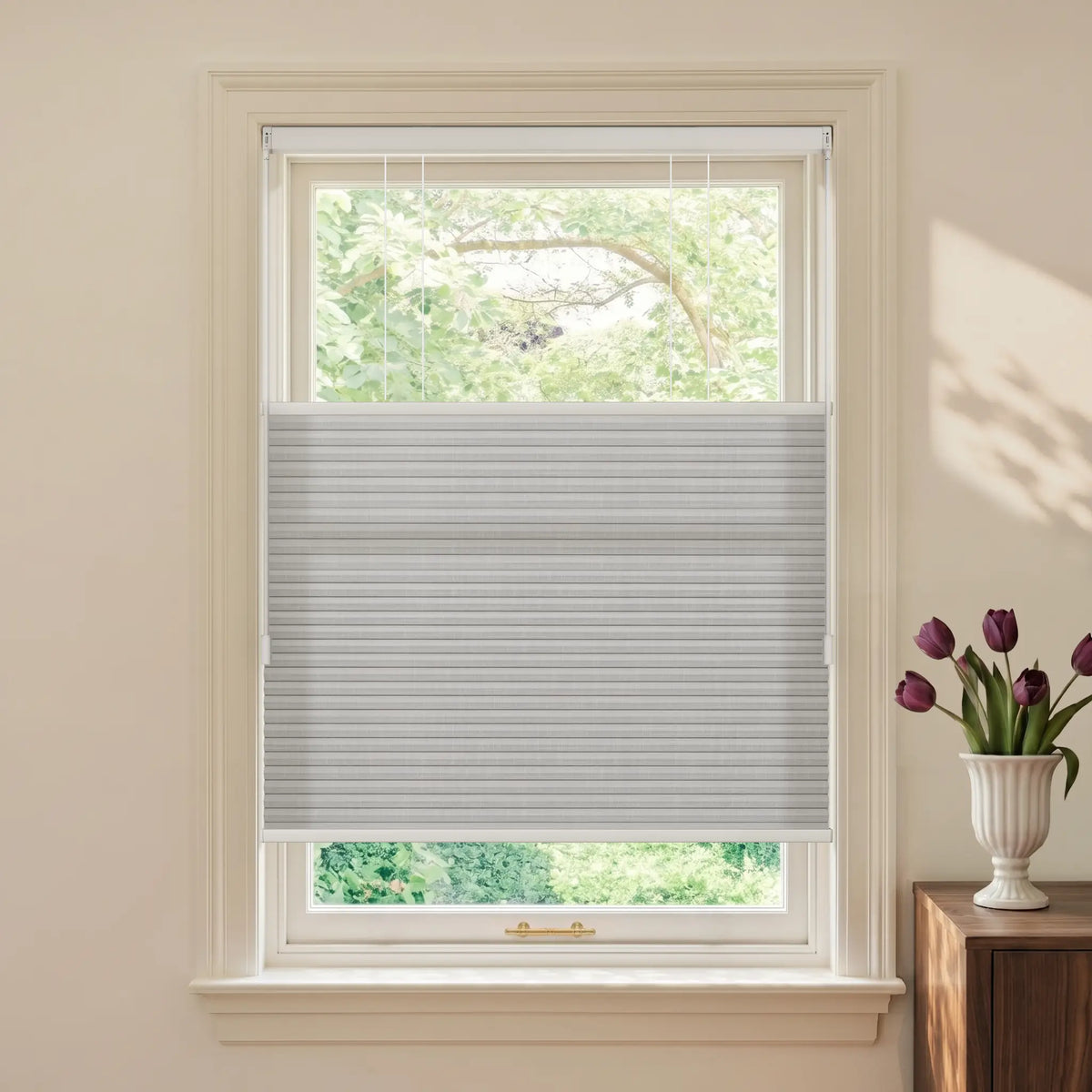
Graywind x Motionblinds Motorized Top Down Bottom Up Cellular Shades|Premium Fabric
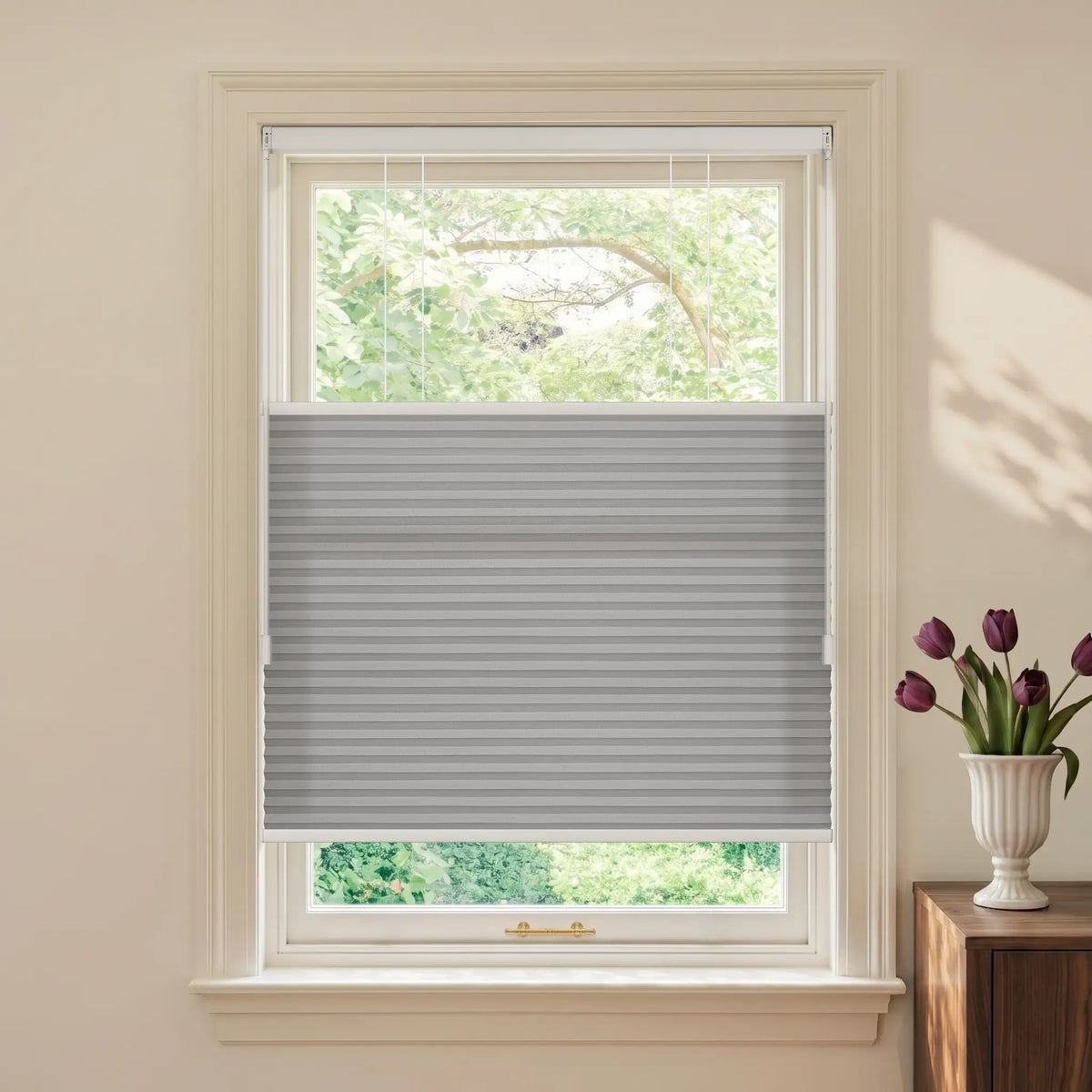
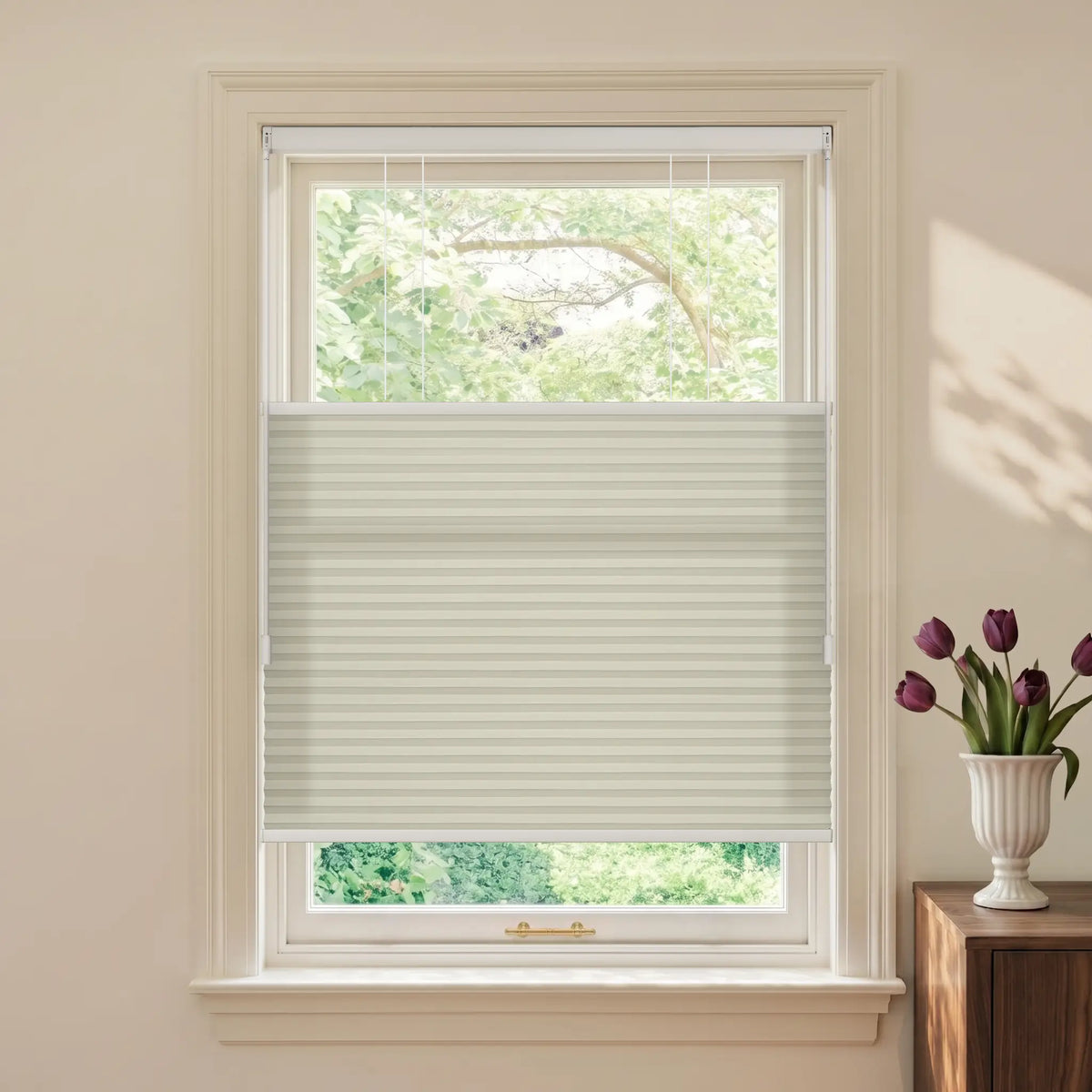
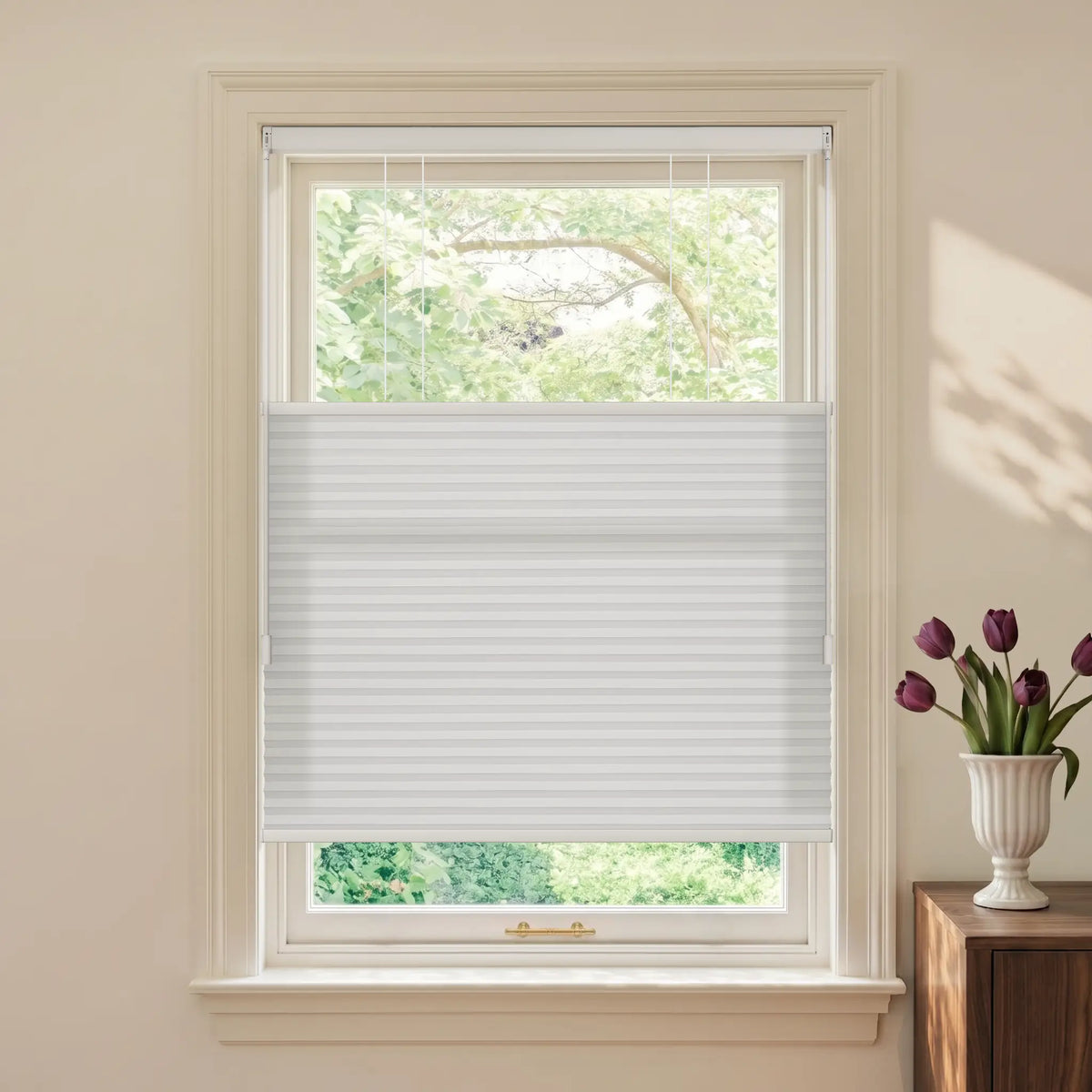


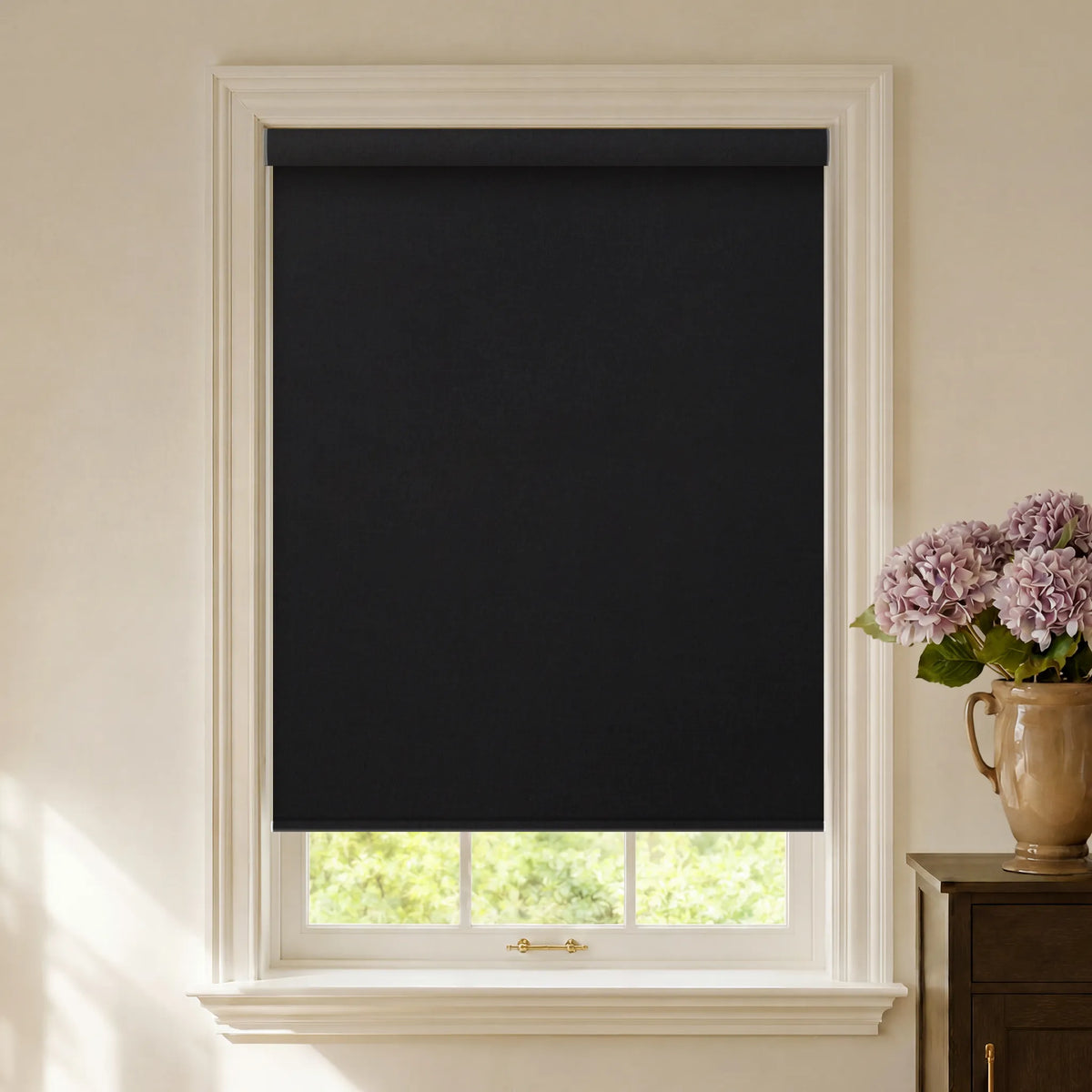
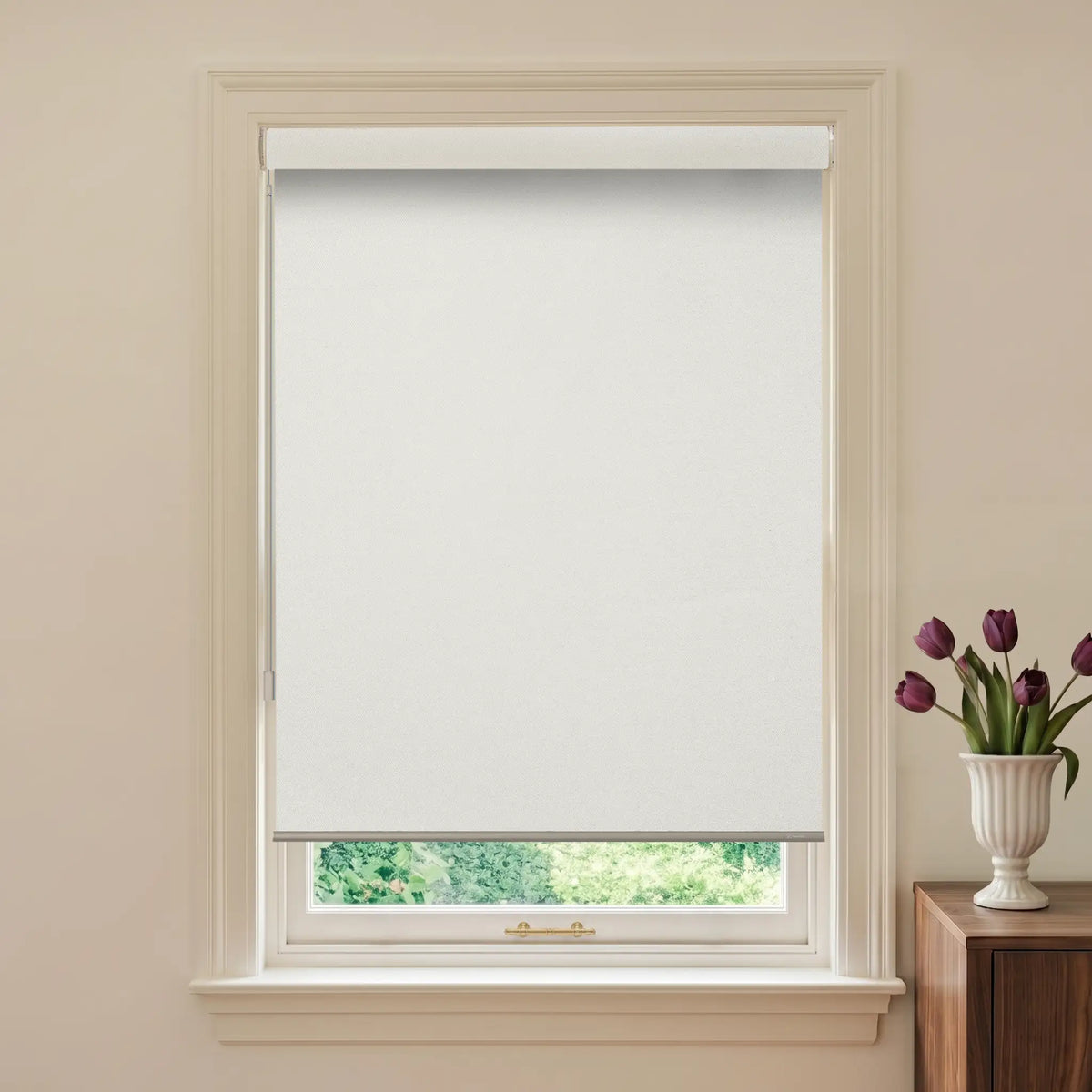
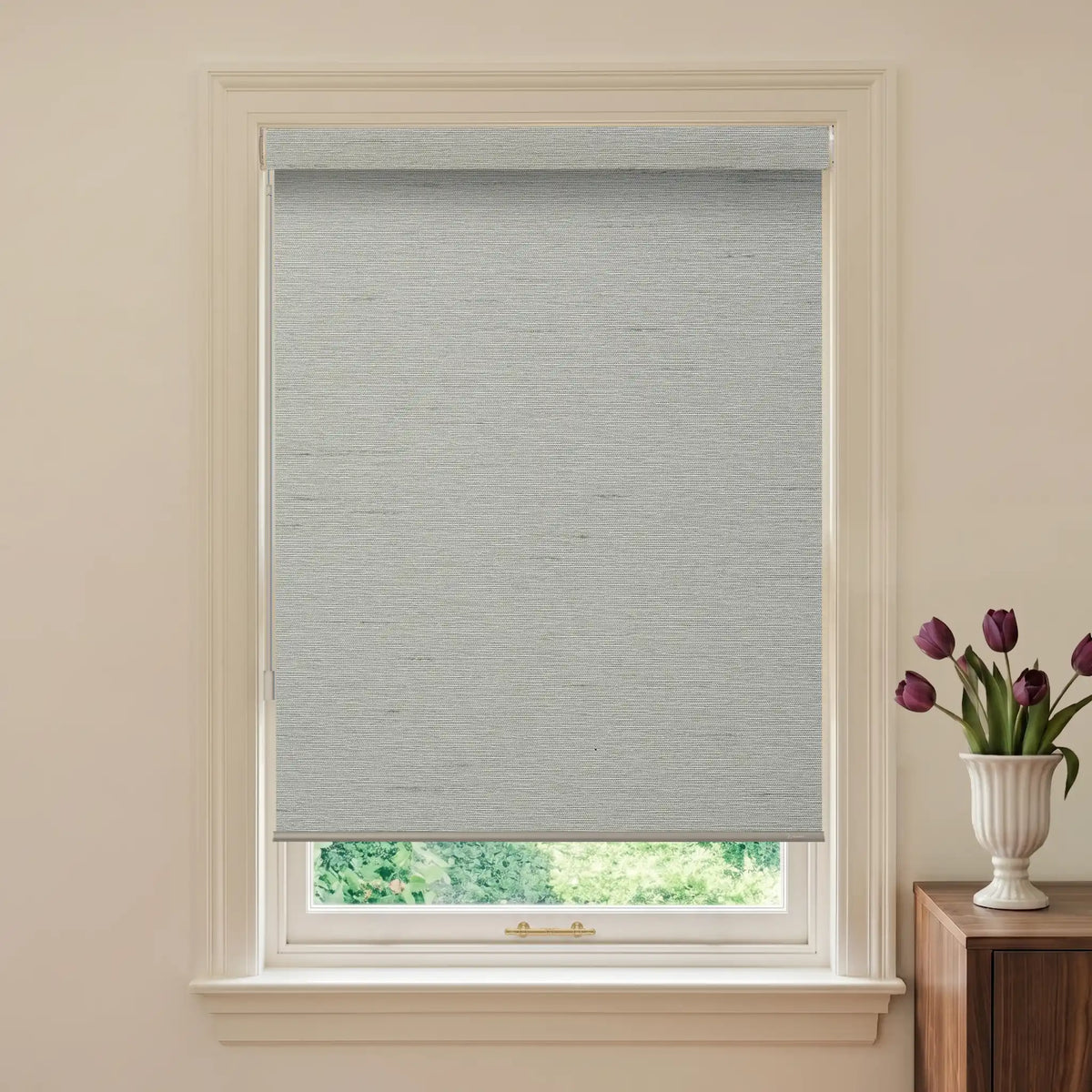
Graywind x Motionblinds Blackout Roller Shades Matter Supported | Premium Fabric
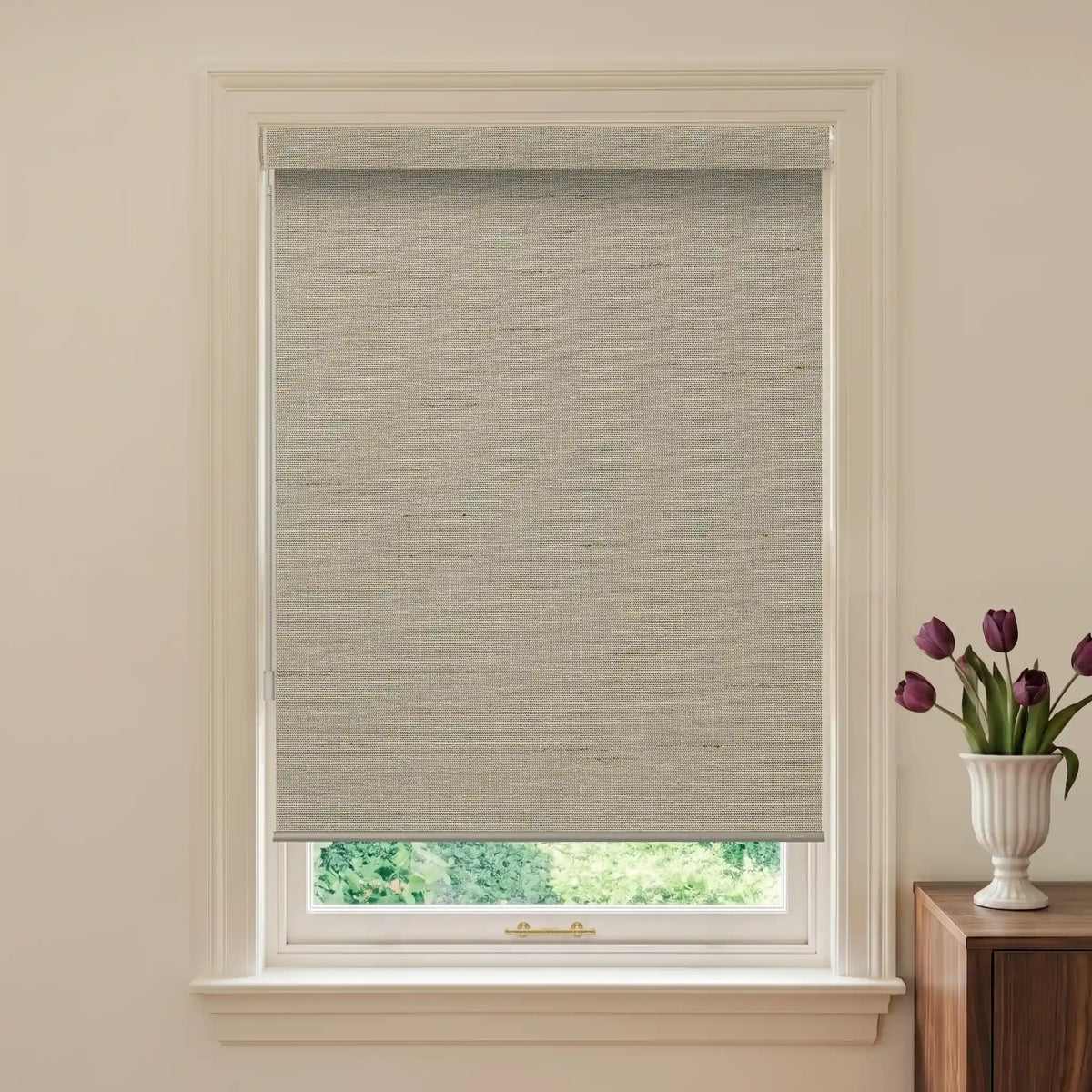
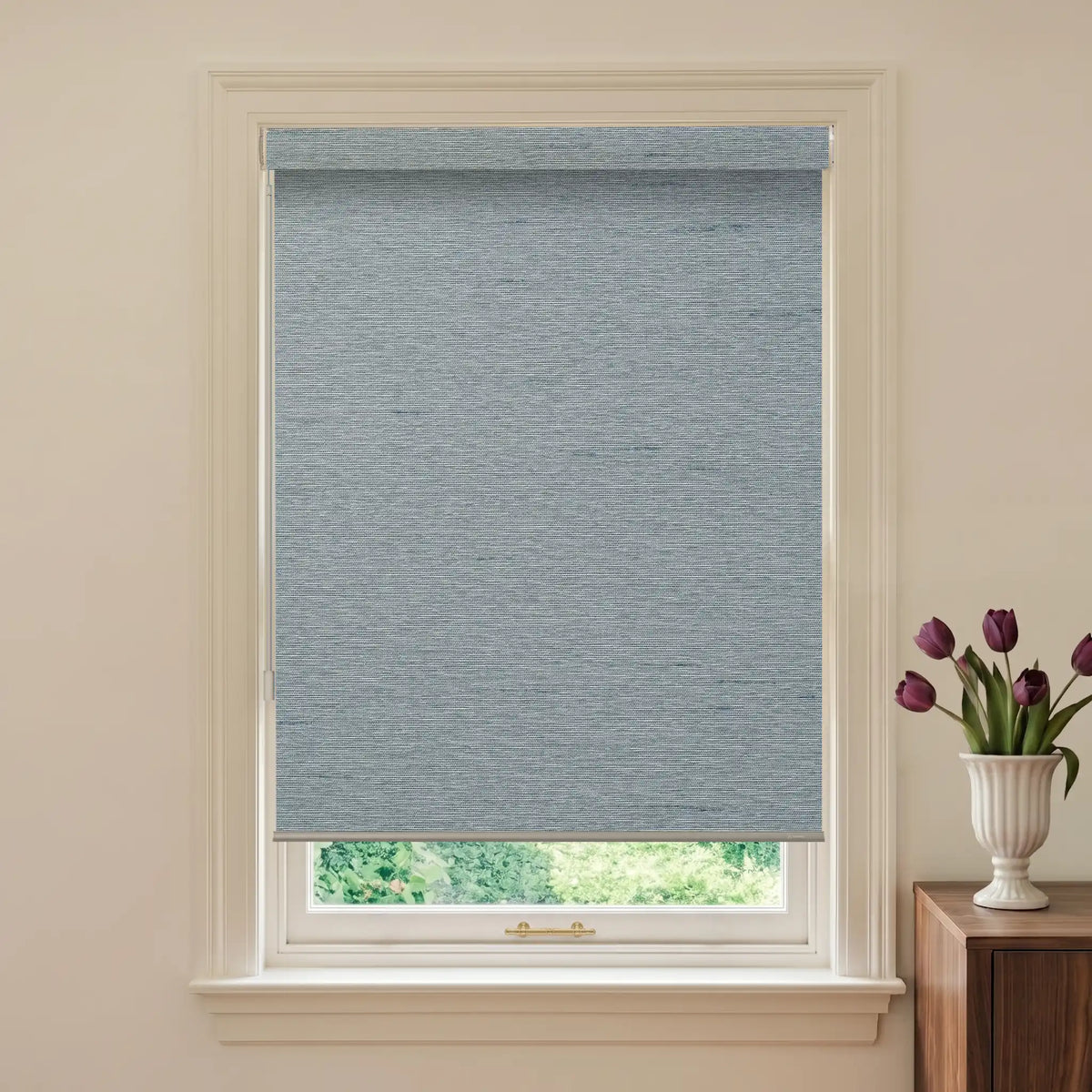
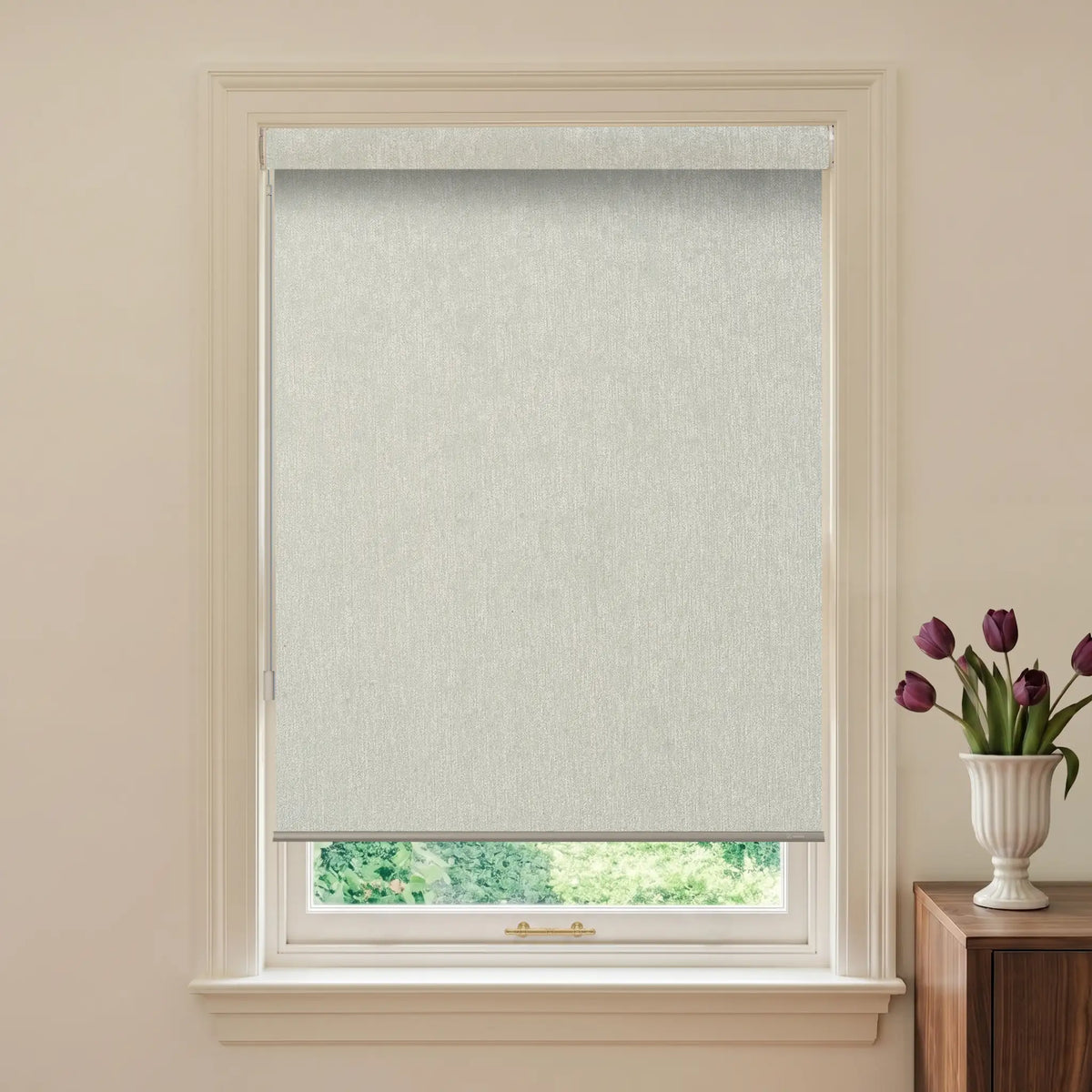


Graywind x Motionblinds Motorized Day Night Cellular Shades |Premium Fabric
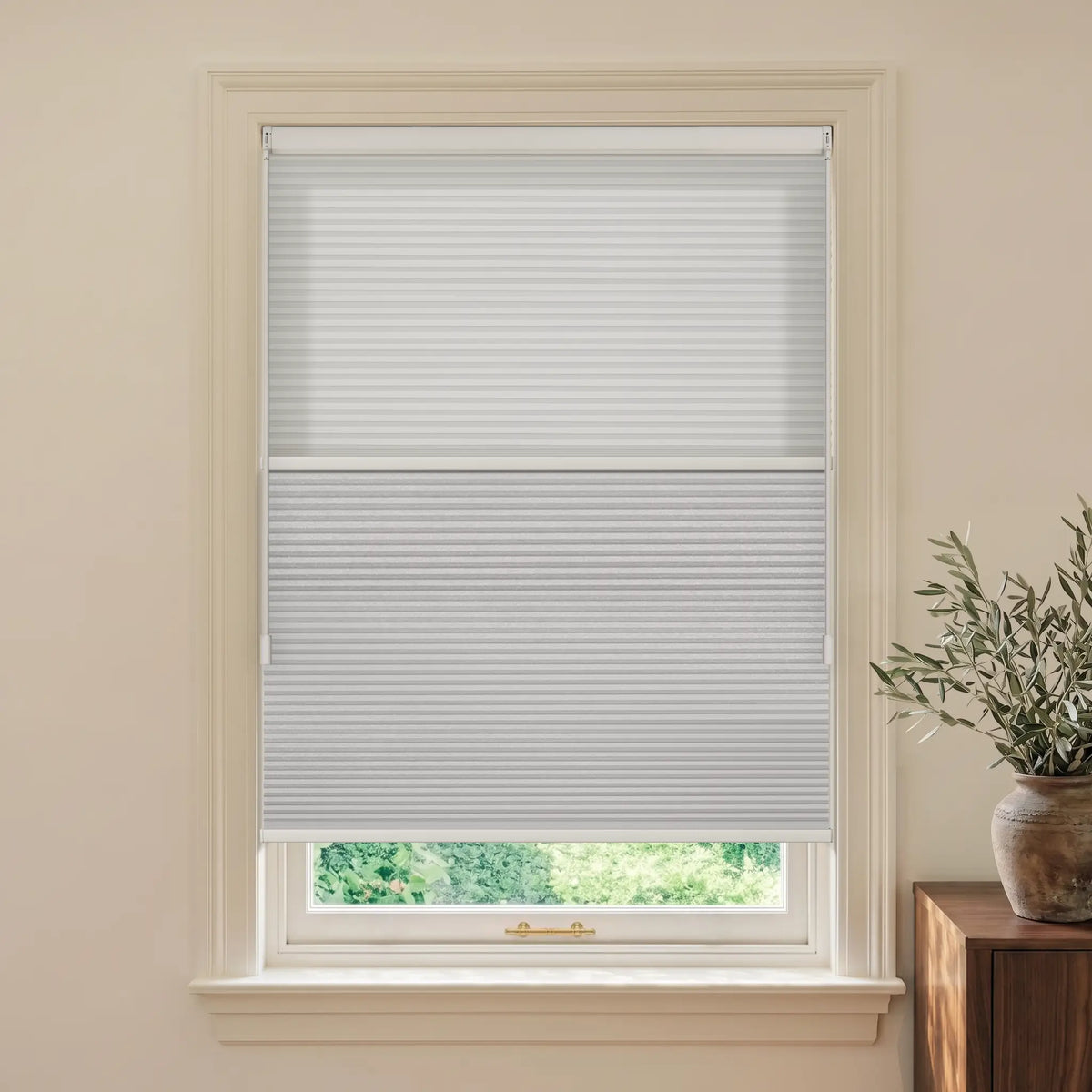
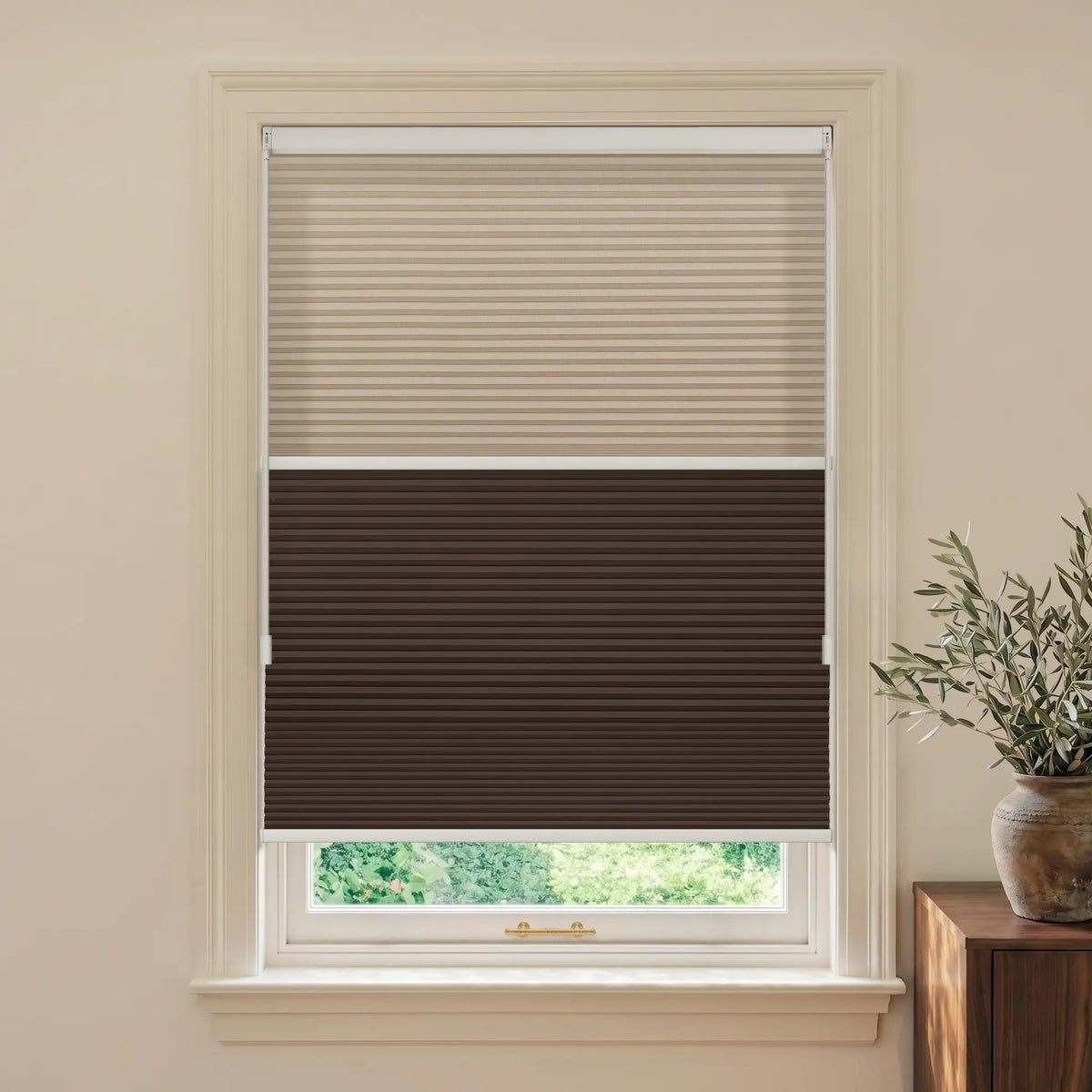
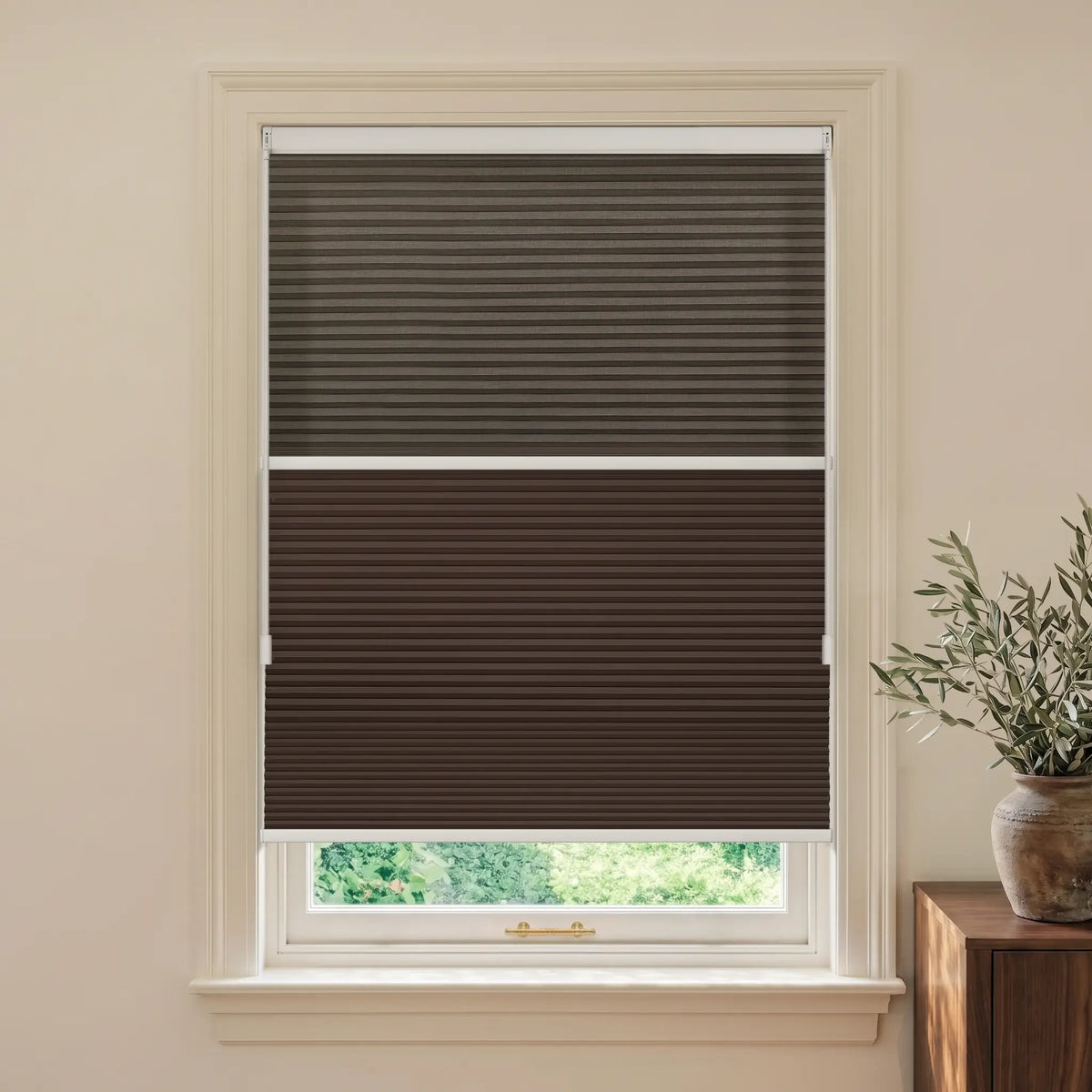
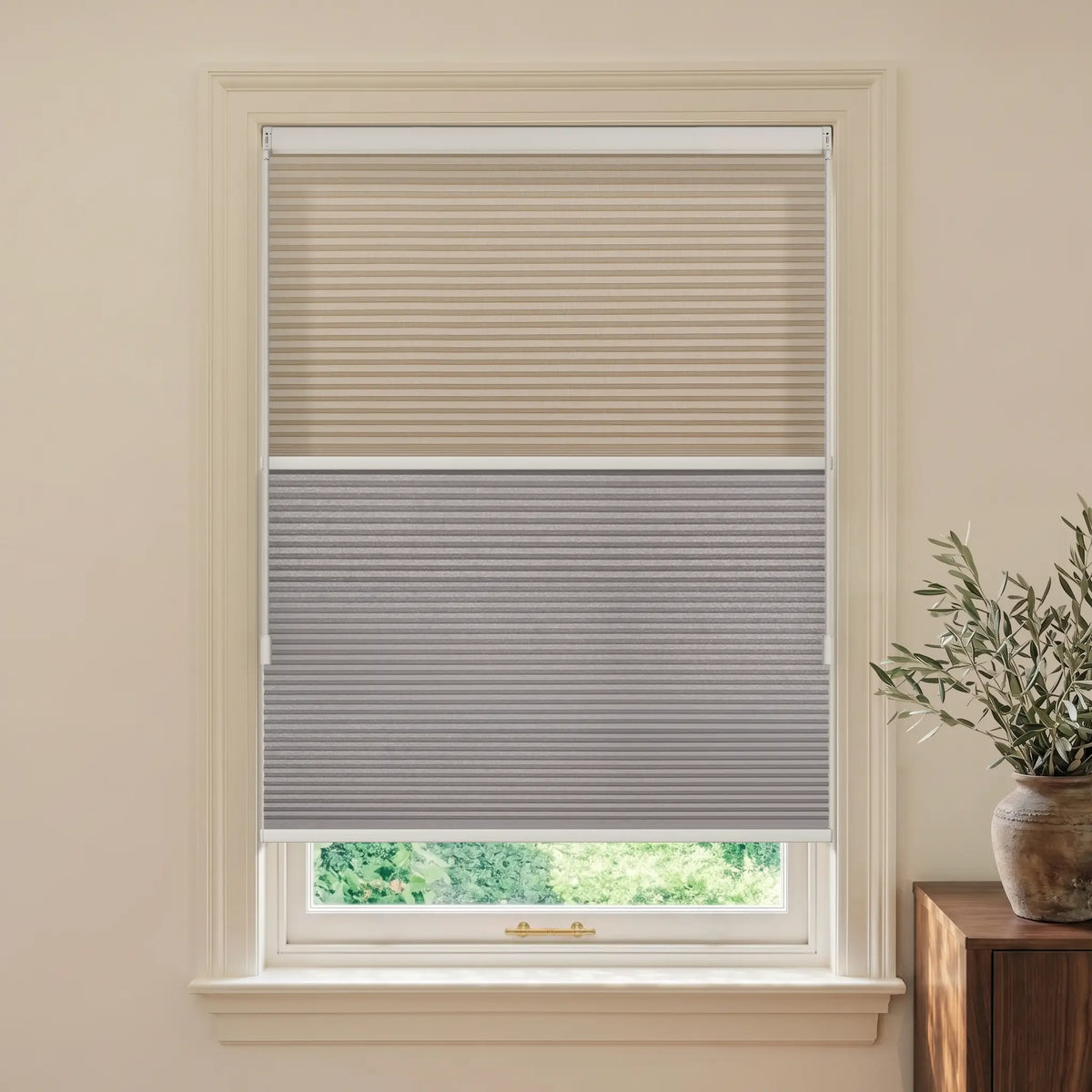
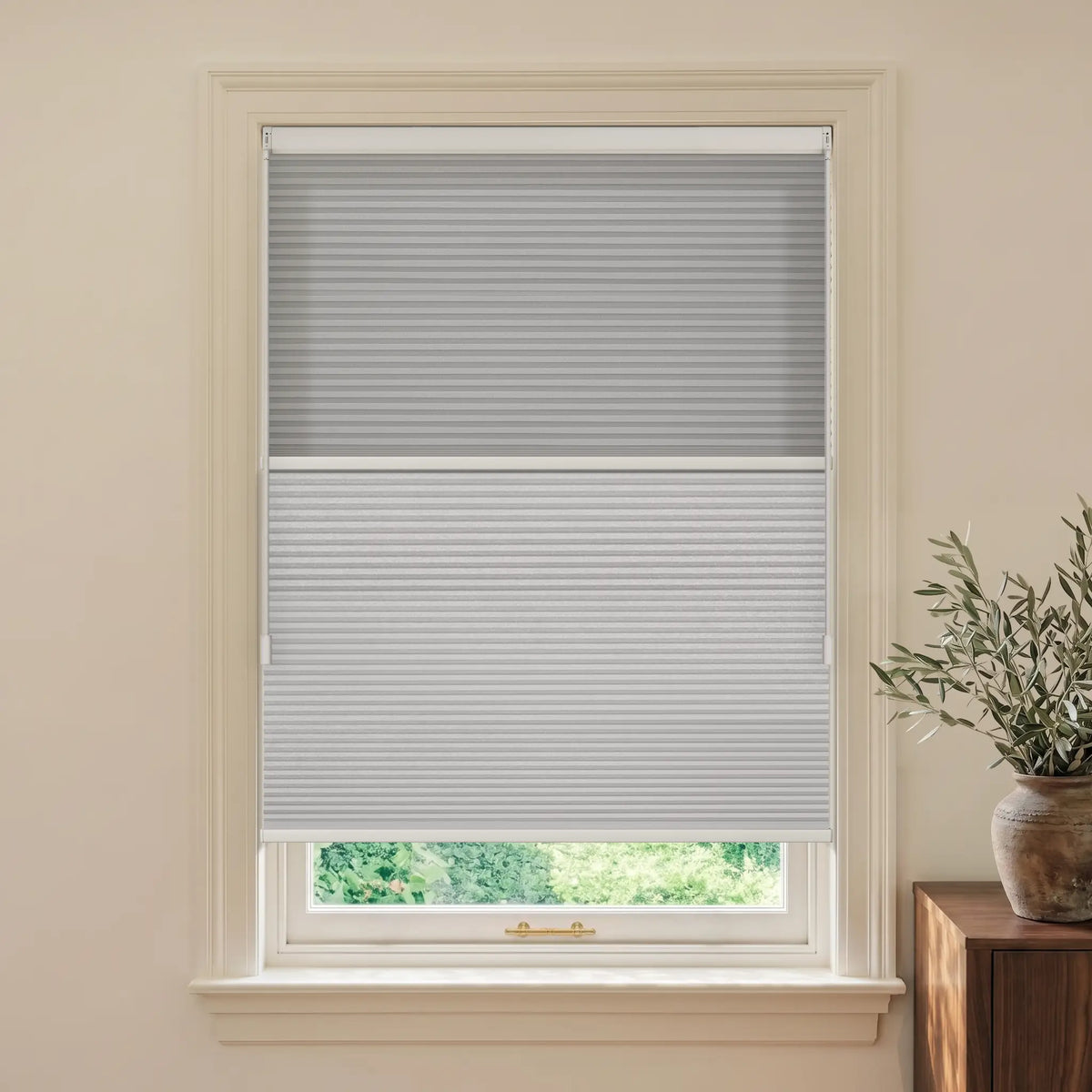


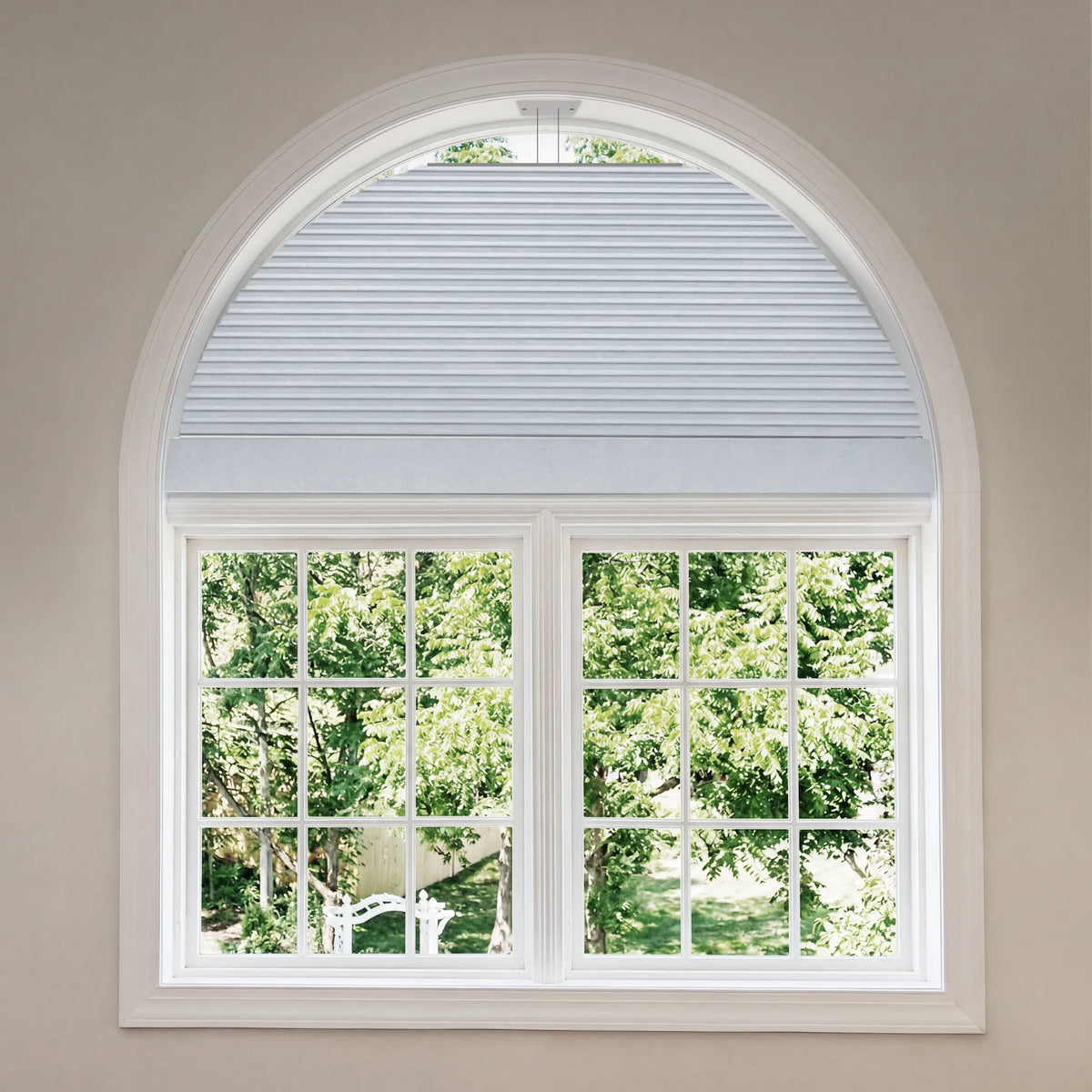
Graywind Motorized Isosceles Trapezoid Cellular Shades


Learn More about Heat Control & UV Protection
Heat Control & UV Protection FAQ
Which window shades help a sunny room stay cooler without making it feel dark?
Which window shades help a sunny room stay cooler without making it feel dark?
Choose light-filtering cellular shades when you want an insulating honeycomb structure while retaining soft daylight. When stronger solar screening matters more than brightness, use an opaque cellular fabric with full-window coverage. Solar shades are another option when preserving an outdoor view is the main priority.
Do solar shades reduce afternoon heat while preserving an outdoor view?
Do solar shades reduce afternoon heat while preserving an outdoor view?
Solar shades can reduce direct sun exposure and glare while preserving a partial view. The result depends on fabric openness, color, window orientation, and glass type. They provide solar screening but do not create the insulating air layer found in cellular shades.
Can light-filtering shades help protect furniture and floors from sun fading?
Can light-filtering shades help protect furniture and floors from sun fading?
Light-filtering fabric can reduce part of the sunlight reaching furniture, flooring, and artwork, but the amount of UV protection varies by fabric. Do not assume a specific UV-blocking percentage unless it is listed for the selected material.
Are cellular shades a good choice for year-round temperature comfort?
Are cellular shades a good choice for year-round temperature comfort?
Yes. Cellular shades are usually the first interior option to compare because their honeycomb pockets trap air at the window. This can help limit unwanted summer heat gain and winter heat loss, although performance depends on cell construction, fit, window quality, climate, and daily use. Learn more in the cellular shades temperature-control guide.
How does fabric openness affect glare, heat, and visibility?
How does fabric openness affect glare, heat, and visibility?
Openness applies mainly to solar-screen fabrics. Lower openness means a tighter weave, generally providing more glare and sun control but less view-through. Higher openness preserves more of the view while allowing more light and solar exposure into the room.
Do lighter or darker shade colors work better on west-facing windows?
Do lighter or darker shade colors work better on west-facing windows?
There is no universal answer based on color alone. With solar fabrics, darker colors may provide clearer outward visibility and stronger perceived glare reduction, while lighter colors can reflect more visible light and keep the room looking brighter. Compare the exact fabric specifications and test a swatch at the west-facing window.
Which shades suit large windows with intense afternoon sun?
Which shades suit large windows with intense afternoon sun?
If the available dimensions allow it, full-coverage cellular shades are a strong first choice when insulation and solar screening come before the view. Multiple aligned shades may be more practical than one very wide unit. Solar roller shades can be considered when maintaining an outdoor view is more important.
Are indoor window shades effective, or are exterior shades better?
Are indoor window shades effective, or are exterior shades better?
Exterior shades can be particularly effective against summer solar heat because they intercept sunlight before it reaches the indoor glass. Interior cellular shades add an insulating air layer and are often more practical for year-round comfort. The better option depends on climate, exposure, installation access, and whether insulation or exterior solar control is the priority.
How can a home office balance UV protection, natural light, and comfort?
How can a home office balance UV protection, natural light, and comfort?
Use light-filtering cellular shades when soft daylight and insulation are both important. Choose opaque cellular coverage for periods of intense sun or demanding screen work, and use solar shades when retaining the view is essential. Motorized schedules can lower the shades before peak exposure and reopen them when direct sunlight has passed.