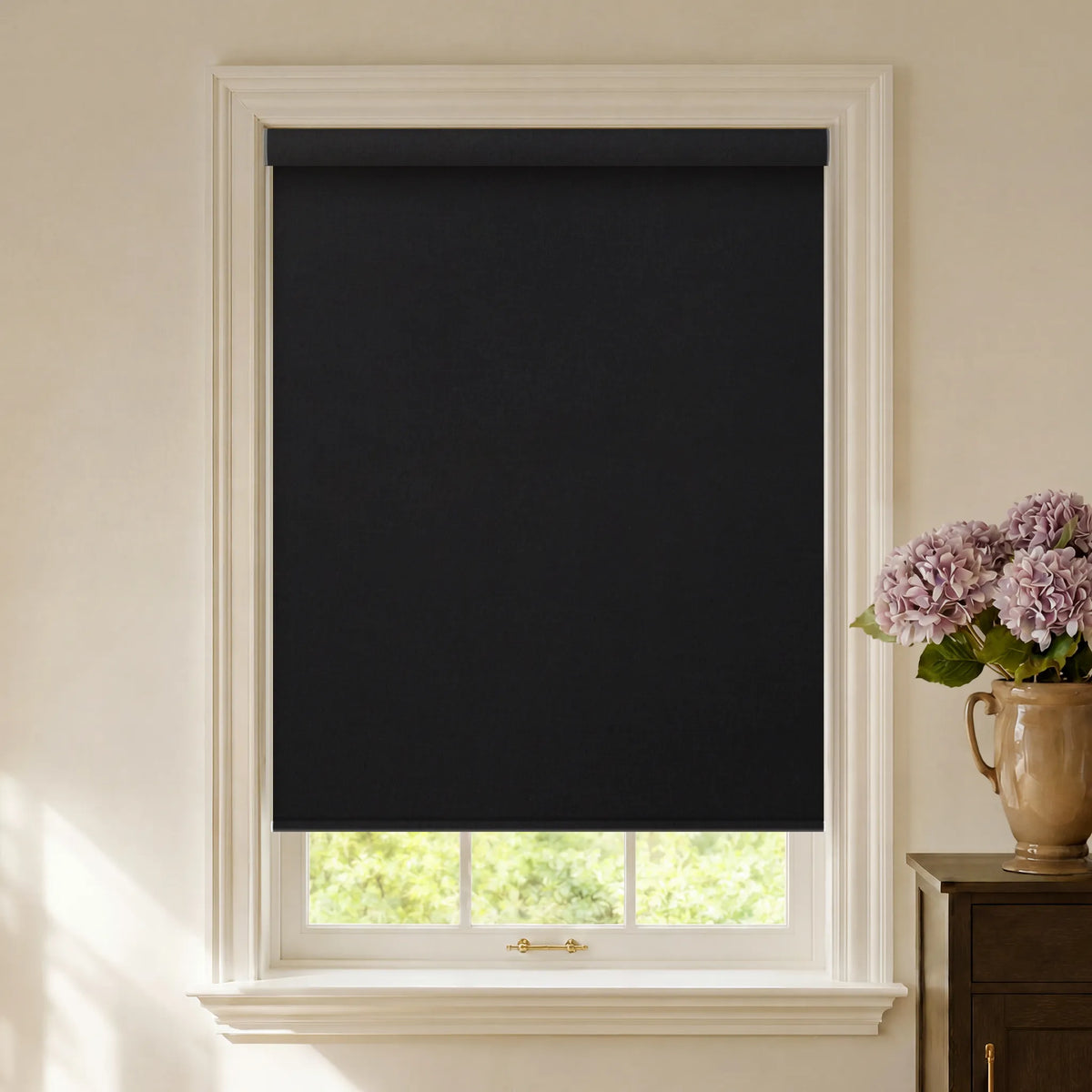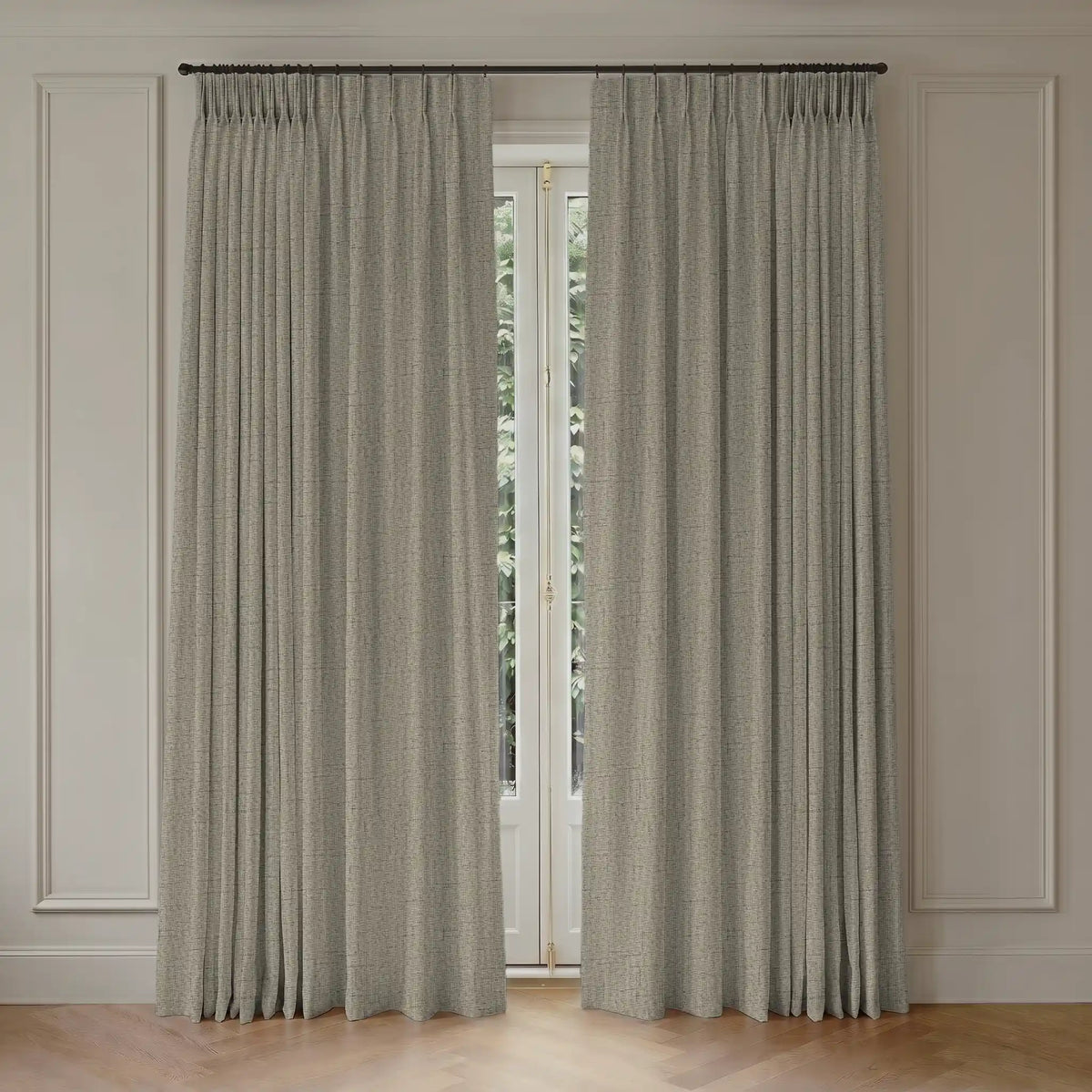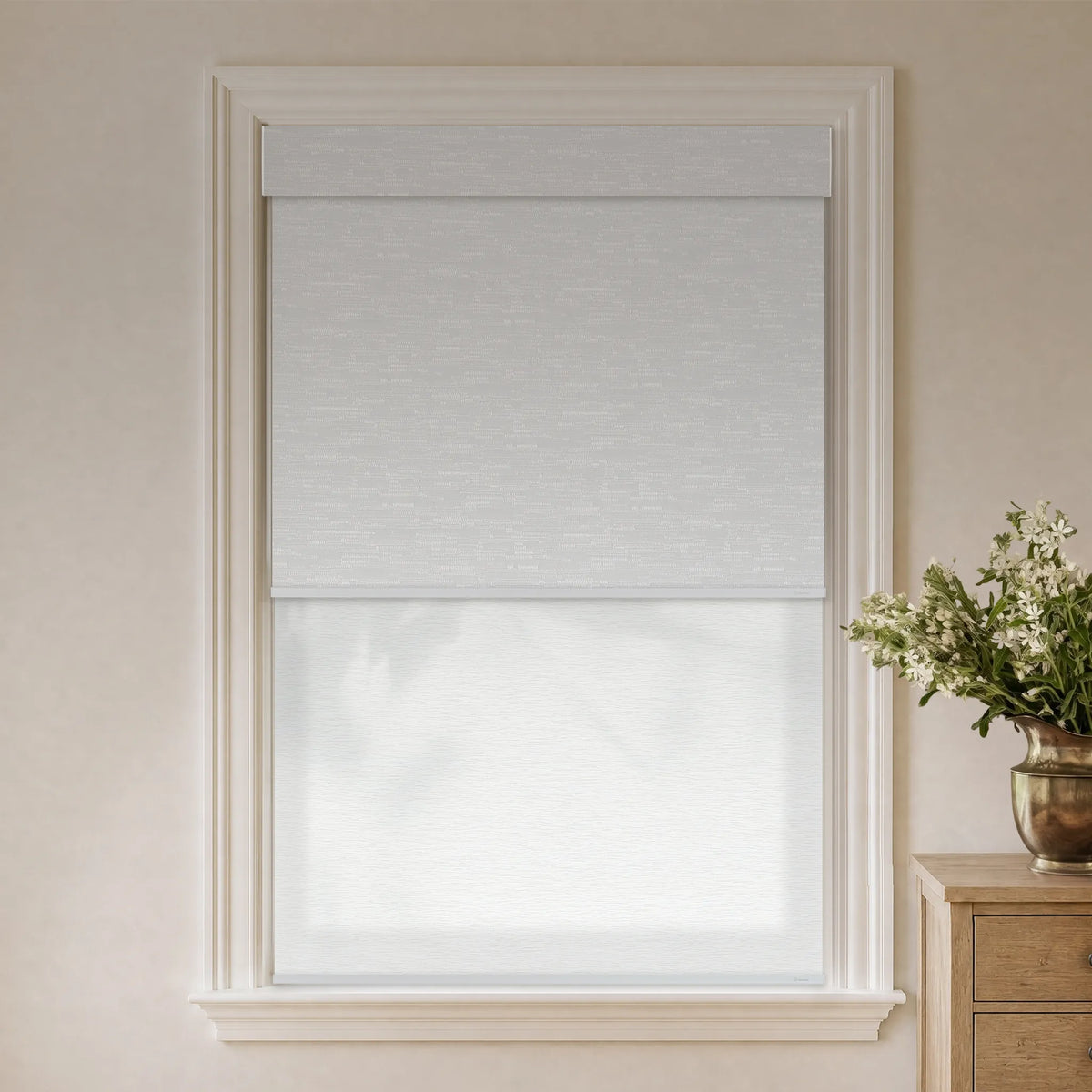
Window treatments may be recyclable, but most should not go into a standard curbside recycling bin. Curtains, blinds, and shades often combine fabric, metal, plastic, wood, cords, coatings, and linings, and each material may require a different collection route. Reuse or donation is usually the first option for treatments in usable condition. Damaged items may be accepted by a textile recycler or separated into components, depending on local rules. Before discarding anything, identify the materials, contact the receiving program, and confirm exactly what it accepts.
Understanding Window Treatments Materials
The material label, product specifications, and hardware provide the starting point for choosing a disposal route.
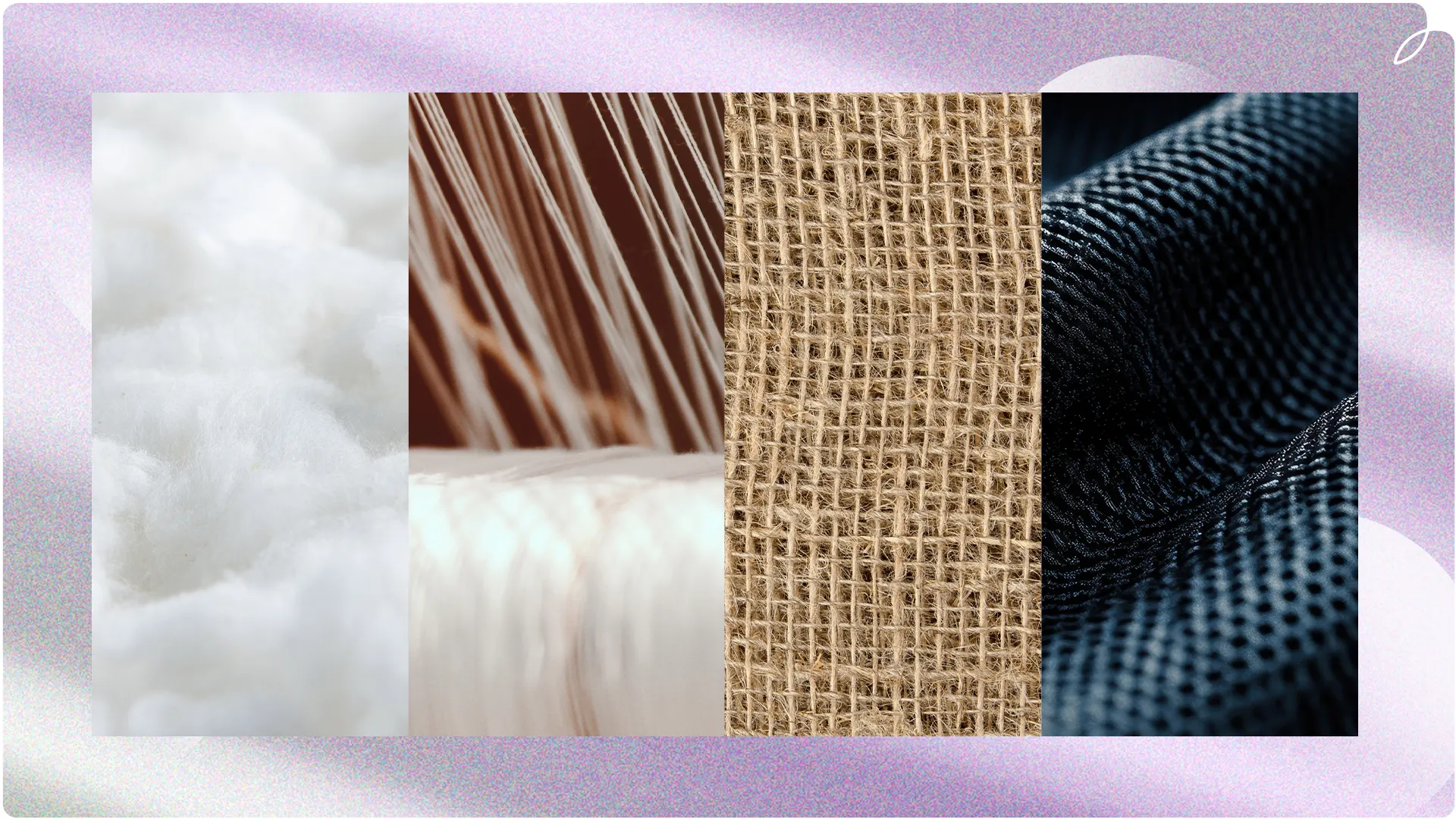
Natural Fibers: Cotton, Linen, and Silk
Cotton, linen, and silk are natural fibers, but that does not automatically make a finished curtain recyclable or compostable. Dyes, coatings, backing, flame-resistant treatments, sewing thread, and blended fibers can affect acceptance. Use a textile recycling program when available. Compost a curtain only if a local composting program approves the exact material and you can verify that it contains no unsuitable treatments or components.
Synthetic Fibers: Polyester and Nylon
Polyester and nylon are synthetic materials that do not biodegrade like untreated natural fibers. Some specialized textile recyclers can process synthetic fabric, but acceptance depends on the program, fiber composition, condition, and attached components. Do not place these curtains in a plastics bin unless the local recycler specifically permits them.
Blended Fabrics
Blended curtains combine two or more fibers to change texture, durability, or cost. Because the materials may be difficult to separate, some textile programs cannot recycle them. Ask whether the facility accepts mixed-fiber household textiles before dropping them off.
Hooks, Grommets, Cords, Rods, and Linings
Remove detachable hooks, rings, rods, motors, batteries, cords, and linings when required. Do not assume that every metal or plastic part belongs in curbside recycling. Sort each component according to local metal, plastic, electronic-waste, battery, or general-waste instructions.

Can Old Window Treatments Go in the Recycling Bin?
Usually, no. The U.S. Environmental Protection Agency lists transfer stations and retail collection bins as common collection methods for textiles and advises residents to confirm local acceptance. A curtain should enter curbside recycling only when the local program explicitly lists it.
1. Use a Textile Recycling Program
Search for a textile drop-off, transfer station, retail collection bin, or special collection event. Confirm that the program accepts curtains or fabric window coverings, not only wearable clothing. Reusable textiles may follow a different route from damaged material.
2. Donate Usable Window Treatments
Clean curtains in good condition may be accepted by reuse organizations, shelters, schools, or community theaters. Ask before delivering them because size, condition, and fire-safety policies vary. Reuse generally ranks above recycling and disposal in the EPA waste-management hierarchy.
3. Repurpose the Fabric
Suitable fabric can become pillow covers, tote bags, protective cloths, or cleaning rags. Avoid repurposing coated, deteriorating, or unknown fabric for uses involving food, children, pets, or prolonged skin contact.
4. Check Manufacturer Programs
Ask the original manufacturer whether it operates a take-back program or provides instructions for fabric, hardware, motors, or batteries. Do not ship an item without confirming eligibility and packaging requirements.
5. Find a Specialty Facility
Synthetic and blended fabrics may need a dedicated textile processor. Local waste authorities and the EPA Recycling Infrastructure Map can help identify facilities, but you should still confirm accepted materials directly.

How to Dispose of Old Window Treatments
- Inspect and clean: Decide whether the treatment can be reused, donated, repaired, or repurposed. Follow its care instructions.
- Identify materials: Check fabric composition, coatings, linings, hardware, motors, and batteries.
- Separate components: Remove parts only when the receiving program requests separation and the product can be disassembled safely.
- Confirm local options: Contact donation centers, textile recyclers, and municipal programs before visiting.
- Use general waste last: If reuse and approved recycling are unavailable, follow local disposal rules and never dump treatments illegally.
Choosing More Sustainable Window Treatments
Reducing future waste begins before purchase.
- Choose for long-term use: Match the material to the room's humidity, sunlight, cleaning needs, and operating frequency.
- Verify environmental claims: GOTS addresses certified organic fibers and processing requirements, while OEKO-TEX STANDARD 100 tests textiles for harmful substances. Neither label should be assumed without a valid product-specific certificate.
- Check repairability: Ask whether hardware, motors, controls, or other components can be replaced.
- Review end-of-life options: Confirm whether the manufacturer or a local program accepts the finished product.
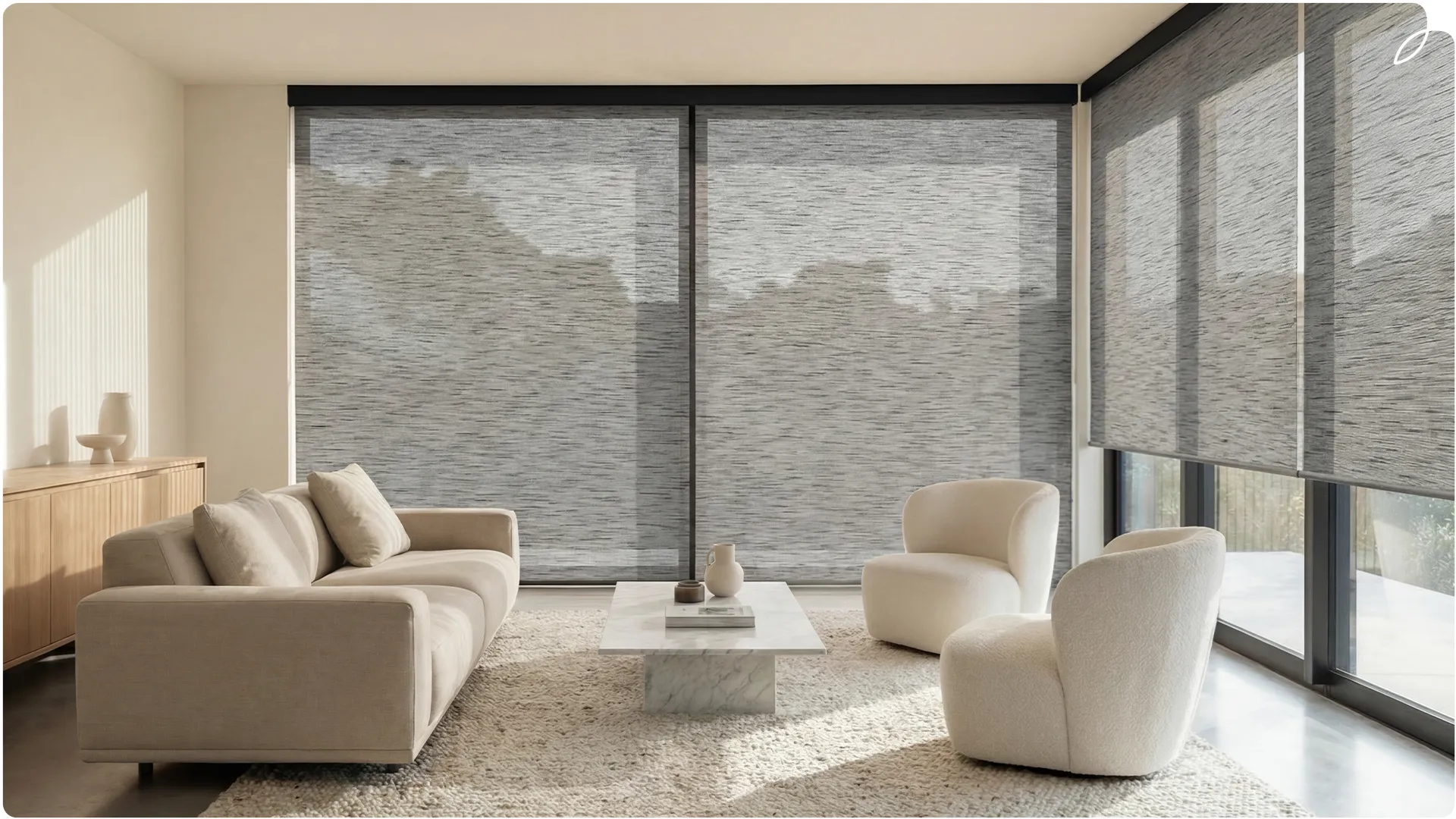
Graywind and Longer-Term Product Selection
The most practical way to limit avoidable waste is to choose a treatment that fits the window, room, and maintenance routine. Graywind's curtain fabric guide helps compare materials and care considerations before ordering. Use free fabric swatches to review color and texture at home, and confirm the selected fabric's composition, certification, and cleaning requirements.
When comparing Graywind custom curtains or smart shades, also review the operating system, power source, warranty, and availability of replacement components. These details can support longer use and more informed disposal decisions later.
Before replacing a window treatments, decide whether it can be reused, donated, repaired, repurposed, or accepted by a verified textile program. If a new treatment is necessary, choose its material and configuration with long-term use in mind.