If you've recently heard that corded blinds or shades might be illegal--or simply want to make your home safer--you're in the right place. In this guide, we'll walk you through the latest regulations in the U.S. and Europe, explain the real dangers of corded window treatments, and show you how to check if your current window treatments are compliant. Most importantly, we'll introduce you to modern, safe, and stylish cordless alternatives that keep your family protected without sacrificing design.
Understanding U.S. and European Regulations
United States
The U.S. Consumer Product Safety Commission does not prohibit every corded blind. Its Window Coverings 15(j) guidance says operating cords on stock coverings must be cordless, 8 inches or shorter, or inaccessible. Both stock and custom products have requirements for inner cords, hazardous loops, and markings.
Custom coverings are also regulated by 16 CFR Part 1260, effective May 30, 2023. It establishes performance requirements for operating cords and recognizes designs such as inaccessible cords, retractable systems, and tested loop-cord or bead-chain restraints.
These rules govern products manufactured, imported, distributed, or sold. Owning an older corded blind is different from selling a noncompliant product, but the hazard remains.
European Union
The EU General Product Safety Regulation, Regulation (EU) 2023/988, has applied since December 13, 2024. Window-covering safety is also addressed through EN 13120:2009+A1:2014, EN 16433:2014, and EN 16434:2014.
The European Commission's window-covering safety requirements state that accessible cords and chains must not form a hazardous loop. If design cannot eliminate the risk, appropriate safety devices and warnings are required. Enforcement varies by product and country.


Why Corded Blinds Present a Serious Risk
Current CPSC Data
16 CFR Part 1260 reports 209 fatal and nonfatal strangulation incidents involving children age eight or younger from January 2009 through December 2021. One hundred were fatal. The CPSC describes strangulation as a hidden hazard that can happen quickly and silently.
How Cords Cause Harm
Hazardous loops: Pull cords, continuous loops, and inner cords can create openings that fit around a child's head or neck.
Bead-chain entanglement: An accessible chain can become wrapped around a child's neck.
Climbing access: A child may use nearby furniture to reach a cord that initially appears high enough.
Why Young Children Are Vulnerable
Young children may not recognize the danger or free themselves after entanglement. Supervision alone cannot remove the risk because an incident can occur silently within minutes.

How to Check Whether Your Blinds May Be Compliant
A visual inspection cannot prove legal compliance, but it can identify warning signs.
- Inspect accessible cords: Check every side for cords or chains that can form a loop.
- Review labels: Look for manufacturer markings, warnings, dates, and compliance information.
- Check safety devices: Confirm that tensioners, shrouds, or breakaway components are installed as instructed.
- Inspect hazardous loops: Do not assume that placing a cord high on the wall automatically makes it inaccessible.
If cords are loose or safety components are missing, block children's access and contact the manufacturer or an installer.
What to Do with Existing Corded Window Treatments
Option 1: Replace Them with Cordless Products
For homes where young children live or visit, the CPSC recommends cordless coverings. Cordless or motorized operation removes the accessible operating cord, although the full product must still comply.
Option 2: Use Interim Safety Measures
If immediate replacement is not possible:
Install manufacturer-approved tensioners, cleats, or cord-management devices.
Keep cords and chains secured beyond children's reach.
Move cribs, beds, chairs, and climbable furniture away from windows.
Ask whether an approved retrofit kit exists for the product.
Safety devices reduce risk but are not foolproof substitutes for cordless design.

How to Choose Safer Window Treatments
Why Choose Cordless or Motorized Blinds?
No accessible operating cord: This removes the primary operating-cord strangulation hazard.
Simple operation: Cordless shades may move through the bottom rail, a wand, or an internal spring mechanism.
Cleaner appearance: Removing loose cords creates a less cluttered window.
Graywind's Cord-Free Window Treatments
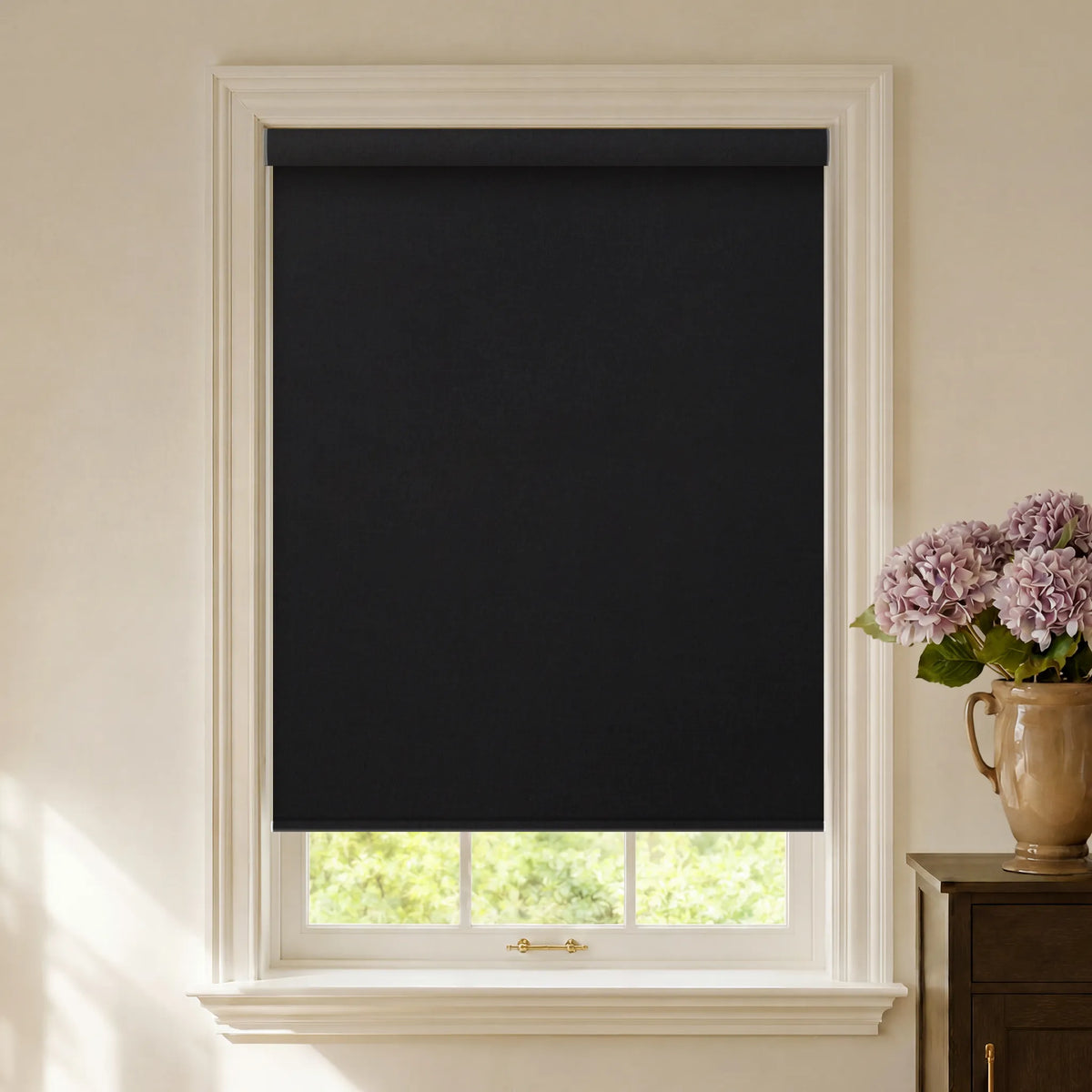
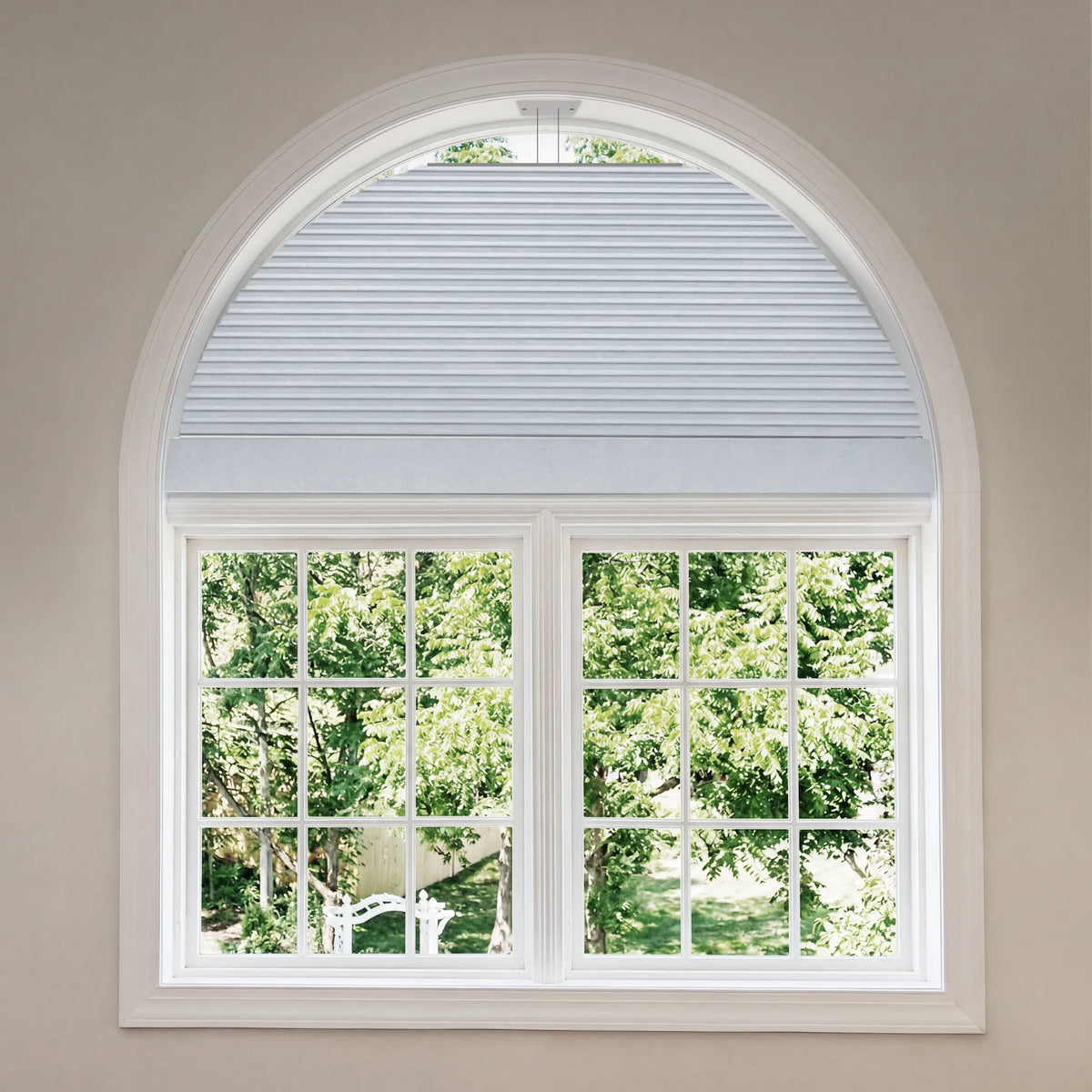
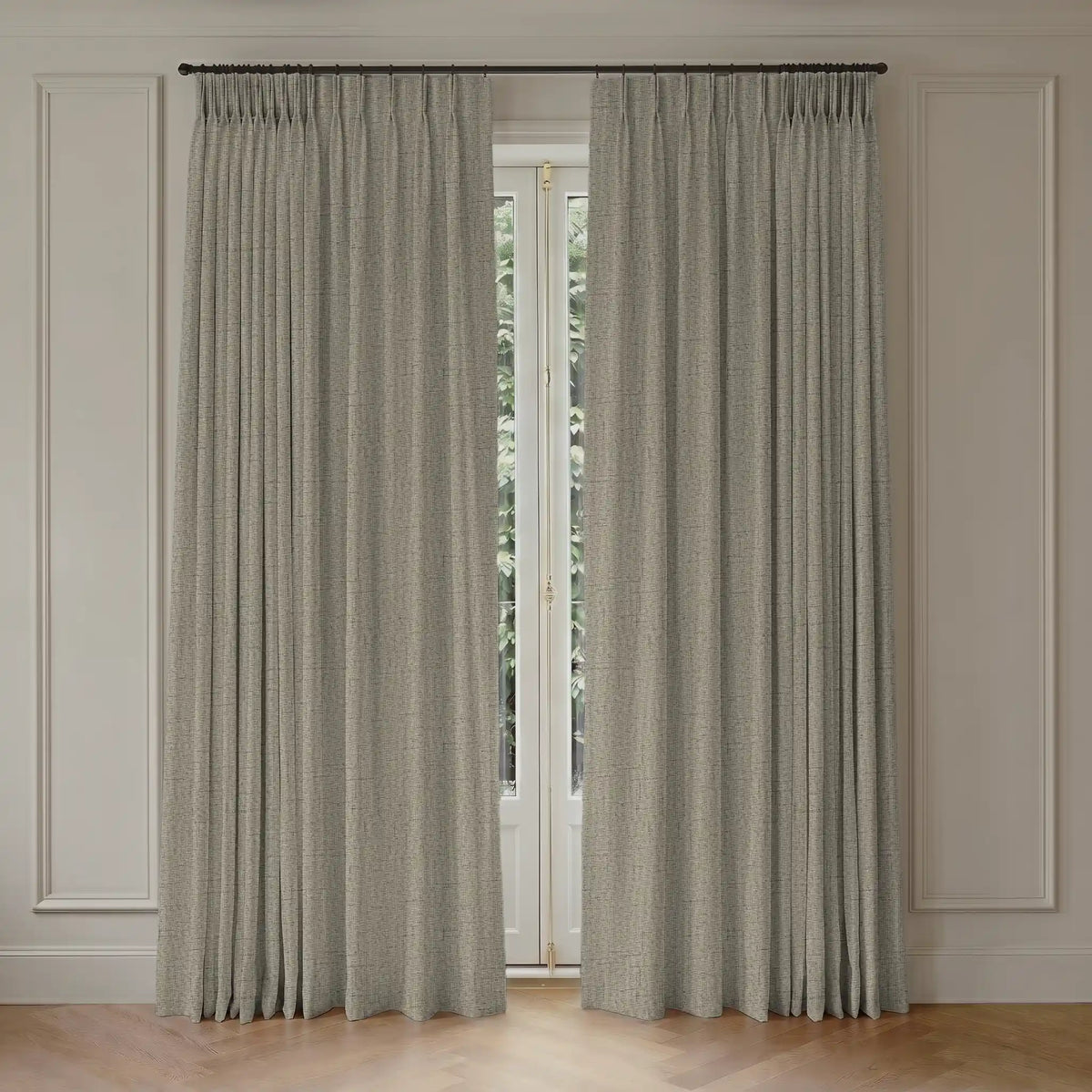
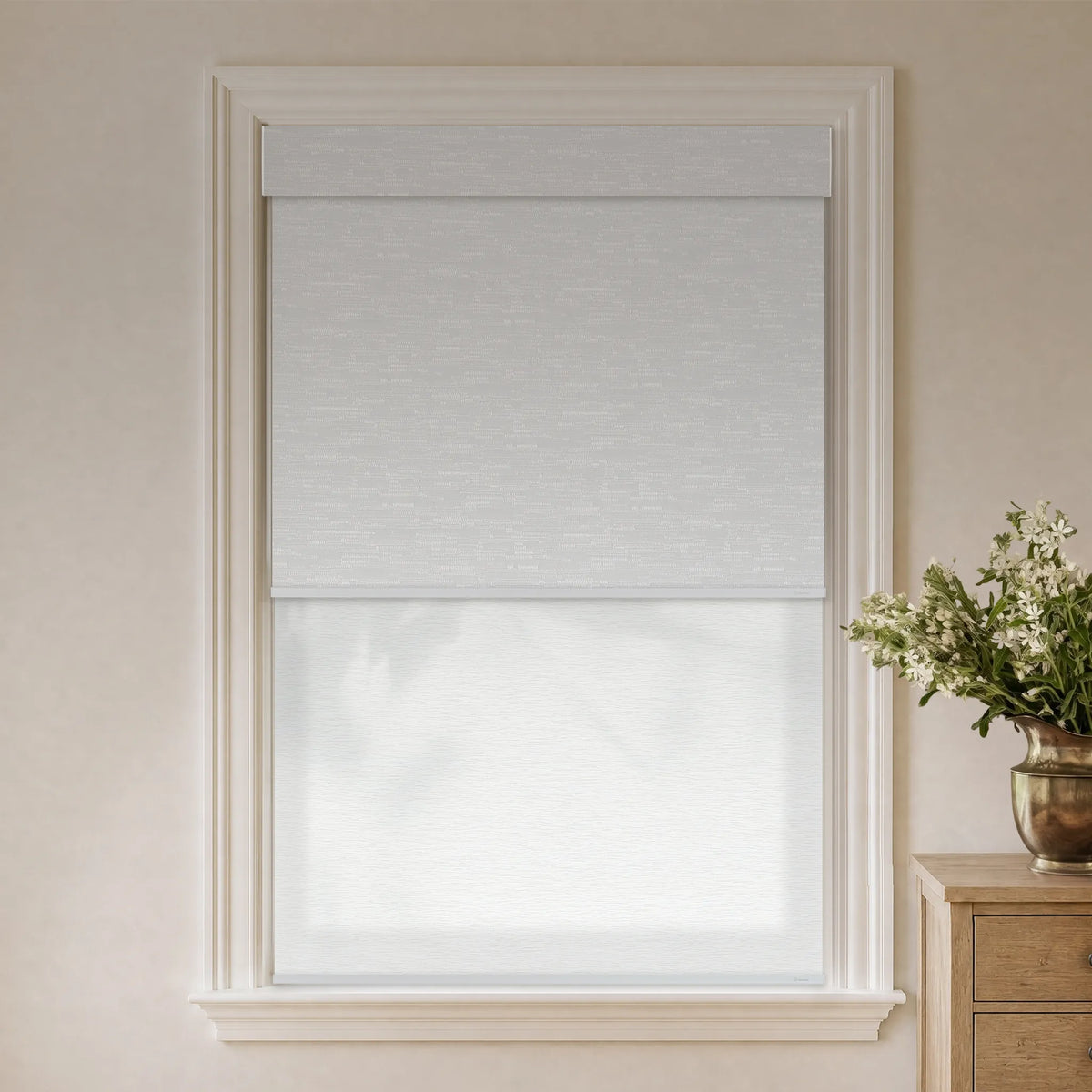
Graywind offers motorized and cordless options without accessible pull cords. Buyers should confirm the operating method, installation requirements, and current certification for the selected product.
The Graywind Best for Kids page explains its child-safe options. The Roller Shades collection includes motorized designs without pull cords.

Corded window treatments are not automatically illegal, but accessible cords that fail current safety requirements can make a product noncompliant and dangerous. Check existing coverings regularly, keep furniture away from cords, and replace hazardous designs when possible.
Explore Graywind motorized shades and compare cord-free operating options for your windows.