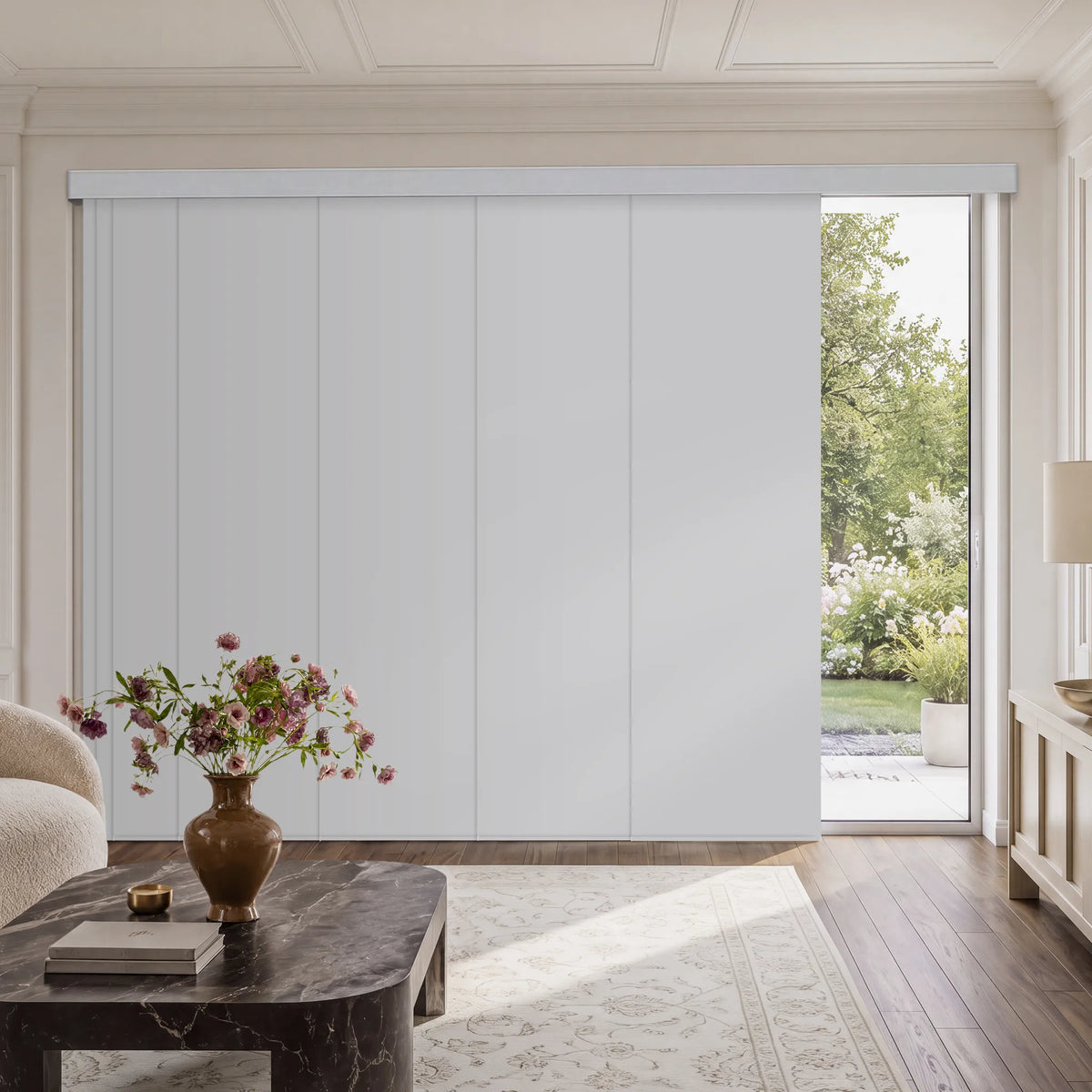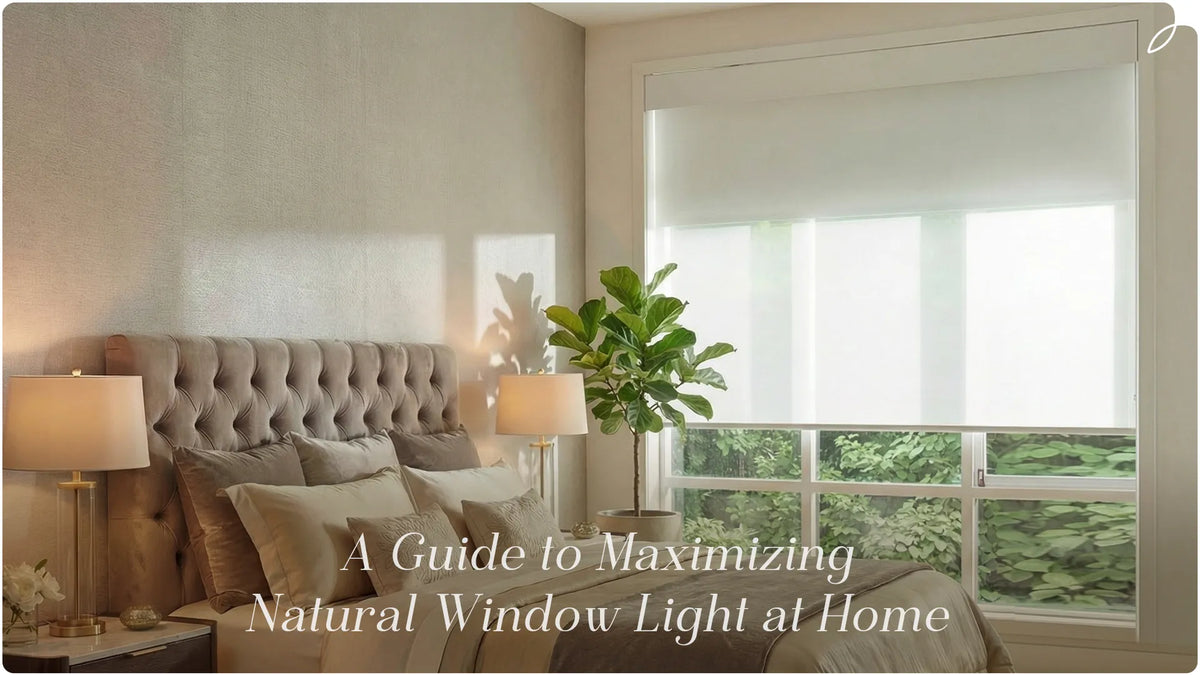
Natural window light can make a home feel brighter, more spacious, and more connected to the outdoors. However, uncovered windows can introduce glare, solar heat, UV exposure, and reduced privacy. The goal is to manage daylight and comfort with treatments that diffuse, redirect, or block light when needed.

Is It Good to Let Natural Window Light in Your House?
The short answer is yes--but with caveats.
The Biological Benefits
Sunlight is our primary source of Vitamin D, but the benefits of natural light go deeper than biochemistry. Exposure to natural light, particularly in the morning, helps regulate your circadian rhythm. This internal clock dictates your sleep-wake cycle. When you flood your home with daylight, you signal to your body that it is time to be alert and focused. Conversely, exposure to natural light during the day has been proven to reduce eye strain and headaches caused by harsh artificial lighting.
The Spatial Benefits
Strategically managed daylight makes rooms appear larger. It eliminates the 'cave effect' that plagues basements or north-facing rooms, highlighting the texture of furnishings and the true color palette of your decor.
The Risk
While light is good, uncontrolled light is problematic. Direct UV exposure can fade hardwood floors and artwork. Unmitigated glare can make a home theater or home office unusable. This is why we must pivot from the question of 'how much' light to 'how pure' the light is.
The Vocabulary of Light: Sheer, Filtered, and Managed
To maximize natural light, you need to understand the different qualities of light available to you.
Direct Light
High contrast, creates sharp shadows, high heat transfer. Best for tasks requiring high visibility, but uncomfortable for relaxation.
Filtered Light
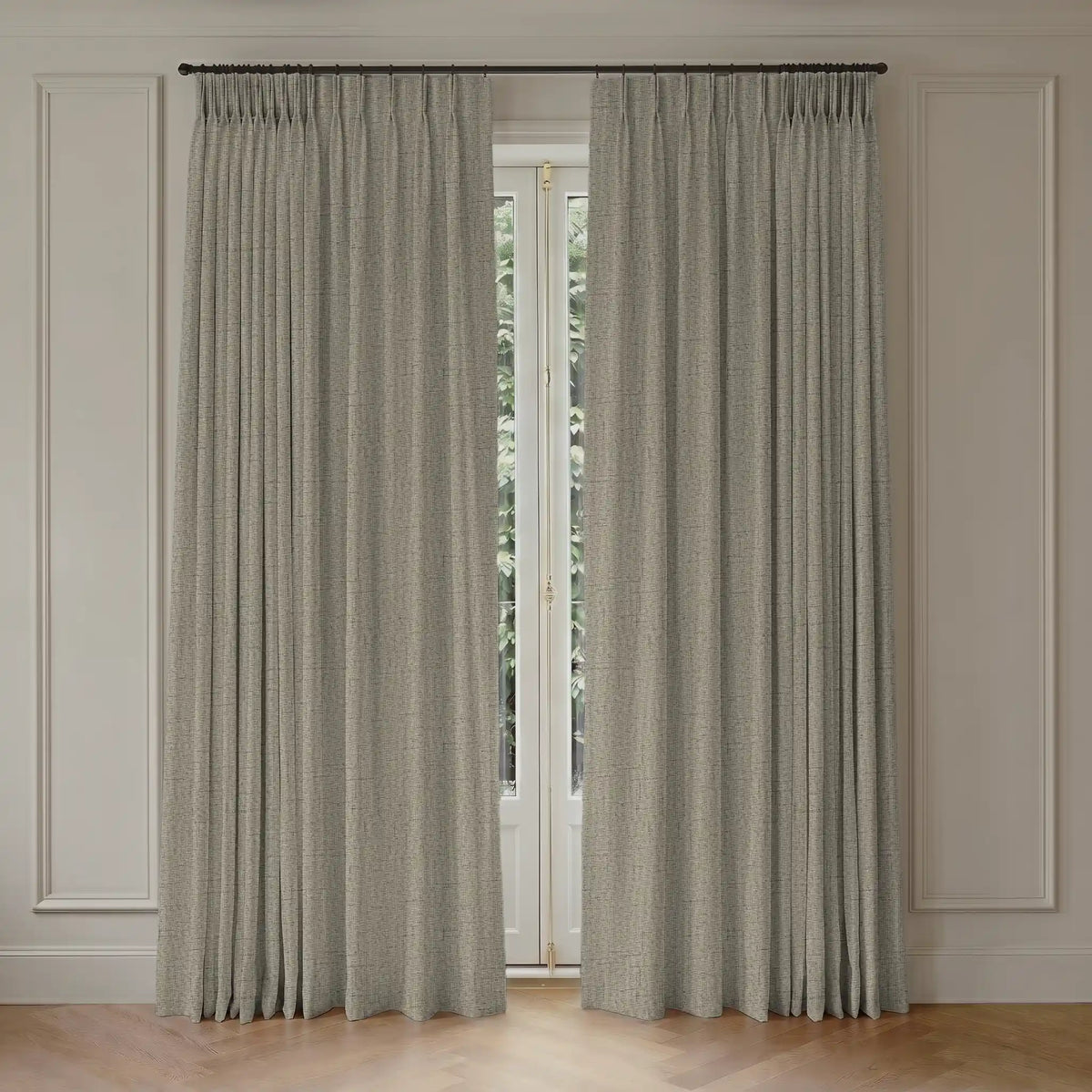
Achieved through light filtering window shades. This is the 'soft focus' of the architectural world. It diffuses the beam, spreading it evenly across the room. This eliminates harsh shadows and hot spots while maintaining the ambient brightness of the room.
Blackout Light
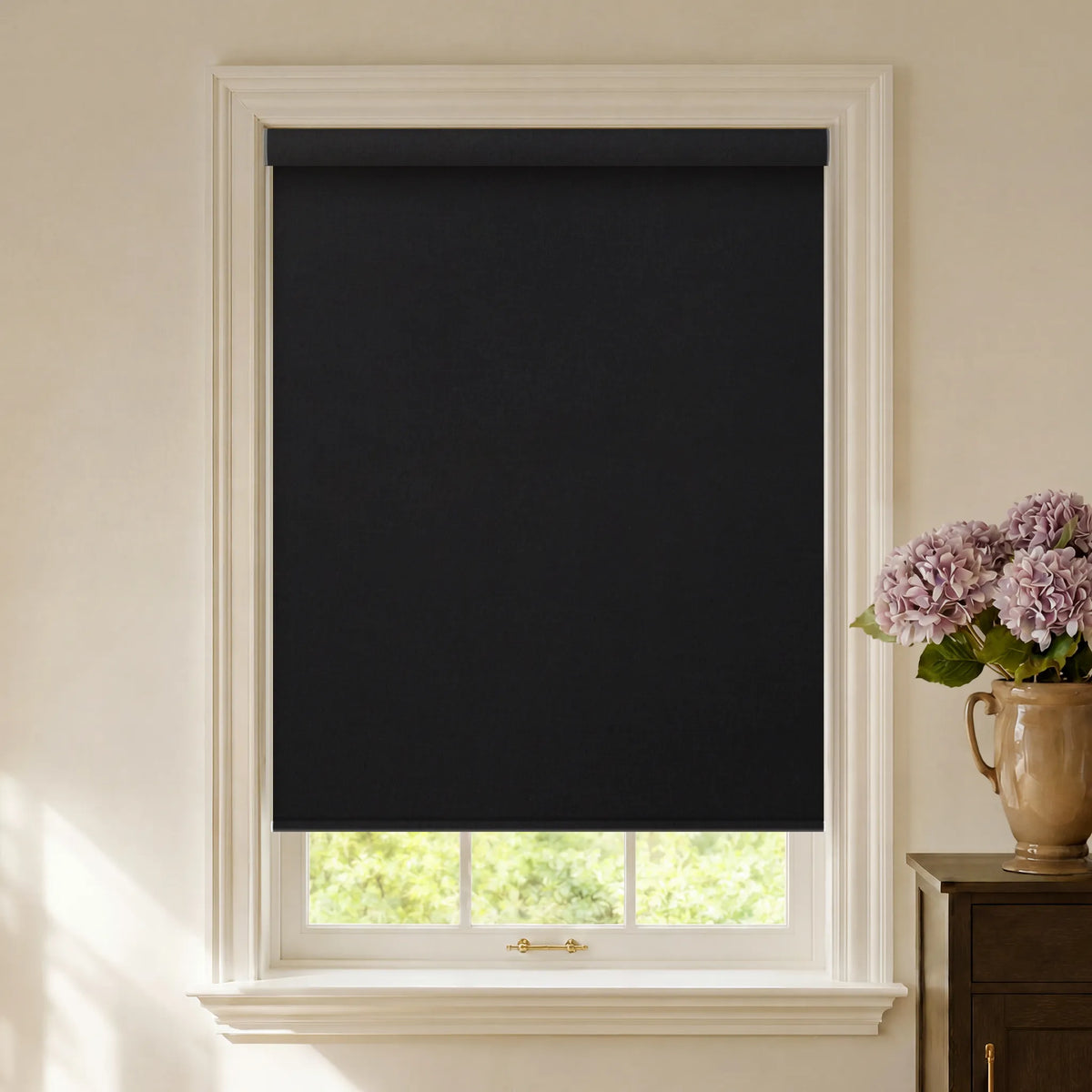
Zero light transfer. Essential for media rooms and bedrooms, but detrimental to spaces where you want an 'awake' feeling.
For years, home owners believed they had to choose between two extremes: open (blazing sun) or closed (total darkness). The modern home, however, thrives in the gradient between these two points.

The Graywind Approach
For living rooms and dining areas, Graywind's premium Sheer Blinds and lightweight fabric rollers act as a lens for your window. Rather than blocking the outside world, they act as a camera filter. These systems gently introduce natural window light, washing the walls with a warm, ambient glow. By utilizing non-glare fabrics, they ensure that you can watch television or read a book without competing against the sun's intensity.
Precision Control--The Battle Between Day and Night
One of the most common homeowner frustrations is the 'mirror effect'. At night, a room full of light becomes a fishbowl. You are forced to choose: keep the ambiance but lose the privacy, or drop a heavy blackout shade and lose the aesthetic entirely.
This is where Light Management separates basic fixtures from architectural investments.
The Science of the Tilt
Horizontal blinds (such as wood or aluminum louvers) have long been the standard for privacy. However, standard mechanisms often leave gaps. When the slats are closed for privacy, they often cut off the view entirely.
The Graywind Approach
For spaces requiring high adaptability--such as street-facing home offices or bathrooms--Graywind offers advanced Faux Wood Blinds. Unlike budget alternatives, Graywind's precision control systems allow for micro-adjustments. You can tilt the slats to a nearly closed position that blocks the ground-level sightline of passersby, yet still captures the sky's light from above. You aren't blocking the window; you are redirecting the light path.
The Dual Shades Solution
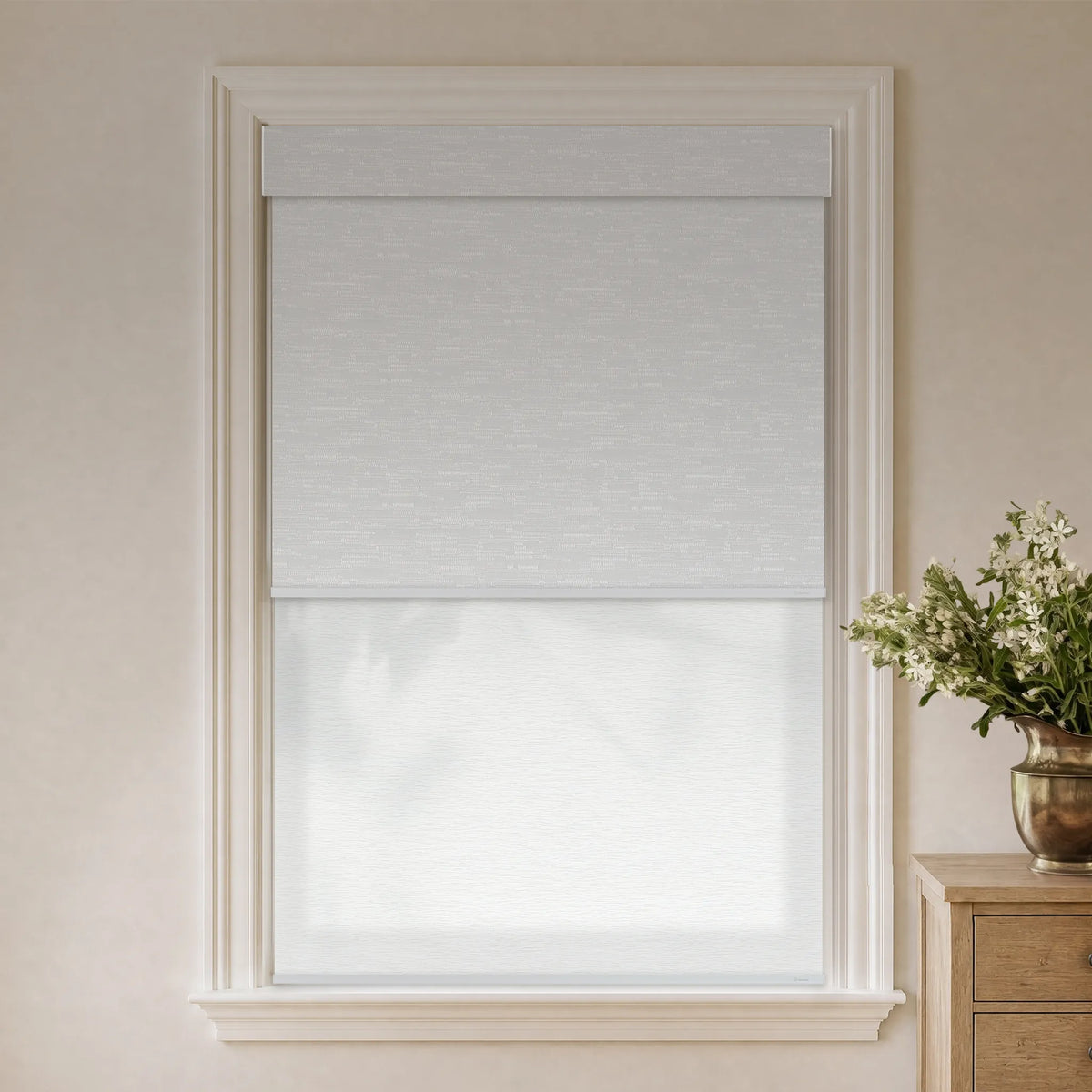
For the ultimate in flexibility, consider the Graywind Top-Down Bottom-Up or Dual Shades systems. Imagine this: a combination of a light-filtering top shade and a privacy bottom shade. During the day, you lower the top shade to bounce light off the ceiling. At night, you raise the bottom shade to cover the lower half of the window. You retain full control over the entire vertical plane of your glass.
Balancing Glare and Heat in High-Exposure Rooms
South and west-facing rooms are the double-edged sword of architecture. They offer the best light of the day but suffer from the most intense heat and glare.
In these spaces, fabric alone is often insufficient. You need reflectivity.
Aluminum Venetian Blinds are engineered with a high-gauge aluminum construction that resists warping, even in direct, sustained heat. The metallic finish reflects infrared radiation back out the window, keeping the room cooler. This passive energy saving reduces the load on your HVAC system--a quiet, visual way to lower your carbon footprint.

The Hidden Connection: Environmental Health and Material Safety
We often discuss natural light as a wellness feature, yet we rarely discuss the materials we place on the windowsill.
When sunlight strikes a window covering, two things happen:
- Heat cycles can accelerate the breakdown of low-quality polymers.
- UV light can catalyze the release of VOCs (Volatile Organic Compounds) from synthetic dyes and stabilizers.
This is the Graywind Difference:
Graywind operates at the intersection of aesthetics and material science. As a brand positioned at the high end of the smart window market, Graywind prioritizes Indoor Air Quality (IAQ).
- Sustainable Fabrics: Our textiles are selected for low chemical emissions.
- Non-Toxic Dyeing: We utilize non-heavy metal dyes. The color you see is achieved without the toxic runoff or respiratory irritants common in fast-furniture imports.
Maximizing natural light does not require leaving large areas of glass uncovered. It requires matching the treatment to the window direction, privacy needs, glare level, and daily routine.
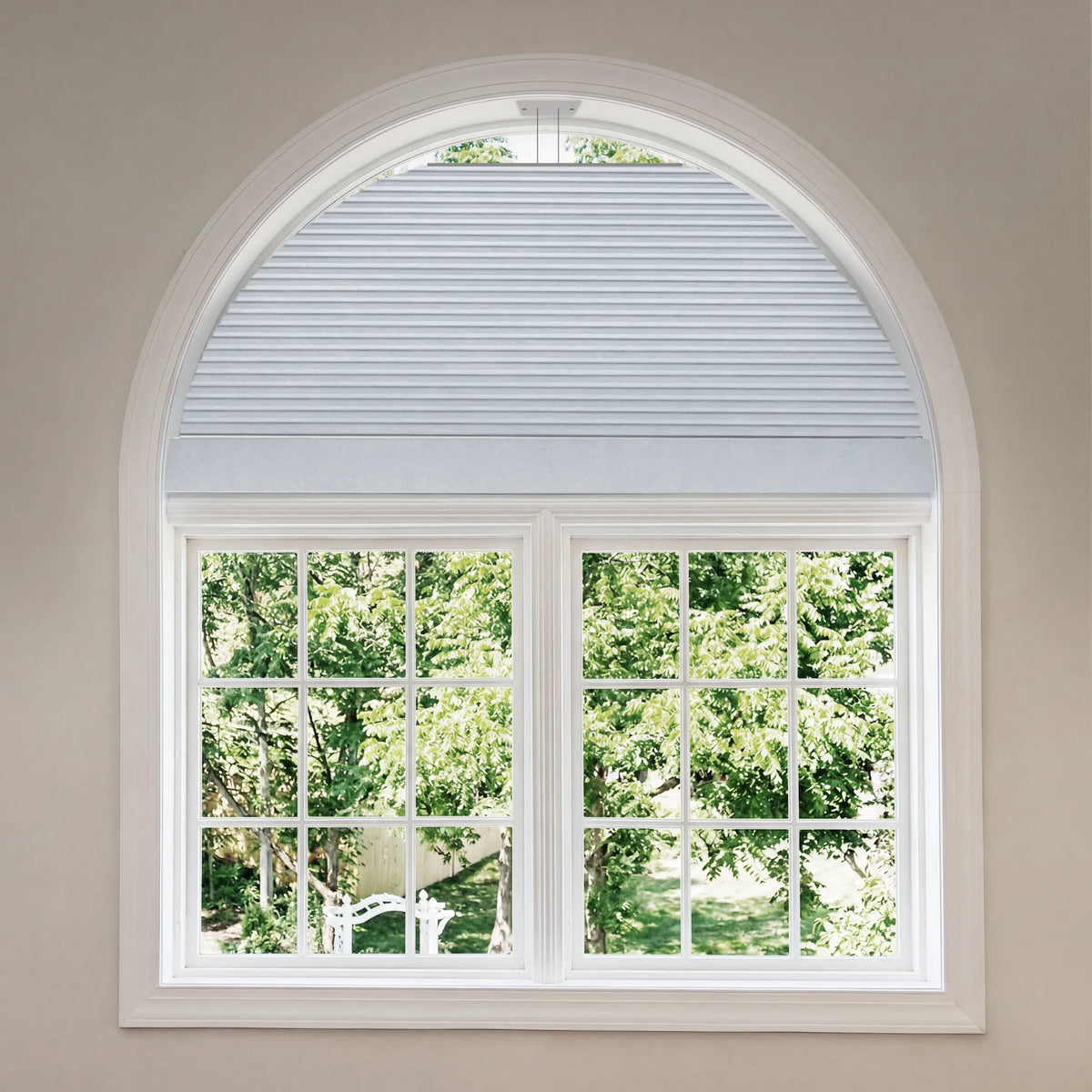
Use sheer or light-filtering shades where soft daylight is the priority, top down bottom up shades where lower-window privacy matters, dual shades where two fabric layers are useful, and solar shades where glare is more intense. Graywind's motorized options can make those adjustments easier, but the fabric and configuration determine the light-control result.