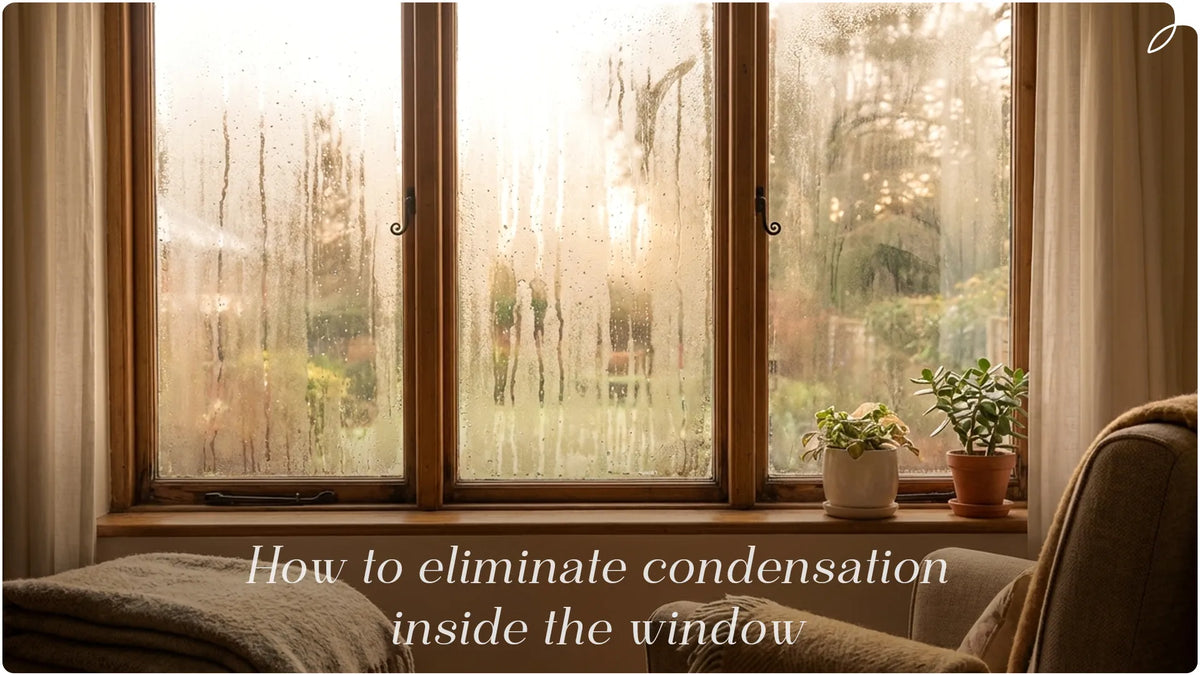
To stop condensation on the inside of windows, reduce excess indoor humidity, use kitchen and bathroom ventilation, keep warm room air circulating near the glass, and repair air leaks or poorly performing windows. Dry the glass and sill whenever moisture appears. Window treatments can improve comfort and reduce heat loss, but they do not remove indoor moisture. In cold weather, a tightly closed insulating shade may make the glass colder and increase condensation behind the shade, so operation and airflow matter.
Why Is There Water on My Windows?
Condensation forms when warm, humid indoor air meets glass that is colder than the air's dew point. Moisture from showers, cooking, clothes drying, and breathing can collect on the room-side surface when outdoor temperatures fall.
The glass is not producing water. It is showing that indoor humidity is high for the glass temperature, the windows has limited insulating performance, or both.
Root Cause Analysis: Why Your Home Is Weeping
Interior windows condensation usually comes from three related conditions.
Excessive Indoor Humidity
Moisture can accumulate in a tightly sealed home when exhaust fans or whole-home ventilation cannot remove it. The EPA generally recommends keeping indoor relative humidity between 30% and 50% to limit moisture and mold risk.
Temperature Difference
The greater the difference between indoor and outdoor temperatures, the colder the room-side glass can become. Condensation forms when that surface falls below the dew point of the nearby air.
Poor Insulation and Air Leakage
Single-pane and lower-performing double-pane windows usually have colder interior surfaces in winter. Worn weatherstripping and gaps around the frame can also create drafts.
Fog or moisture between the panes of an insulated glass unit is a different problem. It can indicate a failed seal and will not be corrected by lowering room humidity alone.

Immediate Remedies: How to Stop Condensation Right Now
These steps address visible moisture and common indoor sources.
Reduce Humidity at the Source
- Run bathroom exhaust fans during showers and afterward until excess moisture clears.
- Use a vented range hood and cover pots while cooking.
- Use a hygrometer to check humidity. If it remains high, ventilation or a dehumidifier may help maintain an appropriate range.
Improve Air Circulation
Keep furniture, curtains, and other objects from blocking airflow around the window. On suitable days, short periods of ventilation can release humid indoor air. Avoid opening windows when outdoor air quality or weather conditions make ventilation unsuitable.
Check HVAC Vents
Keep heating registers near windows open and unobstructed. Do not redirect airflow without considering the design of the HVAC system. If rooms remain damp or unevenly heated, have the system and ventilation assessed.
Prevent Mold and Material Damage
Wipe the glass, sash, and sill dry whenever condensation appears. If mold develops on a hard surface, EPA guidance recommends cleaning it with detergent and water, then drying the surface completely. Persistent growth or water damage requires further investigation.
Permanent Structural Fixes
If condensation returns despite reasonable humidity control, inspect the window and surrounding assembly.
Upgrade Weatherstripping and Sealants
Replace worn weatherstripping and seal appropriate gaps around the window frame. Do not block drainage openings or apply caulk where the window manufacturer does not recommend it. A qualified installer can identify leaks that are not visible from the room.
Consider Double or Triple Glazing
Better-insulated windows can keep the interior glass surface warmer. Low-e coatings, insulated frames, and double or triple glazing may reduce condensation risk, but no window can guarantee condensation-free performance when indoor humidity is too high. Moisture between panes may require replacement of the insulated glass unit.
Understand the Role of Window Coverings
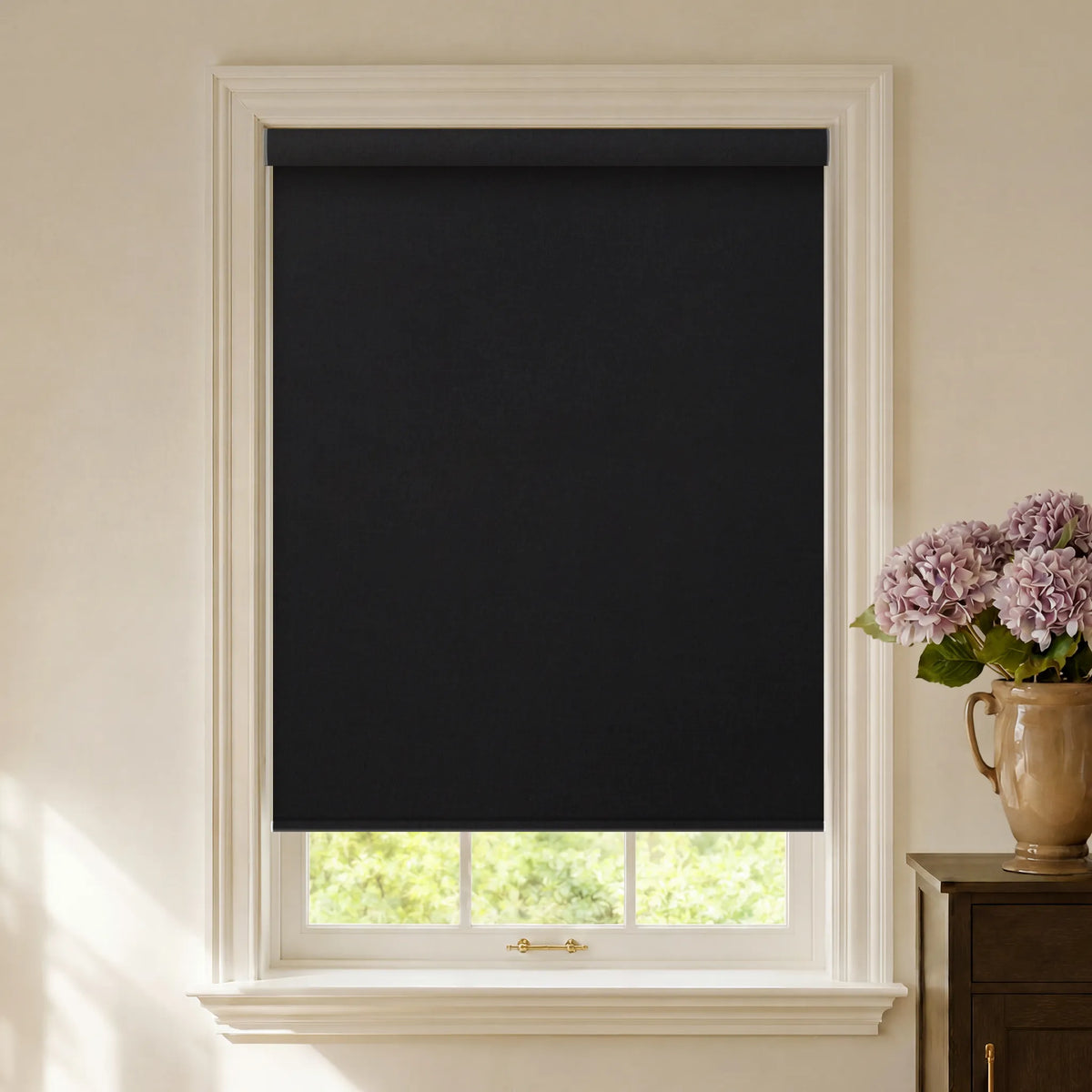
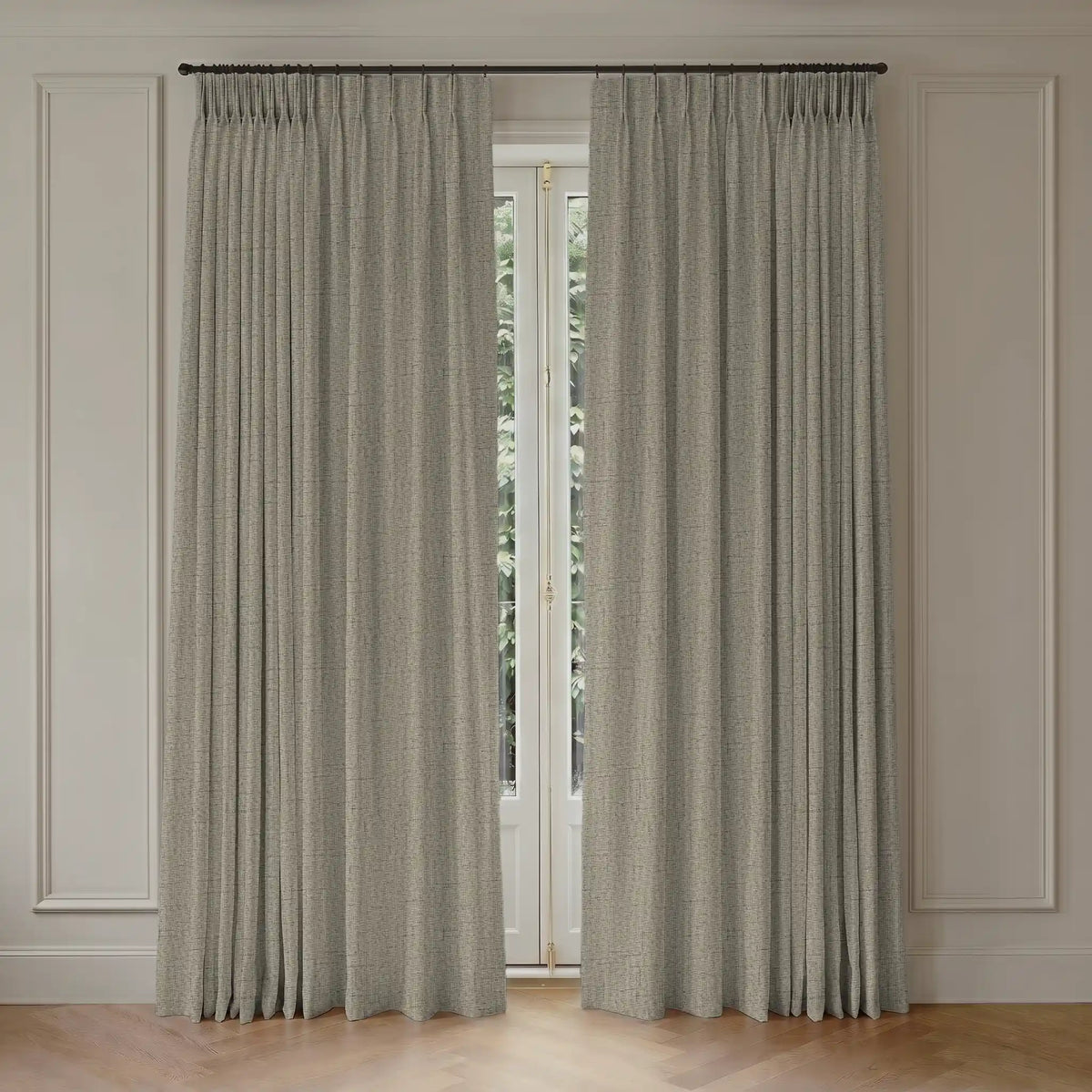
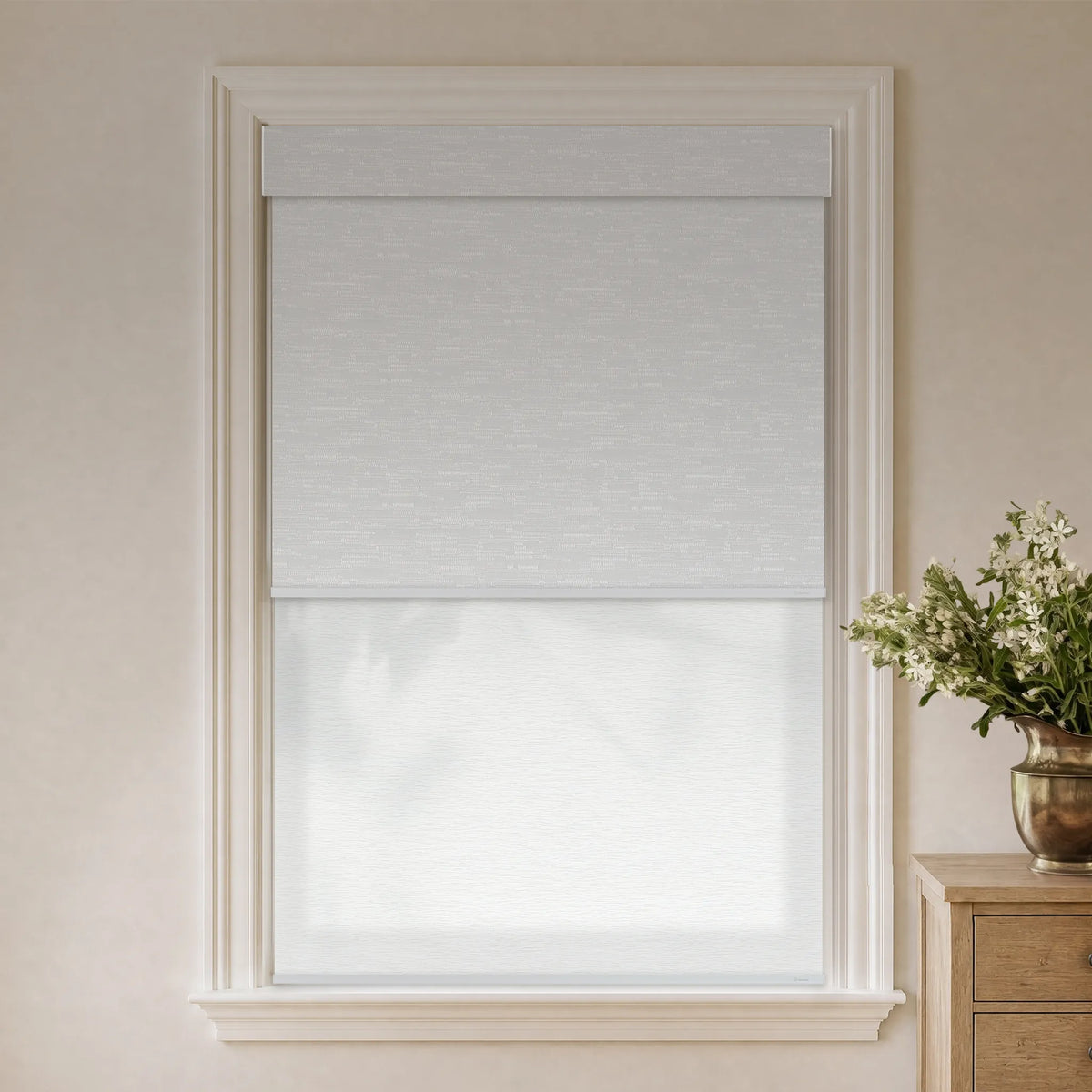
Interior coverings can reduce heat loss and cold drafts near a window. However, insulating shades also limit the warm room air that reaches the glass. During cold weather, this can lower the glass temperature and increase condensation when the shade remains fully closed.

Beyond the Glass: The Graywind Approach to Condensation Control
Graywind window treatments can support comfort and light control, but they should be operated as part of a broader moisture-management plan.
Thermal Insulation with Cellular Shades
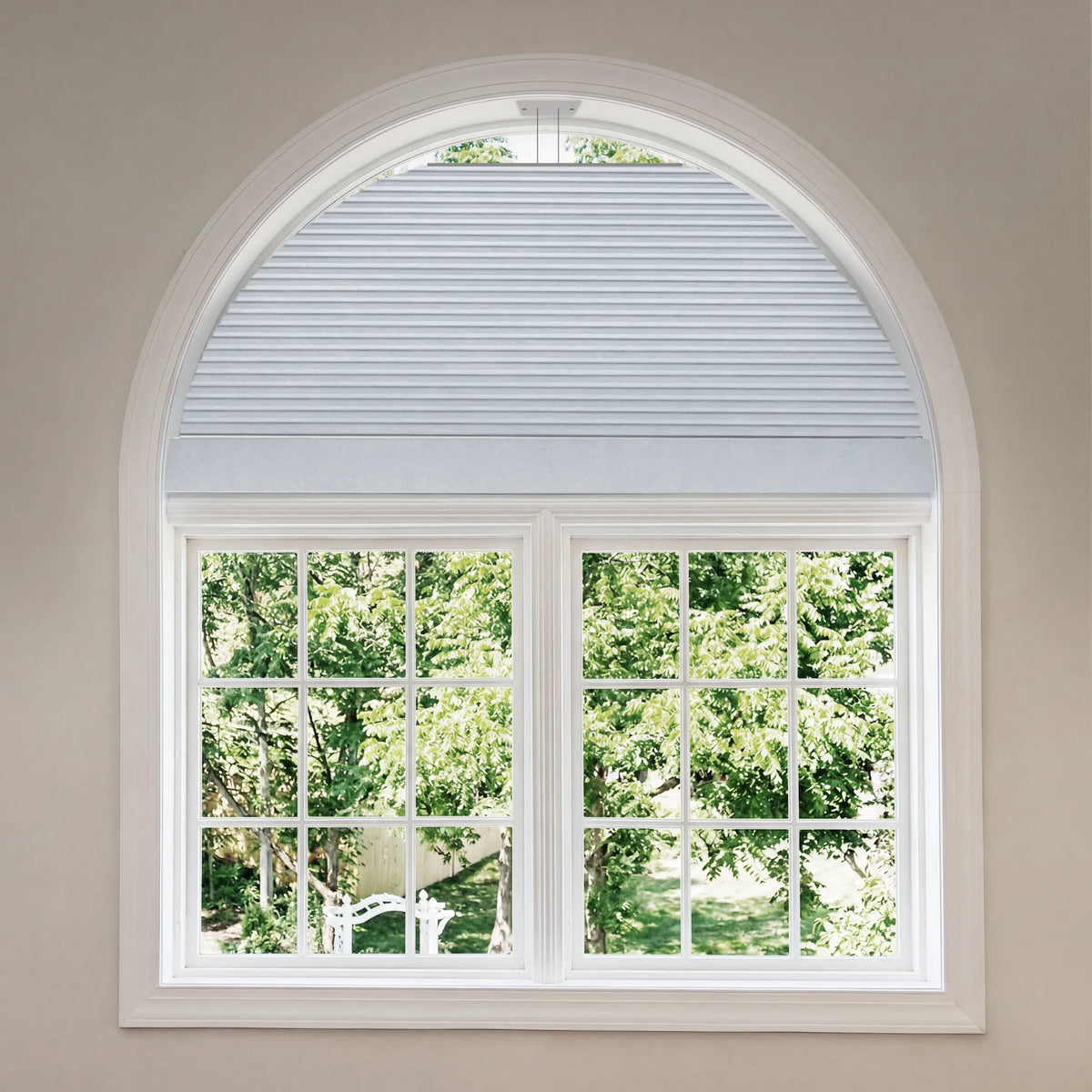
Graywind motorized cellular shades use honeycomb cells that trap air and add insulation at the window. This can reduce heat transfer and drafts, but it does not eliminate condensation.
Open cellular shades during the day in the heating season so the glass can warm and accumulated moisture can dry. A DOE-supported PNNL study found that raising the bottom rail approximately 0.5 inch above the sill can reduce condensation when a shade must remain closed.
Materials in High-Humidity Rooms
Persistent moisture can affect fabric, finishes, and hardware. Review the selected product's material and care instructions instead of assuming every fabric is mold-resistant, waterproof, or free of VOC emissions. Keep the treatment dry and follow the Graywind product care guide for routine maintenance.
Allow Airflow Behind the Shade
Side channels and tightly sealed edges may improve light control, but reducing airflow at the glass can increase condensation risk in cold conditions. If moisture appears behind a shade, open it to dry the windows or leave a small gap above the sill rather than sealing the covering more tightly.
Use Intelligent Automation Carefully
Depending on the selected motor and control system, schedules can open shades after sunrise and prevent them from remaining closed all day. Review the Graywind Smart Control Guide before choosing a motor or scheduling method.

Condensation inside a window is controlled primarily through humidity, ventilation, airflow, and window performance. Dry wet surfaces promptly, correct moisture sources and leaks, and distinguish room-side condensation from fog between panes.
Cellular shades can improve comfort and reduce heat transfer, but they are not a cure for condensation. Use them with daytime opening, adequate airflow, and regular checks of the glass and sill.