

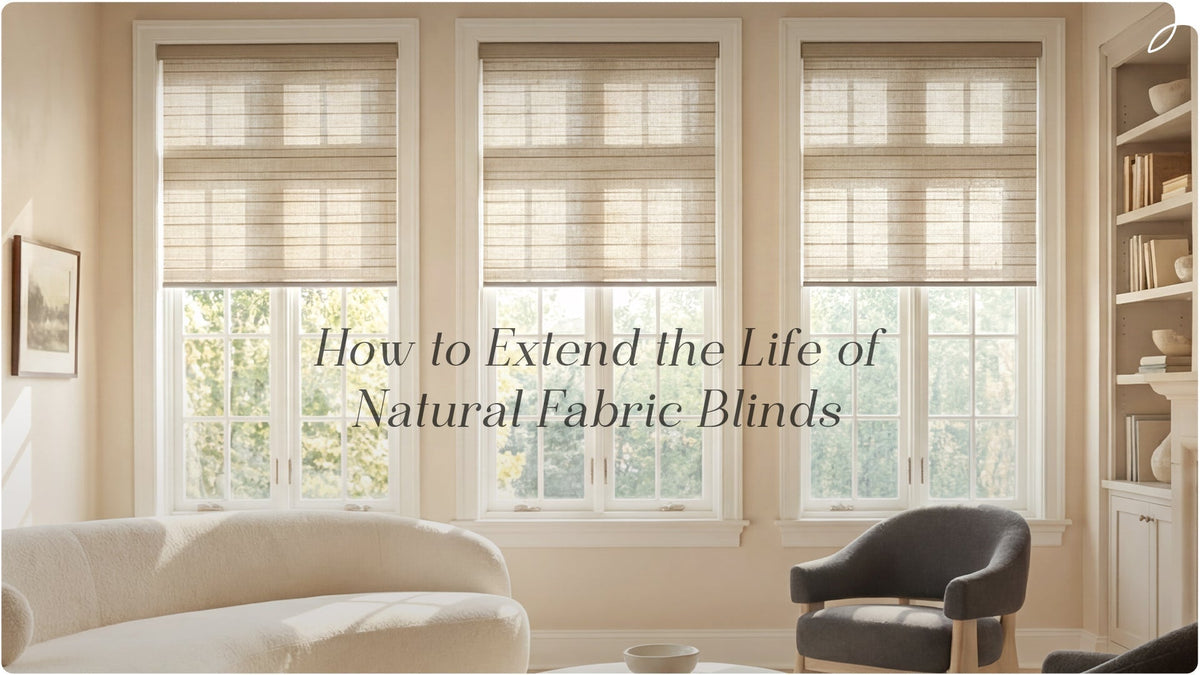
Natural fabric blinds bring warmth, texture, and organic beauty to any space. Materials like bamboo, linen, jute, and woven woods create a serene, earthy ambiance that synthetic alternatives often cannot match. However, their very nature--breathable, textured, and untreated--makes them more susceptible to wear. If you're wondering about the average lifespan of blinds made from natural materials, you’re not alone. With proper care, high-quality natural fabric blinds can grace your windows for many years. This guide will explain how to protect your investment, from daily upkeep to addressing common threats, and will introduce how Graywind's Natural Series are engineered for longevity.
Understanding Natural Fabric Blinds
'Natural fabric blinds' can include woven wood shades, bamboo or jute materials, linen blends, and fabrics with a natural woven appearance. Some contain plant fibers, while others use polyester or blended yarns. Check the listed composition instead of assuming that every Nature Series product uses the same material.
Natural and textured materials have several common vulnerabilities:
- Moisture sensitivity: Plant fibers and some blends may swell, warp, stain, or develop odor when they remain damp.
- Sun exposure: Strong, prolonged sunlight can produce uneven fading or make some fibers more brittle.
- Dust buildup: Open or textured weaves collect particles more easily than smooth surfaces.
- Physical stress: Pulling, twisting, forcing the mechanism, or cleaning aggressively can damage the fabric, edges, folds, or hardware.

What Shortens the Life of Natural Fabric Blinds?
Sunlight, humidity, dust, and rough handling often work together. Dust embedded in a textured weave can encourage aggressive cleaning. Moisture may then swell the fibers or leave marks, while direct sun makes color differences more visible. A shade that rubs against a handle, sill, or wall can also fray. Keep the treatment unobstructed and panel tracks free of debris.
What Is the Average Lifespan of Natural Fabric Blinds?
There is no reliable universal lifespan for natural fabric blinds. Service life varies with fiber content, construction, sun exposure, humidity, cleaning, use, and hardware condition. Fixed lifespan claims should not be used without product testing or warranty evidence. Monitor for persistent warping, spreading stains, damaged edges, distorted folds, or a mechanism that no longer moves correctly. Regular light maintenance is less stressful than delayed, aggressive cleaning.
How to Protect Woven Shades From Sun Damage
Woven shades do not normally have tilting vanes, so sun control comes from changing the shade height or adding another layer.
- Lower the shade during the strongest periods of direct sun, particularly on south- and west-facing windows.
- Raise it during gentler morning or evening light when full coverage is unnecessary.
- Add a sheer curtain when you want softer daylight while reducing the intensity reaching the woven surface.
- Keep nearby sections at similar positions to limit uneven exposure.
These steps may reduce exposure, but they cannot prevent every color change. Gradual variation can be normal in plant-based fibers and textured blends.

How to Clean Natural Fabric Blinds Safely
Graywind's Window Treatment Cleaning Guide recommends dry methods first for natural woven, fabric, and textured materials.
Routine Dusting
Dust every one to two weeks, or more often around pets and open windows.
- Use a feather duster, microfiber cloth, or vacuum on low suction with a soft brush attachment.
- Work in the direction of the weave instead of rubbing across it.
- Support delicate slats, folds, or panels while cleaning.
- Clean panel track fabrics from top to bottom and remove debris from the track.
Spot Cleaning
Blot a mark with a clean, dry white cloth first. Use a slightly damp cloth only when the care instructions permit moisture. Test a hidden area and use as little water as possible. Do not soak, scrub, twist, or roll up the treatment while damp.
Avoid bleach, vinegar, furniture polish, abrasive brushes, solvents, and all-purpose cleaners. Follow the instructions for the exact material.

Caring for Graywind Nature Series Styles
Graywind offers natural-look textures across several treatment types. Their materials and operating systems differ, so each needs product-specific care.
Nature Series Roller Shades
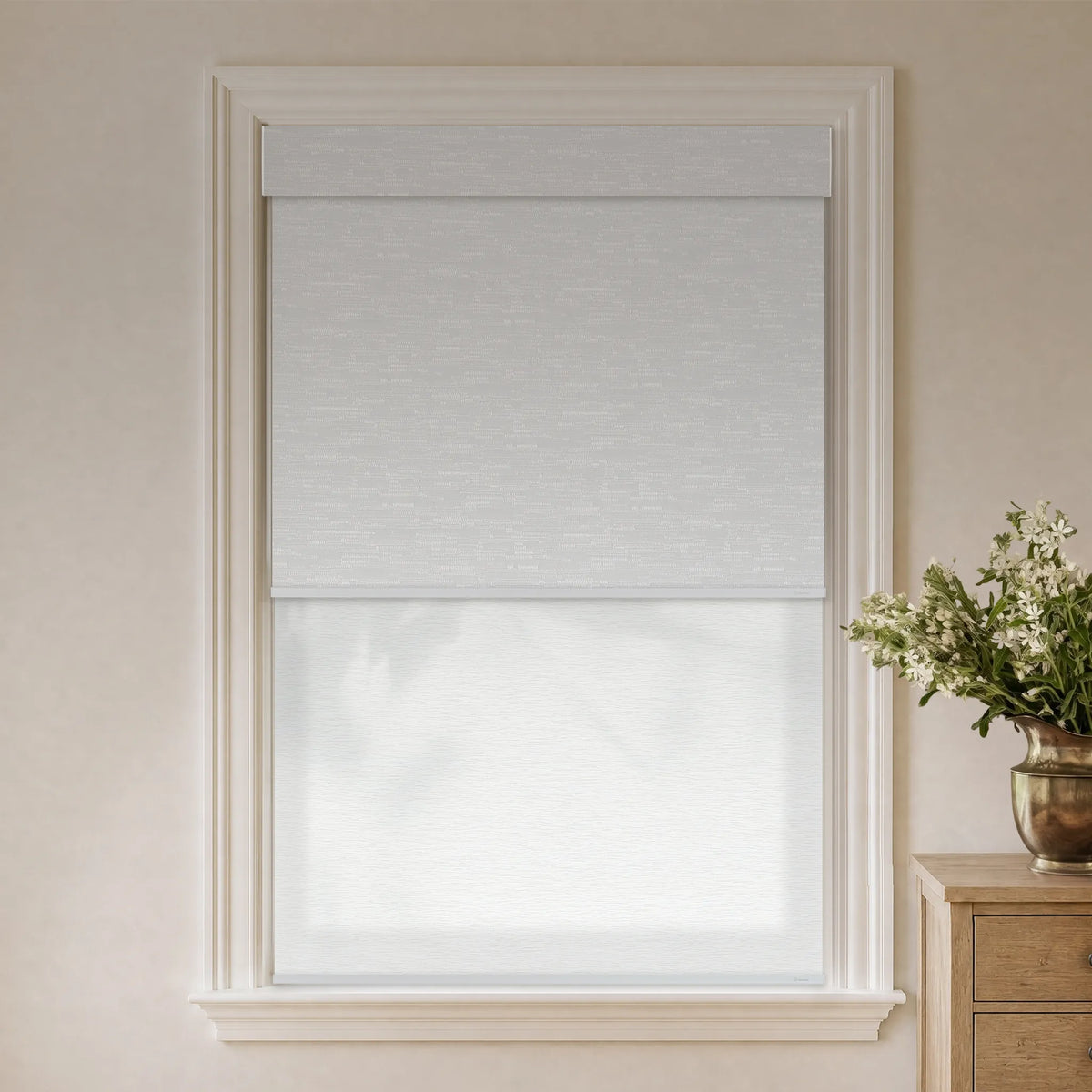
Graywind Motorized Roller Shades in the Nature Series use light-filtering fabrics with organic-inspired textures. Current colors include Wheat, Quarry, Terrazzo, Barkwood, and Truffle. Composition varies by selection, so check the specifications before cleaning. Dust the fully lowered fabric gently without rubbing.
Natural Fabric Panel Track Blinds
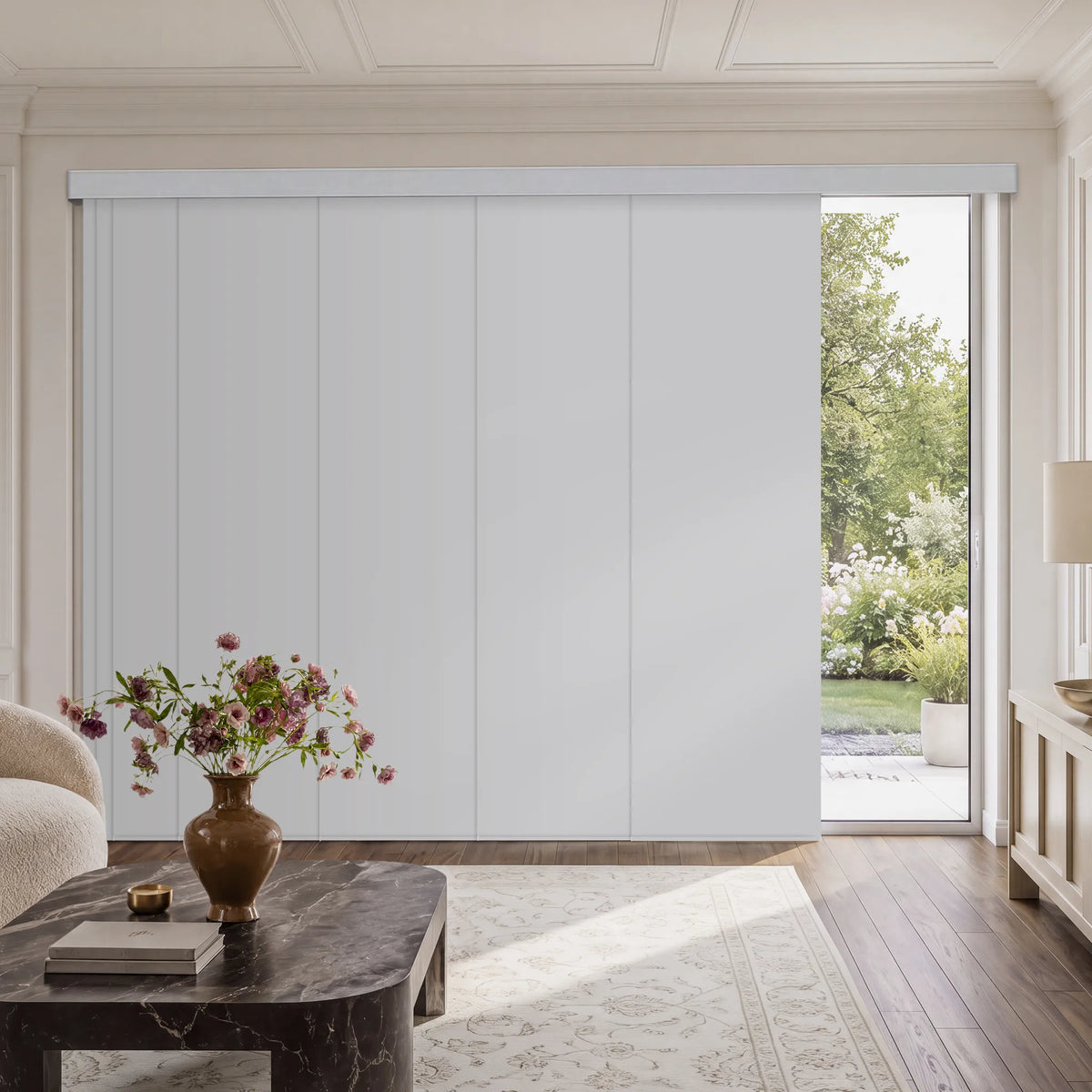
Graywind Manual Panel Track Blinds include light-filtering natural fabric options such as Moonlight, Cotton, Terrazzo, Wheat, Quarry, and Barkwood. Clean each panel from top to bottom with a dry method first and keep the track clear. Do not wash or remove a panel unless its instructions allow it.
Semi-Sheer Nature Fabric Roman Shades
Graywind Motorized Roman Shades with Semi-Sheer Nature Fabric create a woven appearance while softly filtering daylight. Current specifications identify the fabric as polyester, so it should not be described as solid wood or untreated plant fiber. Vacuum the surface and folds on low suction and blot minor marks carefully.

Natural fabric blinds benefit most from preventive care: limit prolonged sun and moisture, remove dust before it becomes embedded, keep the operating system clean, and follow the instructions for the exact fabric. Compare the material, light-filtering level, room conditions, and maintenance requirements before choosing a Graywind Nature Series style.


1 comment
The manual sliding panel blinds in my home contain natural linen components. They are very beautiful, but they tend to curl up when the temperature is high in summer.