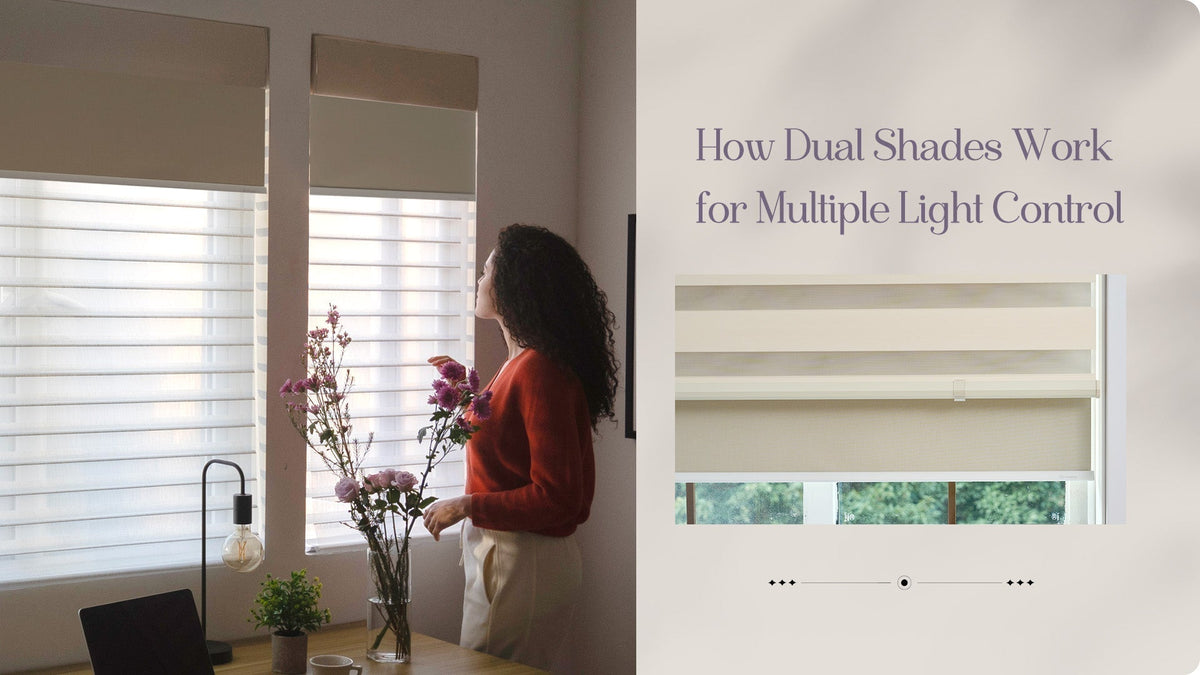
Dual shades provide multiple levels of light control by combining two independently operated fabric layers in one coordinated system. One layer usually filters daylight, while the other provides stronger privacy and room darkening. Depending on the configuration, you can soften direct sun, reduce screen glare, cover the window with blackout fabric, or raise both layers for an open view. Graywind's current Dual Shades collection for rooms that need different light conditions throughout the day.

What is the Point of Double Blinds?
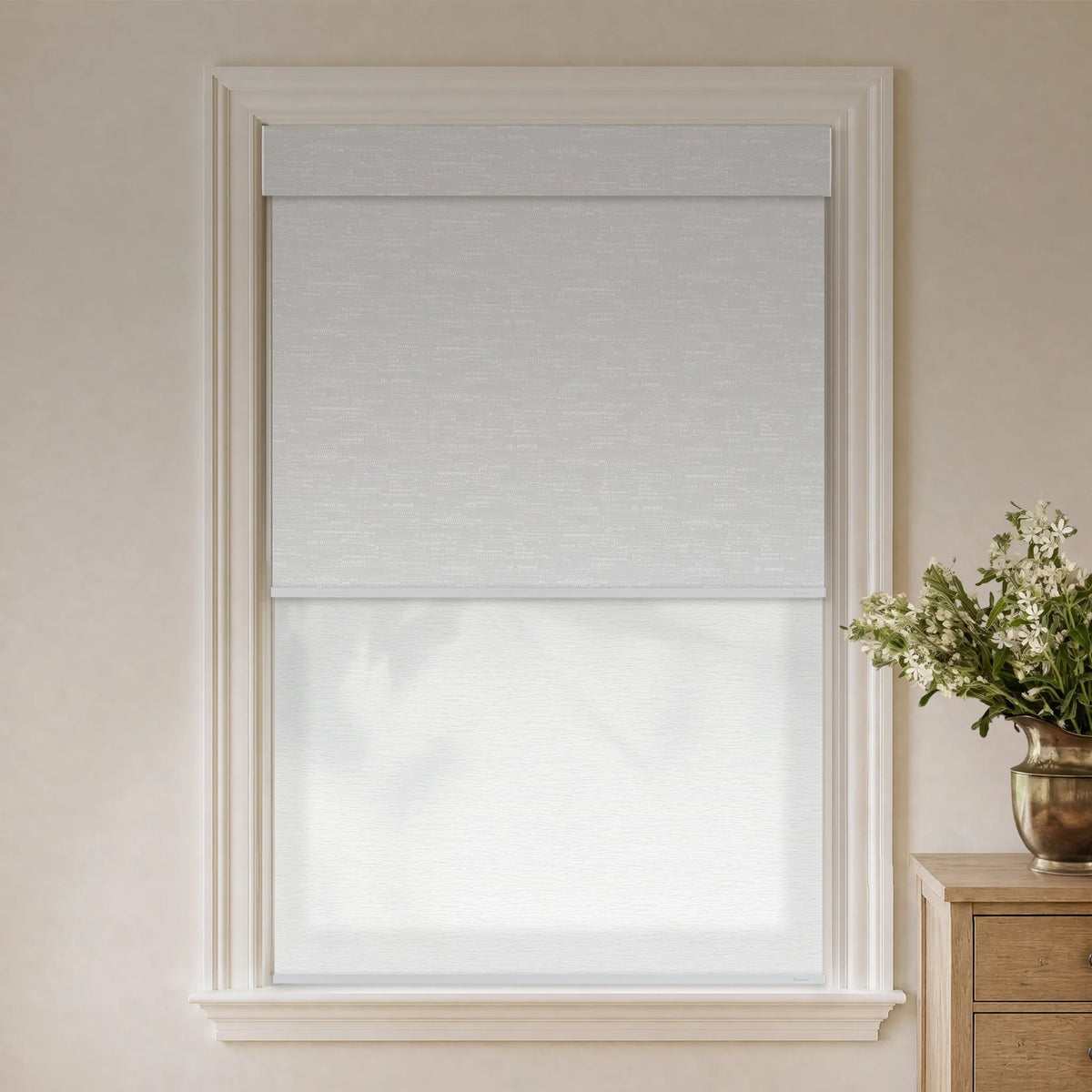
Double blinds, more commonly called dual shades, allow one window treatment to perform two different light-control functions. A single roller shade has one fixed opacity, but a dual system places two separately operated fabrics within one headrail.
For example, a light-filtering layer can soften daylight in the morning, while a blackout layer can provide stronger coverage at night. Because the layers move independently, the user can select the fabric that suits the current activity instead of installing a separate shade and curtain.
Are Dual Shades Worth It?
Dual shades are useful when a room regularly changes function or requires different levels of privacy throughout the day.
Advantages
- Flexible light control: Switch between filtered daylight, stronger room darkening, and an open window.
- Space efficiency: Two fabric functions share one coordinated headrail instead of using two separate treatments.
- Additional window coverage: Layered fabrics can add another barrier at the glass, although performance depends on fit and fabric.
- Coordinated appearance: Fabrics and colors can be selected to work together within one streamlined system.
- Independent operation: Each layer can be positioned according to the time of day, glare level, or privacy requirement.
What Are the Disadvantages of Dual Shades?
Dual shades also have practical limitations:
- Higher cost: Two fabrics, two operating mechanisms, and a larger headrail generally cost more than a single roller shade.
- More mounting space: The cassette must house both fabric rolls, so shallow frames may not provide enough depth for a fully recessed inside mount.
- More components: Two motors or operating mechanisms create more parts to configure and maintain.
- Possible light gaps: Blackout fabric blocks light through the material, but light can still enter around the edges. Mounting method and fit affect the final darkness.
- More decisions: Fabric order, opacity, motor, controls, and headrail size must be confirmed before ordering.
What Are the Best Options for Dual Window Shades?
The 'best' option depends on your specific needs for style, light control, and ambiance. Graywind offers three standout combinations, each creating a distinct look and feel:
- Roller Shade + Roller Shade: The classic and most versatile duo. You can pair a sheer fabric with a 100% blackout fabric. This is the go-to choice for rooms like bedrooms, where you need to "easily switch day and night in one window." Install the blackout fabric in the front for total darkness or the sheer in the front for a softened view.
- Roller Shade + Shangrila Shade: The best versatile solution for elegant light diffusion. This combination pairs the clean functionality of a roller shade with the soft, fabric-vaned beauty of a Shangri-La shade. It creates a warm, comfortable, and sophisticated environment, perfect for living rooms and dining areas where ambiance is key.
- Roller Shade + Zebra Blind: For modern style and precise dimming. The zebra blind's alternating sheer and solid stripes allow for meticulous light adjustment. By misaligning the stripes, you can diffuse harsh sunlight without completely blocking it—ideal for a home office or study to reduce glare on screens.

How Graywind Dual Shade Work
Graywind dual shades use separate operating mechanisms for the two layers. Each fabric can be positioned independently through the compatible controls selected with the product. Remote, app, voice, and smart-home functions depend on the chosen motor and accessories, so check the Smart Control Guide before ordering.
Blackout Mode
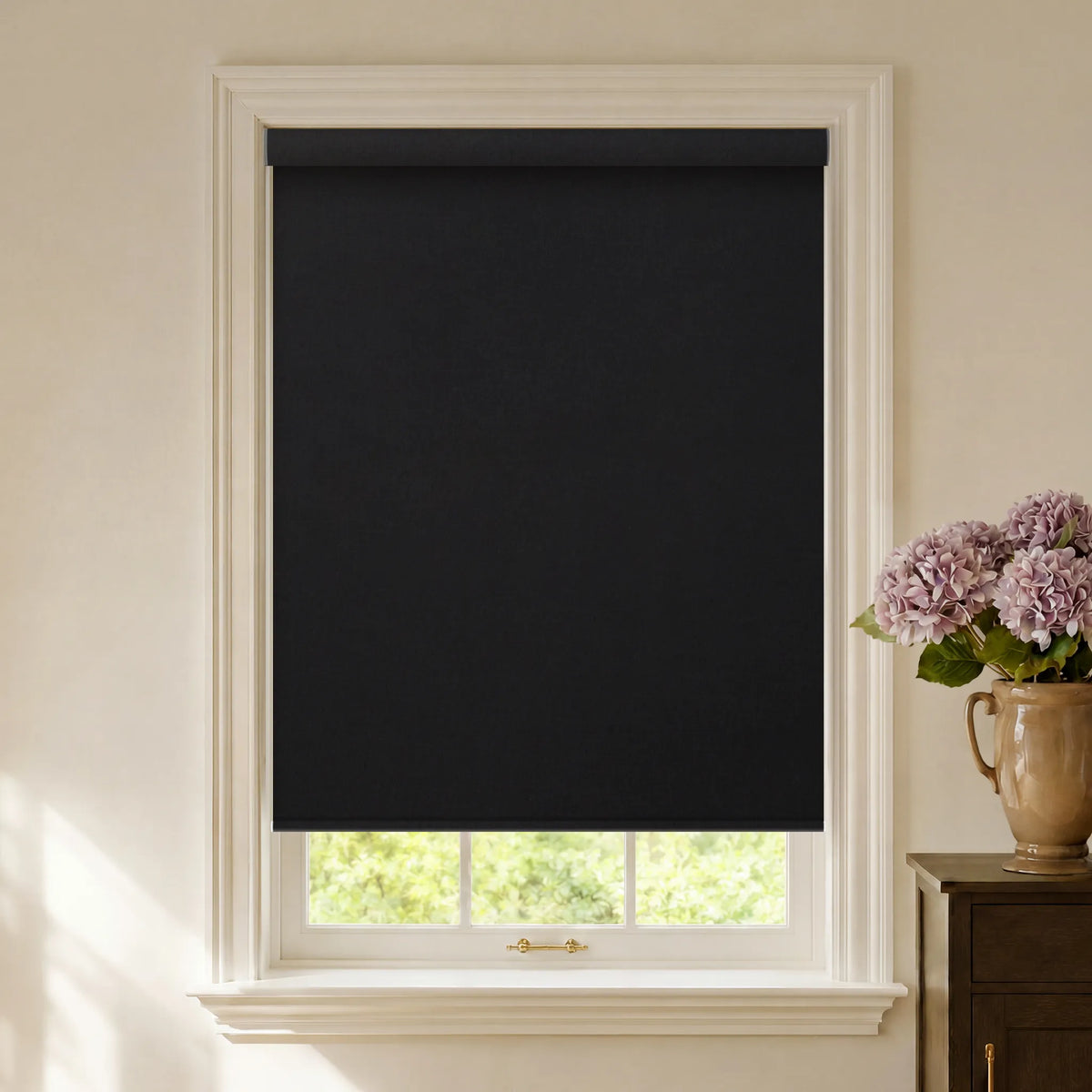
Lower the blackout layer for stronger room darkening and privacy. This mode suits sleep, daytime rest, or movie viewing. Blackout refers to the fabric's opacity; edge gaps may remain unless the mount and surrounding coverage are designed to reduce them.
Filtered or Dimming Mode
Lower the light-filtering roller to soften direct sunlight without making the room fully dark. With Roller + Zebra shades, adjust the band alignment to change the balance between incoming light and privacy. This mode can reduce harsh contrast and screen glare while maintaining ambient daylight.
Open-View Mode
Raise both layers to expose the window and maximize natural light and the outdoor view. Lowering a sheer or light-filtering layer will soften the light and partially screen the view, but it will not provide the same unobstructed outlook as raising both shades.

Where Do Dual Shade Work Best?
- Bedroom: Use the light-filtering layer during the day and the blackout layer for sleep or stronger nighttime privacy.
- Living room: Raise both layers for an open view, filter bright daylight when glare develops, and lower the blackout layer for television or movies.
- Home office or study: Use Roller + Zebra shades to adjust the bands as sunlight moves across the desk or monitor.
- Children's room: Use filtered light for daytime activities and blackout coverage for naps or early summer bedtimes.

Ready to transform your home's lighting and style? Explore Graywind's dual shade today. Discover the perfect combination of form and function to finally achieve the versatile, beautiful, and comfortable living space you've been imagining.