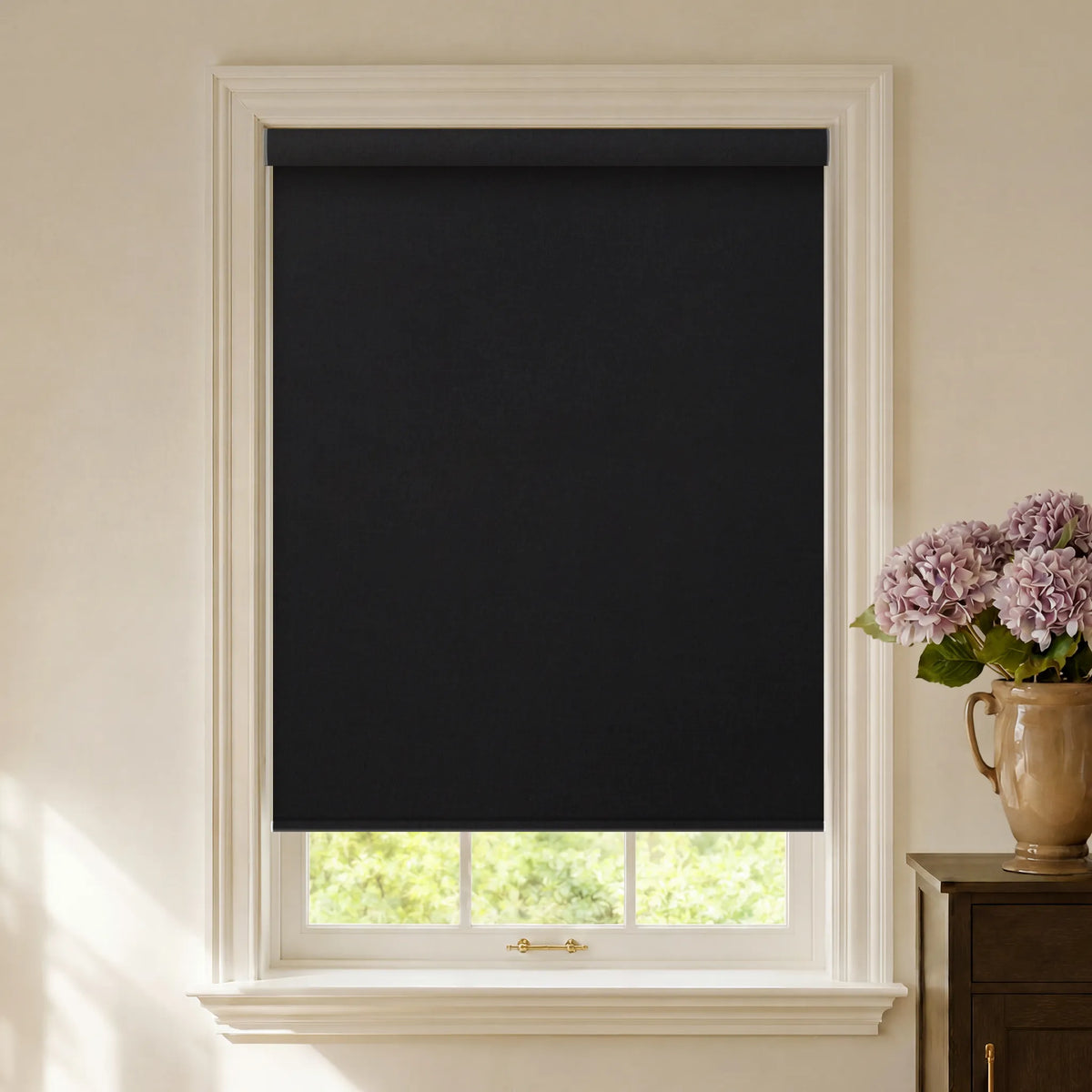
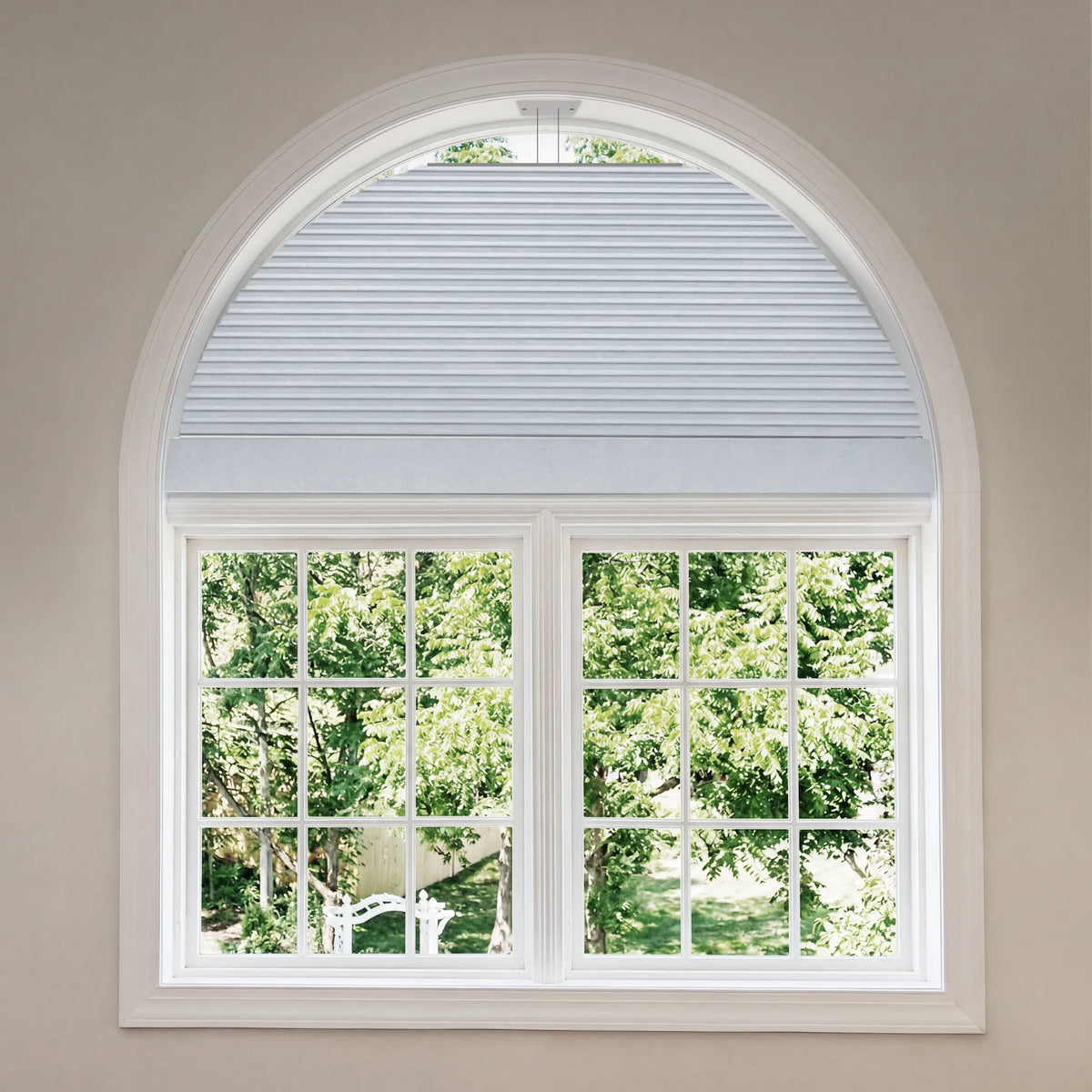
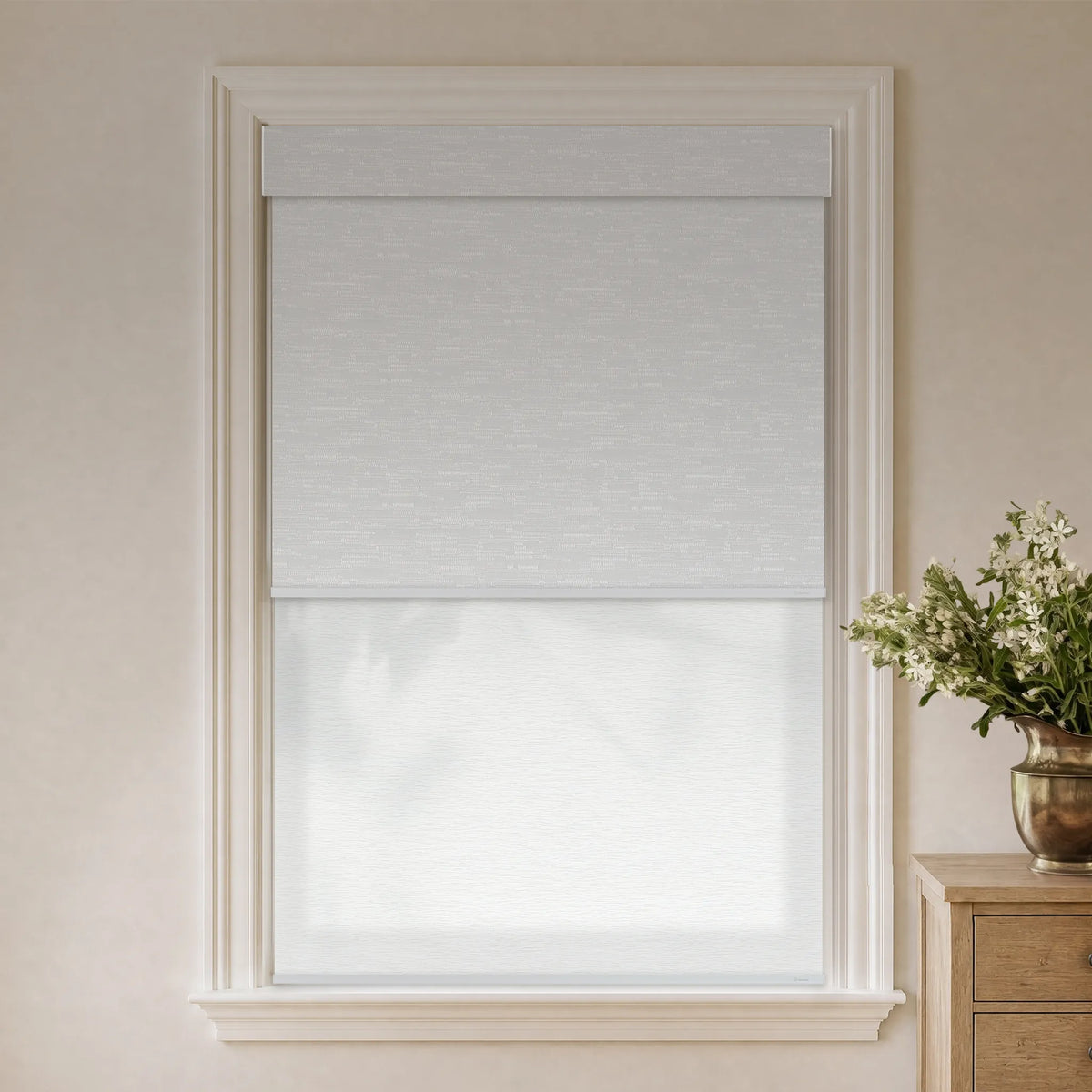
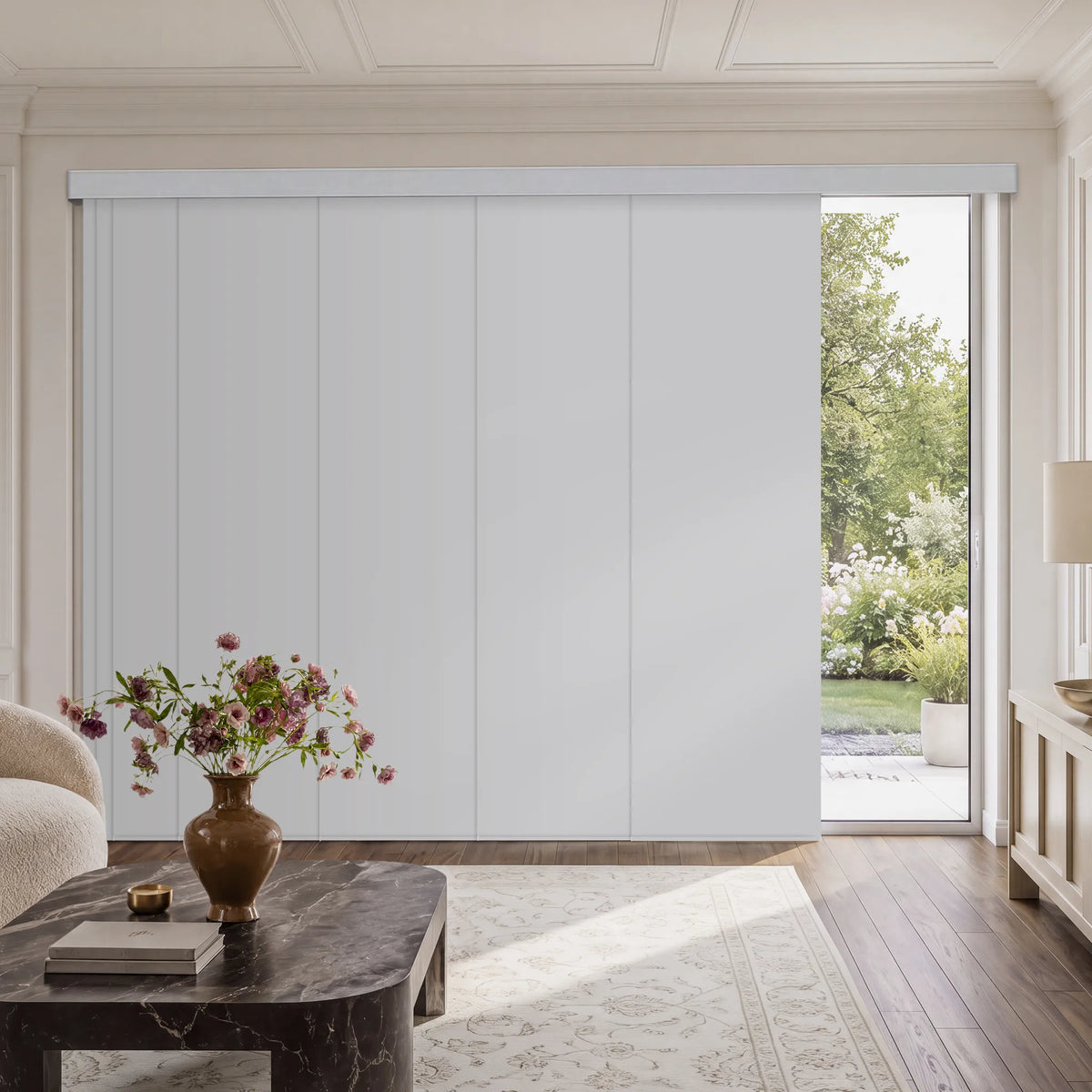
Graywind Manual Light Filtering Panel Track Blinds | Premium Fabric
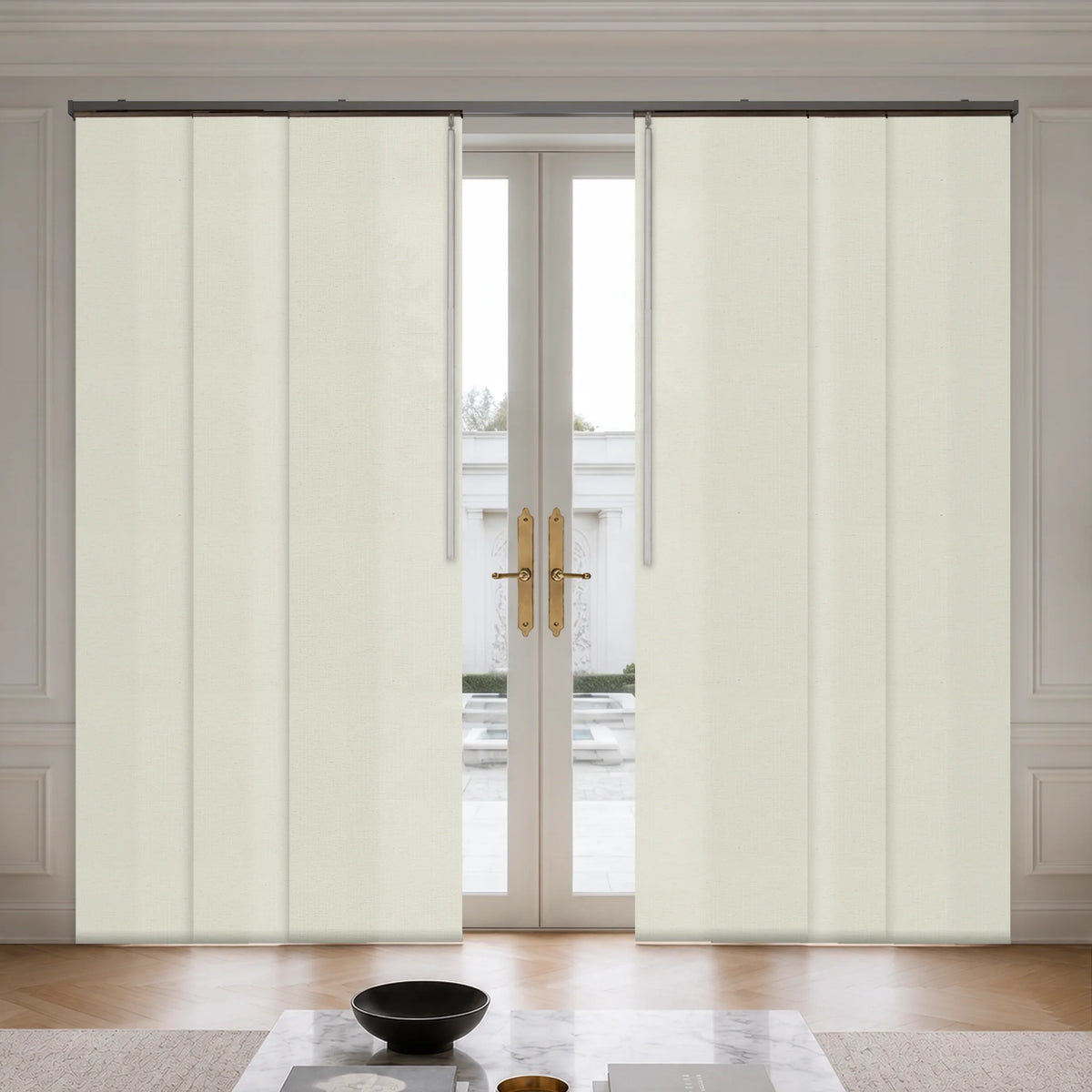
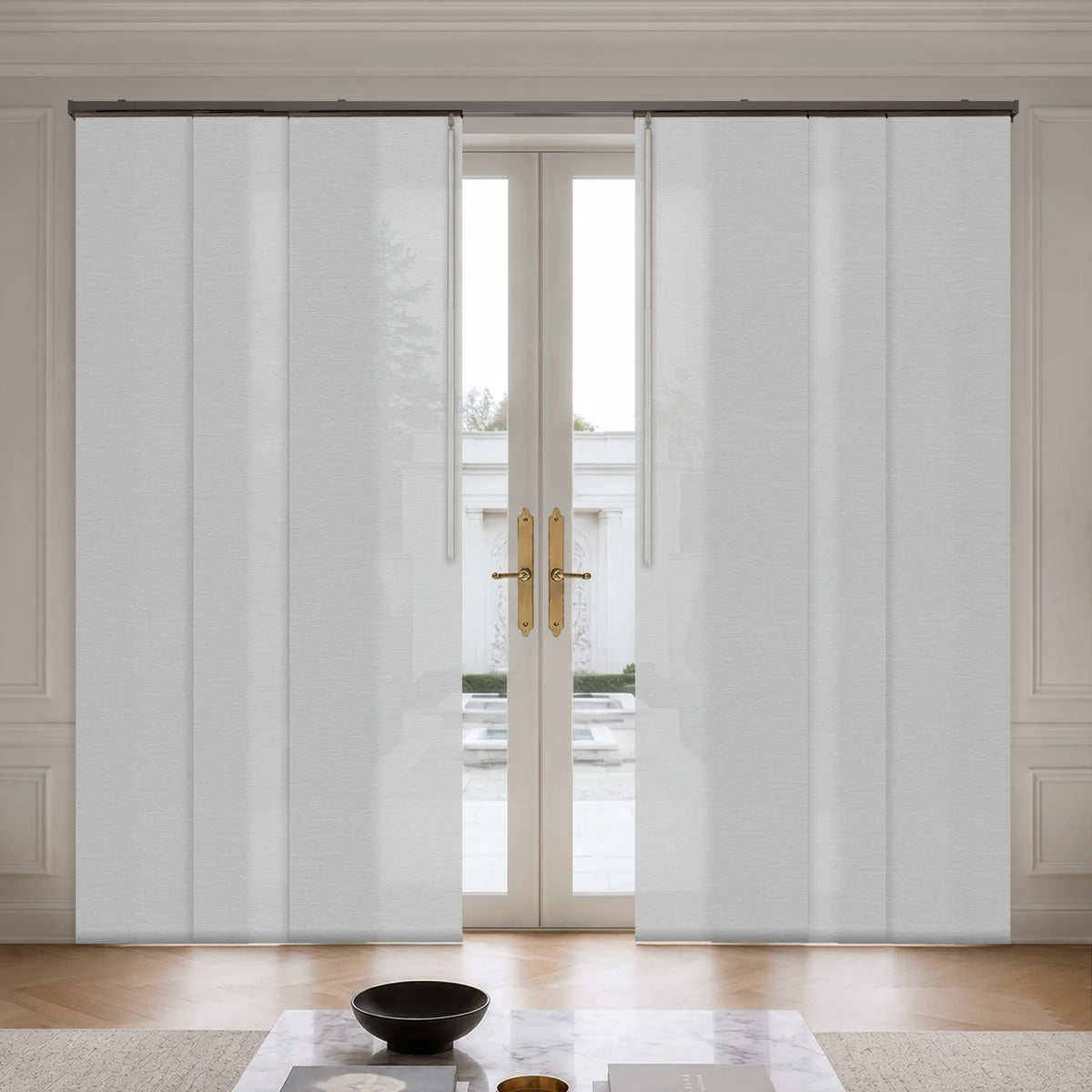
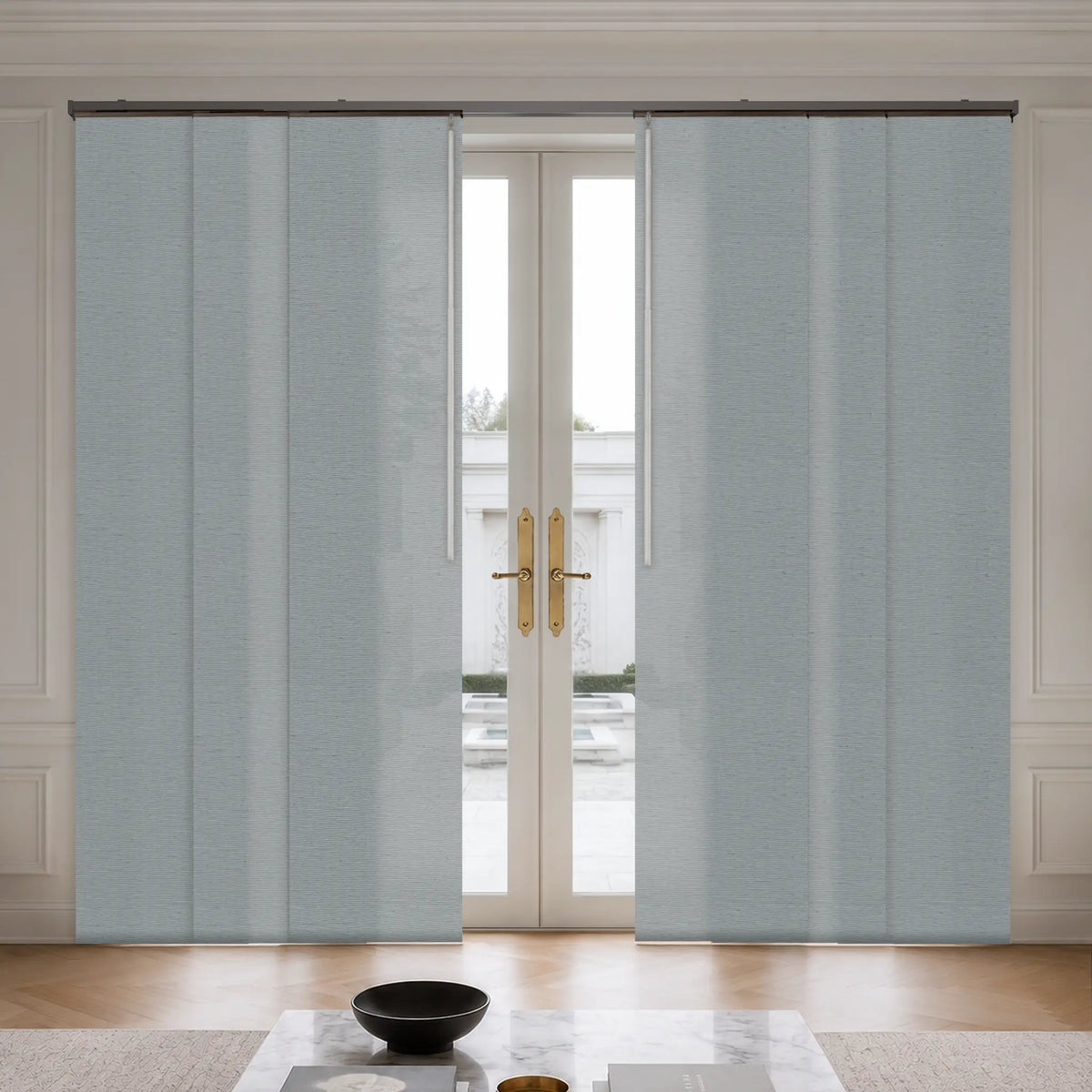
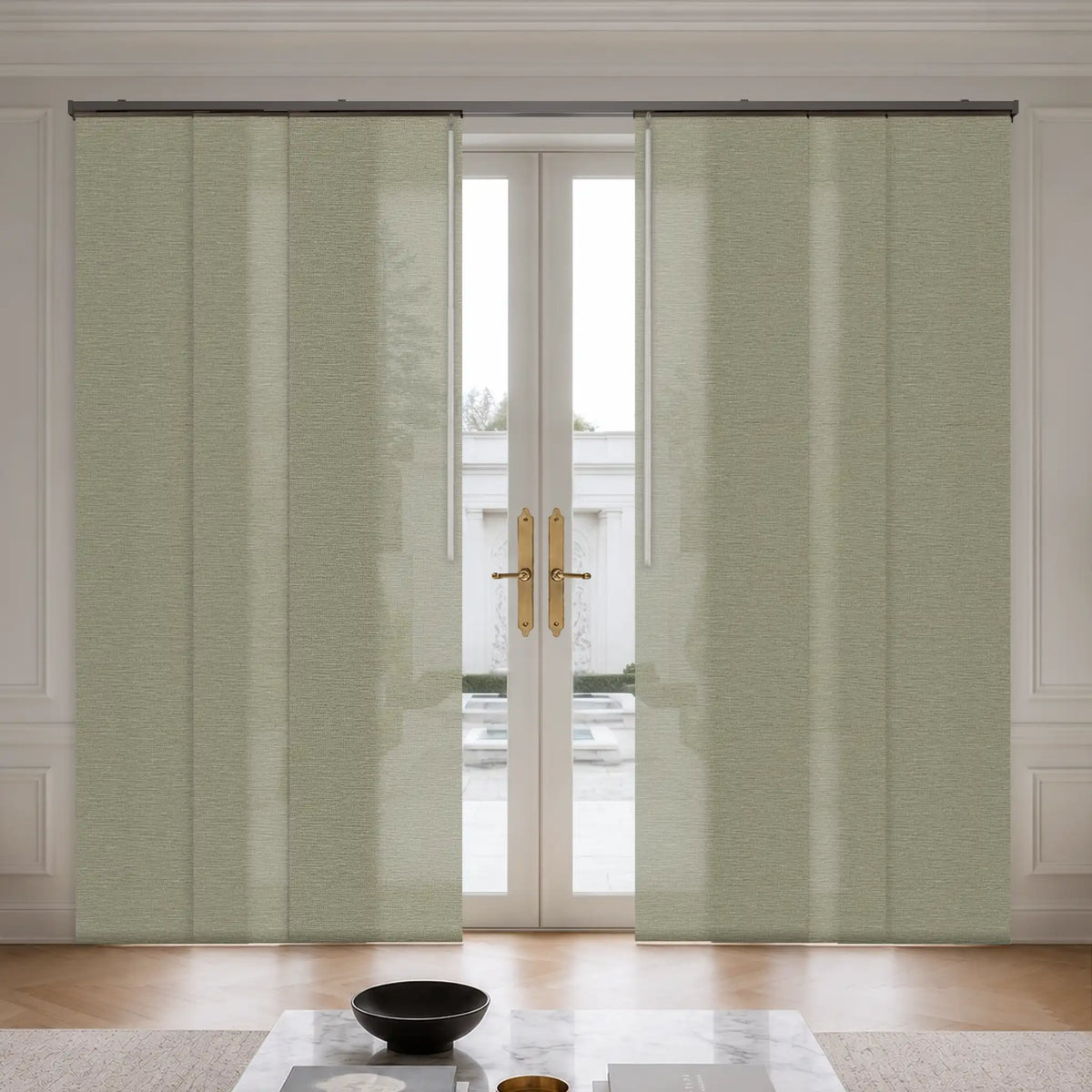


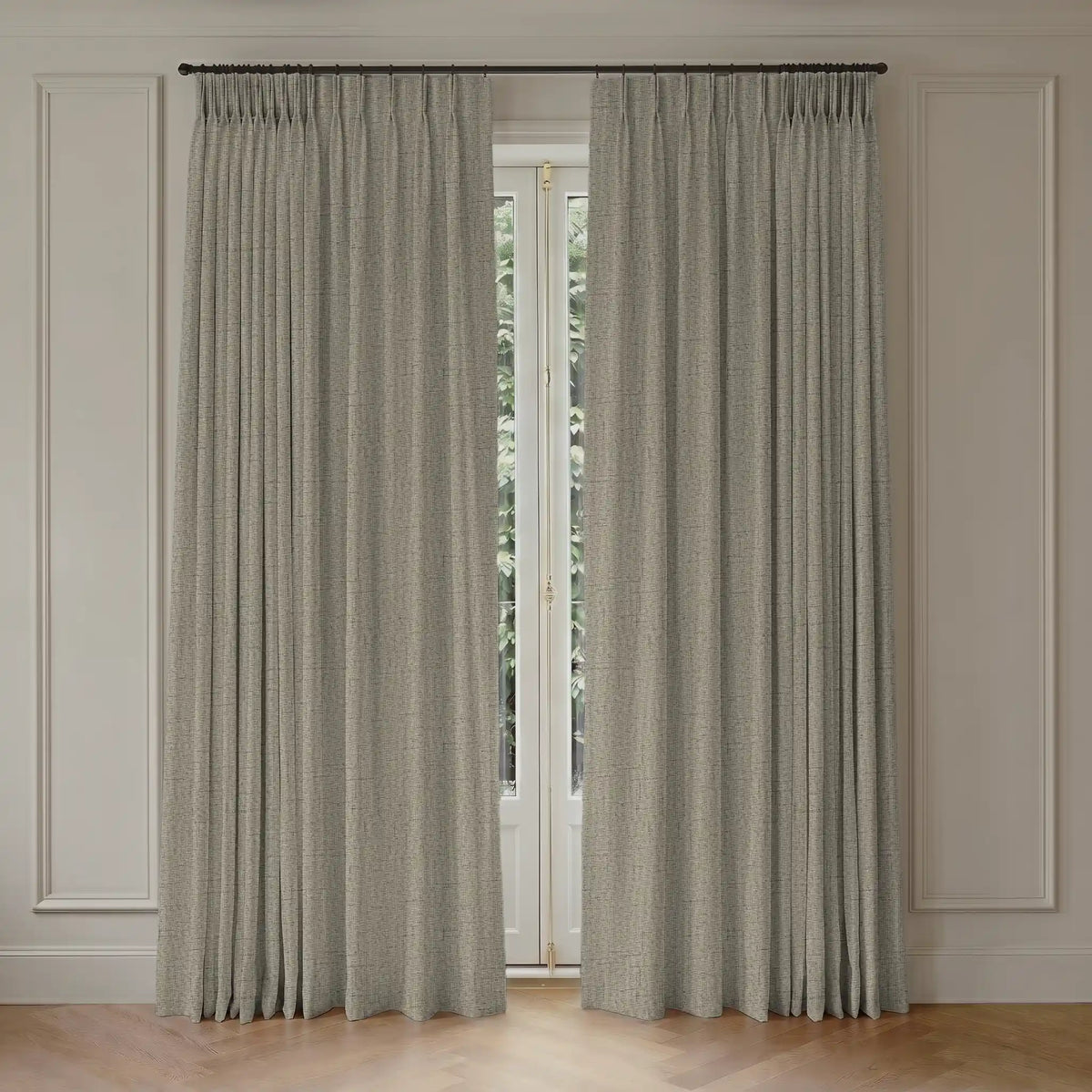
Graywind Motorized Light Filtering & Sheer Curtain with Rod | Premium Fabric
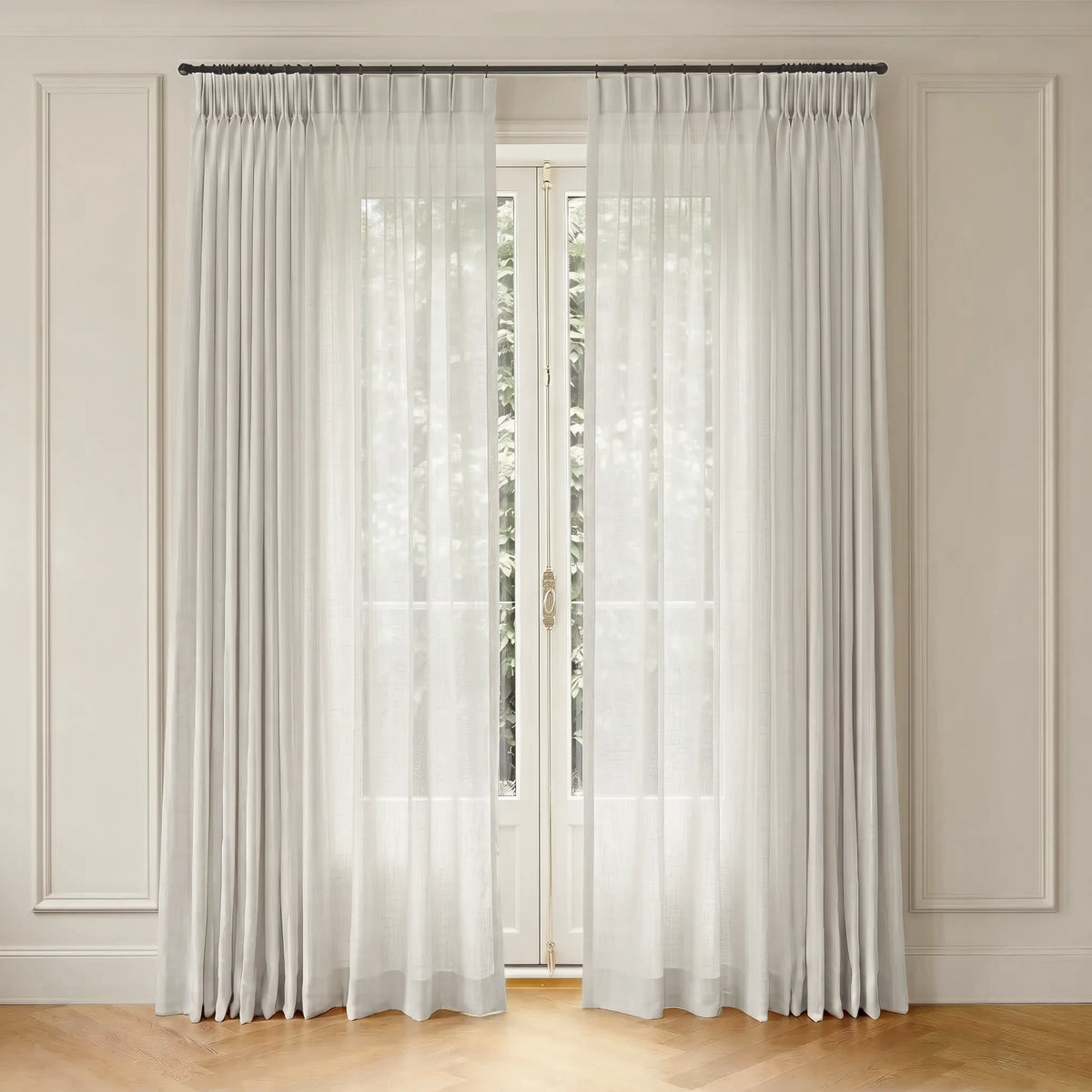
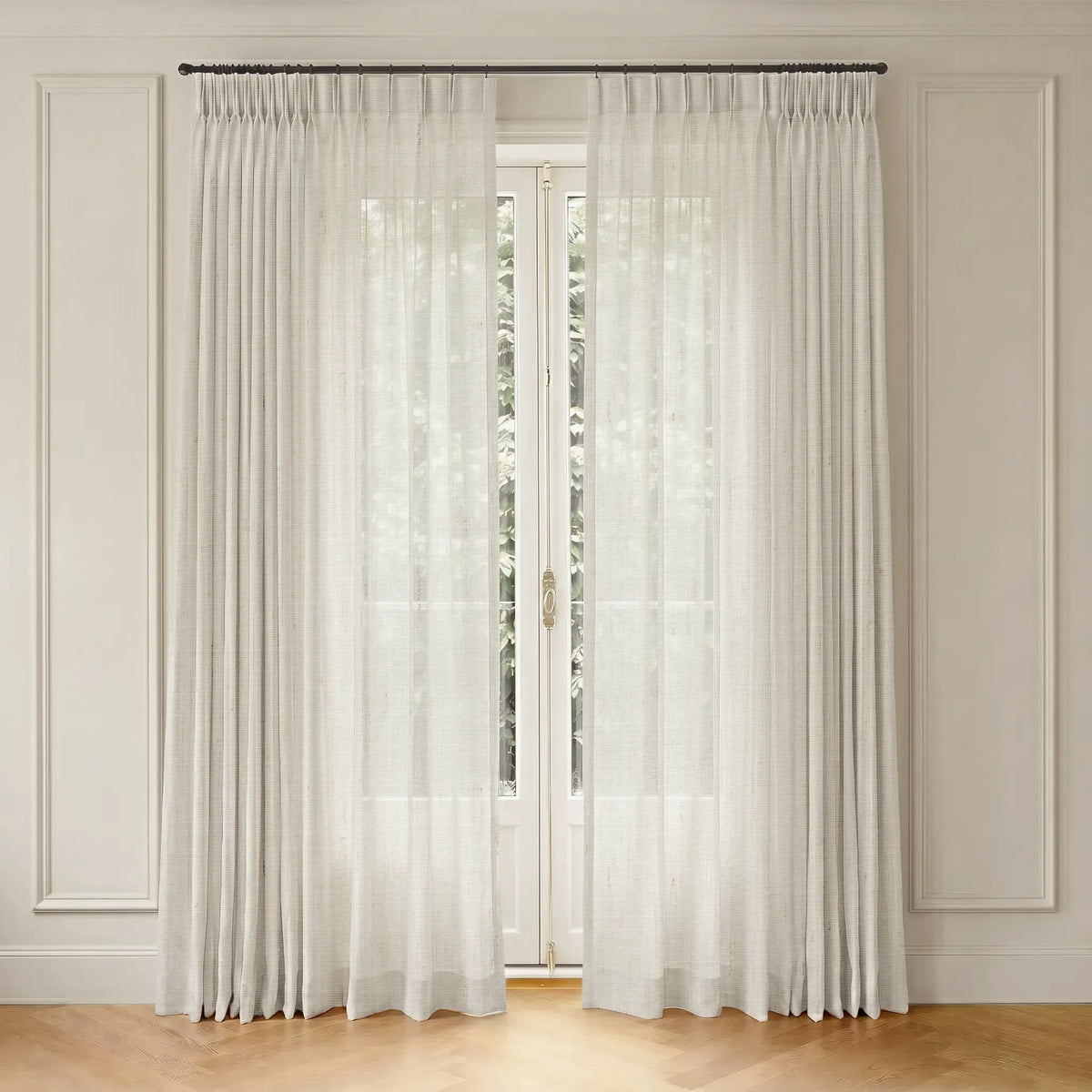
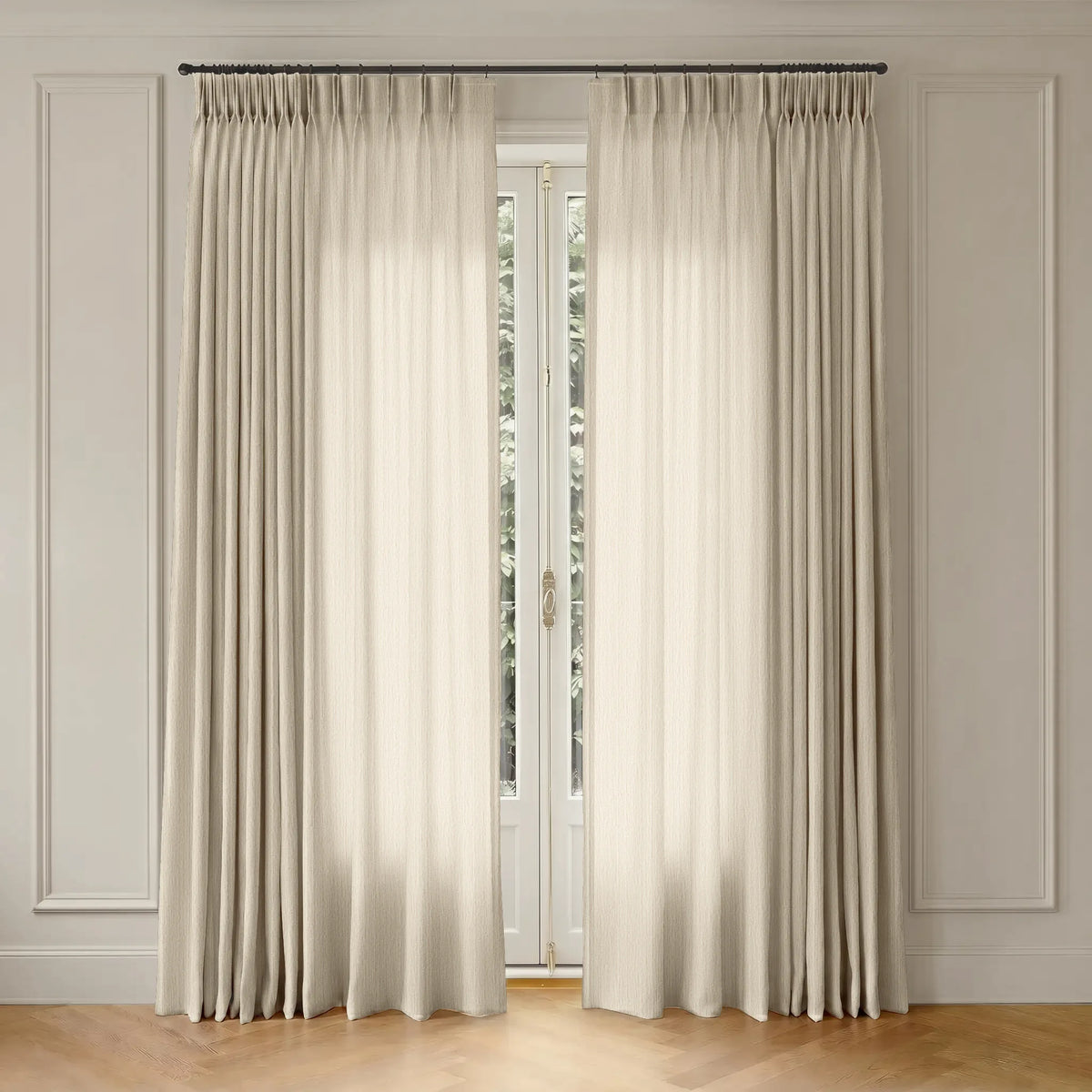
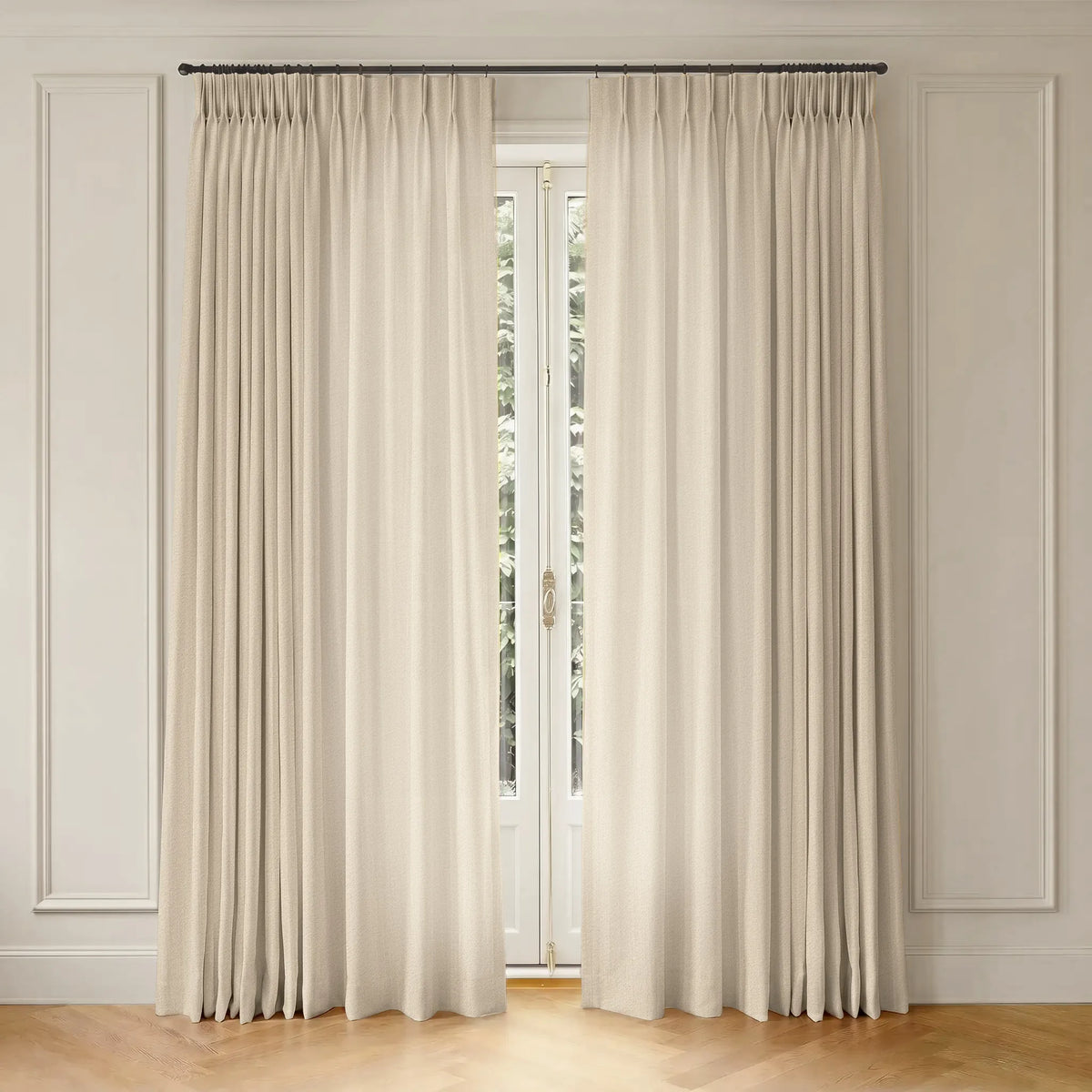
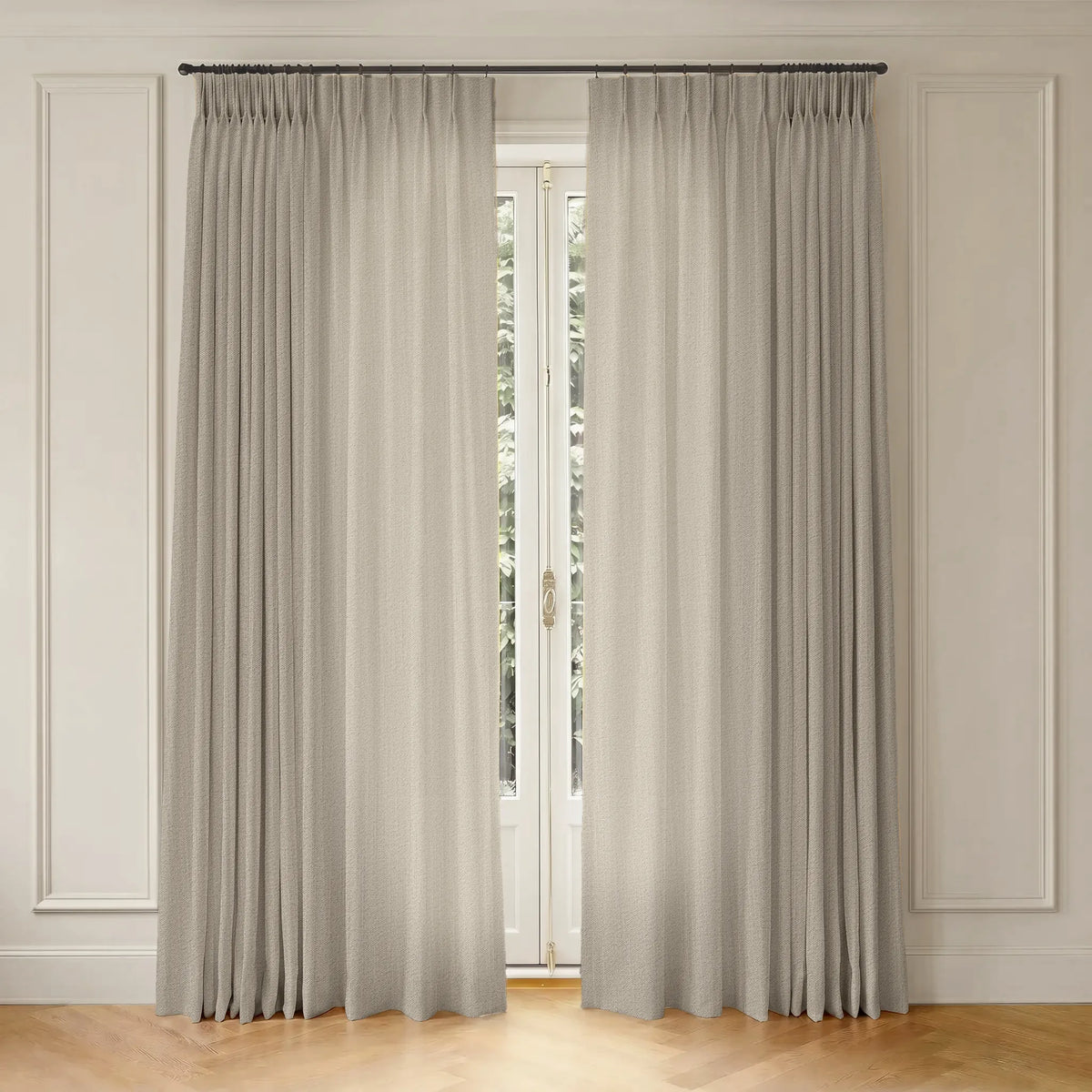
Learn More about Light Filtering Shades
Light Filtering Shades FAQ
What do light-filtering shades do to harsh sunlight and overall room brightness?
What do light-filtering shades do to harsh sunlight and overall room brightness?
They diffuse direct sunlight and reduce sharp contrast across the window, creating a softer and more even glow. The room generally remains bright, although the final brightness depends on the fabric density, color, window direction, and time of day.
Can people see through light-filtering shades at night when the indoor lights are on?
Can people see through light-filtering shades at night when the indoor lights are on?
Some fabrics may show shadows, silhouettes, or movement when the room is brighter than the outdoors. They should not be assumed to provide complete nighttime privacy. Test the selected swatch after dark or add an opaque second layer where privacy is essential.
How much daytime privacy do light-filtering shades provide from sidewalks or nearby homes?
How much daytime privacy do light-filtering shades provide from sidewalks or nearby homes?
They commonly obscure interior details during the day, especially when outdoor light is stronger. Privacy varies with the weave, color, distance from the window, viewing angle, and indoor brightness. Street-level windows may benefit from a denser fabric or top down bottom up positioning.
Do light-filtering shades reduce glare enough for a television or computer screen?
Do light-filtering shades reduce glare enough for a television or computer screen?
They can reduce moderate glare by diffusing direct light, but strong sunlight may remain visible on a screen. If the window faces intense afternoon sun or sits directly opposite a television, consider solar, room-darkening, or layered coverage.
Can light-filtering fabric help protect artwork, flooring, and furniture from UV exposure?
Can light-filtering fabric help protect artwork, flooring, and furniture from UV exposure?
It may reduce part of the sunlight reaching interior surfaces, but the amount of UV reduction varies by material. Do not assume a fabric provides a specific protection level unless the product supplies verified performance data. Valuable or highly exposed interiors may require a treatment designed specifically for solar and UV control.
Which rooms benefit most from soft, diffused natural light?
Which rooms benefit most from soft, diffused natural light?
Living rooms, dining rooms, kitchens, offices, reading areas, hallways, and other spaces used throughout the day are strong candidates. Bedrooms can also use filtered light when daytime brightness is preferred and a separate treatment handles nighttime privacy or darkness.
How do fabric color and texture affect brightness and the view outside?
How do fabric color and texture affect brightness and the view outside?
Lighter colors often create a brighter visual effect, while darker or denser fabrics can reduce perceived brightness. Texture and weave determine how evenly light is scattered and how much of the outside view remains visible. Always compare the material while backlit at the actual window.
Are light-filtering shades suitable for bathrooms or street-facing rooms?
Are light-filtering shades suitable for bathrooms or street-facing rooms?
They may work when the chosen fabric provides sufficient screening and is appropriate for the room’s humidity. For better daytime privacy, a top down bottom up treatment can cover eye-level views while admitting light above. Nighttime privacy should still be tested with the indoor lights on.
Will light-filtering shades still allow enough sunlight for indoor plants?
Will light-filtering shades still allow enough sunlight for indoor plants?
They continue to admit daylight, but they reduce and diffuse its intensity. Whether that is sufficient depends on the plant species, window orientation, season, shade fabric, and distance from the glass. Monitor the plant rather than treating the fabric label as a fixed light measurement.
What should I look for if I want soft daylight without making the room feel exposed?
What should I look for if I want soft daylight without making the room feel exposed?
Choose a translucent but sufficiently dense fabric and examine it against the window during both daytime and evening conditions. Consider texture, weave, room orientation, nearby sightlines, and nighttime lighting. Top down bottom up or layered treatments provide more flexibility when privacy needs change throughout the day.