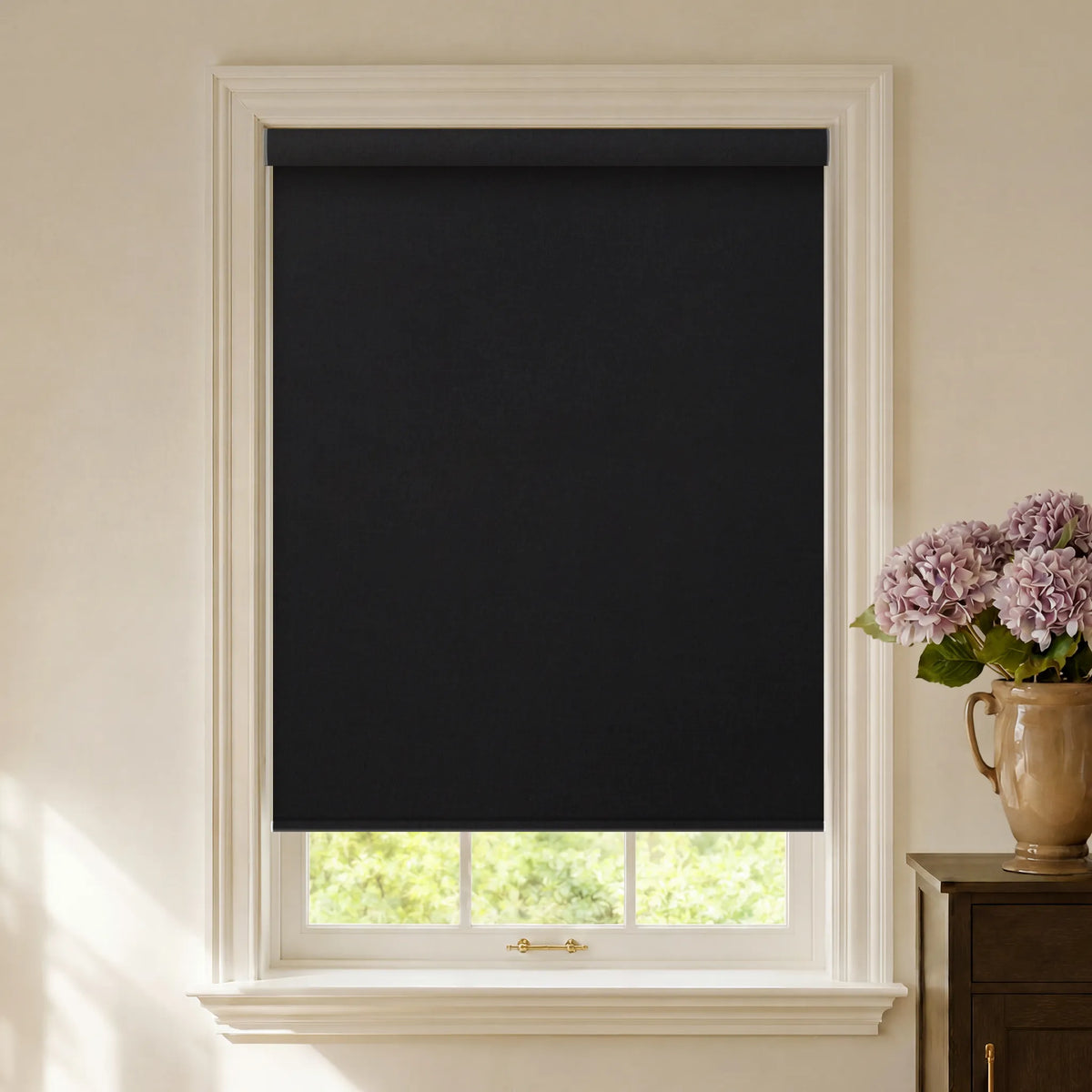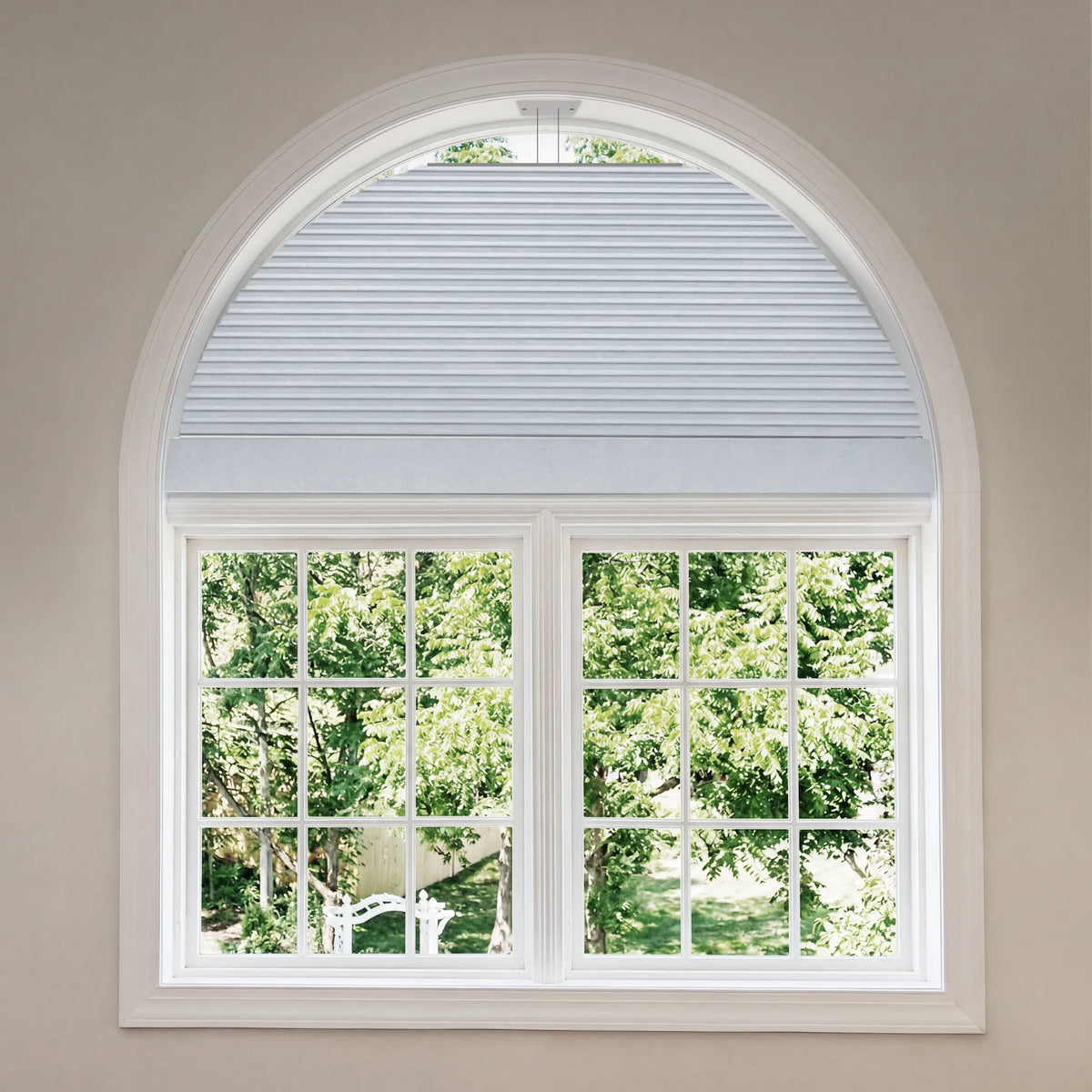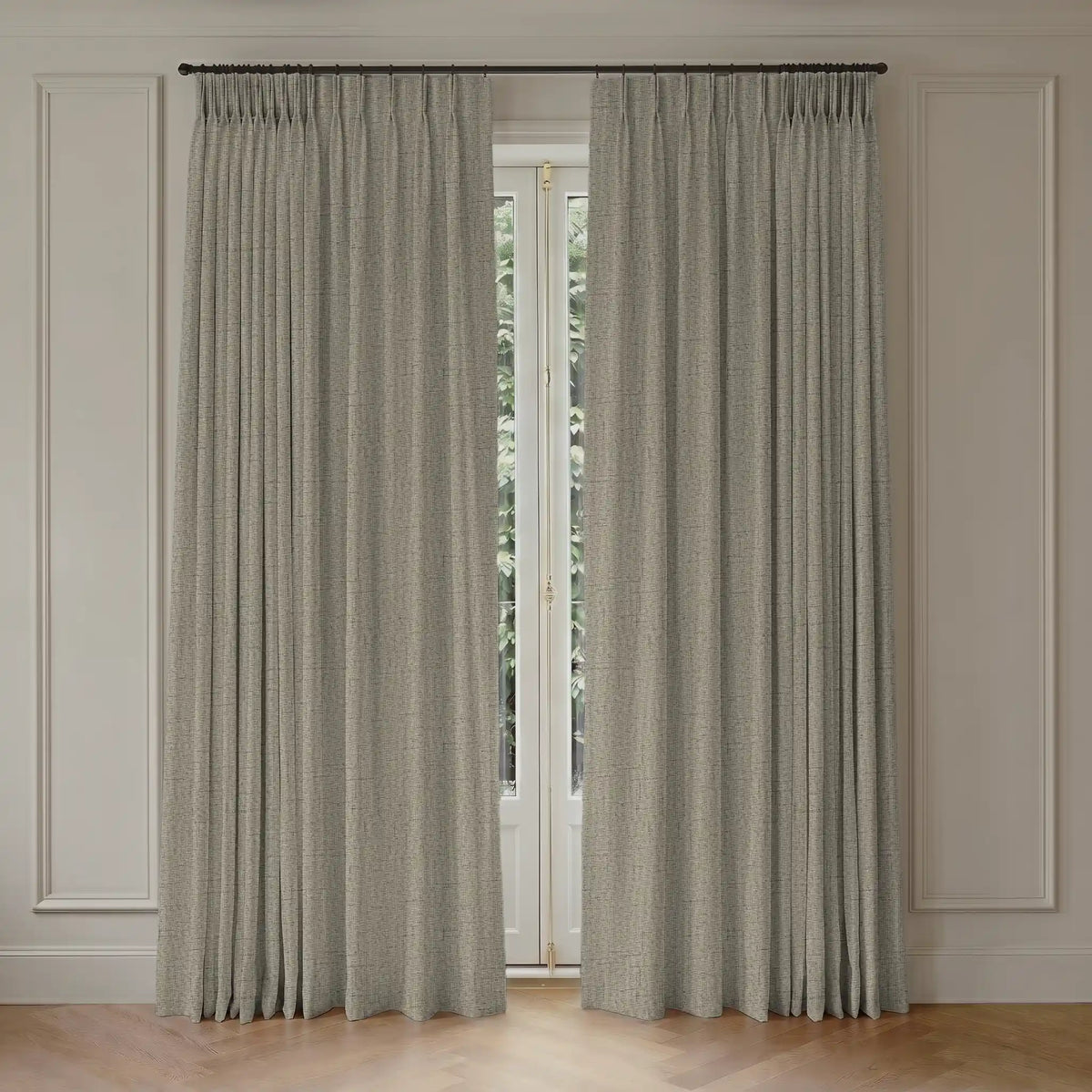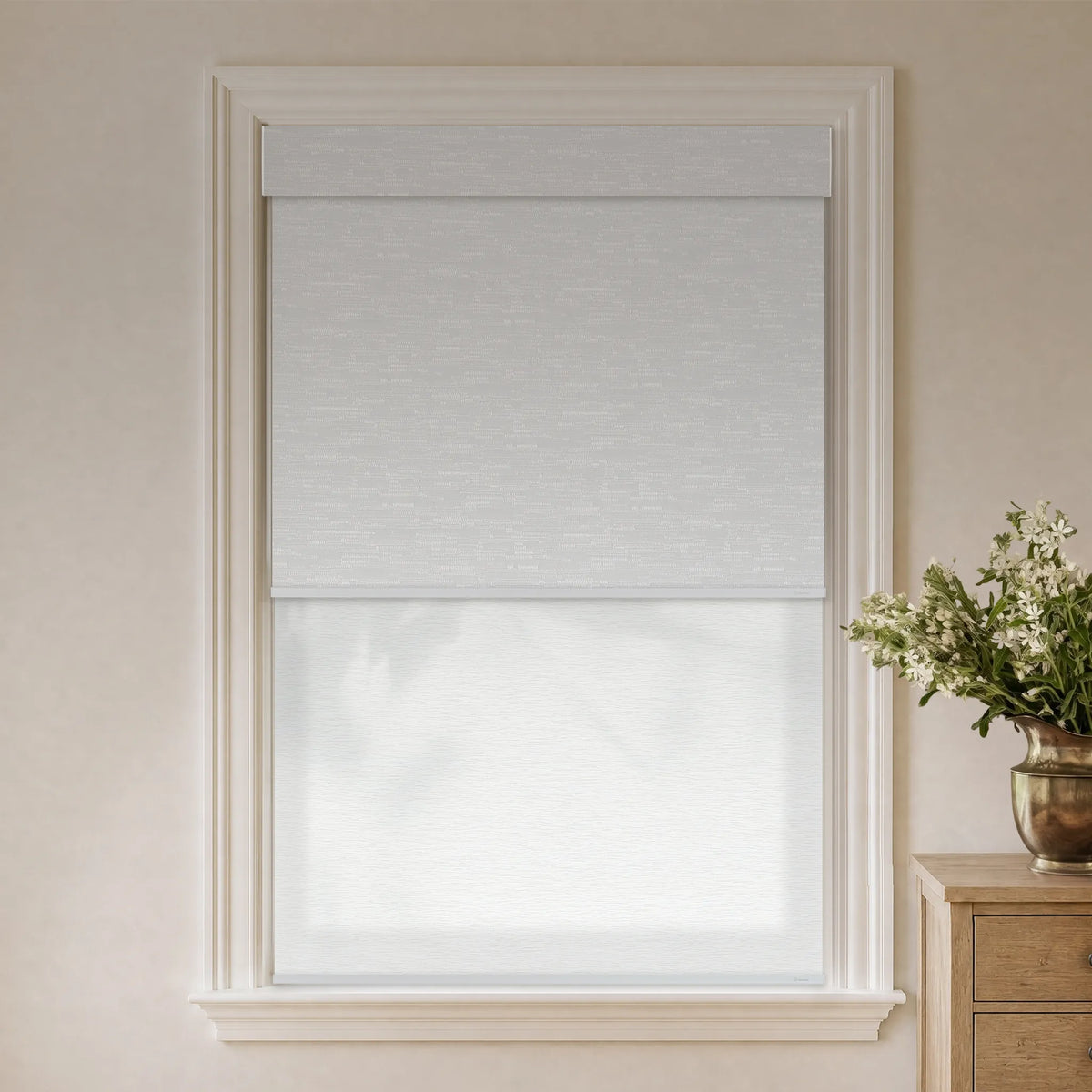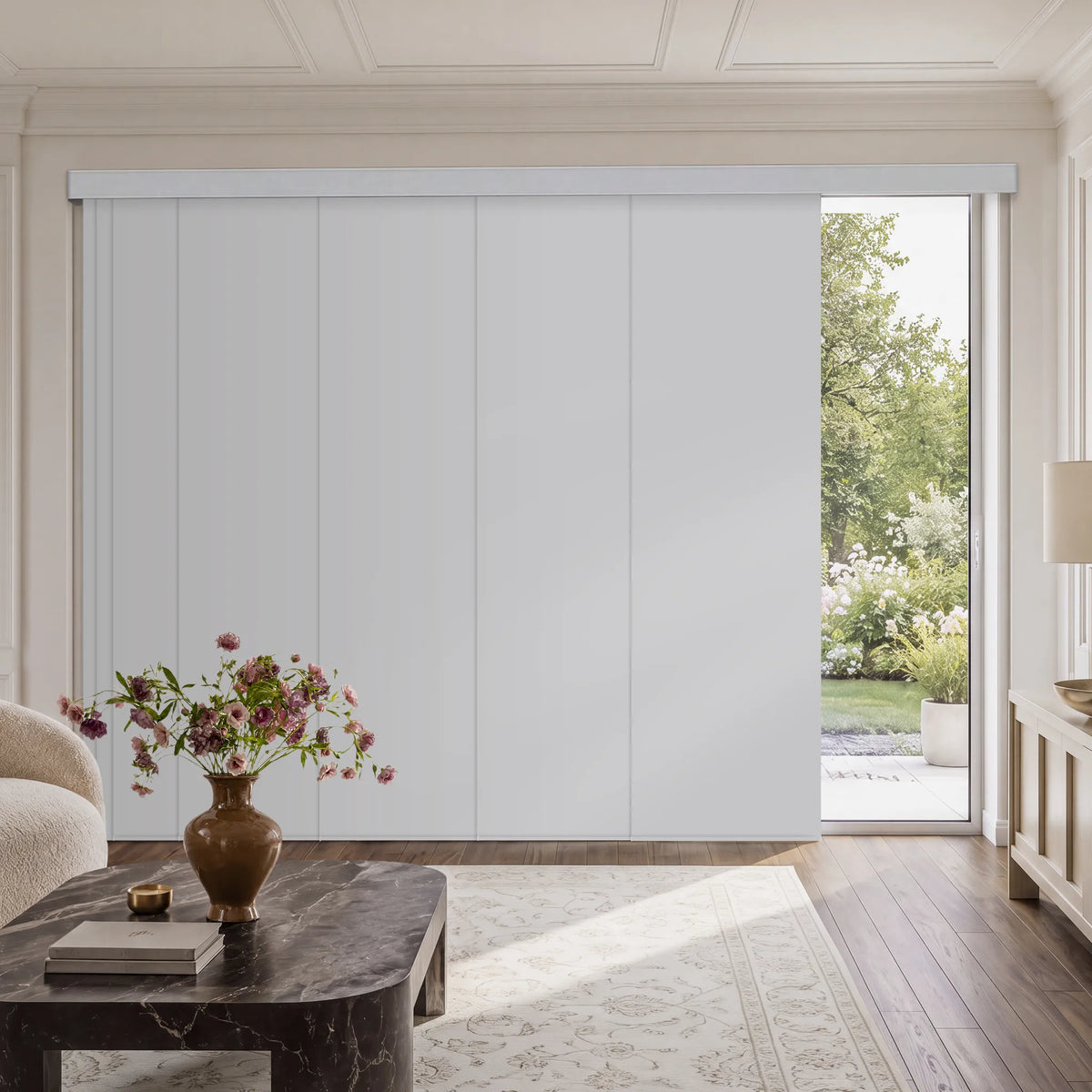
The right blinds depend on the shape of the window or door, the available mounting space, and how the opening moves. Bay windows usually need separate treatments for each pane. French doors require slim shades that clear the handles and remain stable when the doors swing. Sliding glass doors work better with coverings that travel horizontally, while arched windows need custom treatments made for their curves. Light control, privacy, material, color, and operation should be considered after confirming these practical requirements. This guide compares suitable window treatments for four common architectural openings.
What Is The Window Treatments?
A window treatment is any covering installed over or around a window or glazed door. Soft treatments include curtains and sheers. Hard treatments include blinds and shutters, while shades use fabric or another flexible material that raises, rolls, or folds.
Window treatments can serve five main purposes:
- Add style. Color, texture, and pattern can coordinate the opening with the rest of the room.
- Help regulate temperature. A well-fitted treatment can reduce direct solar heat and add a barrier at the glass.
- Control light. Blackout fabrics block light, light-filtering materials soften it, and adjustable slats redirect it.
- Provide privacy. Fabric opacity and slat position affect how much can be seen from outside.
- Support smart control. Compatible motorized treatments can use remote, app, schedule, or voice control, depending on the selected motor and accessories.
Graywind's Window Treatments Selection Guide can help compare products by room, light level, window type, and control preference.
What to Consider When Choosing Window Treatments
Begin with the type and shape of the opening. Standard rectangular windows accept most blinds and shades, but angled, curved, or divided windows often require custom sizing. Doors also need treatments that will not obstruct handles or interfere with movement.
Operation matters as well. Roller, Roman, cellular, and zebra shades move up and down, keeping the floor and door path clear. Curtains, panel track blinds, and vertical blinds move from side to side, making them more practical for wide doors. Adjustable slats provide another option when directional light control is important.
Blinds for Bay Windows
Bay windows add depth and character, but their angled panes make one continuous treatment difficult to fit. Measuring and covering each pane separately usually preserves the shape and allows individual light control.
Suitable options include:
- Wood blinds or shutters for visible structure and a traditional finish.
- Roller shades for a compact profile and simple operation.
- Cellular shades for light control and additional coverage at the glass.
- Zebra blinds for adjustable filtered light and privacy.
Check the space between adjoining panes so the headrails and fabrics do not collide.
Blinds for French Doors
French door treatments must clear the lever handle and remain secure as the door opens and closes. A slim profile is usually more practical than a wide treatment that extends beyond the glass.
Suitable options include:
- Sheer curtains for soft daylight when strong privacy is not required.
- Roman shades for fabric texture and defined folds.
- Roller or cellular shades for a compact fit and straightforward operation.
Confirm the mounting surface and handle clearance before ordering. A bottom hold-down can help prevent a shade from swinging with the door.
Blinds for Sliding Glass Doors
Sliding glass doors need treatments that move in the same direction as the door and stack without blocking access.
Suitable options include:
- Soft sheers for diffused natural light.
- Panel track blinds with wide panels that glide horizontally.
- Vertical blinds with adjustable vanes for light and privacy control.
- Sheer vertical blinds for a softer combination of sheer fabric and vertical movement.
Before ordering, choose the stack direction and confirm that the open treatment will not cover the active door panel.
Blinds for Arched Windows
Arched windows require treatments made for their specific curve. Standard rectangular blinds may conceal the architecture or leave part of the glass uncovered.
Suitable options include:
- Custom arch shades shaped to follow the curve.
- Cellular shades for light control, privacy, and an insulating air layer.
Motorized operation can simplify access when the arch is high. Review Graywind's arch and angled shades and follow the specialty measuring instructions for the required shape.
Choosing blinds for different window and door types starts with fit and movement. After confirming those requirements, compare light control, privacy, material, color, and pattern. Graywind's custom window treatments provide options for standard, divided, wide, and specialty openings, allowing each treatment to support the architecture rather than interfere with it.