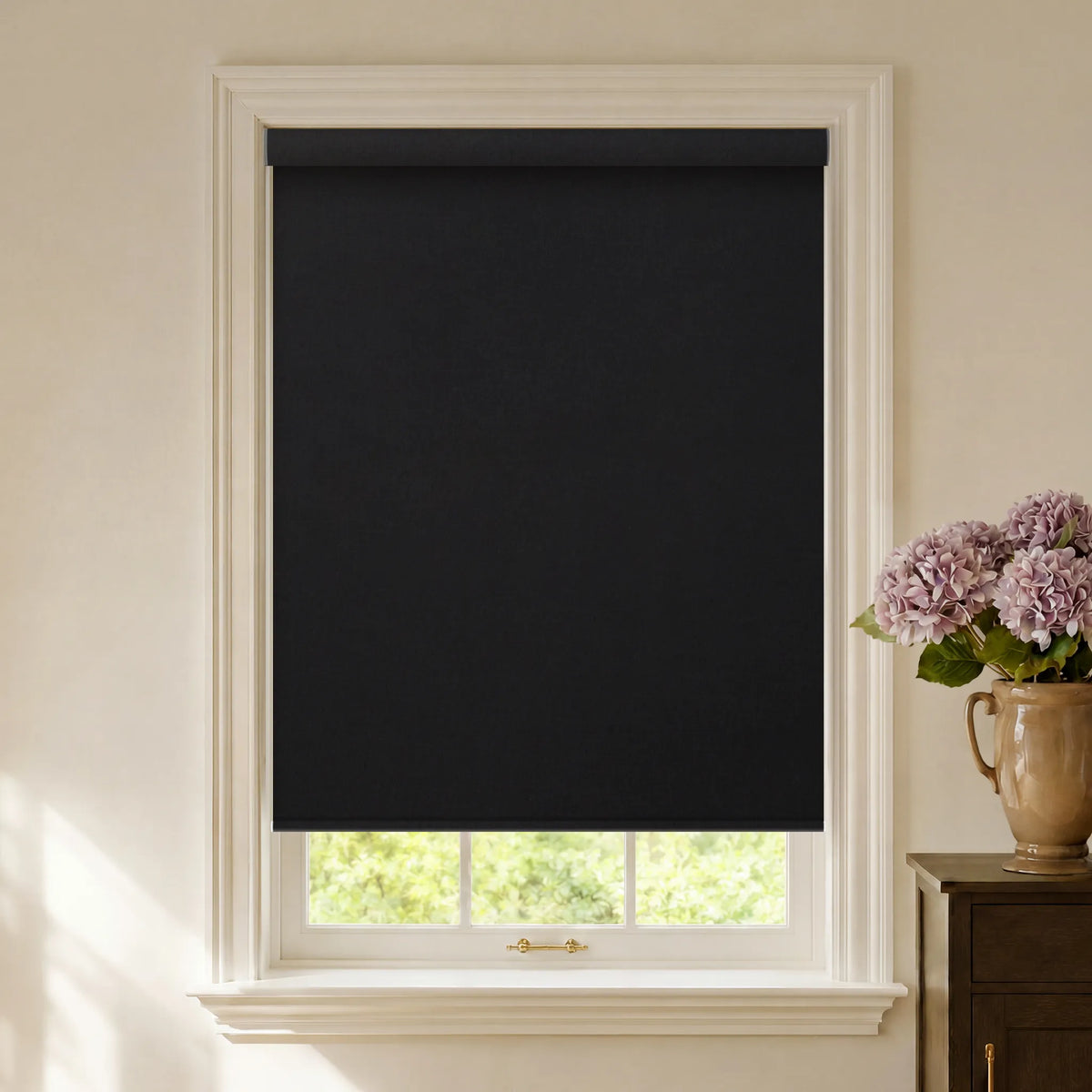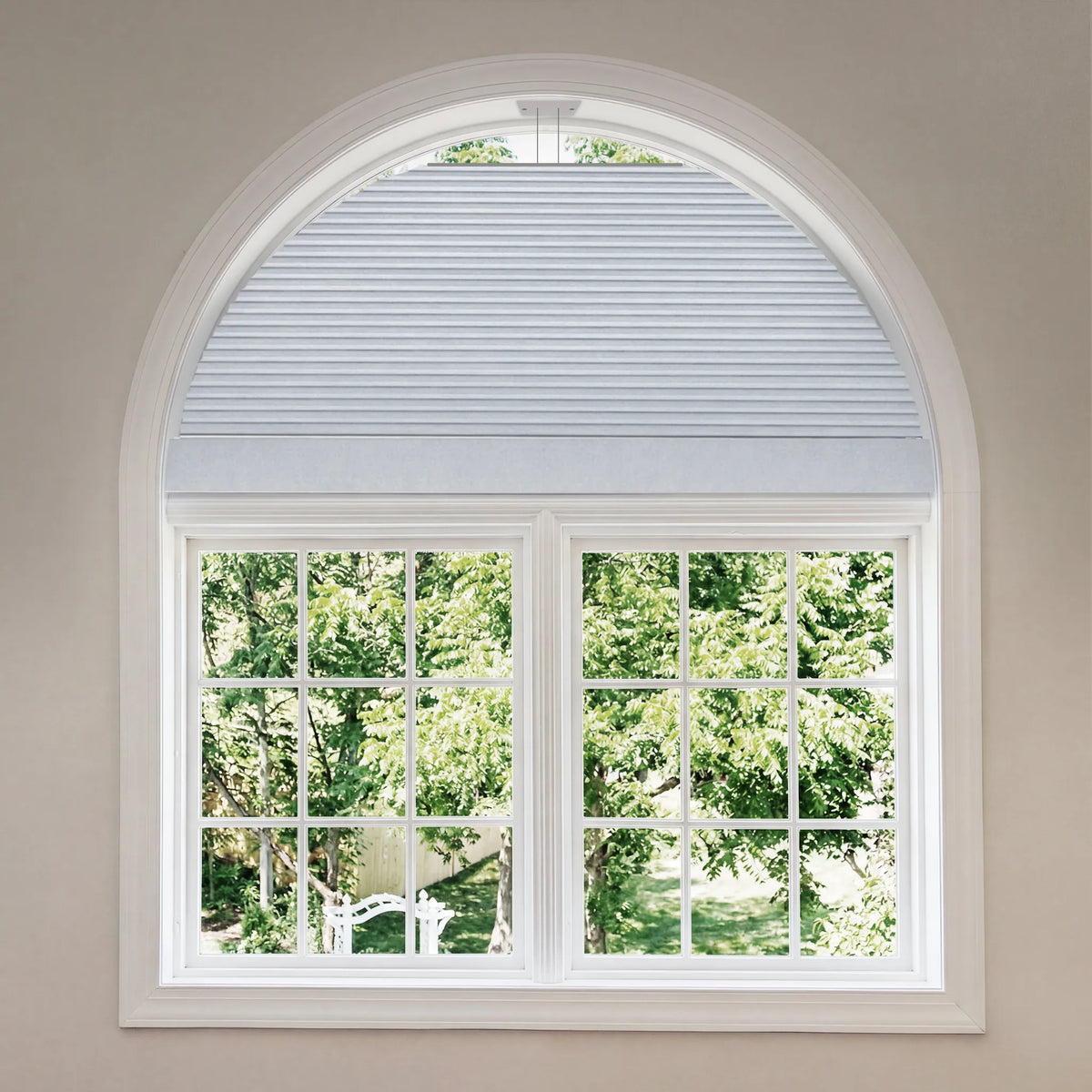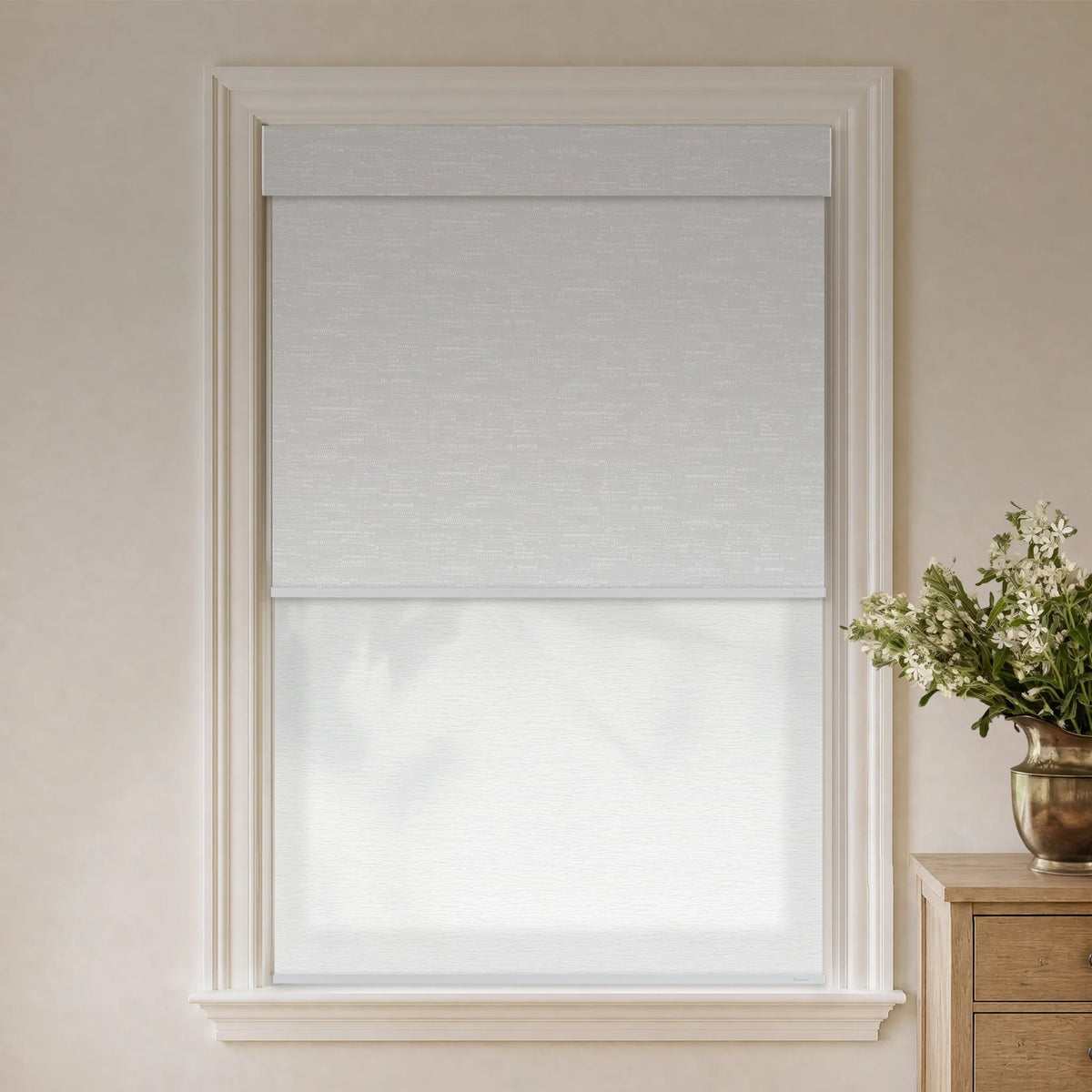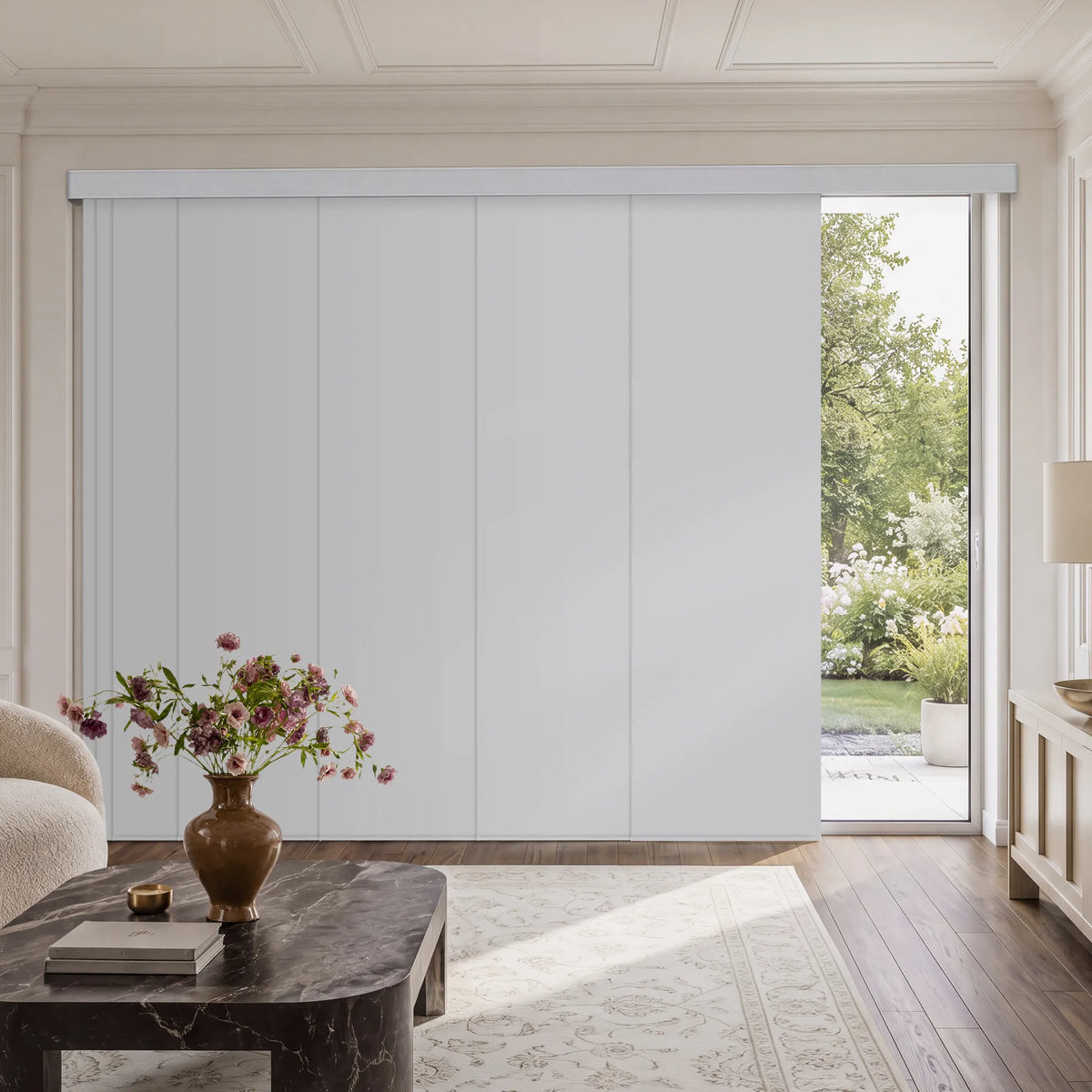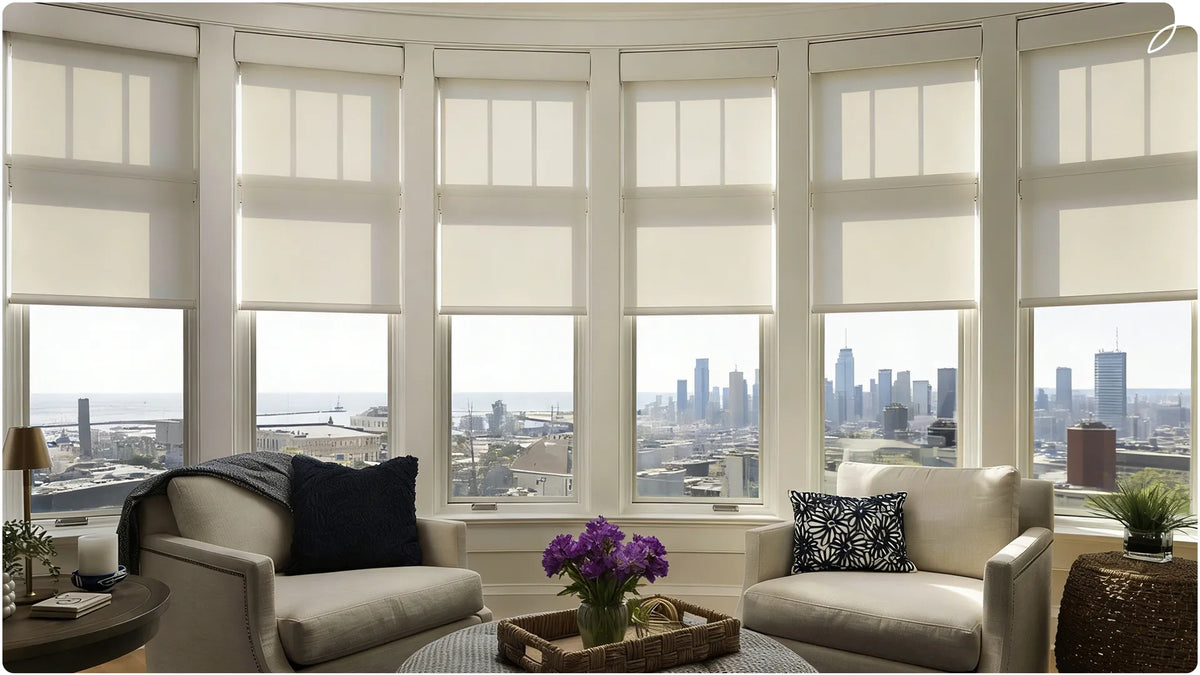
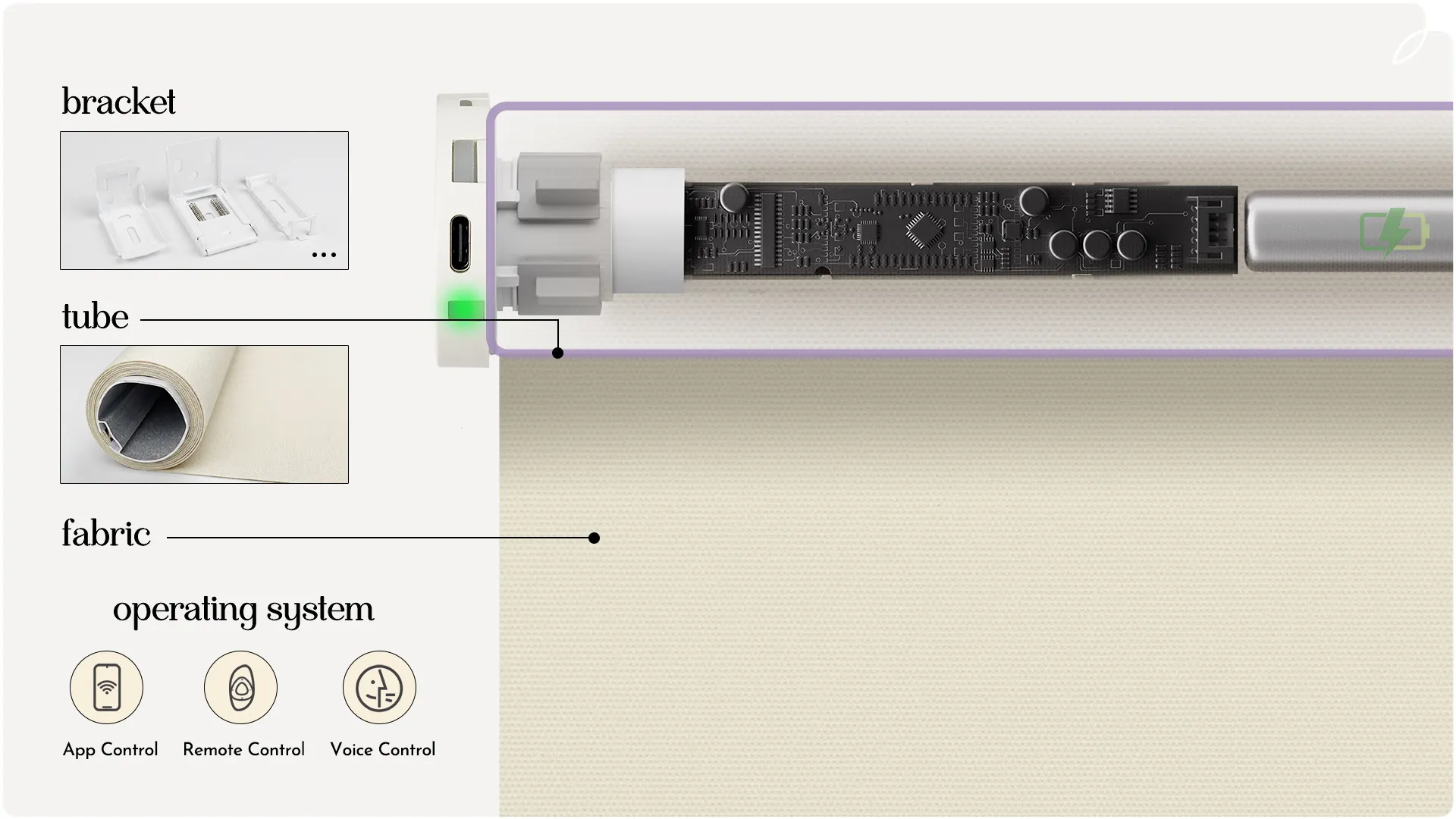
Roller shades parts work as one system. Brackets support the assembly, the tube carries the fabric, the hem bar keeps the material under light tension, and the operating system raises or lowers the shade. A problem with one component can affect how the entire shade tracks. Knowing these parts helps you describe a fault, avoid replacing the wrong component, and compare products beyond appearance.
The Four Core Roller Shades Part Systems
1. Bracket System
Brackets secure the shade to the window frame, wall, or ceiling and support both ends of the tube. One side holds the control or motor, while the other normally supports an idler or pin end.
Material alone does not determine bracket capacity. Width, fabric weight, tube size, bracket design, mounting surface, and fasteners all matter. Use the specified brackets and suitable fasteners. For a wide or heavy shade, confirm the manufacturer's size limits instead of relying on a universal width rule.
2. Roller Tube
The roller tube is the cylinder around which the fabric wraps. Its dimensions and compatibility with the control system should suit the shade's width and fabric load.
Material comparison:
|
Material |
Strength |
Best for |
|
Thin aluminum / cardboard |
Low |
Small, lightweight shades |
|
Thick-gauge aluminum |
High |
Wide or heavy fabrics |
A bowed tube can contribute to uneven rolling. Telescoping may also result from unlevel brackets, misaligned fabric, or an obstruction near one edge.
3. Fabric and Hem Bar
The fabric controls light and provides the visible finish. Its weight, edge quality, and attachment to the tube affect tracking.
The hem bar is the weighted bottom component. It helps the shade hang evenly but cannot correct a misaligned tube or installation. Check that the edges are clean, the hem bar is straight, and the fabric rolls without rubbing.
4. Operating System
The operating system turns the tube and controls the shade's stopping position.
|
Operating System |
Mechanism |
Lifespan |
Best for |
|
Spring-assisted |
Internal spring tension |
Moderate |
Small, lightweight shades |
|
Continuous loop (chain) |
Beaded chain + clutch |
High (with metal gears) |
Heavy fabrics, daily use |
|
Motorized |
DC motor + battery/wiring |
High |
Hard-to-reach windows, smart homes |
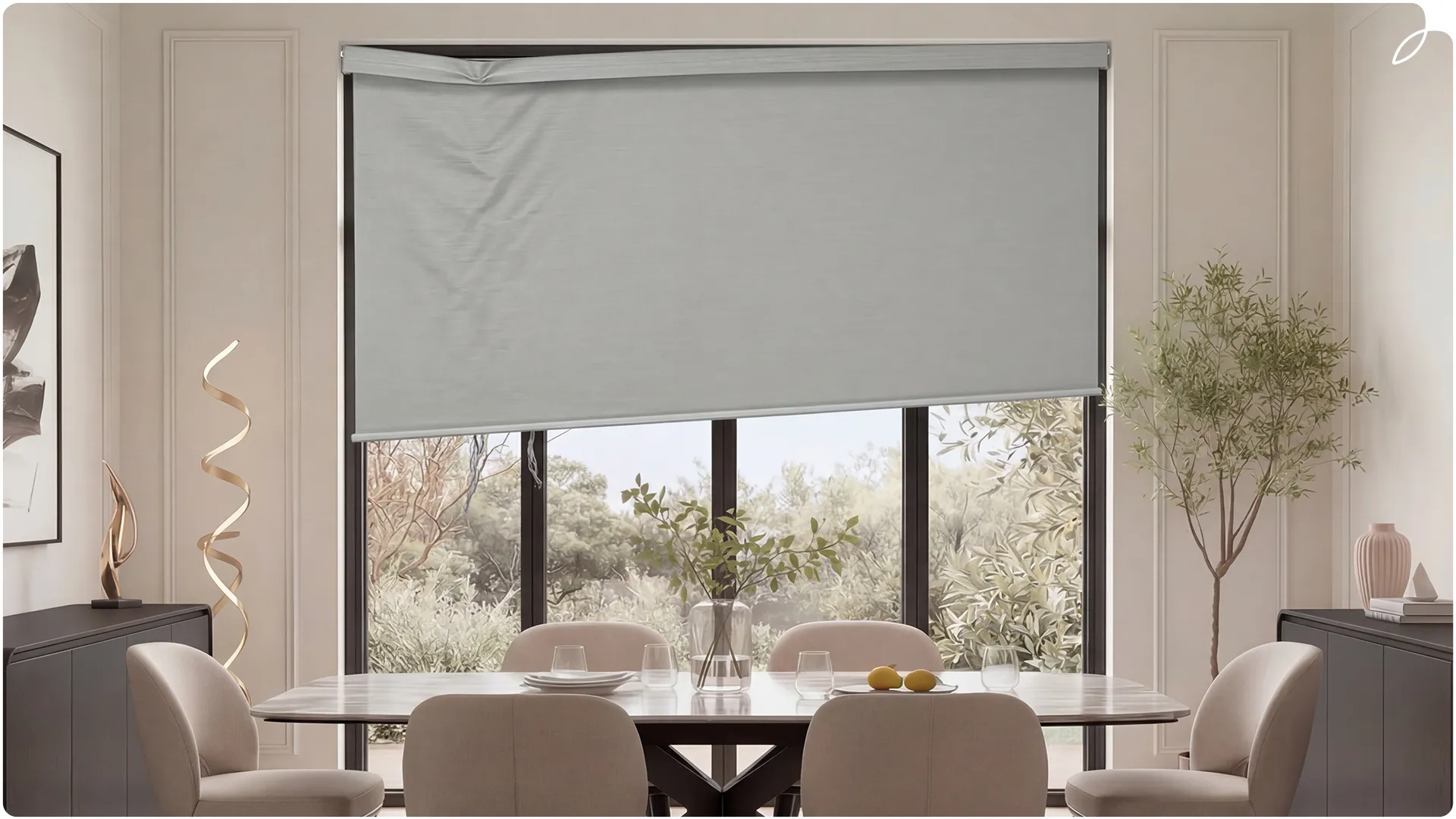

Manual vs Motorized Roller Shade Parts
No operating system is automatically the longest-lasting. Service life depends on sizing, installation, use, environment, and component quality.
Spring Systems
If a cordless shade does not hold position, check for an obstruction or installation problem. Follow its manual before adjusting tension because procedures differ by system.
Continuous Loop Systems
Skipping can result from a twisted chain, misplaced tension device, worn clutch, or excessive load. Stop if the chain binds, and identify the model before replacing parts.
Motorized Systems
A motorized shade may stop because of low power, lost pairing, incorrect limits, an obstruction, or a motor fault. Indicator lights and reset steps vary, so check the relevant manual first.
Choose motorization for access and control needs, not as a guarantee of longer life.
Common Roller Shade Problems and Which Parts to Replace
Here's a practical troubleshooting guide you can use today.
|
Problem |
Most likely faulty part |
DIY fix possible? |
|
Shade won't stay up |
Spring or clutch |
Yes (re-tension spring or replace clutch) |
|
One side hangs lower |
Idler bracket or telescoping fabric |
Yes (re-align fabric) |
|
Chain jams or skips |
Plastic clutch teeth worn |
No (requires new clutch) |
|
Motor blinks red |
Battery low or obstruction |
Yes (charge battery or remove blockage) |
|
Fabric won't roll straight |
Tube bowed or fabric misaligned |
Sometimes (re-roll manually; replace tube if bent) |

Graywind Roller Shade Options and Support
Price differences can reflect fabric, dimensions, tube and control requirements, motor choice, customization, and service coverage. Evaluate construction as a complete system, not through a metal-versus-plastic rule.
Material and Fabric Selection
Graywind's roller shade collection includes blackout, light-filtering, solar, nature, coupled, no-drill, and Graywind x Motionblinds options. Fabrics and controls vary. Confirm the size range, mount type, fabric, and motor before ordering.
Worry Free Fit
For eligible customized smart roller shades, Worry-Free Fit provides a free remake or replacement for a qualifying measurement difference within 30 days after delivery. Product and household limits apply. Accessories, parts, motors, manual products, and non-custom products are excluded.
Return and Refund Policy
Because Graywind products are custom-made, returns and refunds are not offered for a change of mind after production begins. The return and refund policy covers qualifying quality issues or a Graywind order error. Contact Graywind within 30 calendar days after delivery. Order fabric samples first to check color and texture.
Limited Warranty
Graywind's limited warranty lists five years for smart blinds and shades, including the motor, remote, app controls, and built-in battery when applicable. Fabric is listed at three years. Coverage begins upon receipt and applies to manufacturing defects under normal residential use. Exclusions apply, and the order details control.
Before ordering, compare samples and follow the Graywind measuring guide. Correct measurements and product configuration matter more than any single component claim.