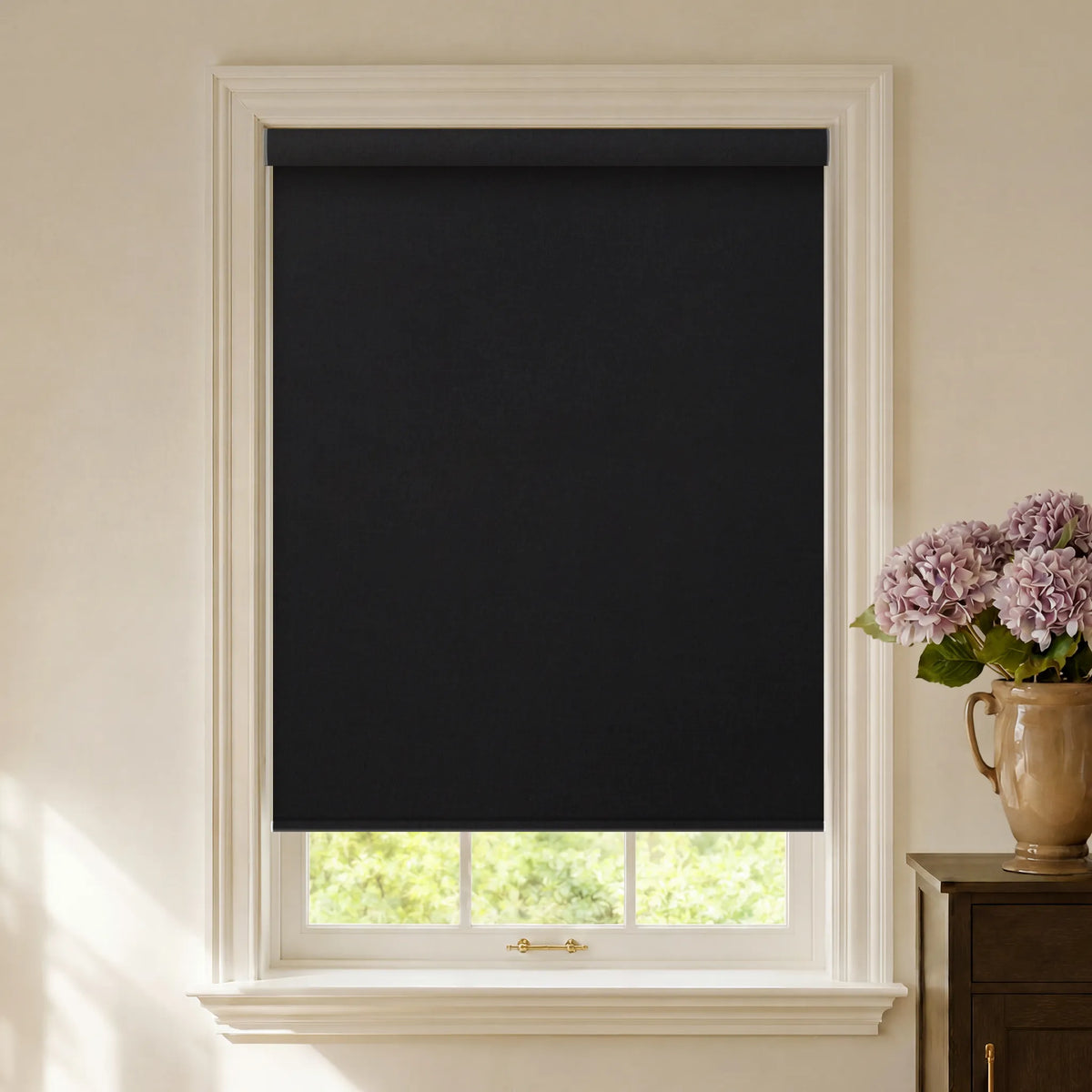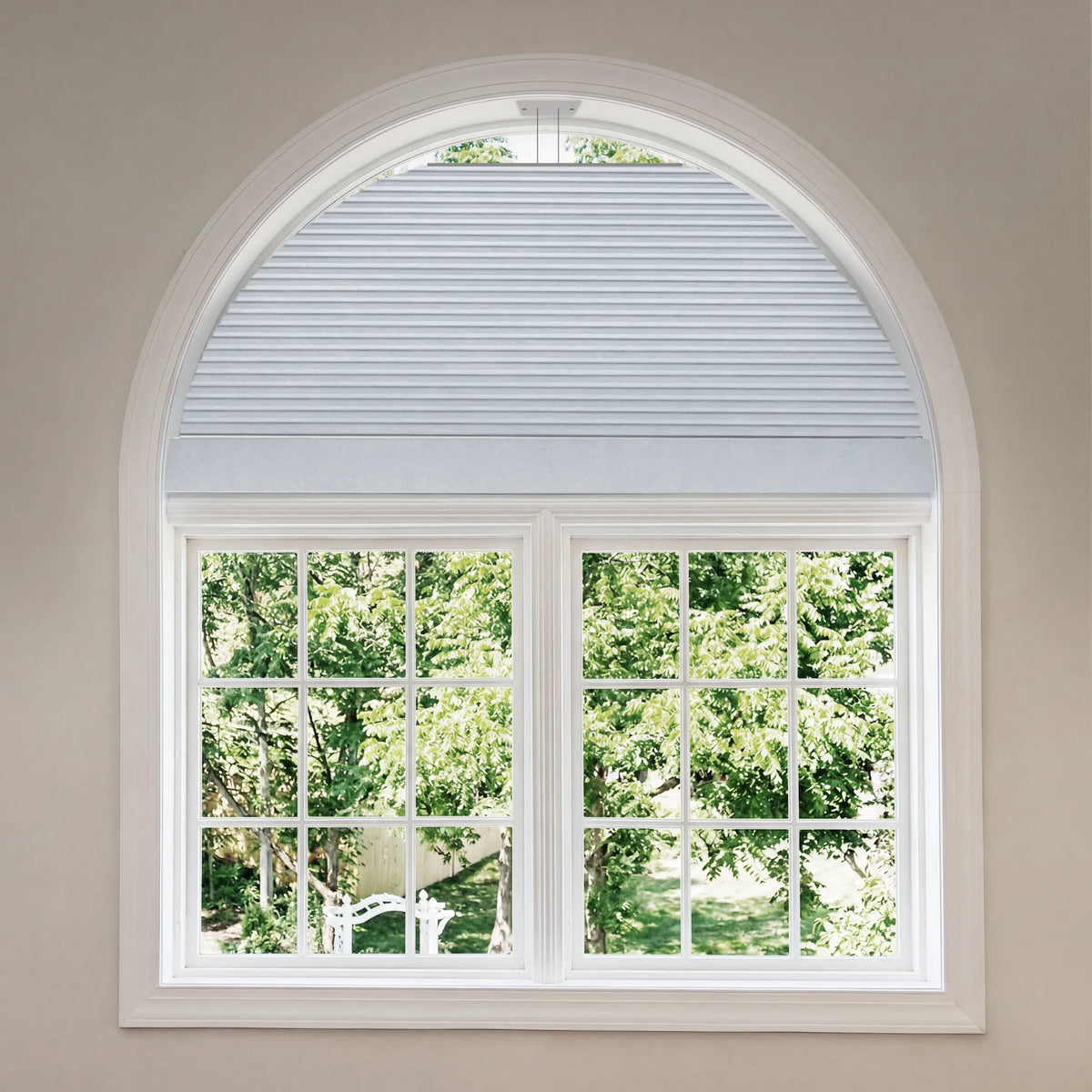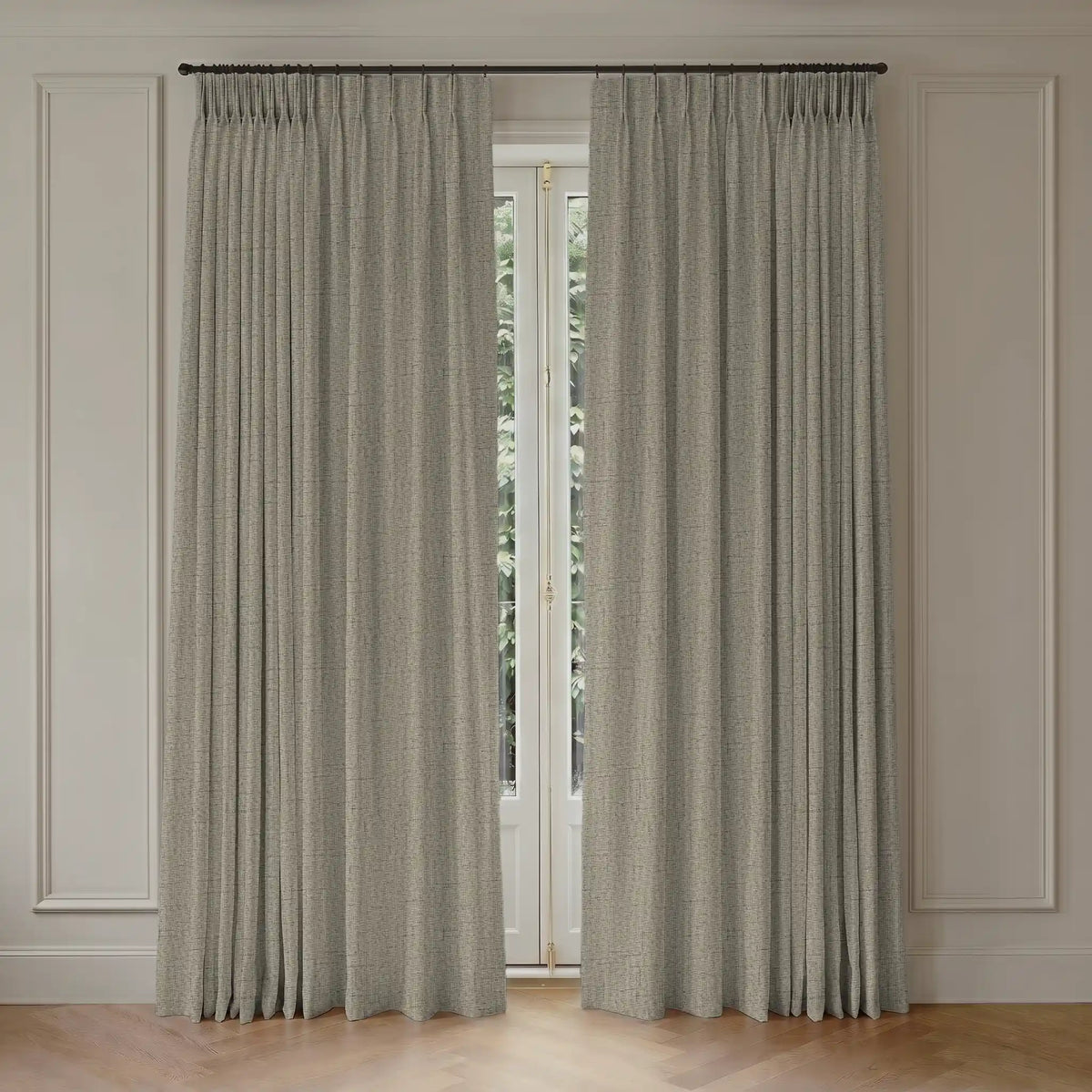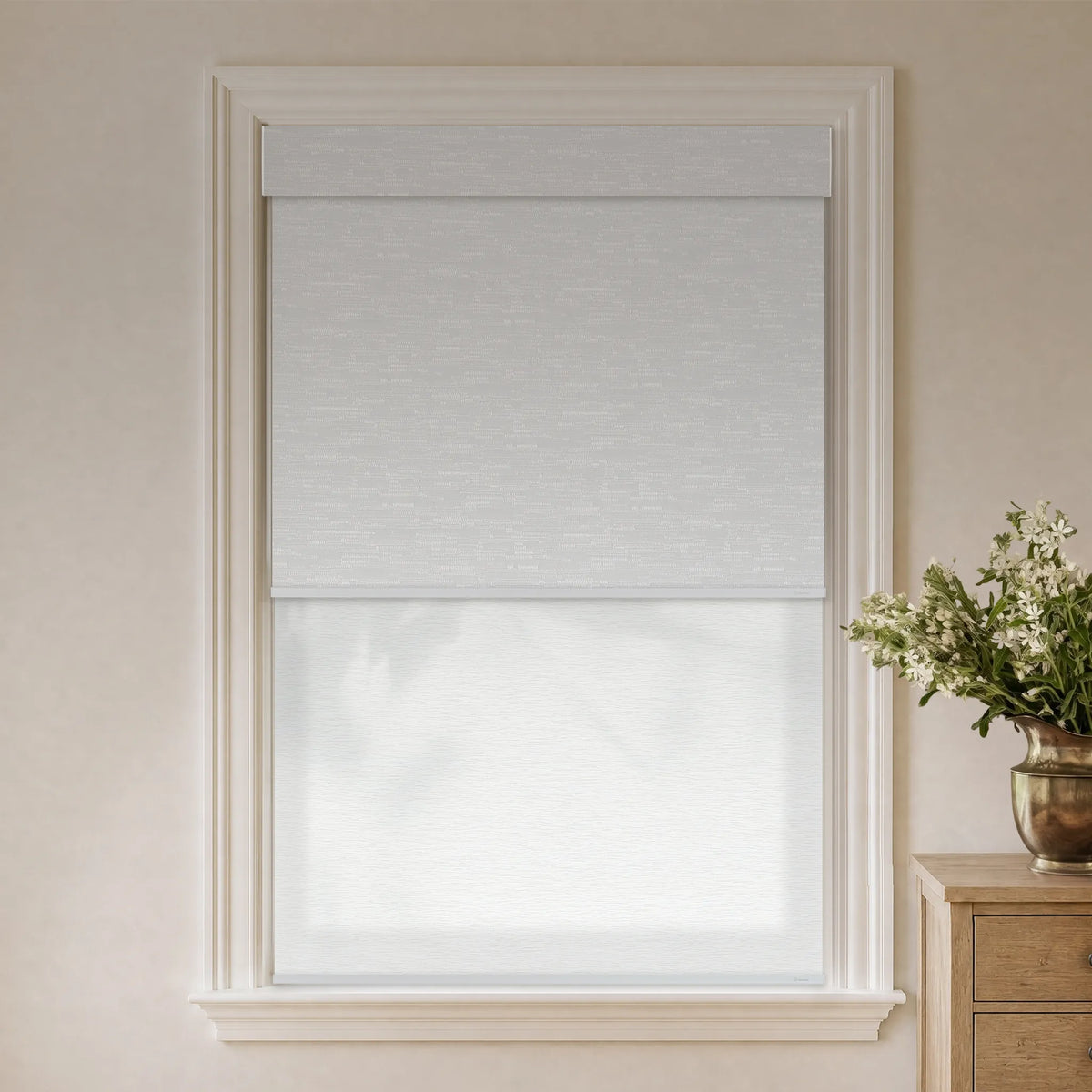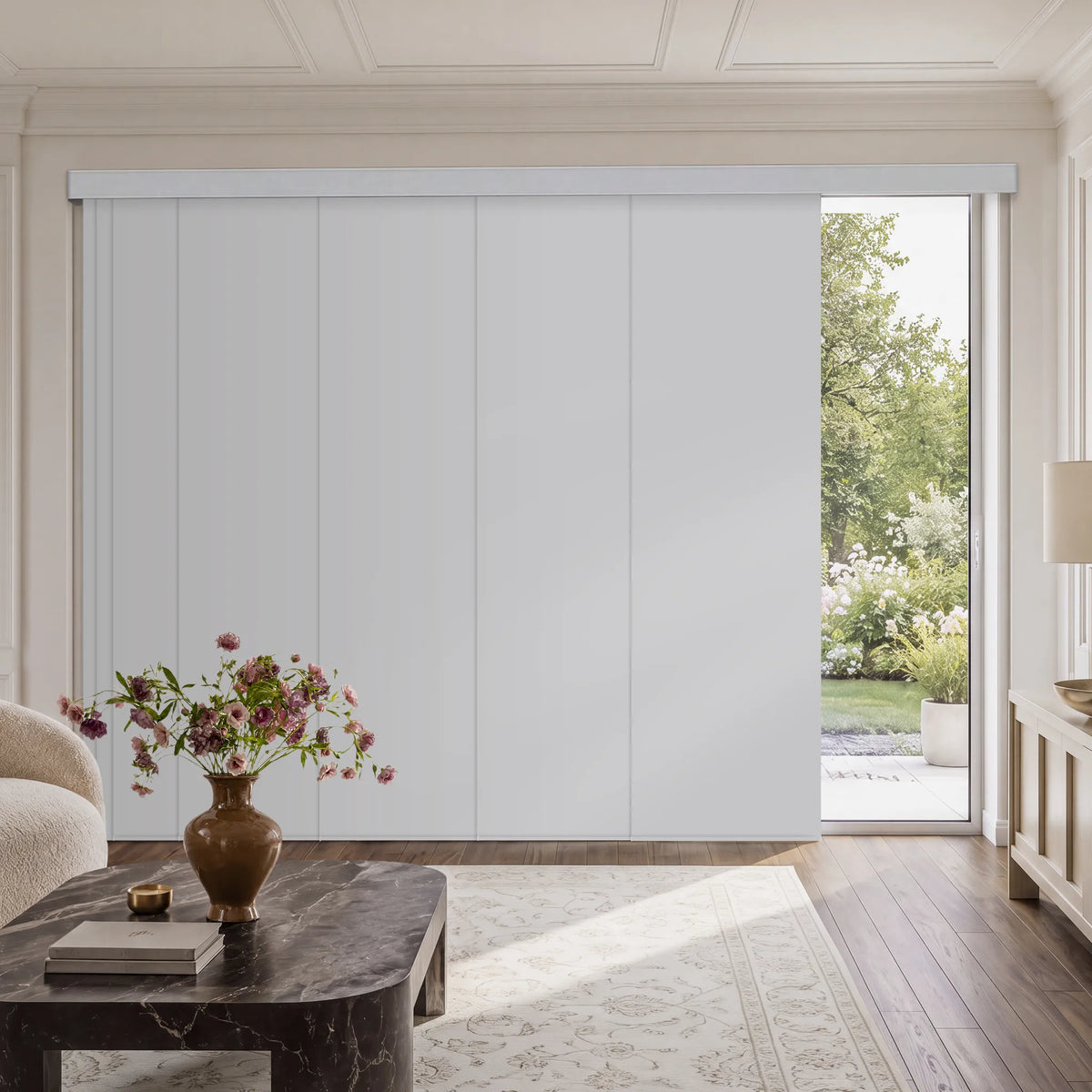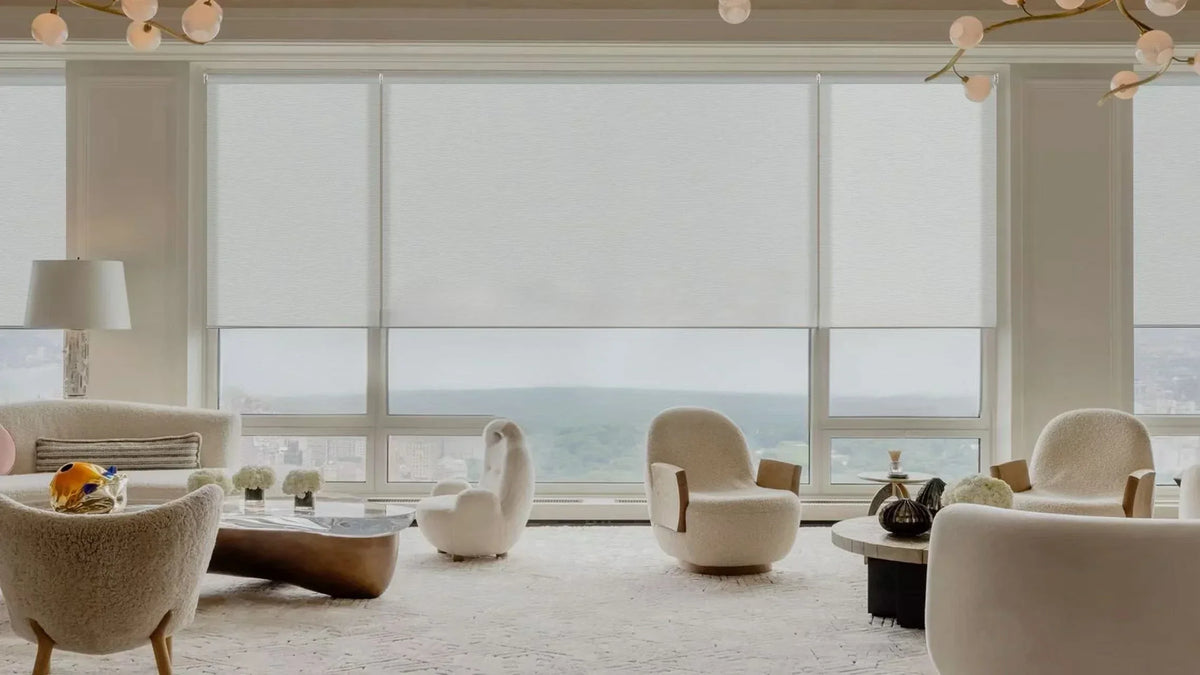
The short answer is a resounding yes. In fact, utilizing split blinds for large windows is often the most intelligent, functional, and aesthetically superior choice. This approach, often referred to as 'split blinds', moves beyond the limitations of oversized single shades.
This guide will explore everything you need to know about layering two or more blinds on a single expanse of glass. We will delve into the practical benefits, the nuances of installation, and ultimately, how modern innovation--exemplified by Graywind's Coupled Shades--elevates this practical solution into a hallmark of luxury living.
What Are Split Blinds?
Split blinds use two or more separate window treatments within one wide opening or across a connected bank of windows. Each section normally has its own headrail, brackets, fabric panel, and operating mechanism. The units may operate independently or be grouped through compatible motorized controls.
The split should usually follow the window architecture. Positioning a fabric gap over a mullion or frame division makes it less noticeable and prevents the gap from exposing the main viewing area. If the glass has no natural divisions, the center gap will remain visible when the shades are lowered.
Split blinds should not be confused with dual shades. Dual shades combine two fabric layers within one treatment to provide different light and privacy levels. Split blinds divide the width into side-by-side sections.

Why Use Split Blinds on a Large Window?
Easier Operation
A very wide shade contains more fabric and places greater demands on its tube, brackets, clutch, or motor. Product width limits also vary by fabric because some materials are not manufactured wide enough for a single panel. Dividing the opening can create lighter, more manageable sections and avoid stretching one shade beyond its approved size.
This does not mean every split configuration is easier to install. Multiple brackets must remain level, and wide cassettes or valances can still be heavy. Confirm the product's size limits and use sufficient help during installation.
Independent Light Control
Separate shades let you cover one part of the window while leaving another part open. This is useful when direct sun reaches only one side of a room, when one section faces a screen, or when a sliding door needs to remain accessible.
Independent control is lost if the panels are mechanically coupled to one shared motor. Decide whether separate positioning or synchronized movement is more important before selecting the system.
Better Visual Proportion
Dividing a treatment according to window mullions can make a large installation look more closely related to the architecture. Equal panels produce a balanced arrangement, while unequal panels may work better when the window itself is asymmetrical.
The breaks should look intentional. Random panel widths or gaps placed across open glass can interrupt the view and make the installation appear misaligned.
Section-Based Maintenance
With fully independent split blinds, one damaged unit may be serviced without removing every shade. However, matching replacement fabric later may be difficult because dye lots, patterns, or product ranges can change.
A coupled shade is different because panels share parts of the drive system. Service requirements should be confirmed for the complete configuration rather than assuming that every panel can be replaced independently.
How to Measure for Two Blinds on One Window
Accurate measuring is essential because the total opening width cannot simply be divided in half without considering brackets, clearances, and fabric deductions.
Step 1: Choose Inside or Outside Mount
An inside mount places the shades within the window recess and requires enough unobstructed depth for every headrail and bracket. An outside mount installs above or around the opening and needs clear wall or trim space.
Choose the mount before calculating panel widths because inside- and outside-mount measurements are not interchangeable.
Step 2: Measure the Complete Opening
For an inside mount, measure the width at the top, middle, and bottom. Also measure the height at the left, center, and right. Follow the selected manufacturer's instructions for which dimensions to submit and whether any deductions are made during production.
For an outside mount, measure the area that each shade must cover and include the required overlap. Check that the brackets will not conflict with handles, trim, outlets, or nearby walls.
Graywind's Measuring Guide provides the current measuring method for its shades and blinds.
Step 3: Plan Each Split
A 50/50 division works when the opening and mullions are symmetrical, but it is not required. Each panel may instead follow a separate glass section, door panel, or architectural division.
Record the finished location of every mullion. The fabric edges, not only the headrails, should align with the intended split. Roller-shade fabric is often narrower than the ordered headrail, so the visible gap may be wider than expected.
Step 4: Confirm the Center Gap
Do not apply a generic 1/4-inch or 3/8-inch deduction to every shade. Headrail dimensions, bracket clearances, fabric deductions, and manufacturing rules differ by brand and product. An incorrect deduction can produce an excessive light gap or prevent the units from fitting.
Ask the manufacturer to confirm:
- The headrail-to-fabric deduction on each operating side.
- The minimum clearance between adjacent headrails.
- The expected fabric-to-fabric gap.
- Whether the gap can be centered over a mullion.
- Whether deductions are made by the factory or by the customer.
Step 5: Plan the Brackets and Top Finish
Adjacent shades need enough room for center brackets, motors, charging ports, or control buttons. Every bracket must attach to a suitable surface and remain level with the others.
A continuous top treatment may visually connect separate units, but it is not compatible with every product or mount. Confirm the available cassette or valance configuration before assuming that one cover can span all panels.

Graywind Motorized Coupled Roller Shades
Graywind Motorized Coupled Roller Shades use multiple roller-shade panels with a shared drive arrangement. The current product page lists widths from 50 to 200 inches and heights from 30 to 120 inches. The available size can still depend on the selected fabric and configuration, so a 20-foot opening should not be assumed to fit this product.
The coupled design offers synchronized movement, reduced spacing between panels, and fewer motors than a group of fully independent motorized shades. Current fabric categories include blackout, light-filtering, and solar selections shown on the product page.
Blackout fabric limits light passing through the material, but panel gaps and mounting gaps can still admit light. For bedrooms or media rooms, align panel breaks with mullions and confirm whether additional overlap, side channels, or layered curtains are required.
Available smart functions depend on the selected motor and accessories. Review Graywind's Smart Control Guide before assuming that a specific app, voice assistant, hub, remote, schedule, or group-control feature is included.
For other wide-window configurations, compare Graywind's large window shades, including panel track blinds, vertical blinds, sheer vertical blinds, curtains, and coupled roller shades.

Before ordering, confirm the window divisions, product size limits, mount depth, bracket locations, fabric deductions, expected center gaps, power access, and control requirements. A correctly planned split can make a large window easier to manage without ignoring the gaps and installation constraints created by multiple panels.
Ready to reimagine what your windows can do? Explore the customizable options at Graywind and experience the harmony of design and technology.