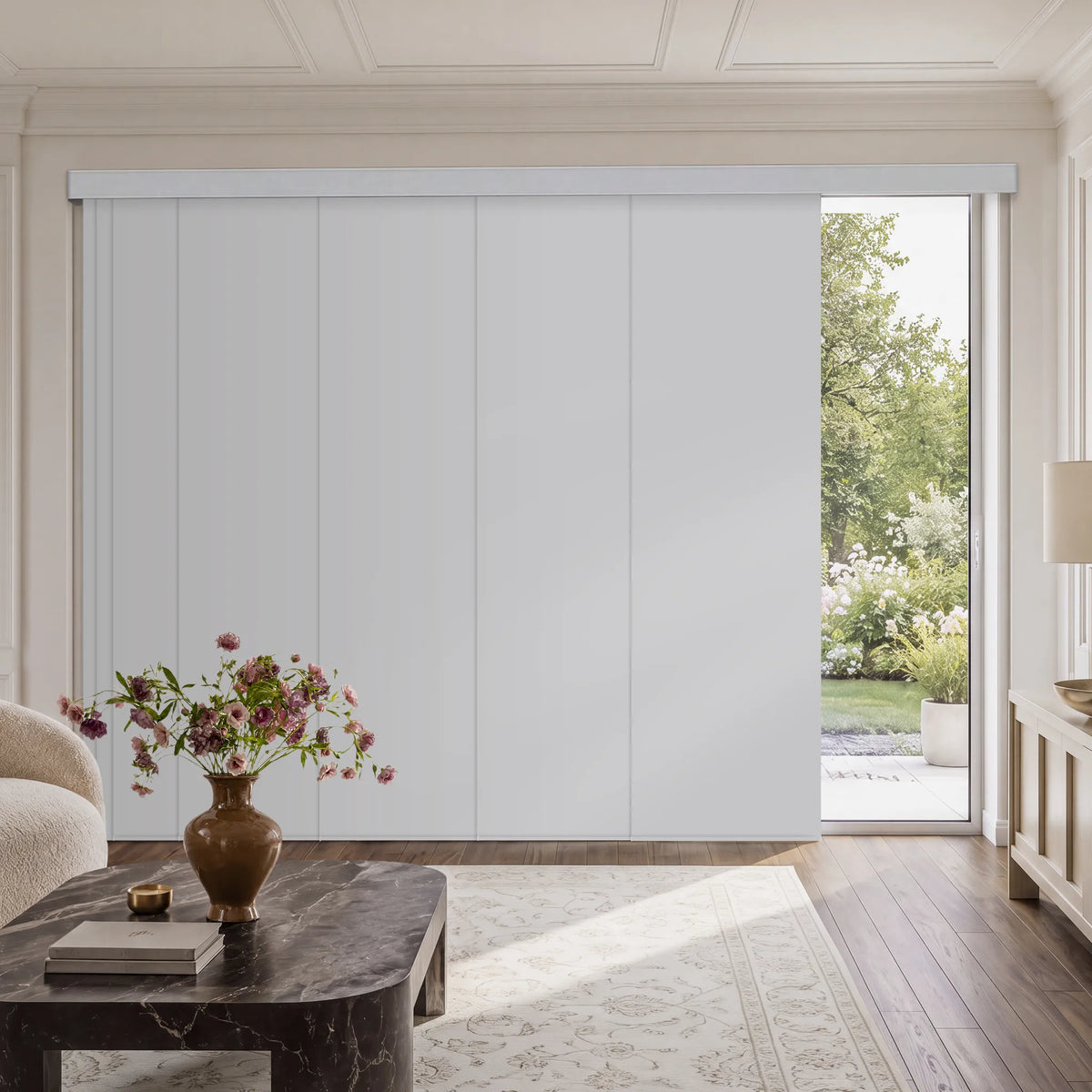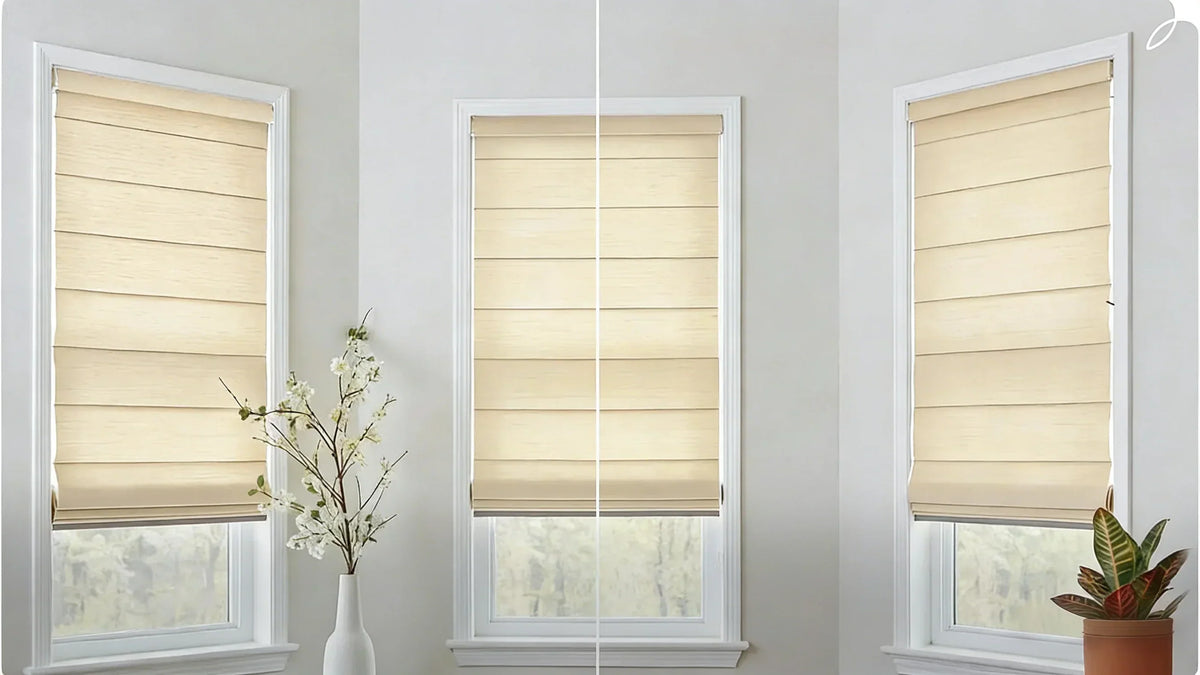
A valance and a cornice both finish the top of a window and can conceal mounting hardware, but they are not the same treatment. A valance is usually made from soft fabric that hangs, gathers, or forms tailored pleats. A cornice is a rigid box or board made from wood, MDF, foam, or another structural material, sometimes painted or upholstered. Both can work in current interiors when their shape, scale, and material suit the room. Choose a valance for softness and easier fabric changes. Choose a cornice for a more architectural outline and stronger hardware coverage.
What Is a Window Valance?
A window valance is a short fabric treatment installed across the top of a window. It can soften the frame, introduce color or pattern, and cover part of a curtain rod, shade cassette, or mounting hardware. Because it is fabric-based, its appearance depends heavily on the material and construction.
Common valance styles include:
- Swag valance: Fabric drapes in one or more curves for a traditional or romantic look.
- Scalloped valance: The lower edge forms rounded curves, often used in classic interiors.
- Box-pleat valance: Structured folds create a tailored profile that can work in transitional or contemporary rooms.
- Straight valance: A simple rectangular panel provides the cleanest fabric-based option.
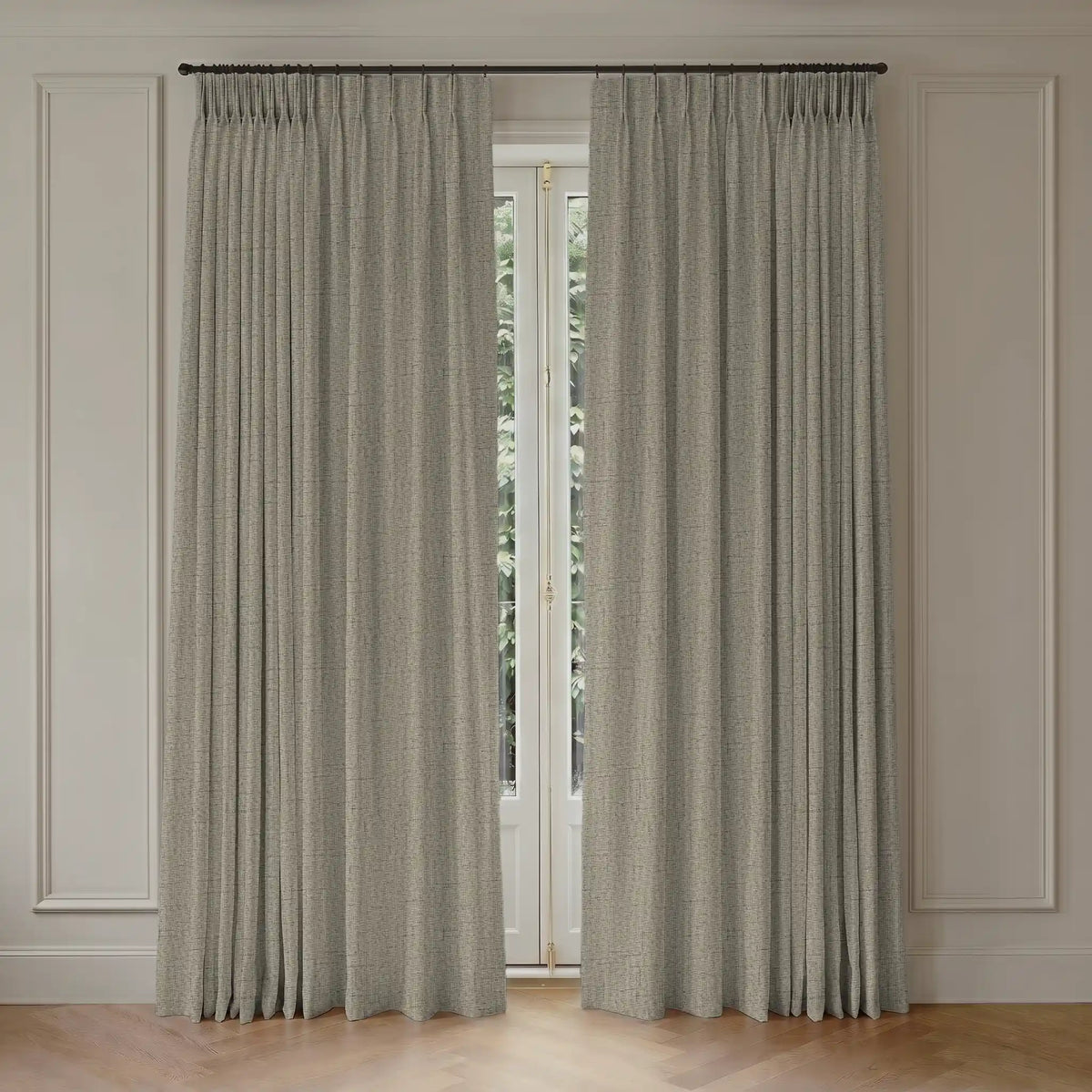
Valances can coordinate with custom curtains, but exact matching is not required. A neutral linen-like texture can soften the window, while a deliberate pattern can connect the treatment with upholstery, rugs, or artwork.
What Is a Window Cornice?
A window cornice, also called a cornice board, is a rigid structure mounted above the window. It projects from the wall to cover the top of curtains, blinds, shades, or their operating hardware. The face may be painted, stained, wrapped in fabric, or finished with trim.
Traditional cornices may use carved wood, curved profiles, or decorative upholstery. Modern cornices usually rely on straight edges, shallow profiles, and restrained finishes. The rigid construction creates a more architectural effect than a soft valance.
A cornice can conceal hardware more completely and may reduce some light entering above a shade when it fits closely against the wall. However, it does not automatically eliminate side gaps or create total blackout. Light control still depends on the shade fabric, mount, overlap, window depth, and installation.

Are Valances and Cornices Still in Style?
Yes, both can look current, but the result depends on execution rather than the product name. Valances developed an outdated reputation because of heavily gathered fabrics, dense trims, and coordinated sets that added visual weight. Cornices can also appear dated when they are oversized, ornate, or poorly proportioned.
How Valances Look Modern
Modern valances are usually simpler than older designs. A straight or box-pleat profile in linen, cotton, or a subtle textured fabric adds softness without excessive decoration. In eclectic interiors, a geometric or botanical pattern can work as a focused accent when the rest of the window remains restrained.
Layering also keeps a valance functional. A tailored fabric valance can cover the upper hardware while sheer curtains or roller shades manage daylight and privacy below. Avoid adding ruffles, tassels, and multiple contrasting trims unless the room intentionally follows a highly decorative traditional style.
How Cornices Look Modern
A cornice looks current when it follows the room's architecture. Straight rectangular forms, wall-matched paint, natural wood, or plain upholstery can create a built-in appearance. Mounting the cornice above the frame may also make the window appear taller, provided there is enough wall space and the proportions remain balanced.
In traditional interiors, shaped or upholstered cornices can still work when they coordinate with the room's scale and materials. The goal is not to remove every decorative detail, but to avoid combining too many competing shapes, trims, and patterns.
How to Keep a Valance or Cornice Modern
- Use clean lines: Choose straight edges, simple pleats, or restrained curves instead of unnecessary layers.
- Match the room's scale: A deep cornice can overwhelm a small window, while a narrow valance may look incomplete above a wide opening.
- Coordinate with the wall: Wall-matched paint or fabric creates a quieter, built-in effect.
- Use pattern deliberately: Select one clear pattern that connects with existing colors instead of adding several competing prints.
- Plan the layers together: Confirm that curtains, shades, rods, cassettes, and brackets can move without touching the top treatment.

Valance vs Cornice - The Core Differences
While they serve the same basic purpose--hiding hardware and finishing the look--the differences between a valance and a cornice are significant. Understanding these will help you make the right choice for your project.
|
Feature |
Window Cornice (Hard) |
Window Valance (Soft) |
|
Structure & Material |
Rigid box made of wood, MDF, or foam. Covered in fabric or painted. |
Soft, free-flowing fabric only. No rigid core. |
|
Aesthetic Impact |
Architectural, sculptural, and bold. Adds 'weight' to the room. |
Light, airy, decorative, and romantic. |
|
Hardware Concealment |
Superior. Completely hides curtain tracks, rings, and blinds. |
Moderate. May hide a rod but fabric can shift, revealing hardware. |
|
Light Blocking |
Excellent. The rigid structure seals tightly against the wall, blocking top light gaps. |
Good. Blocks some light but fabric may not provide a perfect seal. |
|
Installation |
Requires mounting a solid box to the wall or ceiling. |
Easier; typically mounts to a simple rod or a board with clips. |
|
Maintenance |
Low maintenance. Requires dusting or occasional vacuum of the fabric. |
Higher maintenance. Fabric may need steaming or washing. |
How to Choose for Your Window and Room
Large Windows
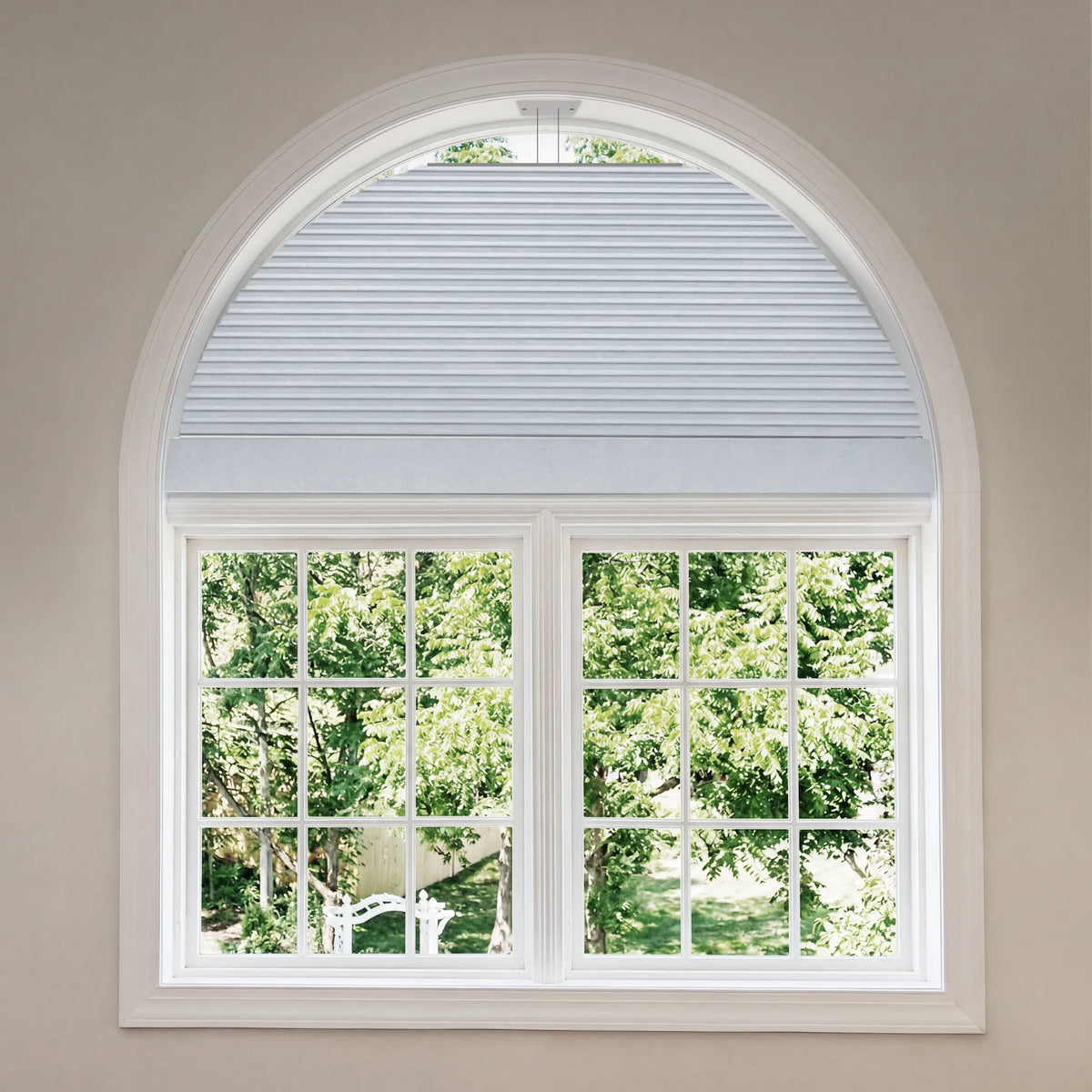
A cornice can visually organize a wide bank of windows and conceal a longer track or several shade mechanisms. Confirm that the structure has adequate support and does not interfere with curtain stacking or motorized operation. A straight valance can also work when a lighter appearance is preferred.
Small Windows
A shallow valance usually adds less visual weight. A compact cornice mounted slightly above the frame can add perceived height, but it should not cover too much glass or make the opening appear narrow.
Formal and Traditional Rooms
Dining rooms, libraries, and traditional offices can support shaped cornices or tailored fabric valances. Richer materials may be appropriate, but their scale should still relate to the ceiling height, furniture, and window width.
Casual Rooms
Kitchens, breakfast areas, and children's rooms often benefit from simple valances because the fabric can be changed more easily. Choose a washable or easily maintained material when the treatment will be exposed to cooking residue, frequent handling, or dust.
Choose According to Function
If the priority is concealing tracks, brackets, or roller mechanisms, a cornice normally provides more coverage. If the purpose is to add softness, color, or pattern, a valance offers greater flexibility.
For bedrooms or media rooms, the top treatment should be considered part of a complete light-control plan. A cornice may reduce light above the shade, but side gaps can remain. Blackout fabric, sufficient overlap, correct mounting, and optional side channels or layered curtains may also be necessary.
Before measuring, identify the depth of the cornice or valance and the space needed by the treatment below it. Graywind's Measuring Guide can help confirm the window dimensions and mounting area for shades and blinds.

How a Graywind Cassette Differs
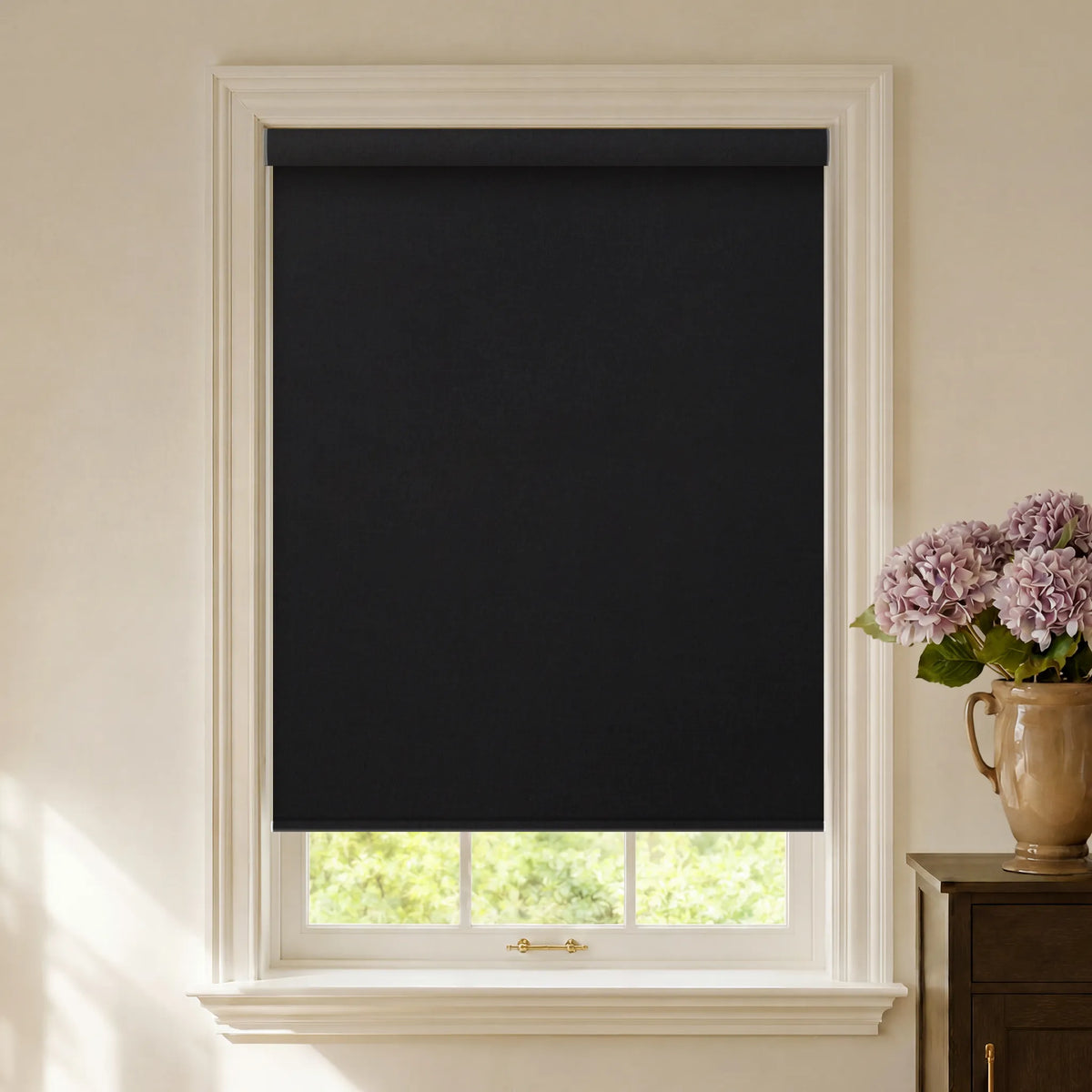
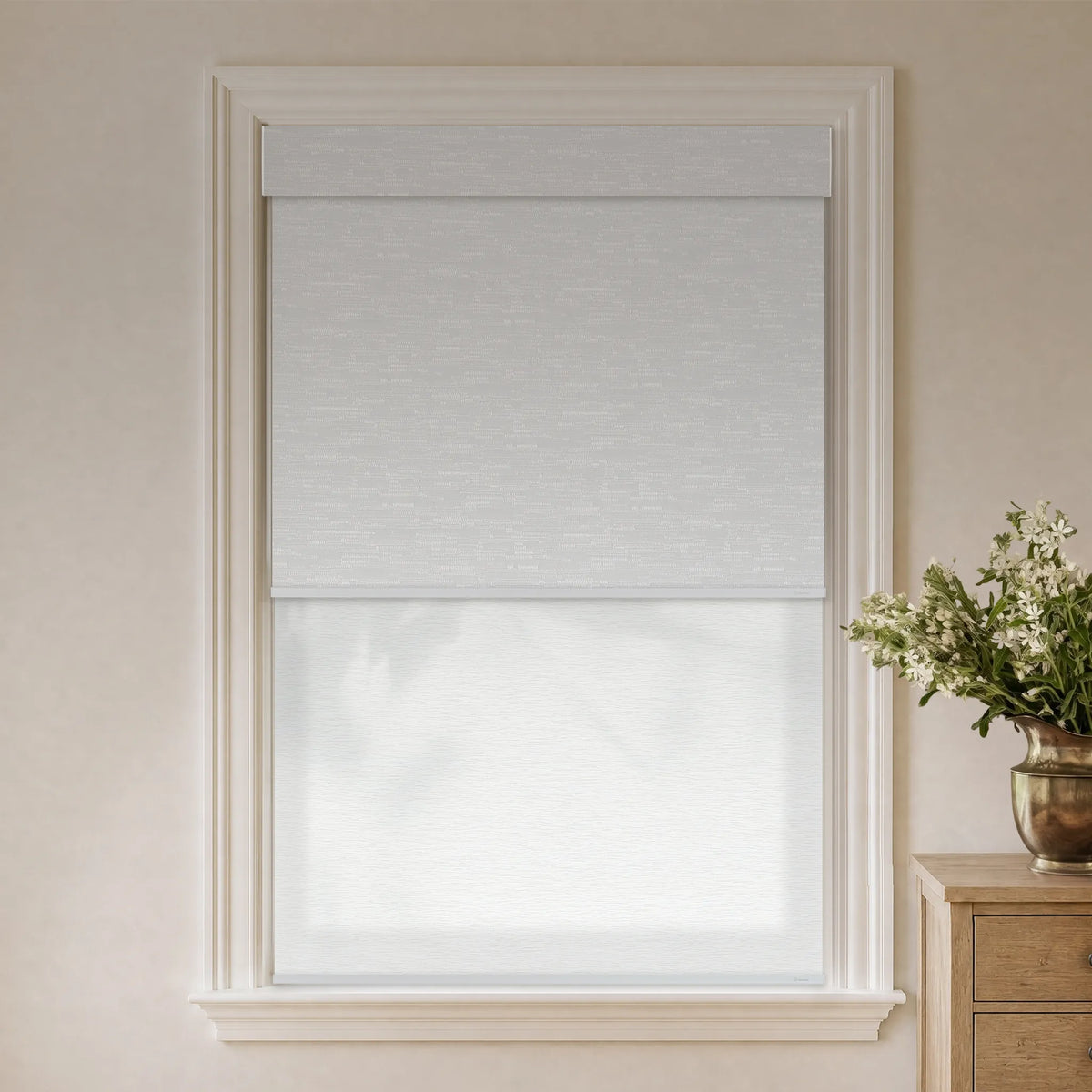
A Graywind cassette is an integrated rigid housing for a roller shade. It covers the roller tube and upper mechanism, creating a cleaner top profile. Although it performs some of the same visual functions as a cornice, it is not a separate decorative cornice or a traditional soft fabric valance.
Selected Graywind motorized roller shades are available with a cassette, while product configurations and finishes vary. For example, Graywind Motorized Blackout Roller Shades in the Fabric Series list cassette and no-cassette configurations and show a fabric-wrapped valance detail.
The cassette helps conceal the tube and brackets, but it does not independently guarantee a completely dark room. Inside mounts may still leave side gaps, and outside mounts require enough overlap and clear mounting space. Confirm the product dimensions, selected valance option, bracket clearance, fabric, and mount before ordering.
Choose a valance when you want a soft fabric layer, an easier style update, or a simple decorative finish. Choose a cornice when you want a rigid architectural frame, stronger hardware concealment, or a more built-in appearance. Choose an integrated cassette when you want the upper mechanism of a roller shade enclosed in a compact housing.
None of these options is automatically outdated. The most appropriate choice is the one that matches the room's proportions, provides the required coverage, and works with the window treatment.