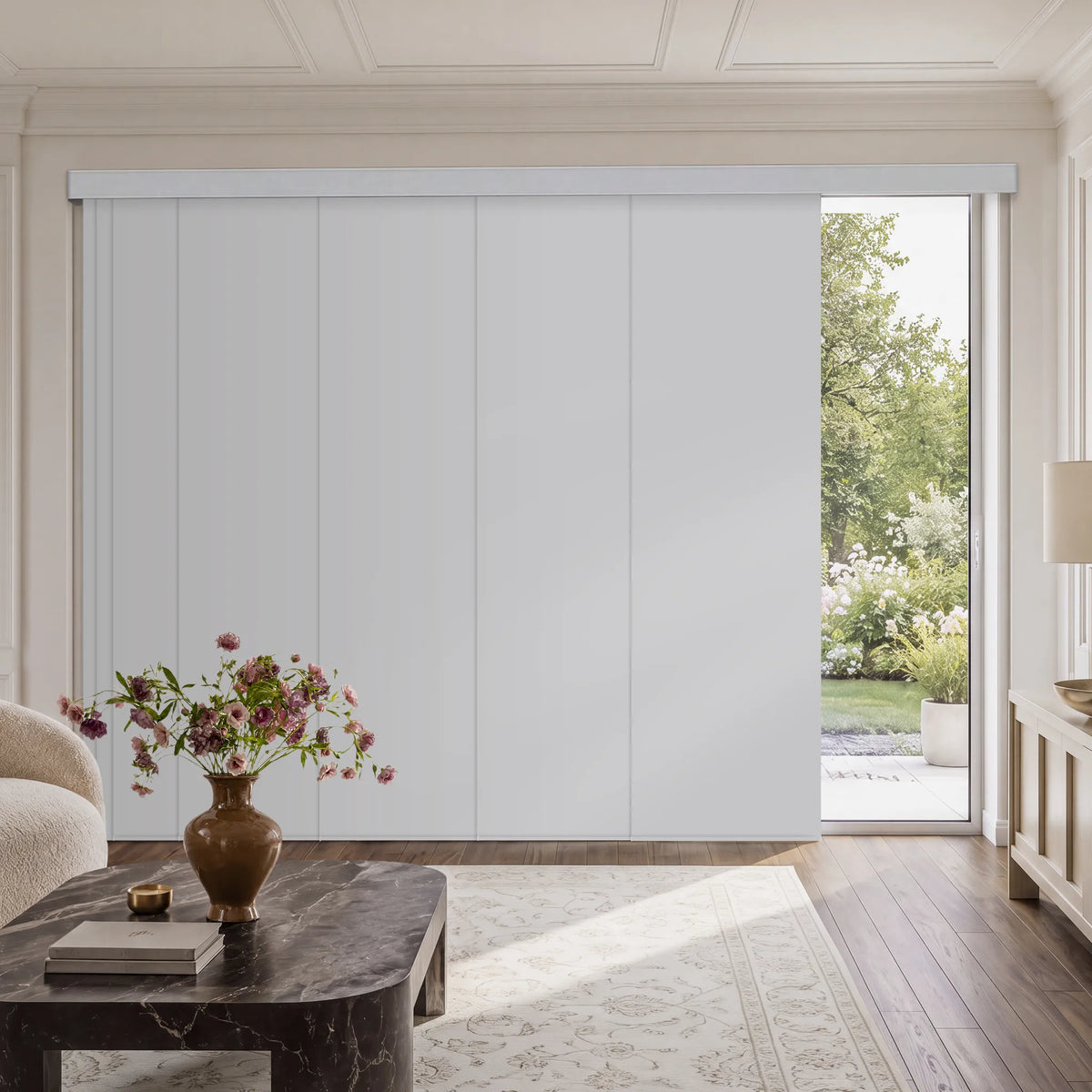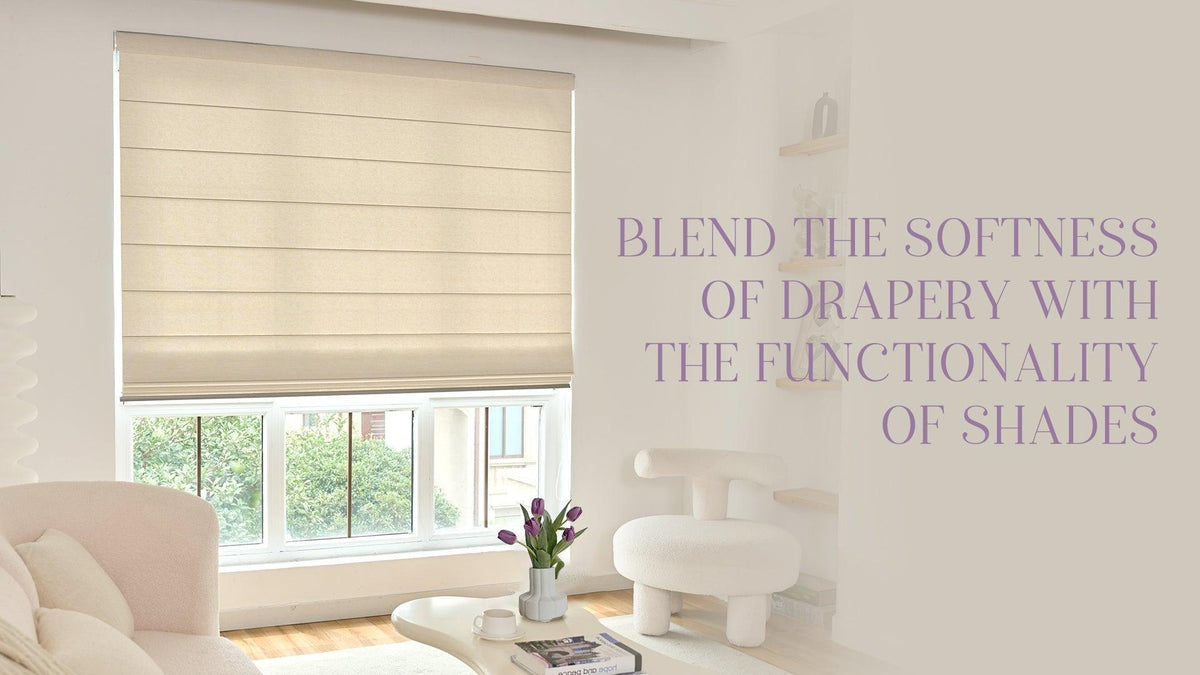
Roman shades combine the visual softness of drapery with the compact operation of a shade. Instead of hanging as loose panels, the fabric lifts into horizontal folds and stays within the window area. This makes Roman shades useful when you want textile depth without covering the wall with full-length curtains. The right choice depends on more than color. Fold profile, fabric opacity, pattern scale, mounting position, and stack height all change how the finished window looks and functions.
How Roman Shades Balance Softness and Structure
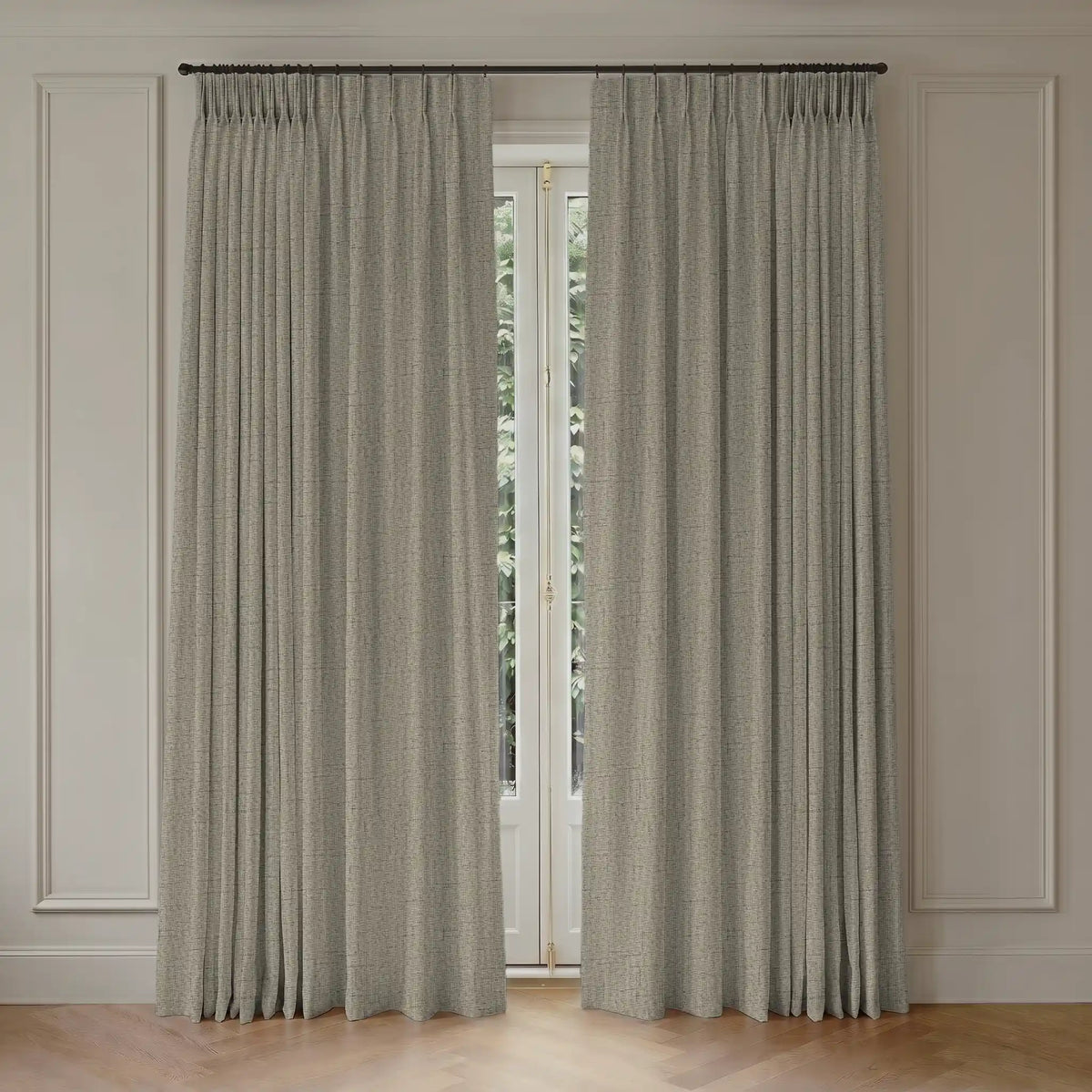
Curtains create movement through long vertical folds, while roller shades create a flat, minimal surface. Roman shades sit between them. Their fabric gives the window warmth and texture, but the defined lift pattern keeps the outline tailored.
This balance works especially well in rooms that mix upholstered furniture with clean architectural lines. A Roman shade can echo the softness of a sofa or headboard without adding the visual volume of floor-length drapery. However, its folds form a visible stack when raised, so it will preserve less exposed glass than a tightly rolled shade.
Design the Fold Around the Room
Consider Visual Weight
A flatter fold reads as restrained and contemporary. Deeper folds create more shadow and feel relaxed or traditional. Large windows can carry a stronger fold, while a compact window often looks cleaner with less fabric volume.
Pattern also matters. A bold repeat may look continuous when the shade is lowered but become fragmented as the folds gather. Solid colors, small-scale motifs, and woven textures usually remain visually consistent at different heights.
Use the Mount to Change Proportion
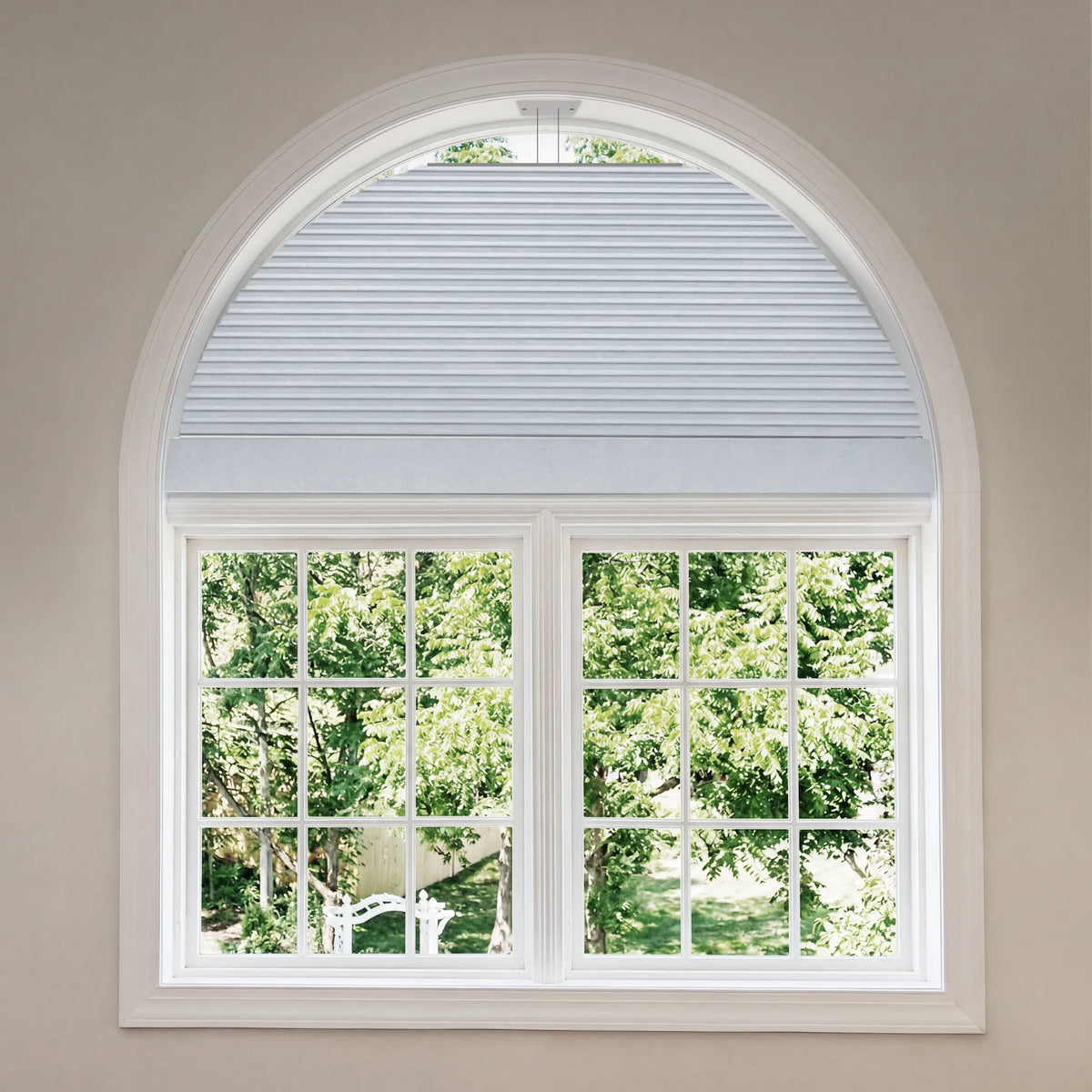
An inside mount frames the glass and emphasizes existing trim, provided the window has enough depth. An outside mount can make a short window appear taller when positioned above the frame. It can also provide more coverage, but the headrail and fabric occupy wall space. Check handles, trim, and door movement before choosing either installation.
Choose Light as a Design Material
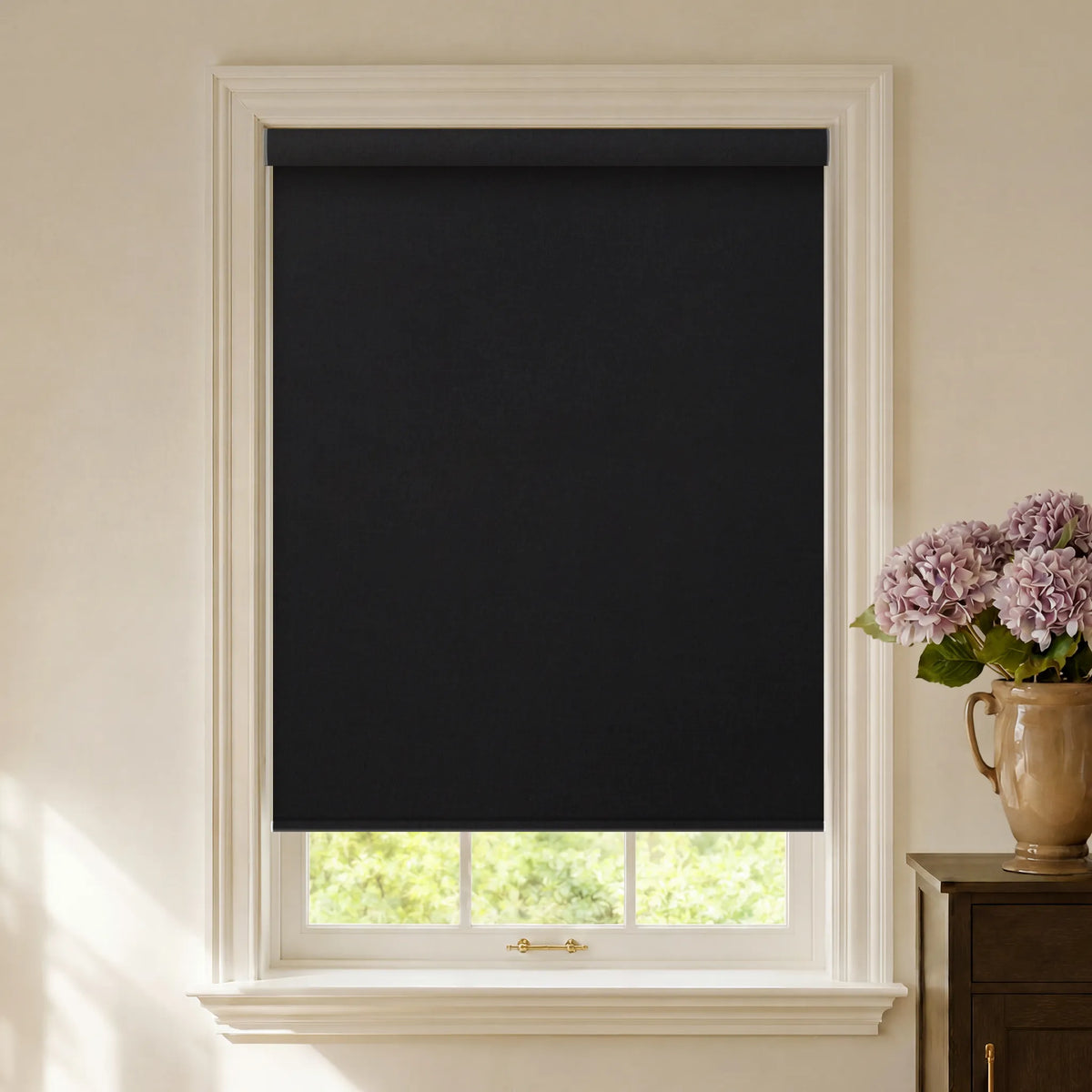
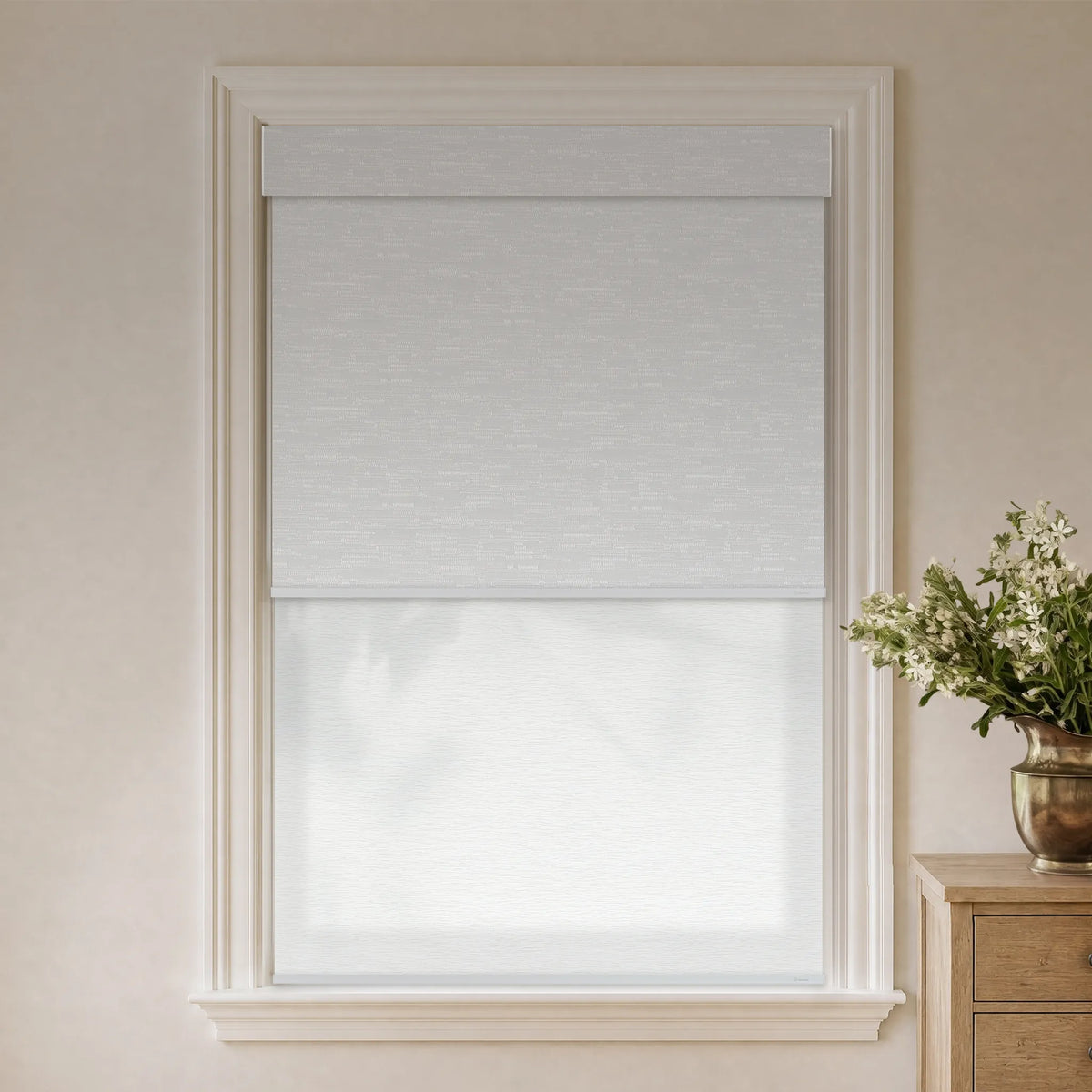
Opacity changes both function and appearance. Sheer fabric keeps the window visually light but offers limited privacy, especially after dark. Semi-sheer and light-filtering fabrics soften contrast and reveal more texture when sunlight passes through them. Blackout fabric creates a more solid surface and supports stronger room darkening, although small edge gaps may remain depending on the mount.
Evaluate swatches against the window during the day and under indoor lighting at night. A neutral fabric can look warm in direct sun, cooler on a north-facing window, and denser after sunset.
Match Roman Shade to Daily Use
- Living and dining rooms benefit from light-filtering fabric that softens daylight without making the space feel closed.
- Bedrooms suit blackout fabric when privacy and room darkening are priorities.
- Street-facing rooms can use top down bottom up operation to cover eye-level views while admitting light above.
- French doors require careful measurement so the shade clears handles and does not interfere with opening.
Fabric shades may require more care than roller or faux wood treatments. In areas exposed to grease, splashes, or persistent humidity, consider whether a wipeable material would be more practical.
Explore Graywind Roman Shade Options
Graywind offers motorized Roman shade in several opacity levels. Choose blackout Roman shade for stronger room darkening, or light-filtering Roman shades when diffused daylight matters more than darkness. Top down bottom up Roman shades add flexible coverage for bedrooms, offices, and street-facing windows.
Available control methods depend on the selected product, motor, and accessories. Check the Smart Control Guide before ordering, and use the Graywind Measuring Guide to confirm mount type, depth, and dimensions.
Choose Roman shade when the window needs fabric character and an orderly footprint. Start with the required light level, then decide how the fold, pattern, mount, and raised stack should relate to the room.