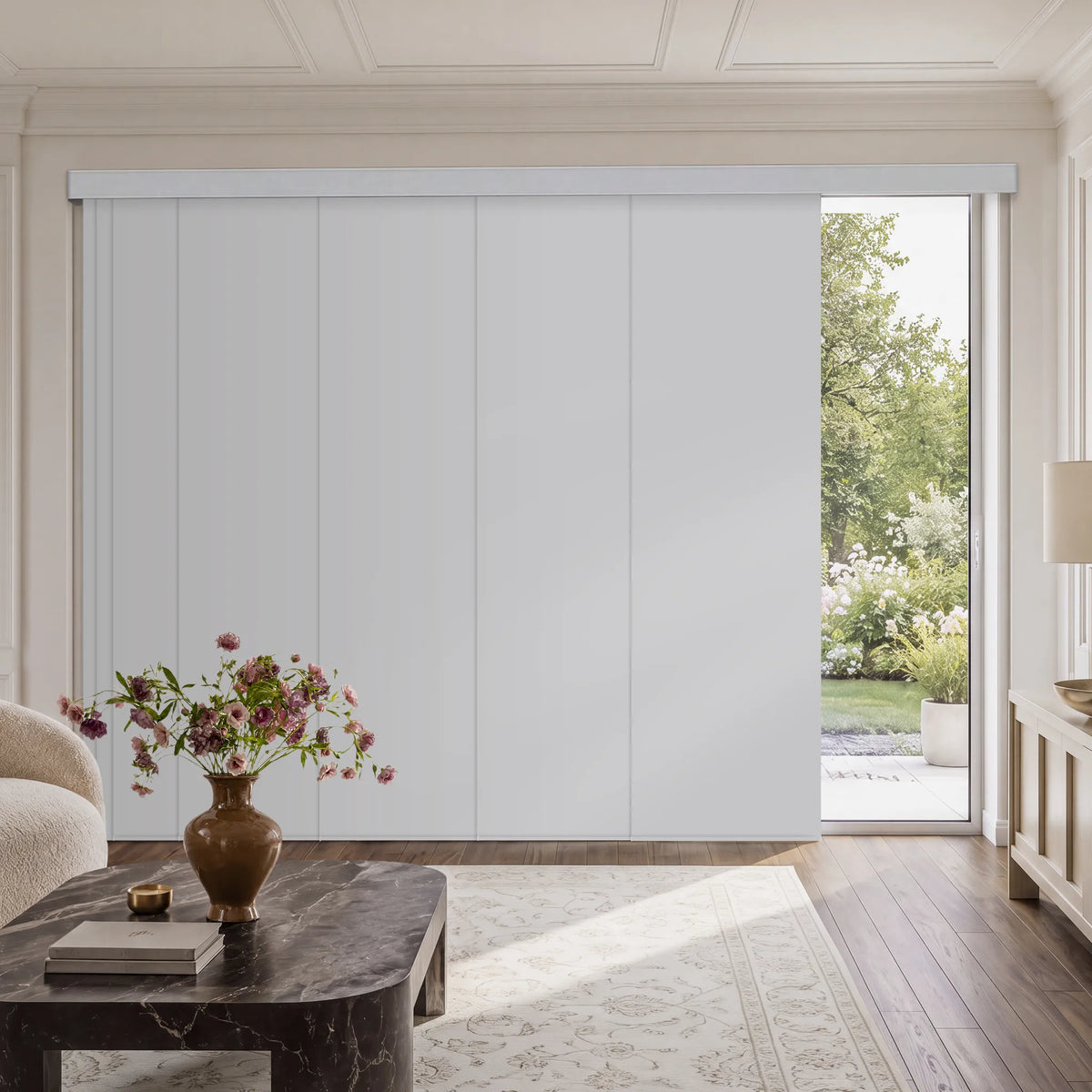
Window treatments began as practical barriers against sunlight, weather, and unwanted views. Over time, woven coverings, shutters, curtains, and adjustable blinds added better light control, insulation, and decoration. Modern smart blinds continue the same purpose but use a motor, remote, app, or compatible smart-home platform to simplify operation. Beginners should first understand the differences between blinds, shades, and curtains, then consider light control, privacy, mounting, power, and compatibility. Smart features are optional, and their availability depends on the exact product, motor, and accessories selected.

The History of Window Treatments
Ancient Beginnings: The Origins of Window Shades
Early window coverings used locally available hides, woven plant fibers, reeds, and fabric. They reduced sun exposure and drafts while creating privacy before glazed windows became common.
Ancient societies also used shutters, mats, and draped textiles. Window treatments developed gradually across regions rather than beginning with one documented invention.
Medieval to Renaissance Developments
In medieval buildings, shutters and heavy textiles covered openings and reduced drafts. During the Renaissance, richer fabrics, hardware, and arranged folds gave window coverings a stronger decorative role.
When Were Window Blinds Invented?
There is no single invention year. Slatted shutters and adjustable coverings developed over centuries, and the name "Venetian blind" does not confirm one place of origin.
In 1841, John Hampson received US Patent No. 2,223 for improving an existing movable-slat Venetian shutter. His design helped the slats remain positioned and reduced rattling.
Industrial Production Makes Blinds More Accessible
Industrial manufacturing produced window coverings more consistently. Metal and later synthetic materials created lighter, more affordable options, while standardized parts expanded distribution.

The Evolution of Window Blinds From Manual to Smart
Twentieth-Century Innovations
Window treatments expanded through several practical changes:
- Metal and synthetic slats created lighter blinds.
- Vertical blinds provided side-stacking coverage for wide windows and doors.
- Mini blinds used narrower slats for a compact appearance.
- Cordless and motorized systems introduced different ways to operate coverings.
The Digital Development of Smart Blinds
Motorized coverings existed before connected homes. Later systems added remotes, apps, schedules, voice assistants, and device routines. Products may use Bluetooth, Zigbee, WiFi, Matter, or proprietary radio, so compatibility requires checking.
What Are Smart Blinds?
Smart blinds are motorized window treatments that may support:
- A handheld remote or wall control.
- A smartphone app.
- Voice commands through a compatible platform.
- Schedules, groups, or automated routines.
Power options include rechargeable batteries, hardwired electricity, or compatible solar accessories. Battery life varies by motor, shade size, fabric weight, and use.
Not every smart blinds connects directly to WiFi. Some use Bluetooth, while others require a hub. Matter products need a compatible controller and may require a Thread border router.

Why Consider Smart Blinds?
Energy Management
Closing suitable coverings during intense sunlight can reduce solar heat gain, while insulating shades can reduce heat loss. Results depend on the window, fabric, fit, climate, and schedule. The US Department of Energy identifies well-fitted cellular shades as an energy-efficient window attachment, but one percentage cannot represent every home.
Furniture Protection
Direct sunlight and UV exposure can fade flooring, furniture, and artwork. Scheduling shades during the brightest hours can reduce exposure, but protection depends on the fabric's tested performance and coverage.
Home Security
Scheduled movement can make a home appear occupied while residents are away. It should support, not replace, locks, alarms, cameras, and other security measures.
Accessibility and Safety
Remote operation helps with tall windows and can reduce physical effort for people with limited mobility. Many motorized products also avoid accessible operating cords. The US Consumer Product Safety Commission recommends cordless window coverings when young children are present.
Everyday Convenience
Schedules can open bedroom shades in the morning, close west-facing shades before afternoon sun, or move several windows together.

Introducing Graywind Smart Blinds
Graywind offers motorized shades and blinds with different fabrics and controls. Configuration depends on the window, room, and smart-home platform.
Installation and Setup
Many products support DIY installation. Time varies by shade, mount, window size, and experience. Use the Graywind Online Manual for the selected product.
Smart Home Compatibility
Graywind offers Bluetooth, Zigbee, Matter, Hardwired WiFi, and other motor configurations on selected products. They do not all connect to every platform in the same way. Review the Smart and Control Guide before choosing a motor, hub, or voice assistant.
Fabric and Product Selection
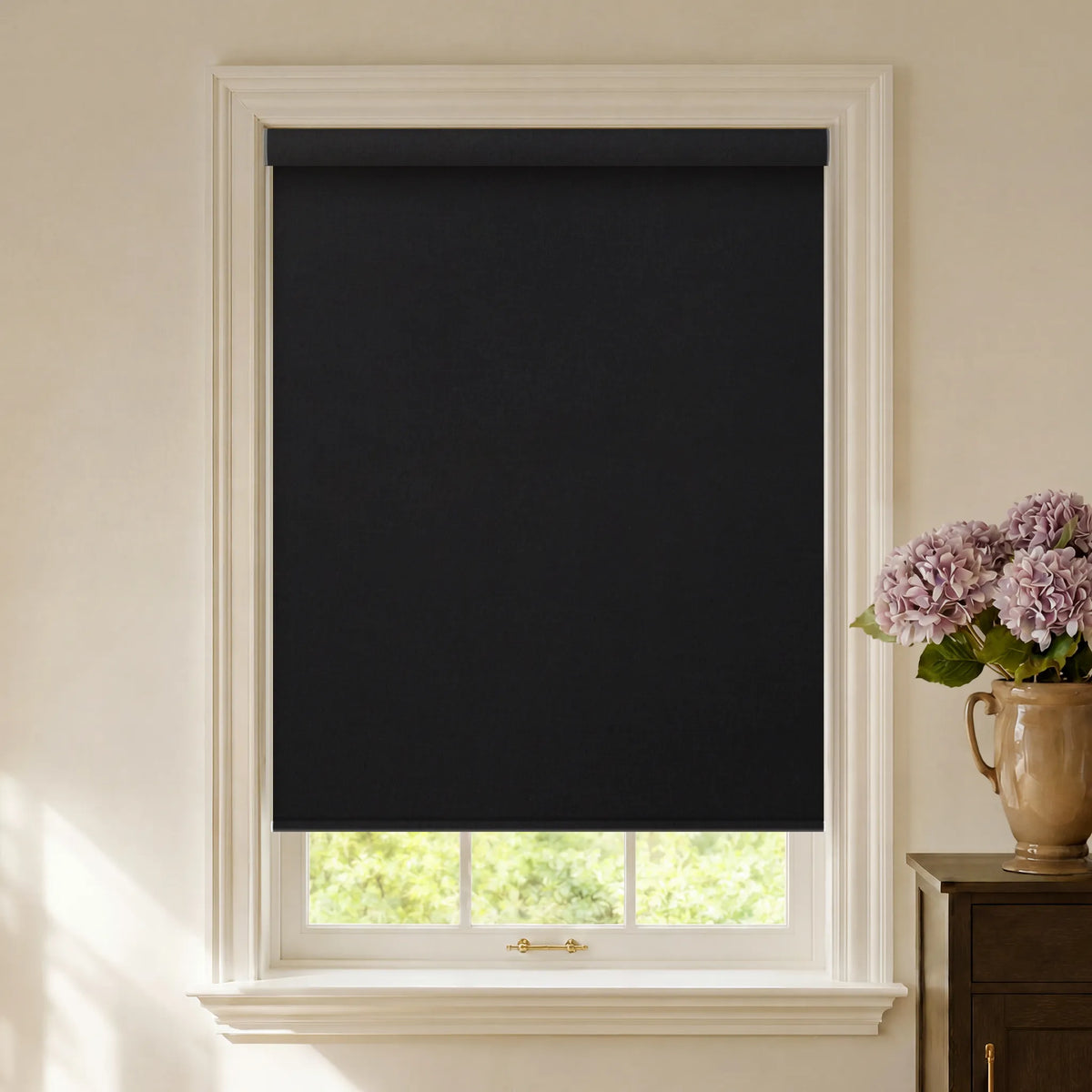
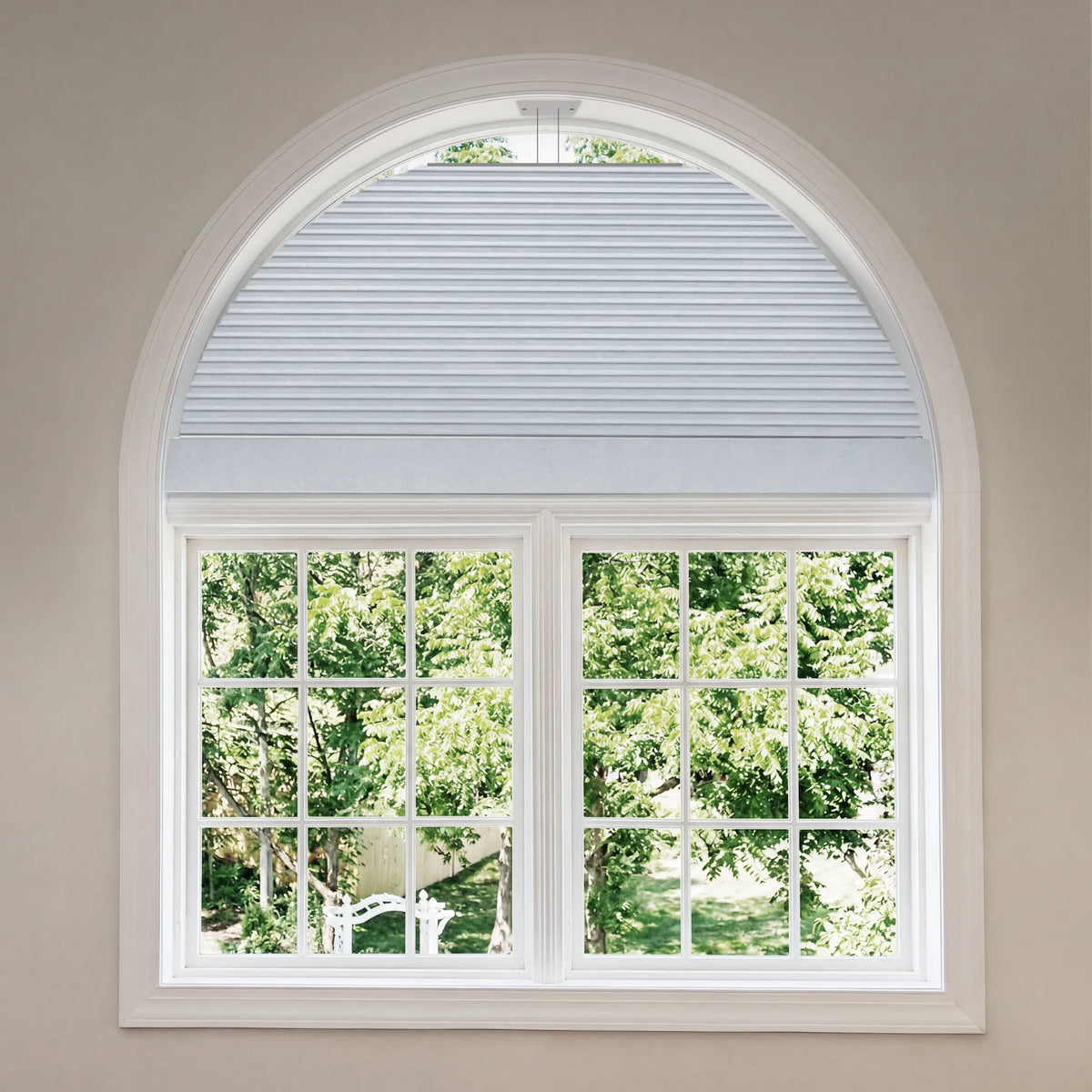
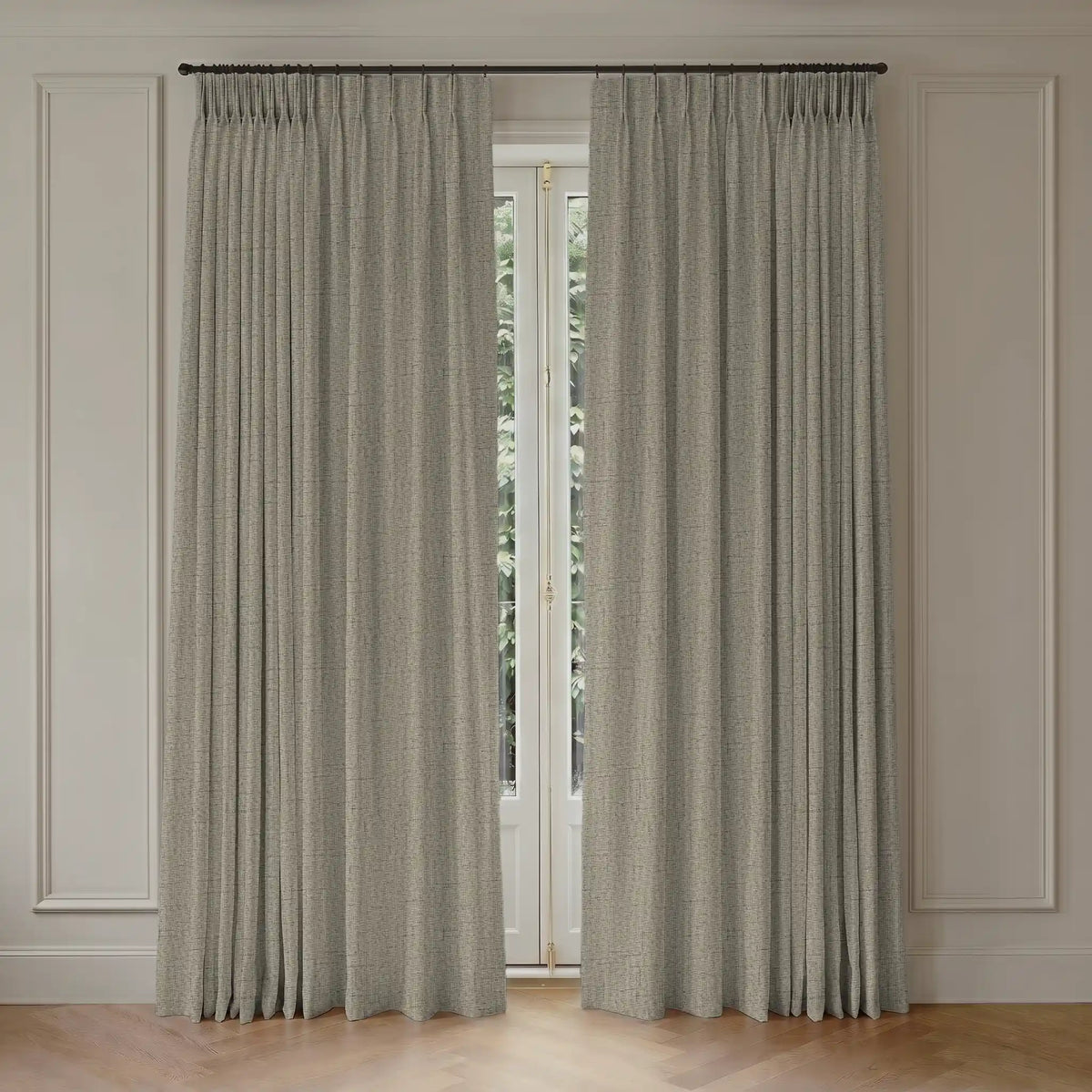
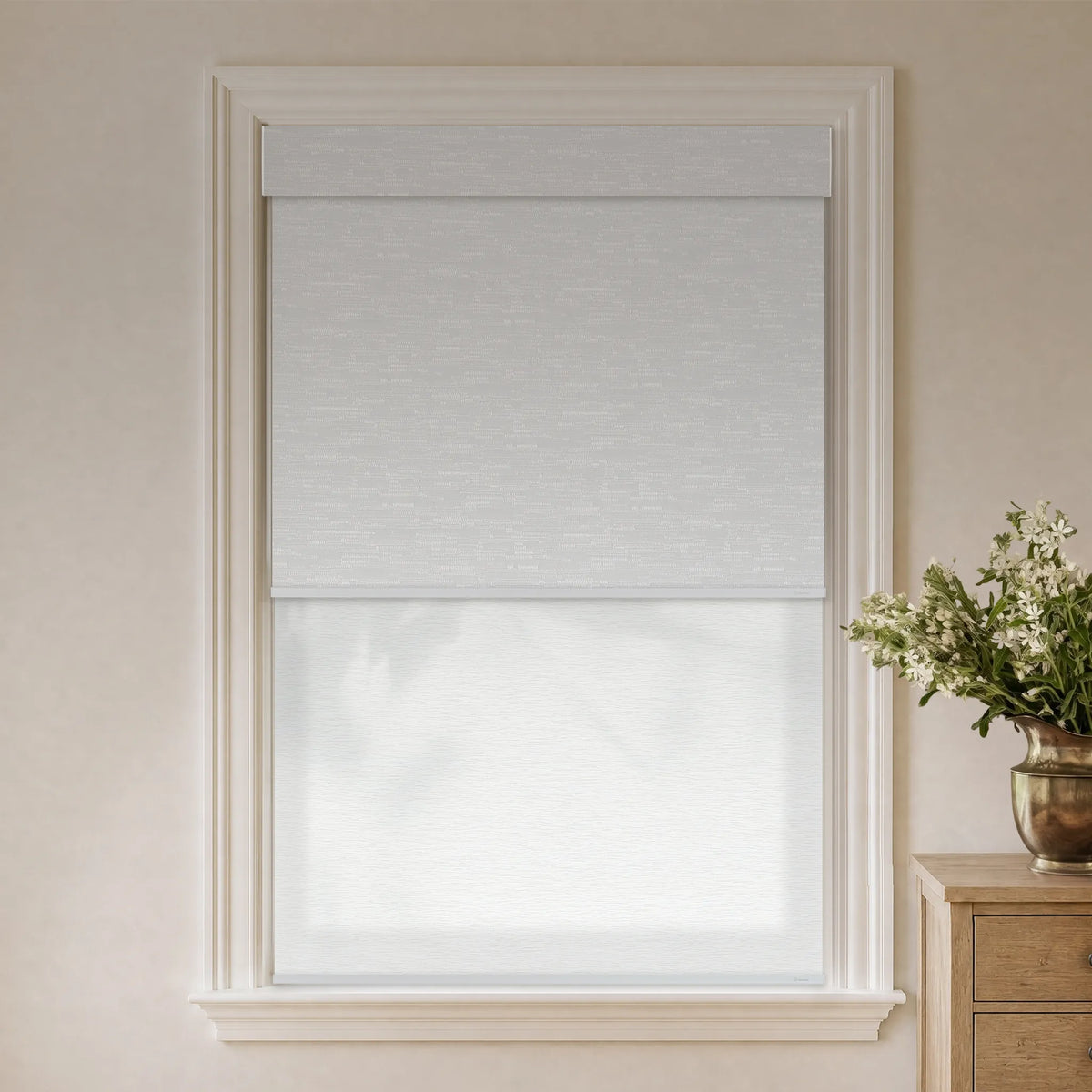
Available options include blackout, light-filtering, solar, cellular, Roman, zebra, dual, and other window treatments. Compare their light control, privacy, insulation, maintenance, and mounting requirements through the Window Treatment Selection Guide.
App and Remote Control
Depending on the motor, controls may include a remote, the Graywind app, schedules, group operation, or supported smart-home routines. Confirm whether remote access requires a hub.
Motor Noise and Power
Motor sound, speed, and power differ by product. Rechargeable options simplify retrofits, while hardwired motors suit locations with continuous power. Solar charging is available only with compatible motors and accessories.
Expanding the System
You can begin with one room and add compatible shades later. Using the same motor ecosystem can simplify group control and automation. Confirm compatibility before combining products purchased at different times.

Start with the room's light and privacy needs, then choose the window treatments, fabric, mount, power source, and control method. Explore Graywind motorized shades and blinds only after those practical requirements are clear.