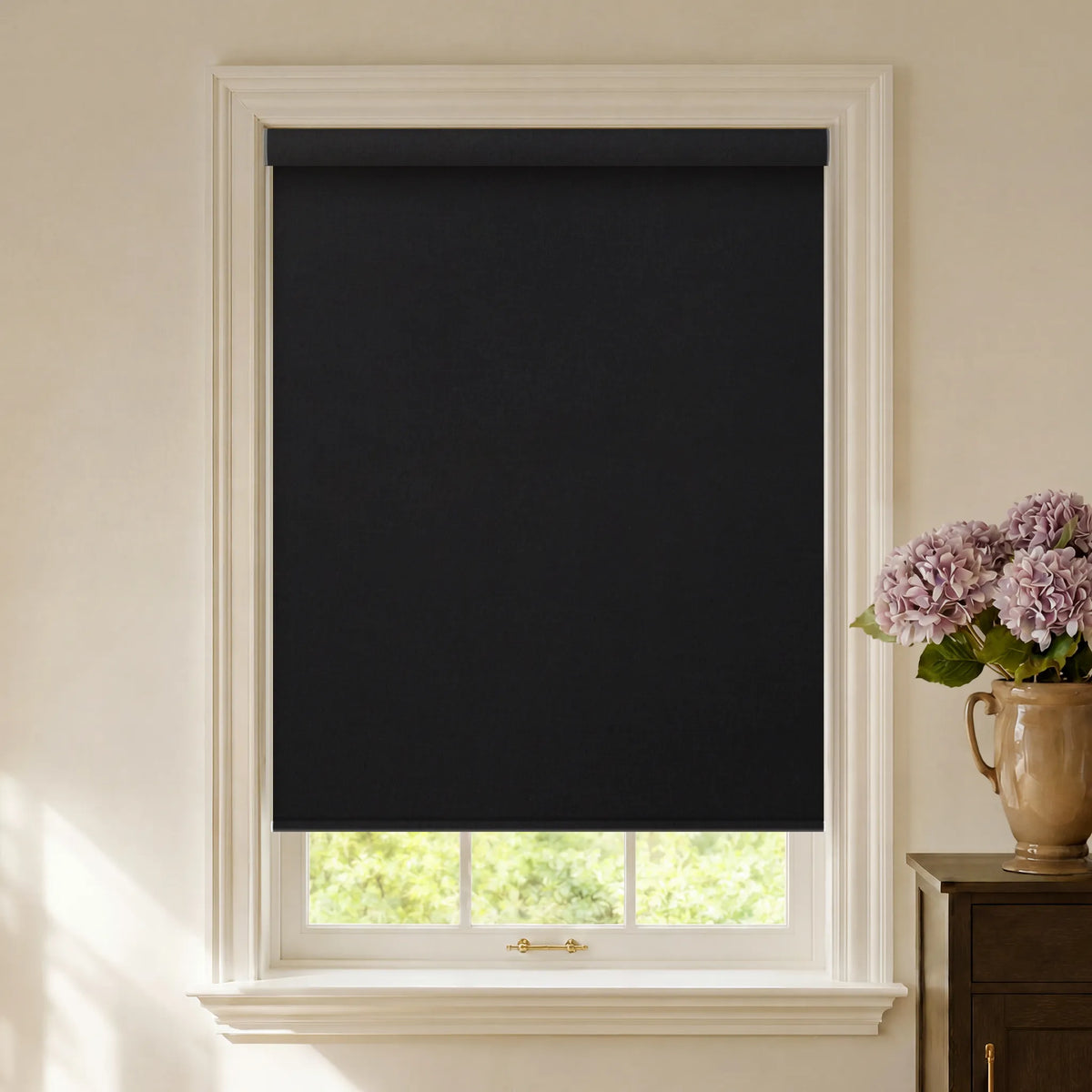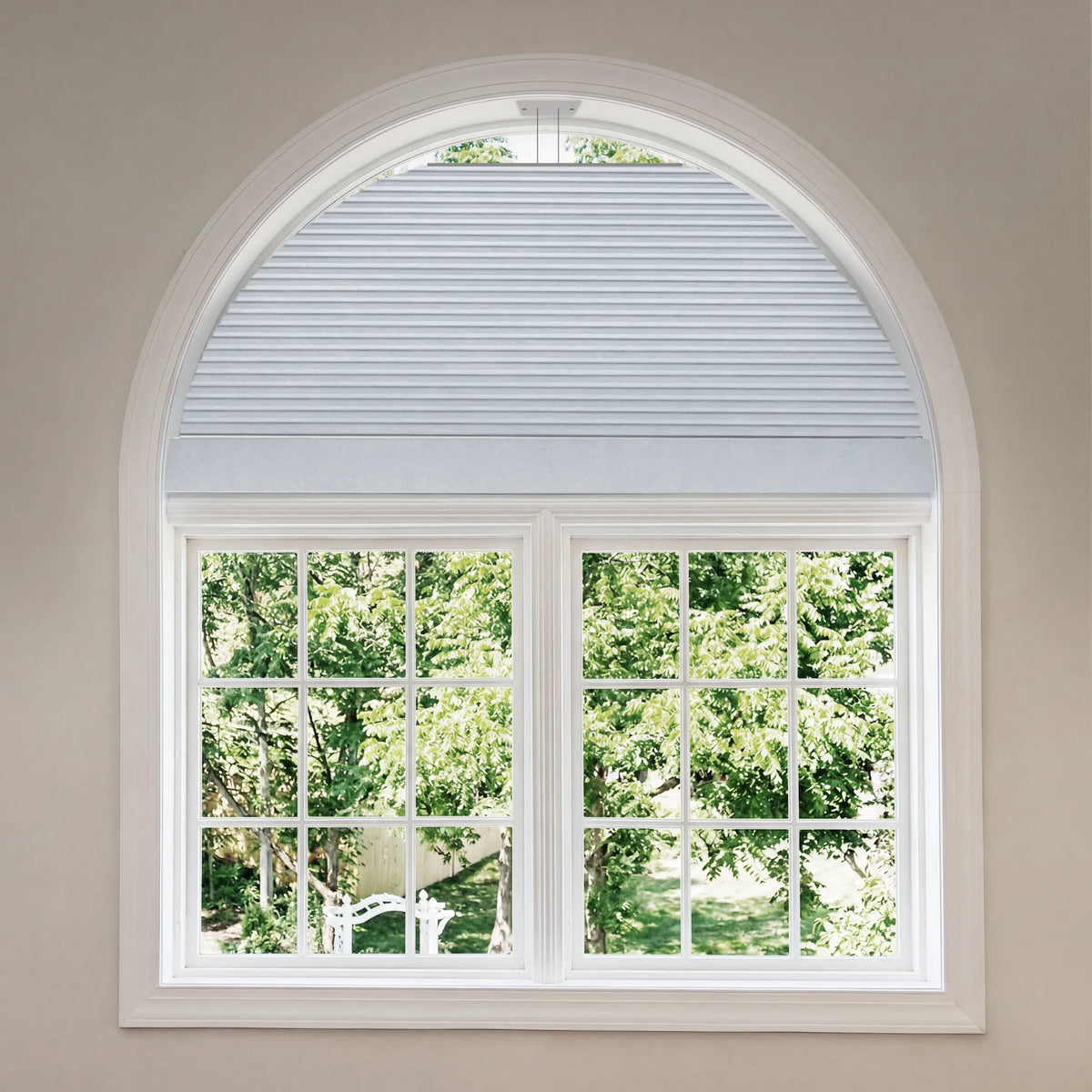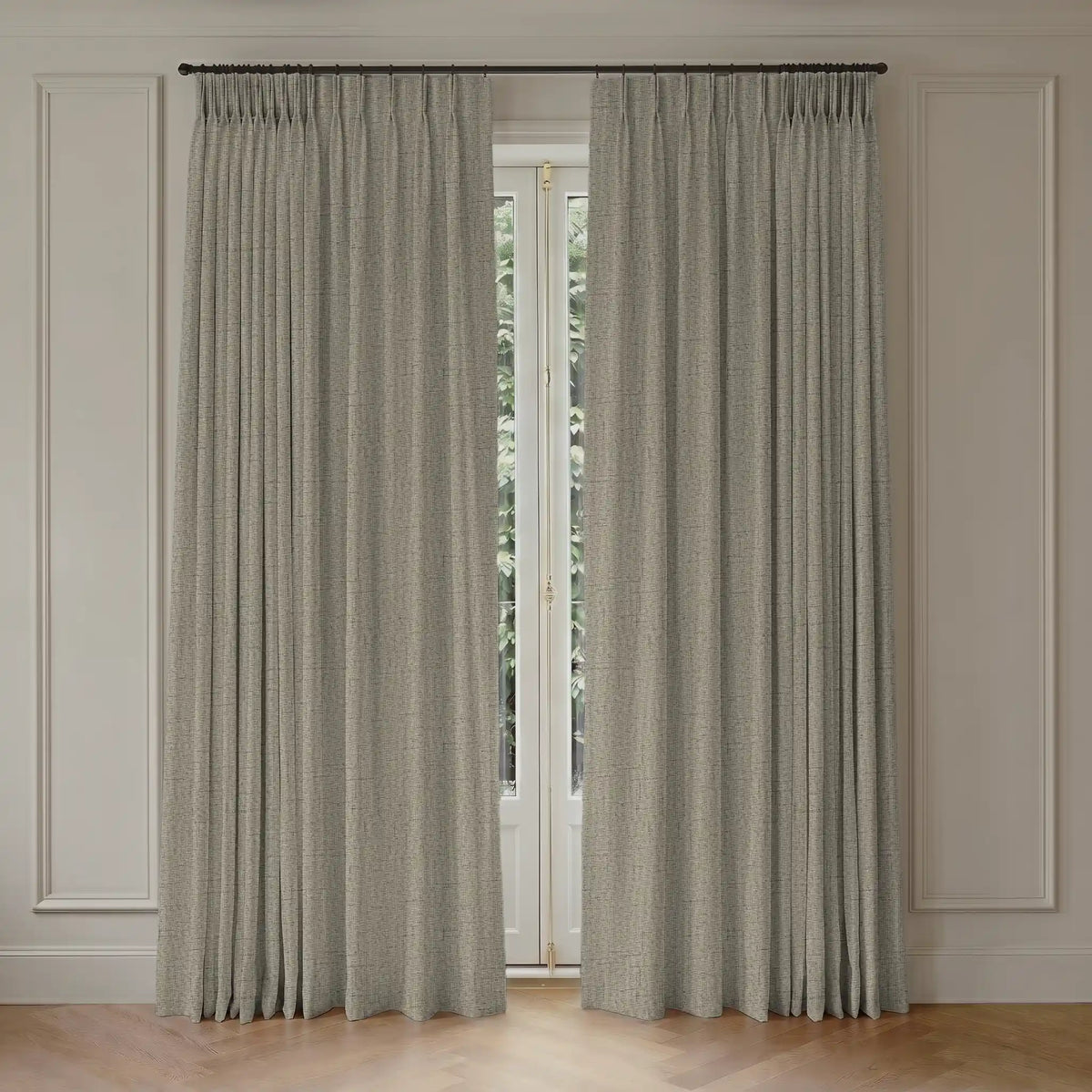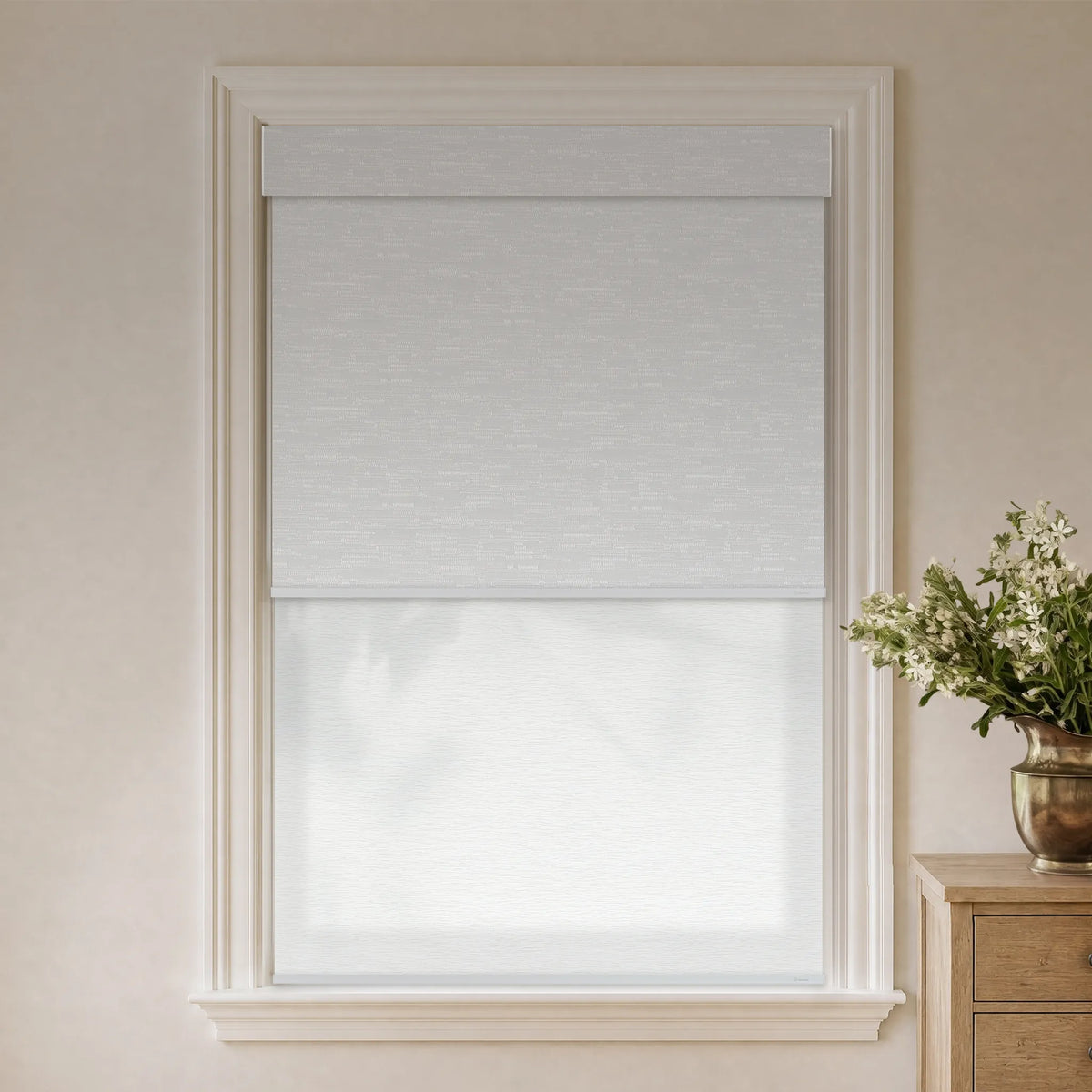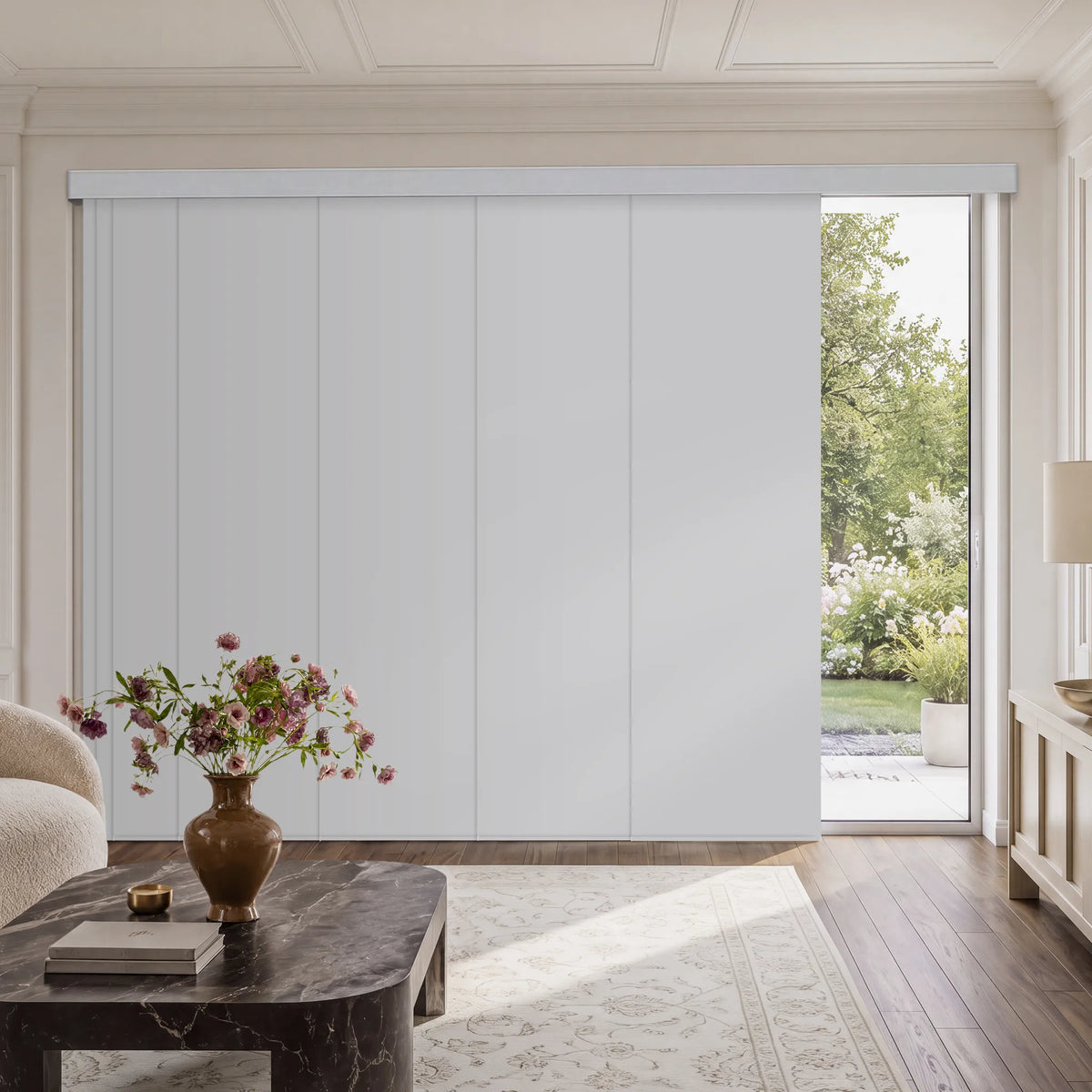
Want to upgrade your home with motorized blinds, but now comes the final, crucial technical choice: battery vs hardwired motorized blinds? This comprehensive guide will break down the pros, cons, and key factors to consider, helping you make the perfect choice for your home.

Why Choose Motorized Blinds?
- Convenient operation: Use a compatible remote, app, voice assistant, or schedule, depending on the motor.
- Automated light control: Schedules can manage glare, privacy, and solar heat gain, but savings depend on the window, fabric, climate, and schedule.
- Cordless operation: Motorized controls can remove accessible operating cords. The U.S. Consumer Product Safety Commission recommends cordless window coverings when young children are present.
- Difficult-window access: Motorization makes high windows and windows behind furniture easier to operate.
- Smart-home integration: Compatible systems can support scenes and routines, but platform and hub requirements vary by motor.
Battery-Powered Motorized Blind: Wireless Power
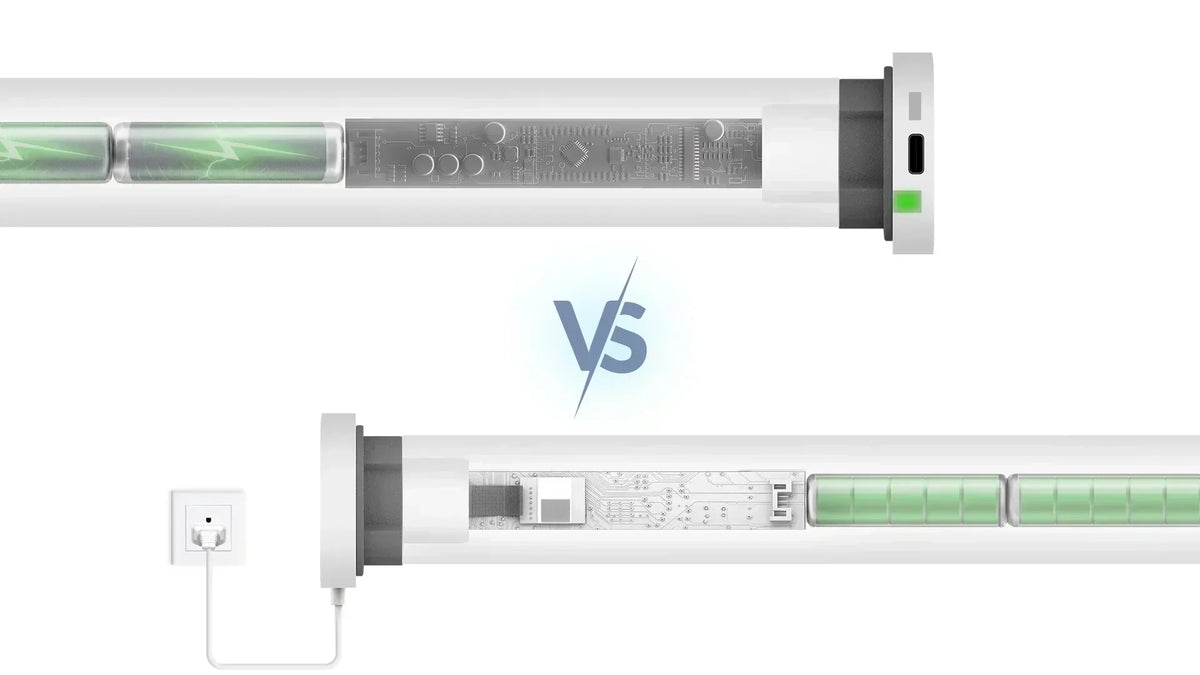
Battery-powered blinds use a rechargeable motor or battery pack. They do not require a nearby outlet or direct electrical connection.
Pros of Battery-Powered Blinds
- Easier retrofitting: Rechargeable motors usually need no electrician, although correct mounting is still required.
- No visible power cable: The battery is contained within or connected to the shade system.
- Flexible placement: Battery power works where outlets or planned wiring are unavailable.
- Less electrical work: No power connection needs to be added near the window.
Cons of Battery-Powered Blinds
- Periodic charging: The interval depends on the motor, shade size, usage, and setup. Check the selected product.
- Temporary loss of operation: A depleted battery must be recharged before normal motorized use resumes.
- Charging access: Recharging can be inconvenient on high or difficult-to-reach windows.
- Headrail dimensions: Battery and motor components may affect size, so confirm product specifications.
Choose battery-powered blinds when easy retrofitting, a wire-free appearance, or independence from nearby outlets matters more than avoiding periodic charging.

Hardwired Motorized Blinds: Continuous Power
Hardwired blinds use household power. Some systems use concealed wiring, while Graywind's current Hardwired WiFi Motor remains plugged into an accessible outlet.
Pros of Hardwired Motorised Blinds
- No charging: The motor receives power while household electricity is available.
- Frequent operation: Continuous power supports repeated adjustments and schedules without charging interruptions.
- Planned power: Outlets or wiring can be positioned during construction or renovation.
- Concealed installation potential: Wiring may be hidden when included in the electrical and interior plan.
Cons of Hardwired Motorized Blinds
- More planning: Direct wiring should be completed by a qualified professional. Graywind's installation guide distinguishes rechargeable and wired installations.
- Higher potential upfront cost: Outlets, wiring, and professional labor can add expense.
- Fixed power location: Relocating the shade may require changes to the power setup.
- Power-outage dependency: The motor will not operate normally when household power is unavailable.

How Do They Work?
Both systems use a motor to move the shade but draw power differently.
- Battery-powered: A rechargeable battery powers the motor. Controls depend on the motor and any required hub.
- Hardwired or plug-in: Household electricity powers the motor. The supported connection depends on the system.
Head-to-Head Comparison: Battery-Powered vs Hardwired Shades
|
Feature |
Battery-Powered Blinds |
Hardwired Motorized Blinds |
|
Installation |
Easy, DIY-friendly. Retrofit perfect. |
Complex, often requires professional electrician. |
|
Upfront Cost |
Lower |
Higher (includes wiring & labor) |
|
Long-Term Cost |
Cost of battery replacement/recharging |
No ongoing power cost |
|
Maintenance |
Periodic battery management |
Virtually none |
|
Reliability |
High, but dependent on battery life |
Maximum, with constant power |
|
Aesthetics |
Clean, no wires (but potentially bulkier) |
Very clean and discreet headrail |
|
Flexibility |
High; easy to relocate |
Low; permanent installation |
Key Factors to Consider
- Budget: Compare the shade, motor, accessories, electrical work, installation, and battery service.
- Installation: Determine whether standard mounting or professional electrical work is required.
- Windows: A few retrofit windows may favor batteries, while a planned whole-home project may justify continuous power.
- Automation: Both can support compatible schedules, but hardwired power avoids charging interruptions.
How to Choose the Right Motor
Graywind power and control options vary by product.
- Choose battery-powered blinds for easier retrofitting, no visible power cable, and no outlet dependency.
- Choose hardwired motorized blinds when continuous power and an outlet or planned connection are available.
Use the Graywind Smart Control Guide to match the motor, power, hub, remote, and platform.
Solar Panels for Battery-Powered Blinds
An optional solar panel can supplement compatible rechargeable motors and reduce manual charging. Performance depends on product compatibility, daylight, panel placement, and window conditions. It is not guaranteed maintenance-free power. Graywind's motorized solar roller shades show a compatible application.
The Bottom Line
The choice depends on the project, power access, and tolerance for charging or electrical work.
- Choose battery-powered blinds for easier retrofitting and wire-free installation.
- Choose hardwired motorized blinds for continuous power in a planned installation.
- Consider a solar panel when a compatible rechargeable shade receives suitable daylight.