Window treatments for doors and windows do not need to be identical. They need to work together without interfering with how each opening moves. Start with the door because handle clearance, swing direction, walking access, and stack space create the strictest limits. Then coordinate nearby windows through two or three shared details, such as color, opacity, hardware finish, top-line height, or control method. A sliding door can use a side-traveling treatment while adjacent windows use roller shades. The room will still look unified when the materials, proportions, and open positions are planned as one composition.
Start With Movement and Clearance
Map how the door, window, furniture, and treatments move before choosing fabric. Mark the active door panel or swing radius, handles, locks, vents, switches, and the position of furniture. Also record where each treatment will rest when fully open. A door treatment should clear the main passage, while a window treatment should allow ventilation and access to latches where needed.
For sliding doors, curtains, panel track blinds, sheer vertical blinds, and vertical blinds move in the same direction as the door. Standard windows can use roller, Roman, cellular, or zebra shades when their headrails and fabric rolls do not collide with the door treatment.
Choose What Should Match
Do not force one product onto every opening. Instead, repeat selected visual elements:
- Color: Use the same color family or related neutral tones. Compare samples in the actual room because daylight and indoor lighting can change the undertone.
- Opacity: Keep the overall light response balanced. Different opacity levels can work when privacy or glare varies across the wall.
- Hardware: Coordinate visible rods, tracks, headrails, brackets, and motor finishes with nearby door hardware and room metals.
- Top line: Align the visual top edge where mounting surfaces and clearance allow it.
- Controls: Keep manual or motorized controls easy to understand within the room. Verify each selected motor and accessory separately.

How to Choose Window Treatments
Choose by Window or Door Type
Standard Windows
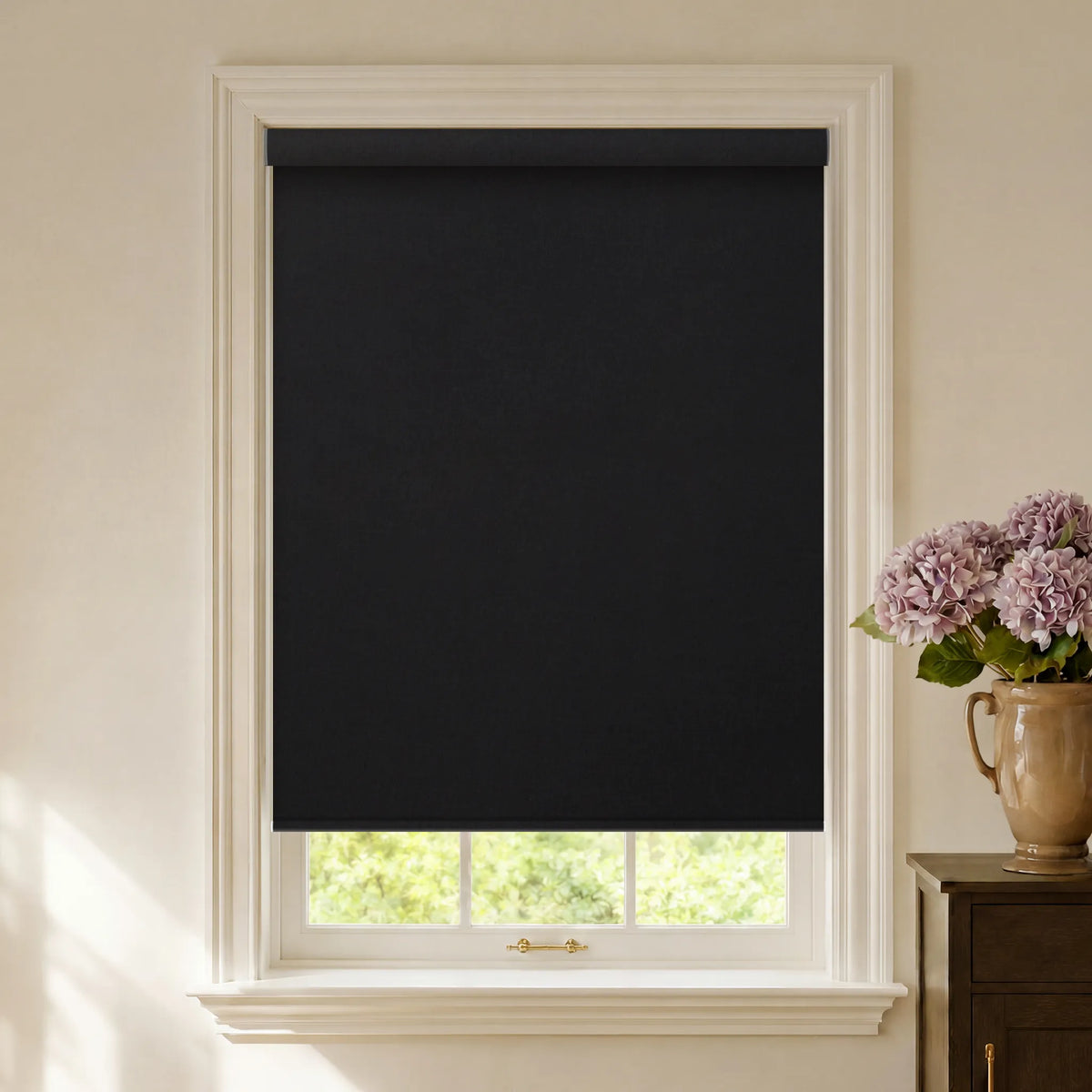
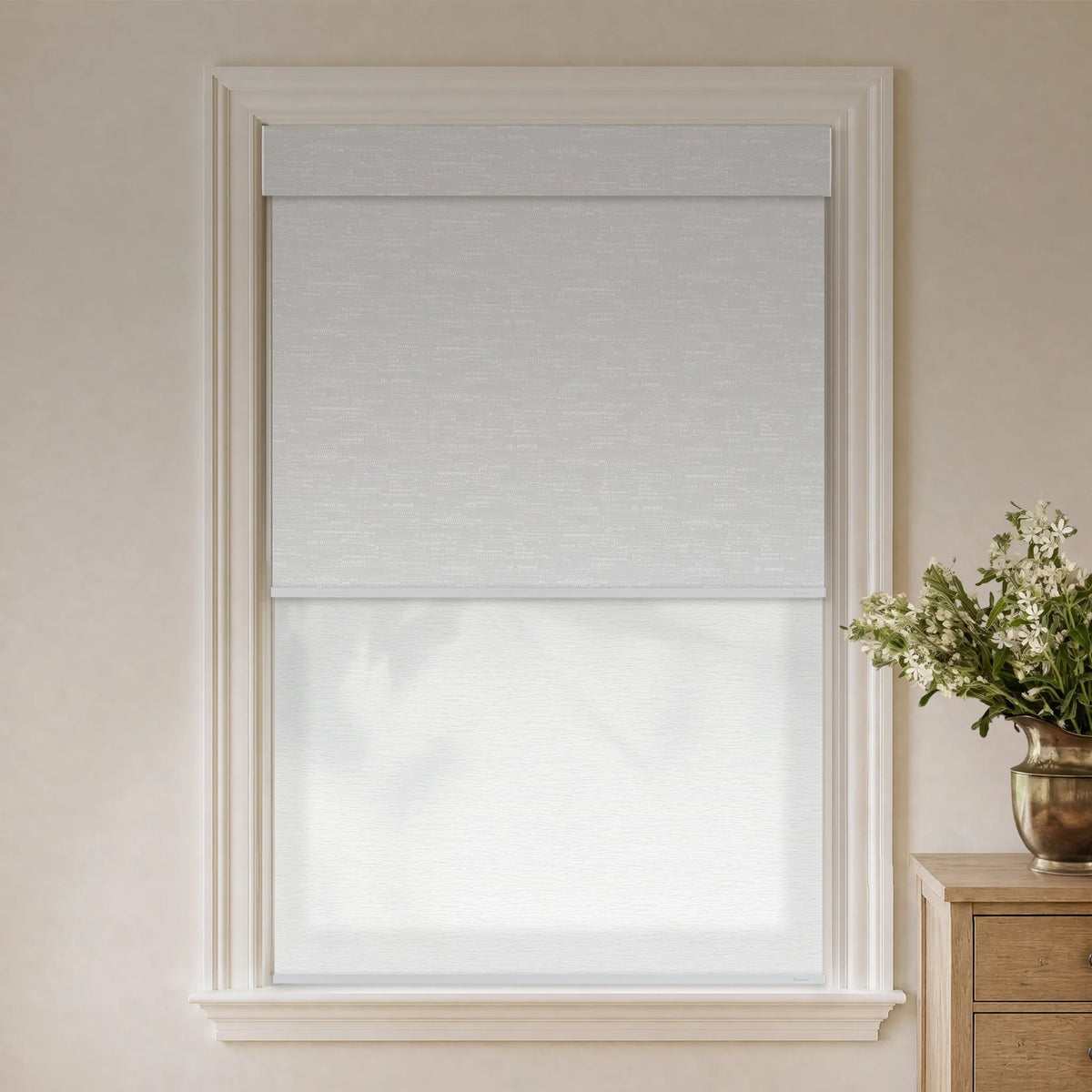
Standard rectangular windows accept many treatments. Roller shades create a simple profile, Roman shades add soft folds, and short curtains provide a decorative finish. Choose according to light control, mounting depth, and room style.
Floor-to-Ceiling Windows
Tall glass needs treatments that remain easy to operate. Roller shades offer a clean appearance, while full-length curtains soften the height. Motorization can simplify hard-to-reach installations.
Bay Windows
A bay window contains several panes at different angles. Each section can use a separately measured roller, Roman, cellular, or zebra shade. This follows the bay's shape and preserves its depth.
Choose by Operation Style
Consider how the treatment needs to move before selecting its appearance.
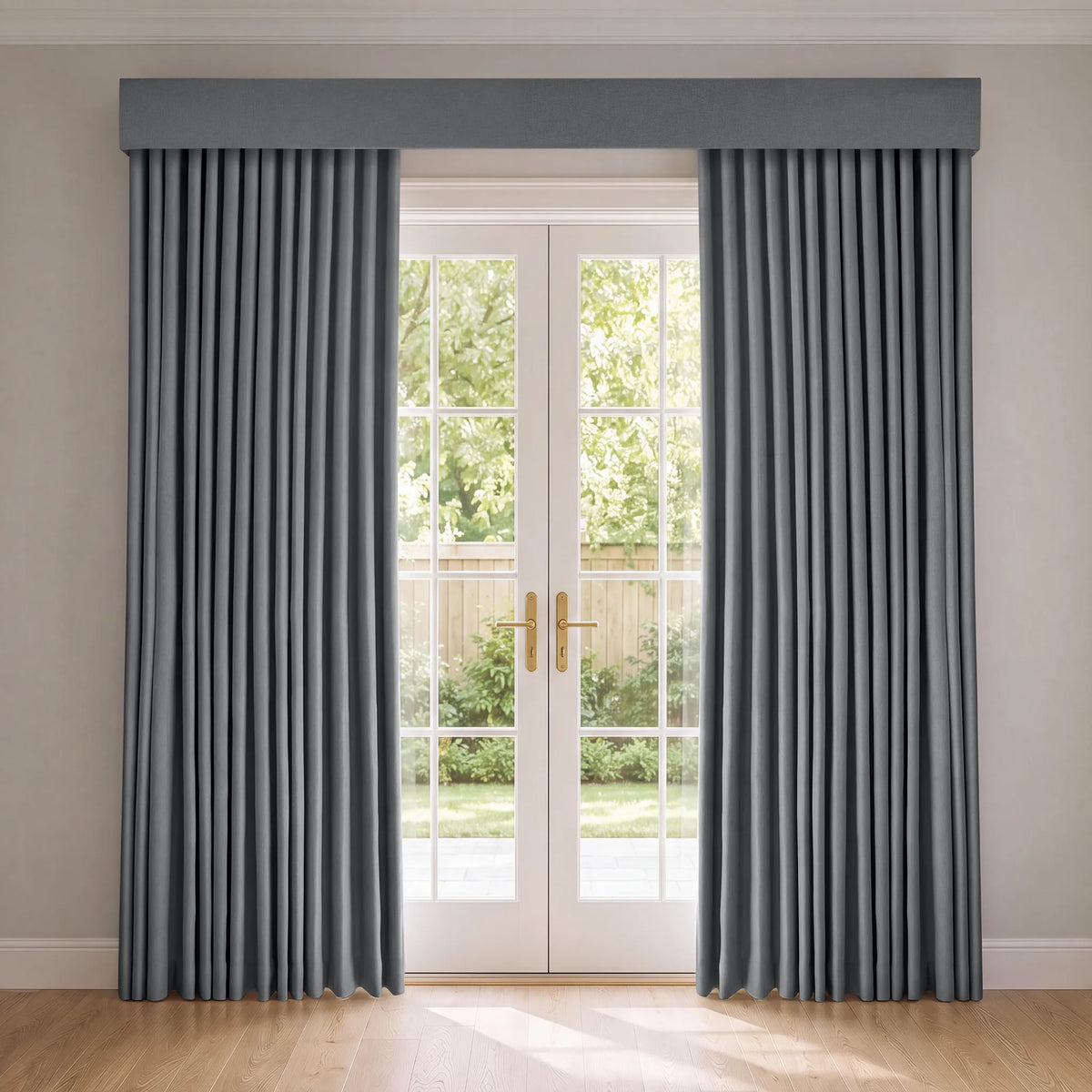
Side-to-side operation works for curtains, panel track blinds, and vertical blinds, especially on doors.
Up-and-down operation suits roller, Roman, cellular, and zebra shades while keeping the door path clear.
Adjustable slats allow more precise control of light direction without fully opening the treatment.
On frequently used doors, the treatment should not catch on the handle or obstruct movement.
Choose by Room Requirements
Bedrooms usually need stronger light control and privacy, so blackout shades or lined curtains are practical. Living rooms often benefit from light-filtering treatments that soften daylight. Kitchens and bathrooms need moisture-tolerant, easy-to-clean materials. Cordless or motorized operation removes hanging control cords.

Installation Options
- Inside mount. The treatment sits within the frame for a neat, built-in appearance, but it requires sufficient mounting depth.
- Outside mount. The treatment covers the frame and can provide greater overlap.
- Ceiling mount. Curtains or tracks mounted above the opening can emphasize height and suit wide doors or dramatic drapery.
Window Treatment Ideas for Different Openings
Bay Windows
Wood blinds or shutters add structure and warmth. Roller shades are compact, while zebra blinds shift between filtered light and greater privacy. Separate treatments usually fit the bay's angles best.
French Doors
French doors need a slim treatment that clears the handle and stays stable. Roller, Roman, or cellular shades can work when carefully measured and securely mounted. Sheer curtains should not catch on the handle.
Sliding Glass Doors
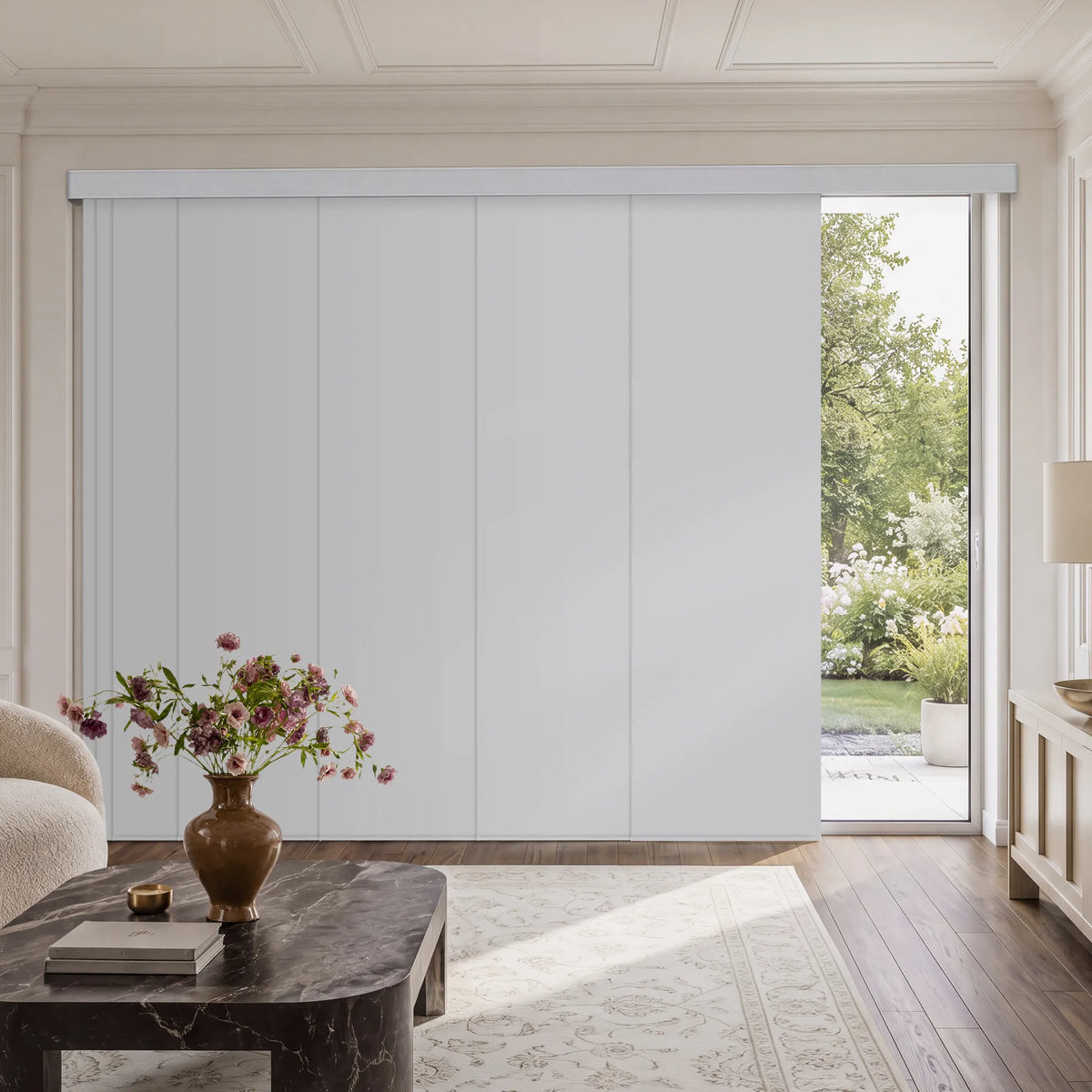
Choose a treatment that travels in the same direction as the door. Soft sheers diffuse daylight, while panel track blinds glide horizontally across wide openings. Vertical and sheer vertical blinds also stack to the side and adjust light.
Arched Windows
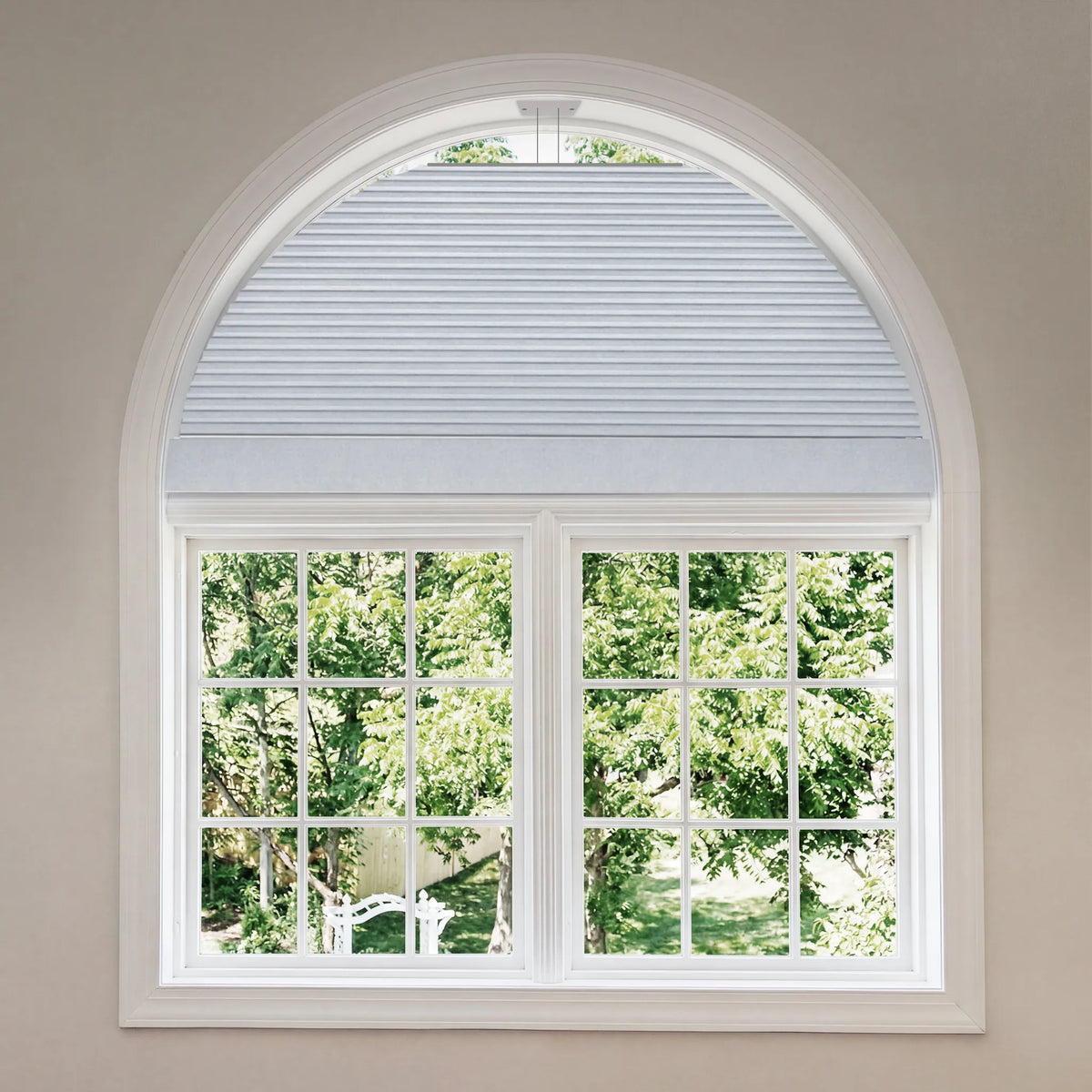
Arched windows require a treatment made for the curve. Custom cellular shades can provide privacy, light control, and an insulating air layer. Motorization is useful for high arches. Explore Graywind's arch and angled shades for compatible shapes and fabrics.

The best window treatments fits the opening, supports the room's purpose, and operates without obstruction. Compare light control, privacy, mounting space, care, and daily use before choosing.
Visit Graywind to find the perfect window treatments for your home and elevate your decor to new heights.