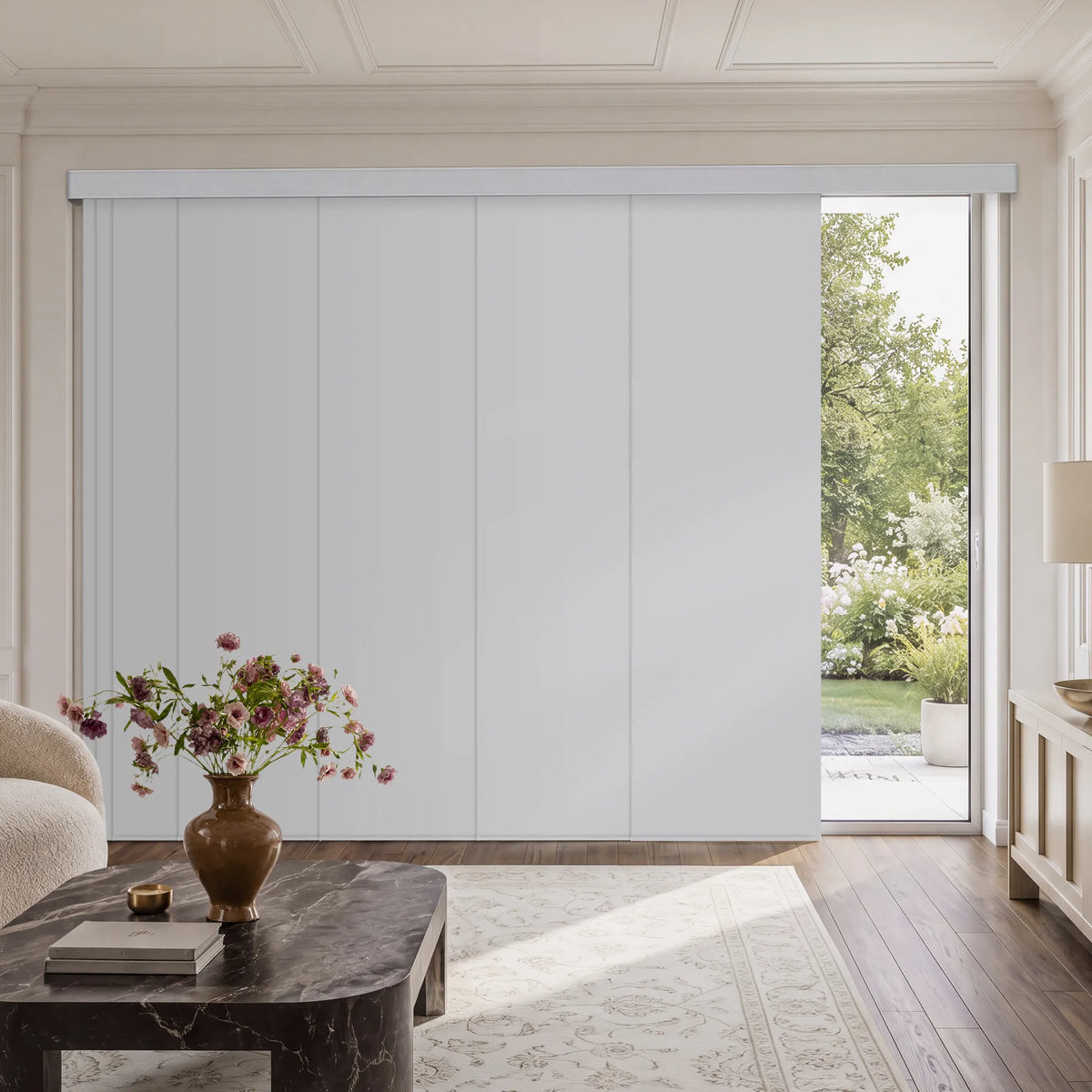
Yes, motorized blinds can be a safer choice for homes with toddlers because they operate without accessible lift cords, which are a serious strangulation hazard. However, motorization alone does not make every window treatment child-safe. Parents should also check the exact product's safety certification, mounting security, control design, fabric information, and installation location. Furniture and toys should remain away from windows, and charging cables or power cords must be kept out of reach. A well-selected motorized blinds reduces cord-related risk while supporting easier light and privacy control.

Understanding Window Treatments Safety Regulations
Current Safety Standards for Child Protection
The U.S. Consumer Product Safety Commission, or CPSC, advises families with young children to choose cordless window coverings. Its latest safety information reports that about eight children aged eight and under die each year from strangulation involving corded blinds, shades, draperies, and other window coverings.
The rules are more specific than a complete ban on every corded product:
- Stock window coverings sold in the U.S. must use cordless operating systems, short cords, or inaccessible cords under applicable safety requirements.
- Stock and custom products must address hazardous inner cords and include required labels or markings.
- The revised ANSI/WCMA A100.1-2022 standard, effective for products manufactured from June 1, 2024, removes free-hanging operating cords and tilt cords from custom window coverings while adding requirements for the limited corded systems that remain permitted.
For current requirements, consult the CPSC window covering guidance.
Protecting Children and Pets From Hidden Hazards
Accessible pull cords, continuous loops, and inner cords can create strangulation hazards quickly and silently. Toddlers are especially vulnerable because they climb, explore, and may not recognize the danger. Pets can also become entangled in loose cords.
Other concerns include:
- A shade or curtain rod pulling away from an insecure mounting surface.
- Fingers or objects entering the travel path of a moving bottom rail.
- Cribs, beds, chairs, or toy storage giving children access to the window.
- Reachable charging cables, adapters, or control accessories.
- Older products containing worn cords, loose components, or unknown materials.
Cordless operation reduces one major hazard, but safe installation and room layout remain essential.
Comprehensive Safety Considerations for Families
Material Safety
Review the fabric and certification information listed for the specific product. Do not assume that every color or fabric series carries the same certification. For nurseries and children's rooms, prioritize documented low-emission materials, durable surfaces, and fabrics that can be maintained according to the manufacturer's care instructions.
Physical Safety
Use the supplied brackets and fasteners, and confirm that the mounting surface can support the treatment. Keep the bottom rail's path clear and follow the product instructions rather than forcing the shade by hand. If a product advertises obstruction detection or another protective function, confirm that feature on the exact motor selected.
Smart Control
Remote, app, and compatible voice control reduce the need to reach across furniture or handle the shade directly. Schedules can also open or close shades at routine times. Store remotes and smart controls where toddlers cannot repeatedly activate the treatment.

How Motorized Blinds Enhance Child Safety
Motorized blinds replace exposed pull cords with an internal drive system. Depending on the selected motor and accessories, users may operate them by remote, app, voice assistant, or preset schedule.
Their main safety advantages include:
- No accessible operating cord or loop.
- Less direct handling of the fabric and bottom rail.
- Easier operation on tall or hard-to-reach windows.
- Group control that reduces the need to adjust each window manually.
- Scheduled movement for naps, bedtime, and daytime privacy.
Motorized blinds still contain moving and electrical components. Parents should keep the travel area clear, secure power accessories, and stop using the shade if it moves unevenly, becomes loose, or makes an unusual sound.
Why Cordless Blinds Outperform Traditional Options
|
Feature |
Traditional Blinds |
Graywind Motorized Blinds |
|
Safety |
High risk (strangulation hazard) |
Certified cord-free design |
|
Convenience |
Manual operation required |
Remote/app/voice control |
|
Aesthetics |
Visible cords and mechanisms |
Clean, minimalist appearance |
|
Durability |
Cords wear and fray over time |
No moving parts to degrade |
|
Accessibility |
Difficult for children/elderly |
Easy operation for all users |
'We were attracted by graywind's fabric and its children's safety certification, so we purchased the blinds. Now we control shades from our phones while watching our toddler play safely.' - John

Graywind and Best for Kids Certification
The Best for Kids certification program uses third-party testing to identify qualifying window coverings with no operating cords and no accessible inner cords that can create a hazardous loop.
Graywind presents motorized and cordless choices through its Child-Safe Blinds and Cordless Shades page. When ordering, confirm that the specific product and configuration display the relevant certification rather than treating certification as a brand-wide claim.
Safer Motor and Fabric Selection
Choose the motor according to the control system, power source, window location, and access to charging or wiring. Rechargeable and compatible solar-charging options can reduce repeated battery replacement where available. Review Graywind's Smart Control Guide before selecting a motor.
Fabric choice also matters. A blackout fabric can support daytime naps, while a light-filtering fabric provides softer daylight. Order samples when possible and review the listed material and care information for the selected fabric.
What Else Should Families Consider Besides Cordless Operation?
Fabric and Maintenance
Choose a durable fabric that can be dusted or spot-cleaned as directed. Avoid unsupported "hypoallergenic" or "chemical-free" claims, and look for named, product-specific certifications instead.
Light and Sleep
Blackout shades can create a darker setting for naps and bedtime. Light-filtering shades are better where soft daylight is preferred, but they do not provide the same darkness or nighttime privacy.
Temperature and Noise
Cellular construction and lined fabrics can add insulation at the window. These features may also soften some outside sound, but performance depends on fit, fabric, and installation.
Safe Installation
Mount brackets into an appropriate surface, check them periodically, and keep furniture away from the window. Motorized blinds do not prevent window falls, so use appropriate window guards or stops where required.
Choosing the Right Graywind Solution
Cellular Shades
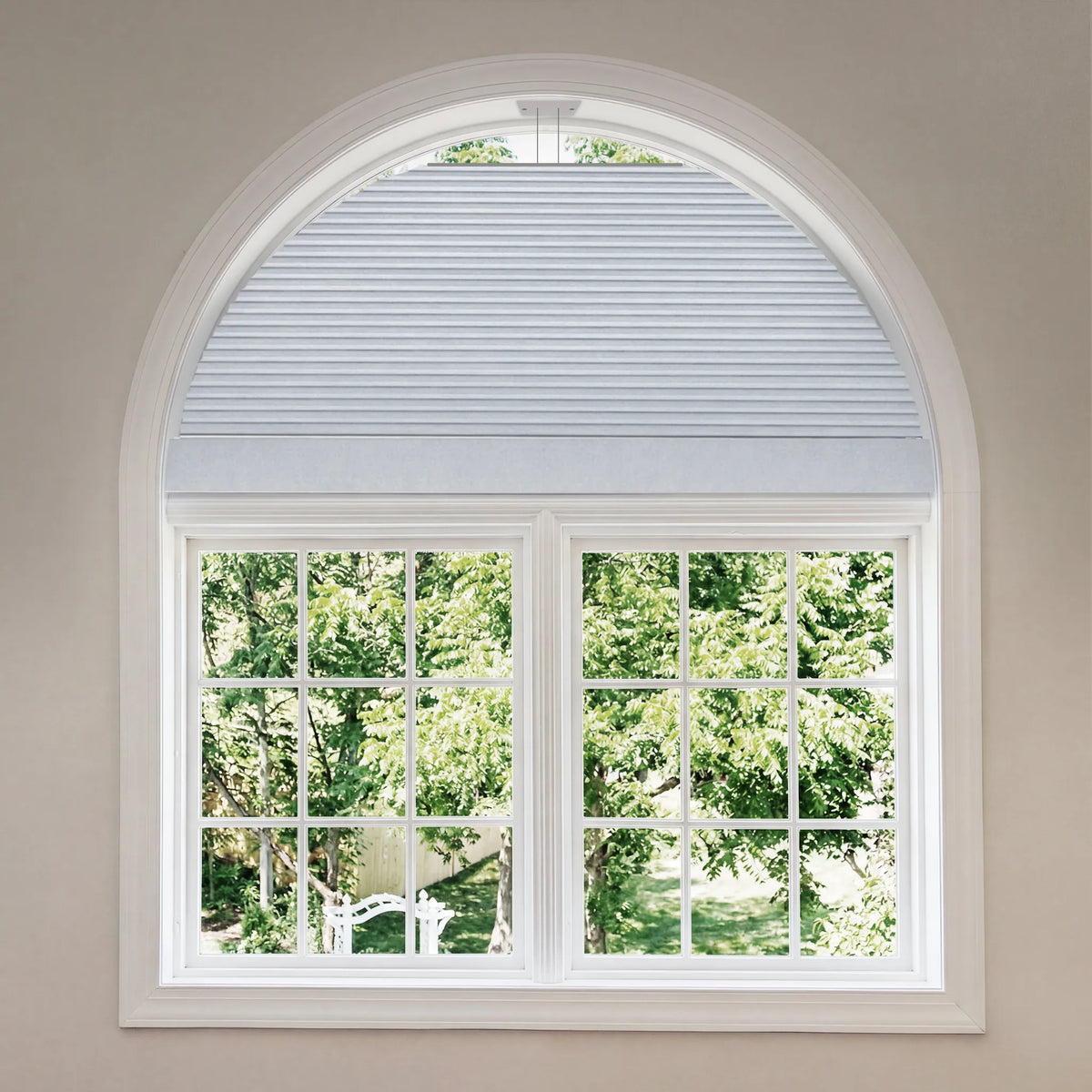
Motorized cellular shades are available in blackout and light-filtering options. Their honeycomb structure adds insulation, while motorized operation removes accessible lift cords.
Roller Shades
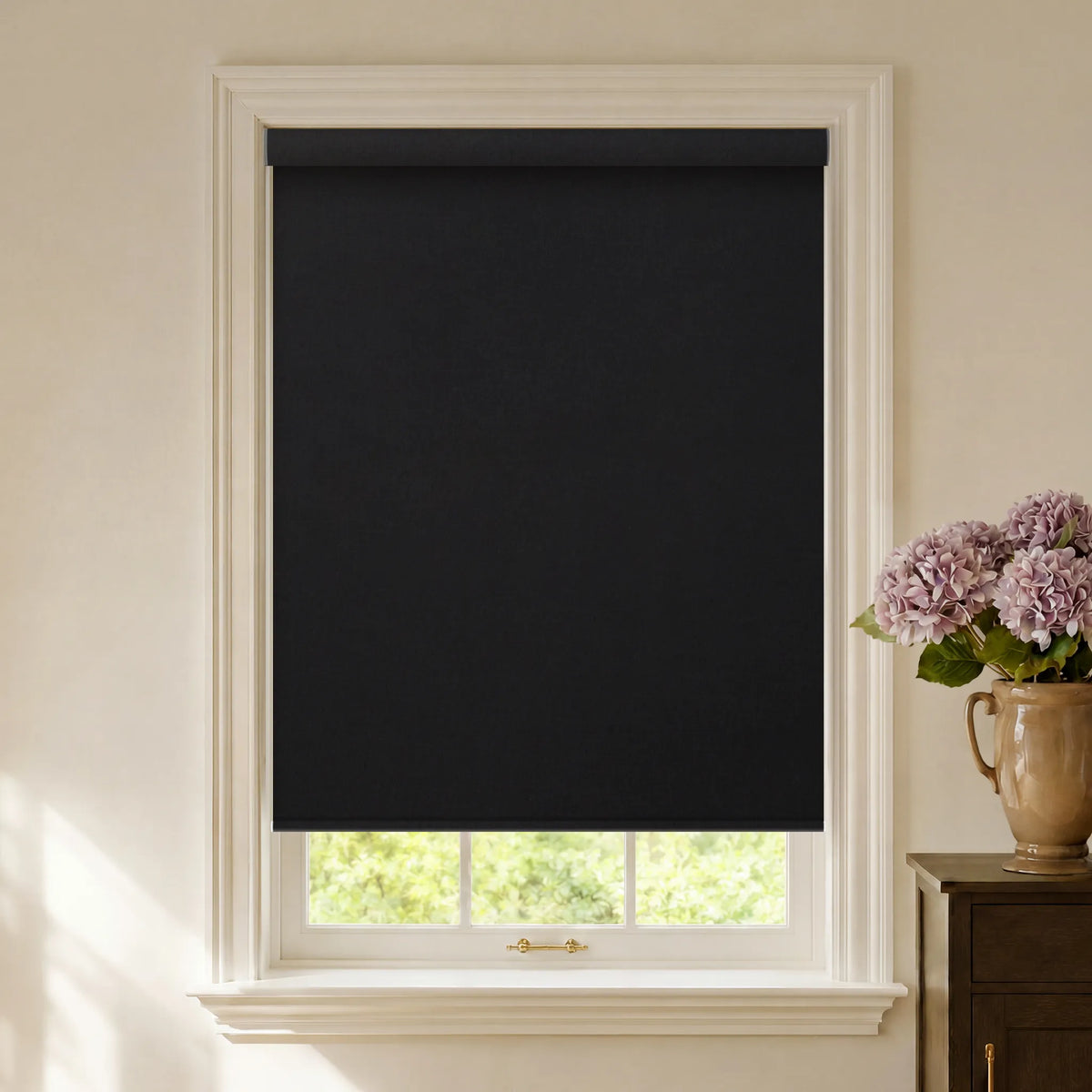
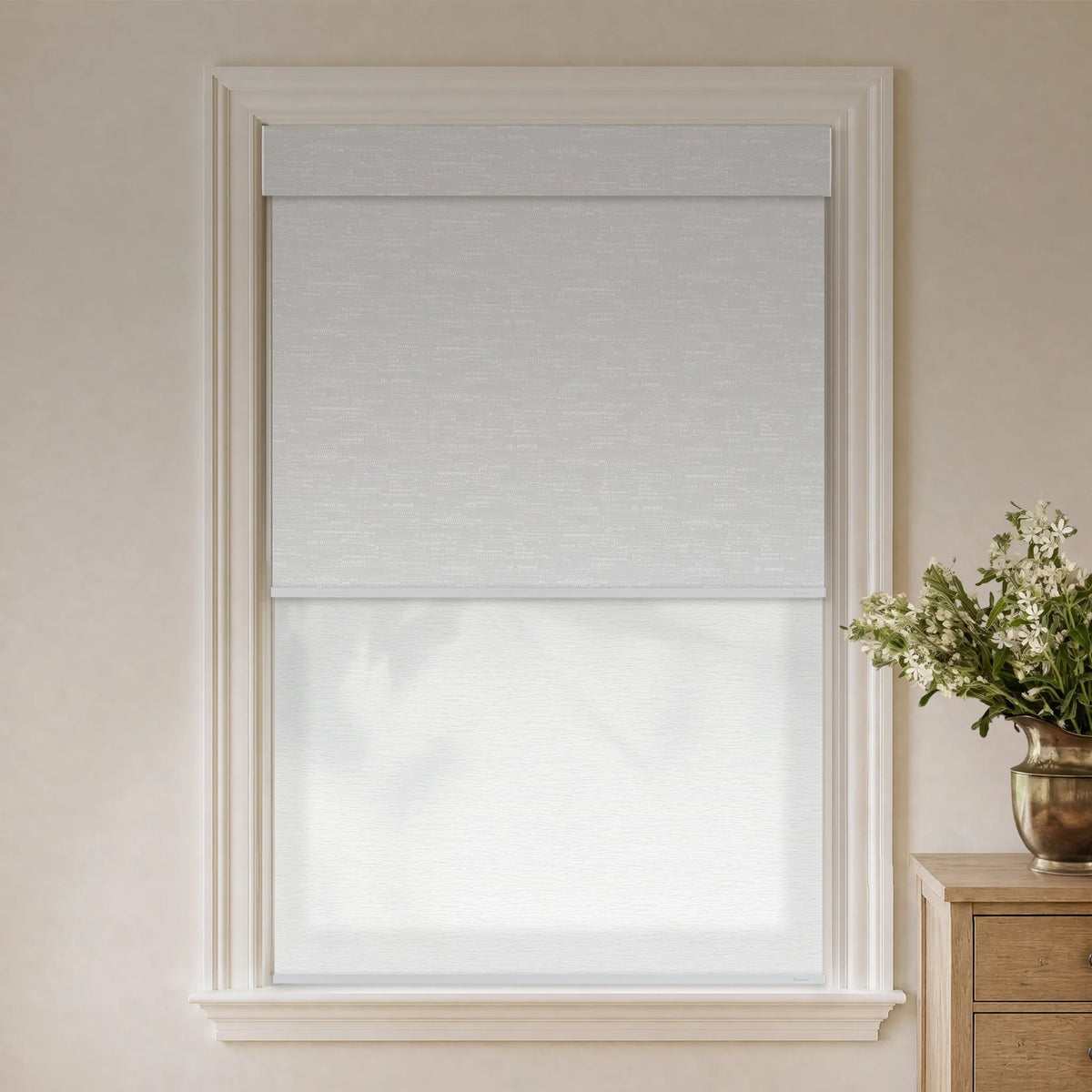
Motorized blackout roller shades use a streamlined fabric panel that is practical for bedrooms and nurseries. Their flat surface is generally easier to dust than folded fabrics.
Roman Shades
Motorized Roman shades provide soft fabric folds with cordless smart operation. They suit rooms where a more decorative treatment is preferred, although the folds may require more regular dusting.
Motorized blinds can reduce an important window-covering hazard for toddlers, but the safest result comes from combining cordless operation with verified product certification, secure installation, careful furniture placement, and routine inspection. Compare the available Graywind styles and confirm the selected fabric, motor, and safety information before ordering.