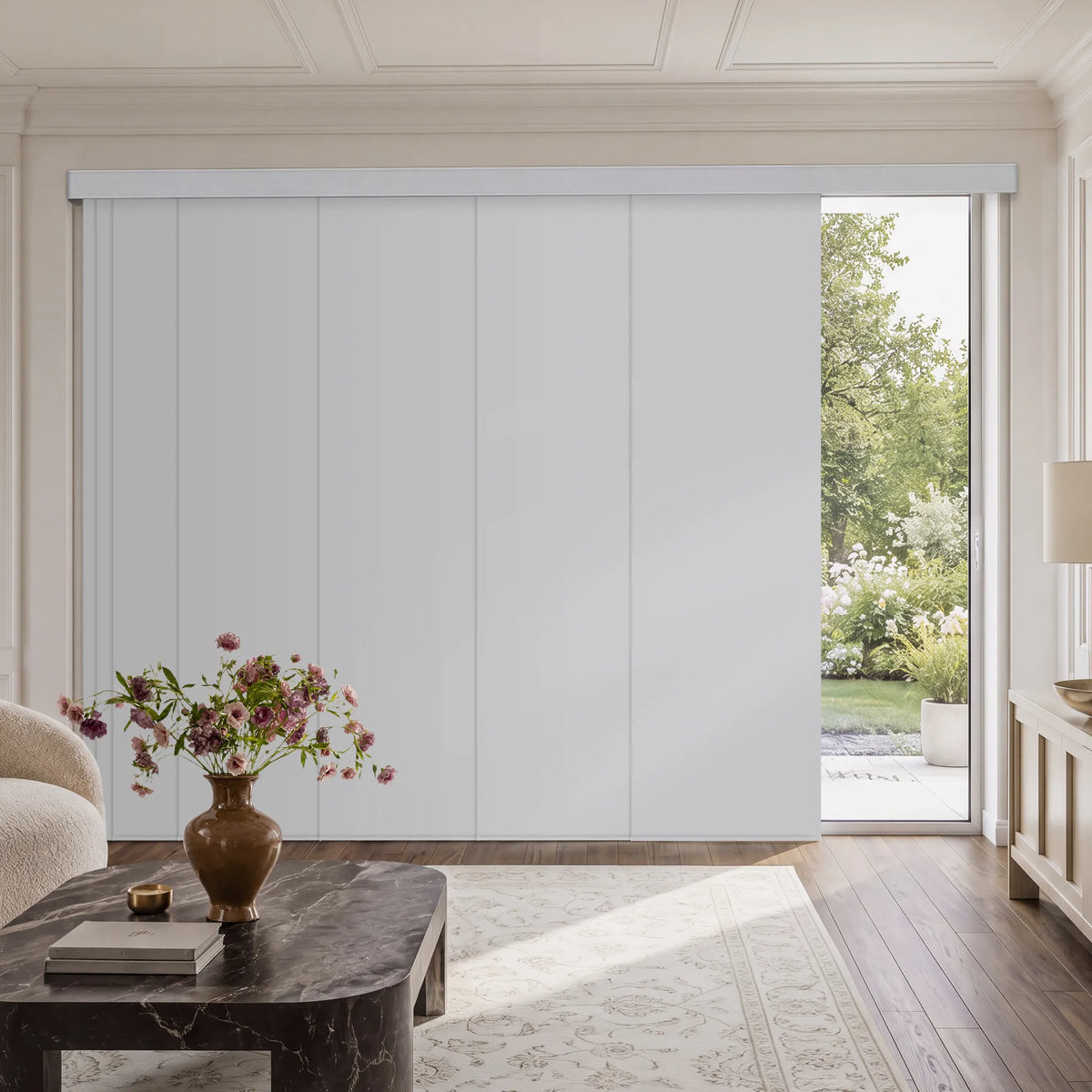
Matter gives compatible smart home devices a shared application language, so a household can combine supported products from different brands and control them through one or more Matter ecosystems. For window shades, the opportunity is larger than voice control: a shade can participate in room-level routines with lighting, climate, sensors, and other supported devices. Matter does not make every device or feature universally compatible. Buyers still need to confirm the device type, network transport, controller, Thread Border Router requirements, and platform features before ordering. Matter reduces ecosystem friction, but it does not remove the need for a compatibility plan.

The Current Smart Home Pain Point: A Tower of Babel
Today's smart home market is fragmented. A typical household might use:
- Zigbee for sensors and bulbs
- Z-Wave for locks and security
- Wi-Fi for cameras and voice assistants
- Bluetooth for setup and direct control
Each protocol has its own strengths, but they do not natively understand each other. On top of that, major brands have built closed ecosystems:
- Apple HomeKit – secure but requires a Home hub and MFI certification
- Google Home – broad but often shallow integrations
- Amazon Alexa – skill-based, sometimes unreliable
- Samsung SmartThings – powerful but hub-dependent
This forces consumers to choose a team. Once you buy a HomeKit-enabled blind, you cannot easily make it work with Google Home without extra bridges or hacking. That is ecosystem lock-in, and it kills flexibility.

What Is the Matter?
Matter is an application layer connectivity standard, not a new radio protocol. It runs on existing technologies like Wi‑Fi, Thread, and Ethernet. Think of it as a common translator: a Matter‑certified device can talk to any Matter‑certified hub or controller, regardless of brand.
Key facts about Matter:
|
Feature |
Description |
|
Founded by |
Connectivity Standards Alliance (CSA) – includes Apple, Google, Amazon, Samsung |
|
First release |
Late 2022 (Version 1.0) |
|
Transport layers |
Wi‑Fi, Thread, Ethernet (future: others) |
|
Security model |
End‑to‑end encryption, device attestation, local control by default |
|
Control |
Local (cloud optional) - works even during internet outages |
How Matter Works Without Taking Over Your Network
Matter uses IPv6 as its foundation. It can run over:
- Wi‑Fi for high‑bandwidth devices (cameras, speakers)
- Thread for low‑power, mesh‑network devices (sensors, shades, locks)
- Ethernet for stationary devices
A Thread border router (often built into smart speakers or hubs) connects Thread devices to your Wi‑Fi network. Crucially, Matter devices can be controlled locally – your phone or hub sends commands directly to the device on your LAN, without going to a cloud server. This reduces latency, improves reliability, and enhances privacy.
The Three Promises of Matter
- Interoperability – A Matter light from Brand A works with a Matter switch from Brand B and a Matter controller from Brand C.
- Simplicity – Setup uses a single app (Apple Home, Google Home, Alexa, etc.) with a standardized QR code – no more pairing apps per device.
- Security – Matter uses strong, modern encryption and a distributed attestation system to verify device authenticity.
For consumers, Matter means you can buy the best device for each need, regardless of its “works with” badge, and expect them to work together – now and in the future.
Matter Over Thread
Smart window treatments have specific requirements: they run on batteries (or low‑power DC motors), need reliable mesh networking, and benefit from instant response. Matter over Thread is the ideal combination.
- Thread is a low‑power, self‑healing mesh network. Each Thread device can act as a router, extending range without additional hardware. Battery‑powered shades can last months or years on a single charge.
- Matter on top of Thread provides a standard way to control those shades – up, down, stop, percentage, tilt – that any Matter controller understands.
Previously, motorized shades used proprietary RF, Zigbee, or Z‑Wave. Each required its own bridge or hub. With Matter over Thread, your shades join your home's existing Thread mesh. You can control them from the same app you use for lights and thermostats, and create automations”
Plan a Matter Smart Home Before You Buy
- List the ecosystems used by each household member and decide which one will commission the first Matter device.
- Inventory existing controllers and identify which devices provide Matter controller and Thread Border Router functions.
- For every planned product, record the Matter device type, transport, power source, required firmware, and supported platform features.
- Design three practical routines by room. State the trigger, shade action, other device actions, and fallback control.
- Confirm what works locally, what needs internet access, and how the shade can be operated if an app or platform is unavailable.
- Install and test one room before expanding throughout the home. Verify range, response, multi-admin sharing, schedules, and manual control.
How Matter Opens a New Window for Smart Window Treatments
Window coverings have unique requirements:
- Privacy&local control – Matter enables local, encrypted control over your home network. Even if the internet goes down, your schedule and voice control still work.
- Low latency – A blind that takes two seconds to respond feels broken. Matter over Thread reduces command latency to near-instant.
- Cross-ecosystem routines – With Matter, you can create a “good morning” scene that unlocks your lock (Apple Home), turns on Hue lights (Amazon Alexa), and raises your shades (Google Home) – all working together without bridges.
For smart homes, Matter is the missing link that turns a collection of gadgets into a coherent system.

Introducing the Graywind × Motionblinds Matter Shades
The result is the Graywind × Motionblinds collection of motorized shades with built‑in Matter over Thread and Bluetooth.
Key features include:
- Matter over Thread – Seamlessly connects with Apple Home, Google Home, Amazon Alexa, and Samsung SmartThings using one common language. No extra hub required if you have a Thread border router (e.g., HomePod, Echo Gen 4, Nest Hub).
- Quiet, smooth motor – Engineered for near‑silent operation, essential for bedrooms and media rooms.
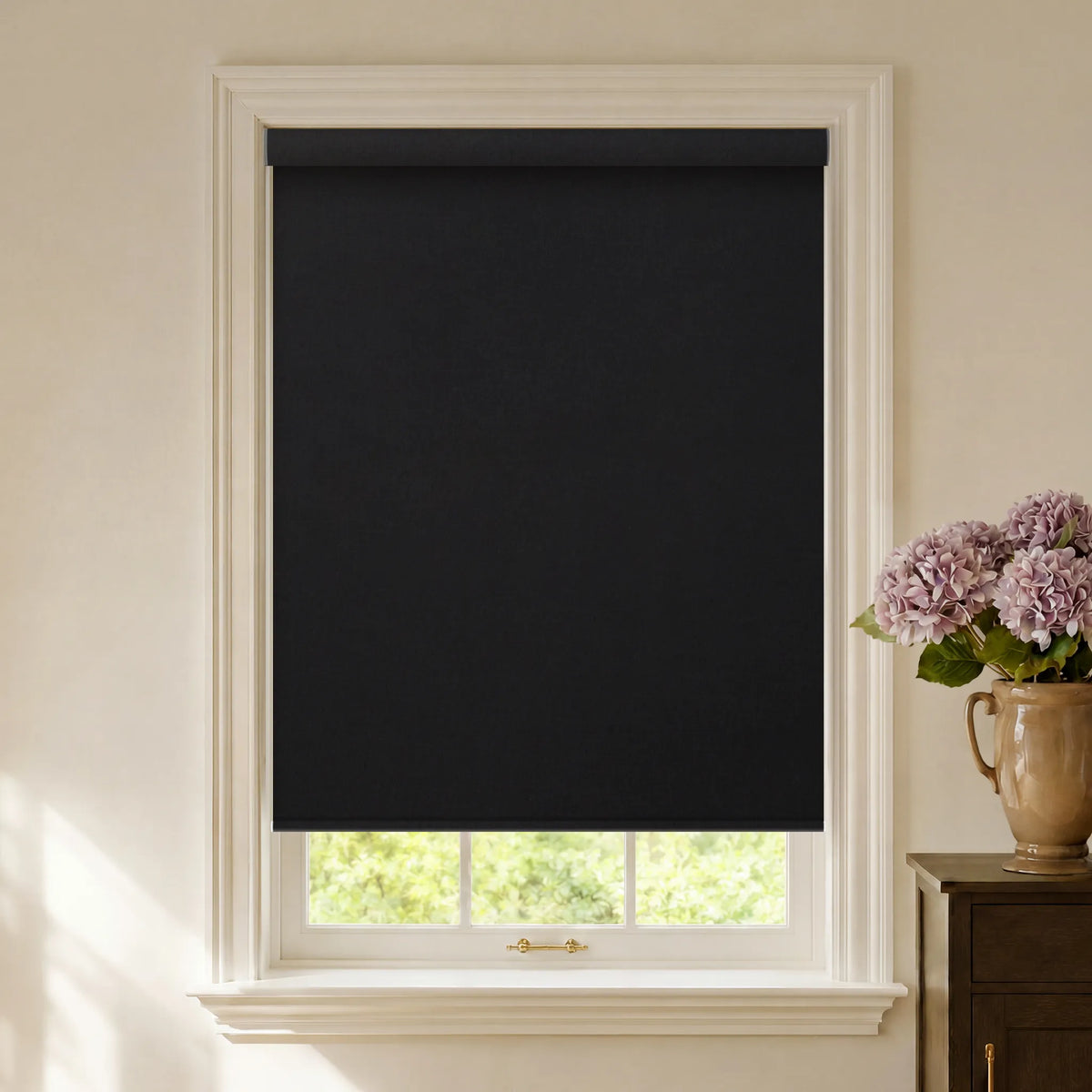
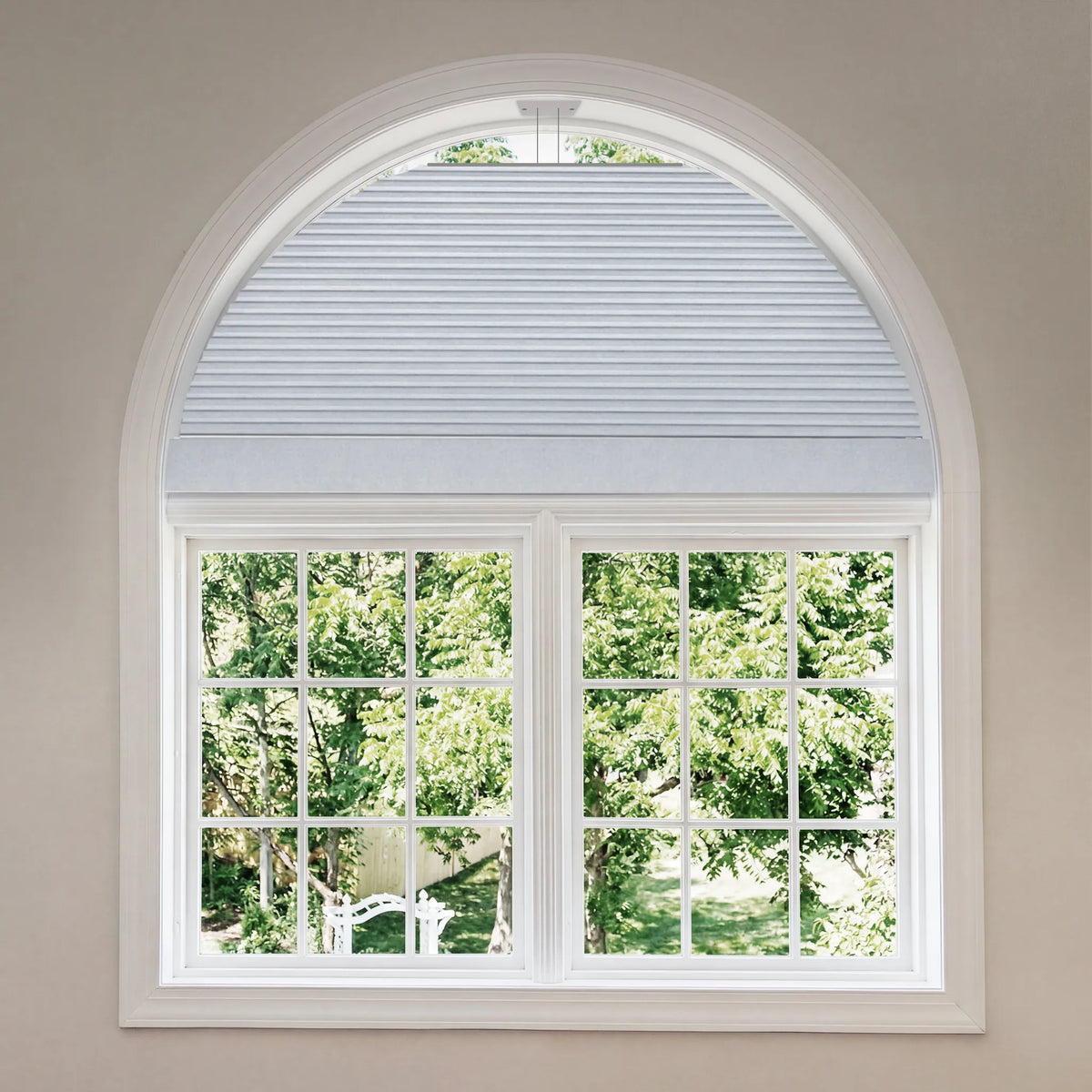
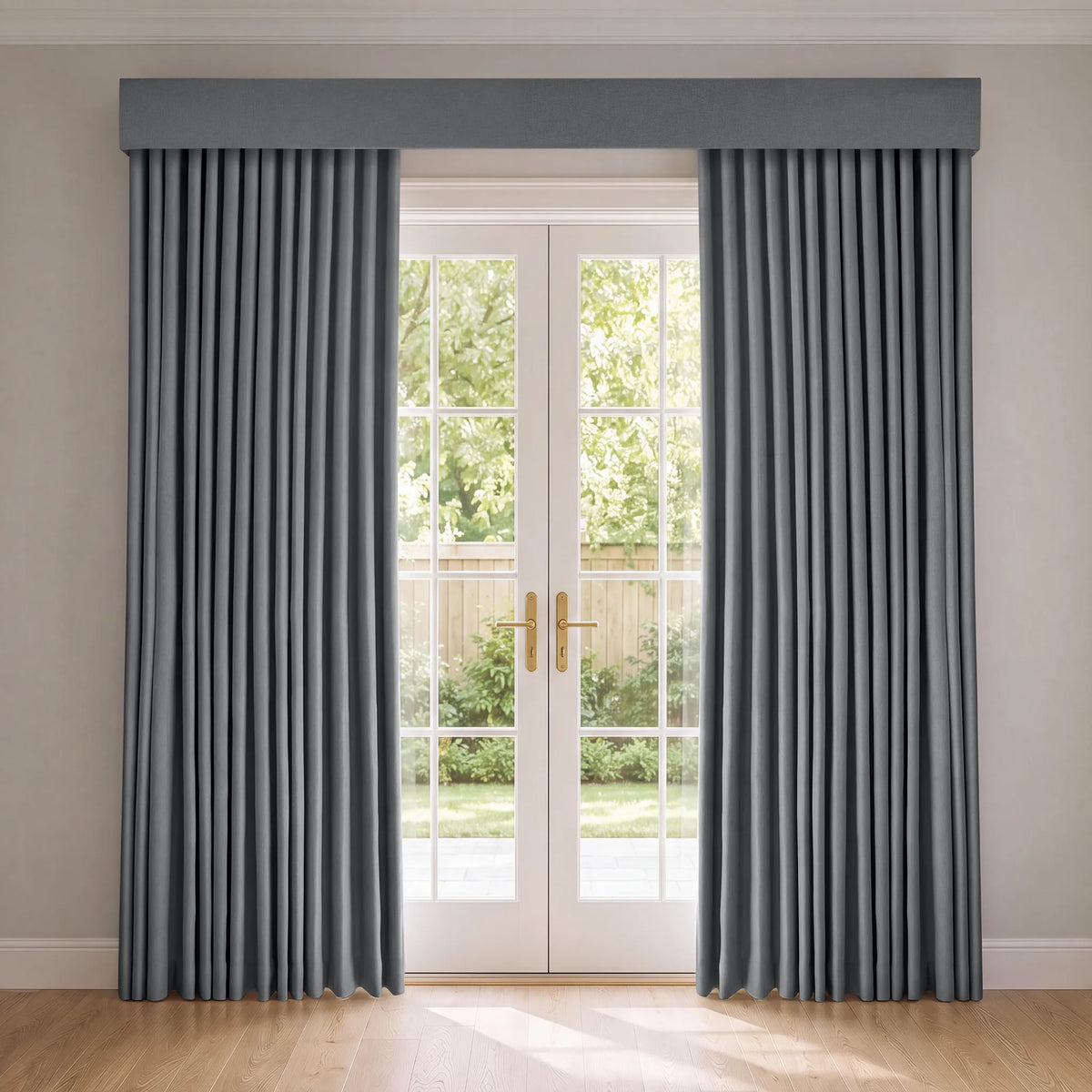
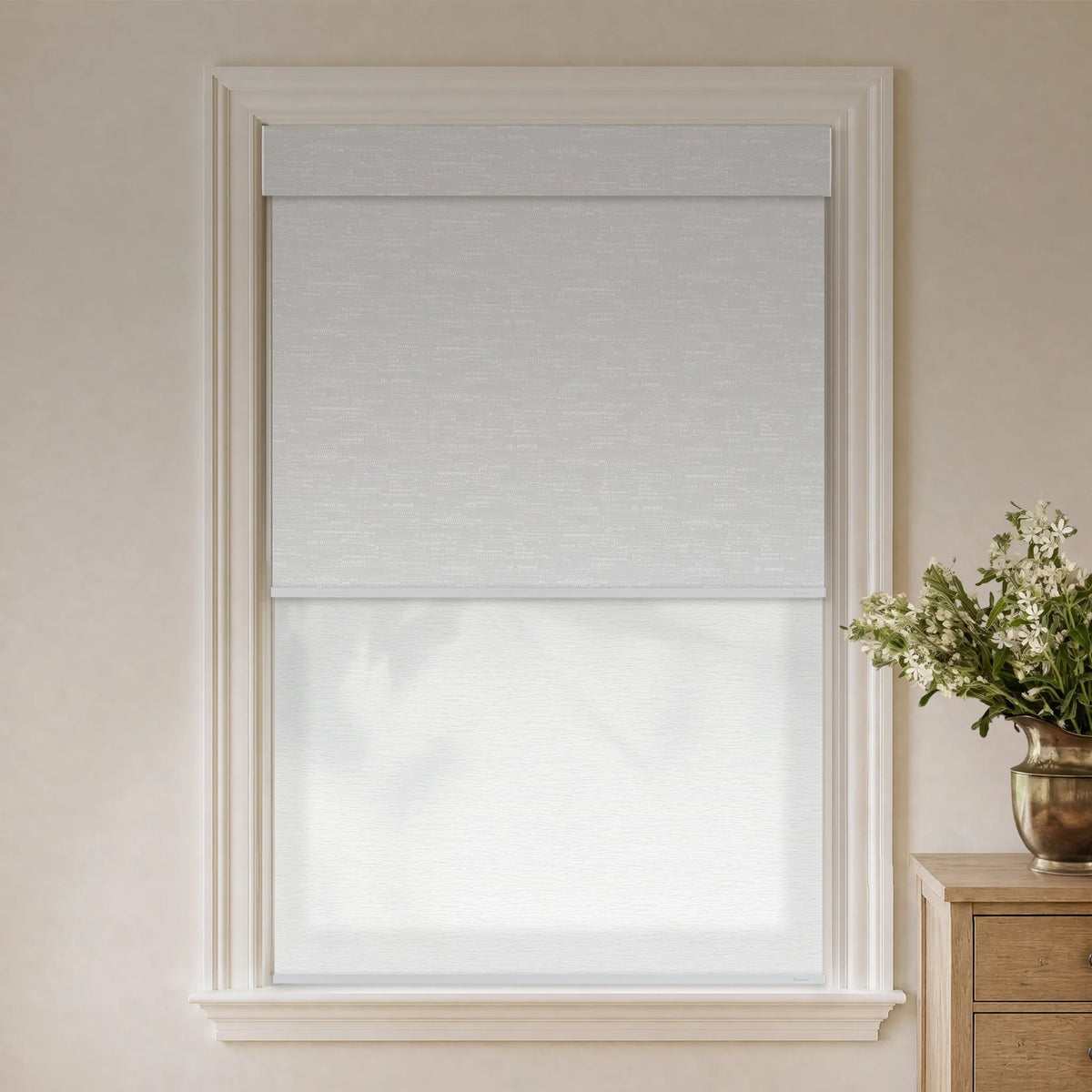
- Premium materials – Graywind’s signature fabrics: light filtering, blackout, cellular (honeycomb), top down bottom up, day and night, and roller styles.
- Local control&low latency – Commands stay on your home network. Even if your internet goes down, your shades respond to switches, sensors, and voice commands (via local Matter controllers).
- Refined materials – Customizable fabrics, finishes, and styles (cellular, roller, top-down bottom-up, day-and-night)

Matter is not a hype. It is the first genuine attempt by the world's largest smart home brands to agree on a common language. For smart window treatments, Matter over Thread removes the pain of ecosystem lock-in, improves privacy through local control, and delivers the low latency users demand.
Explore the Graywind x Motionblinds smart shades collection as the commercial next step. For product-specific pull control and setup context, see Graywind x Motionblinds smart shades.