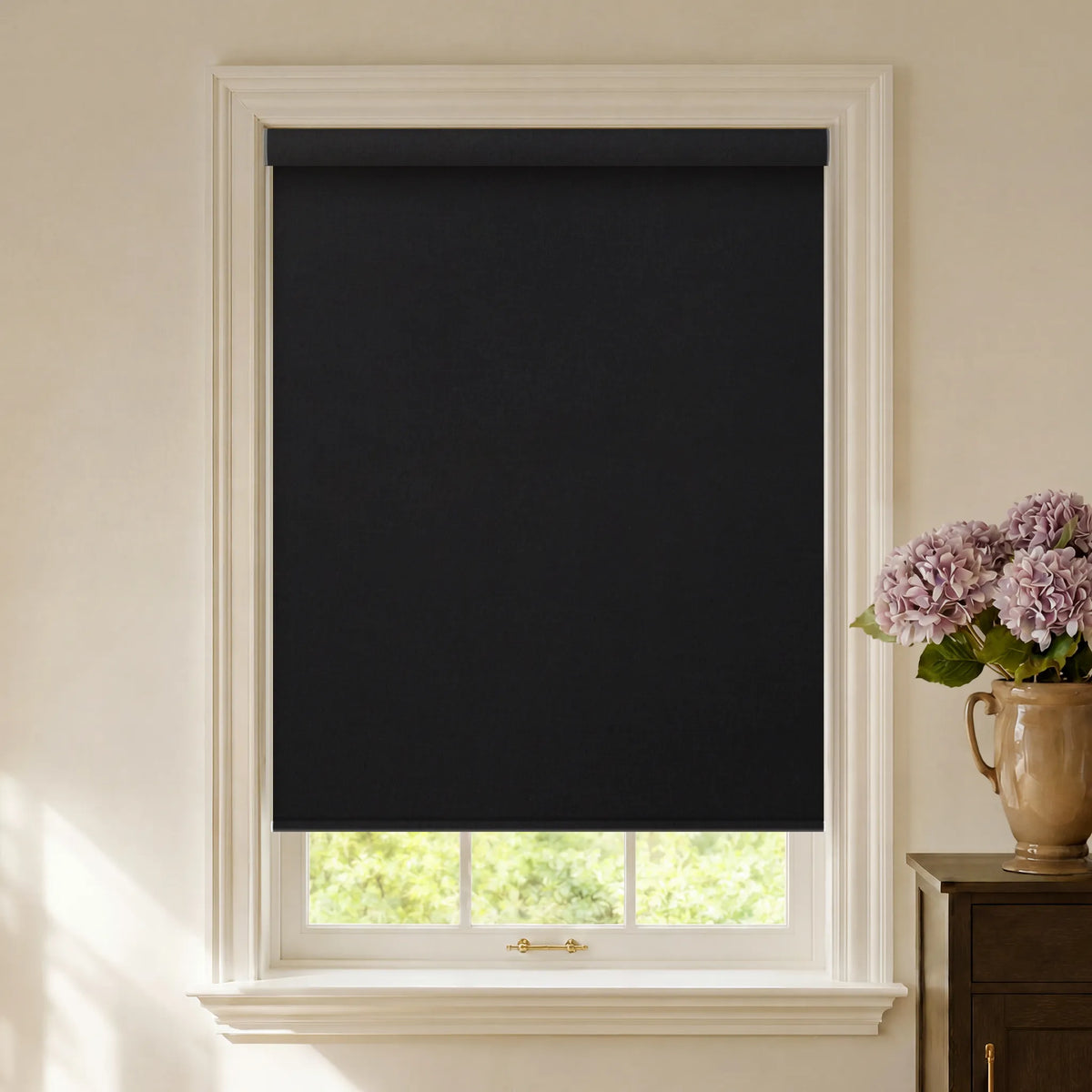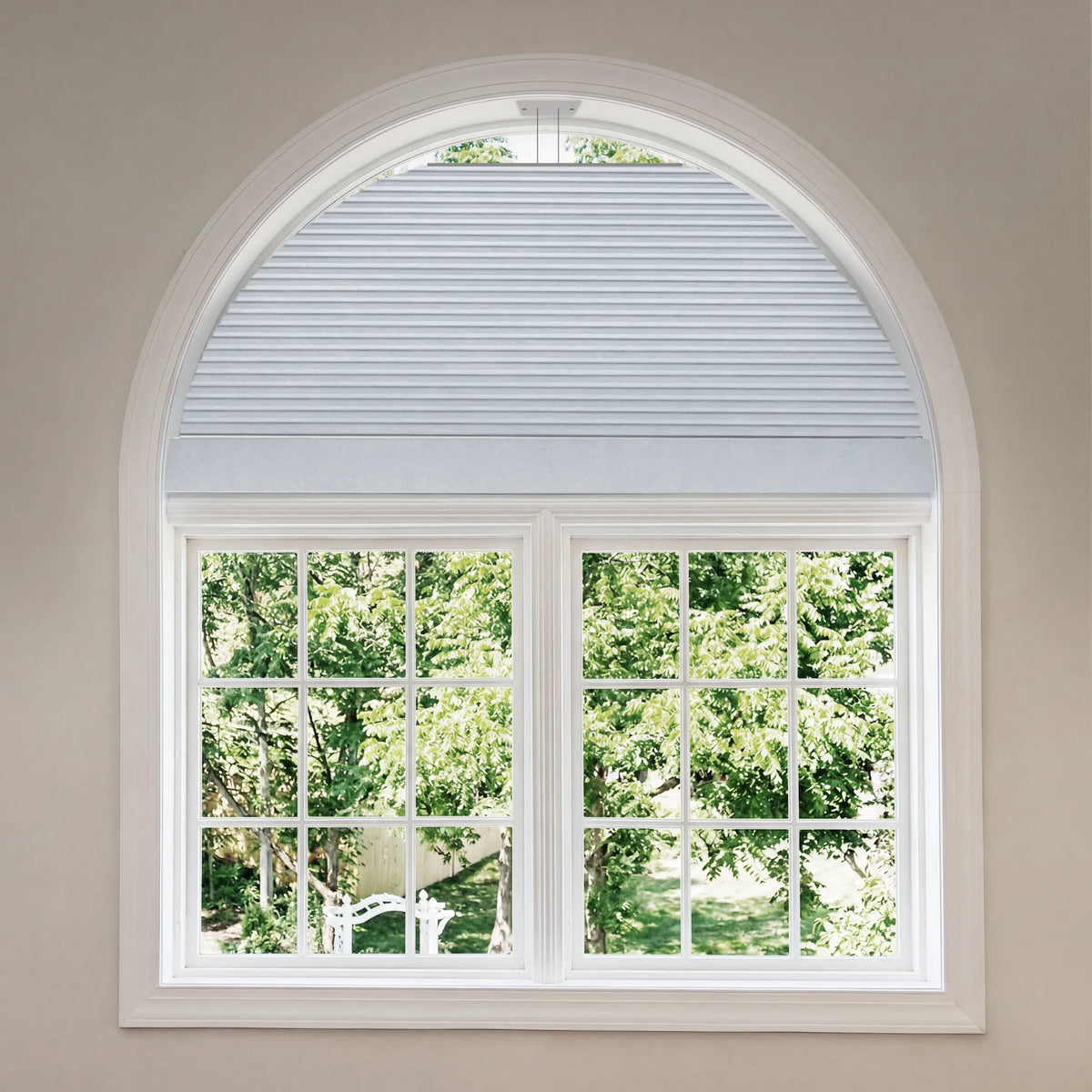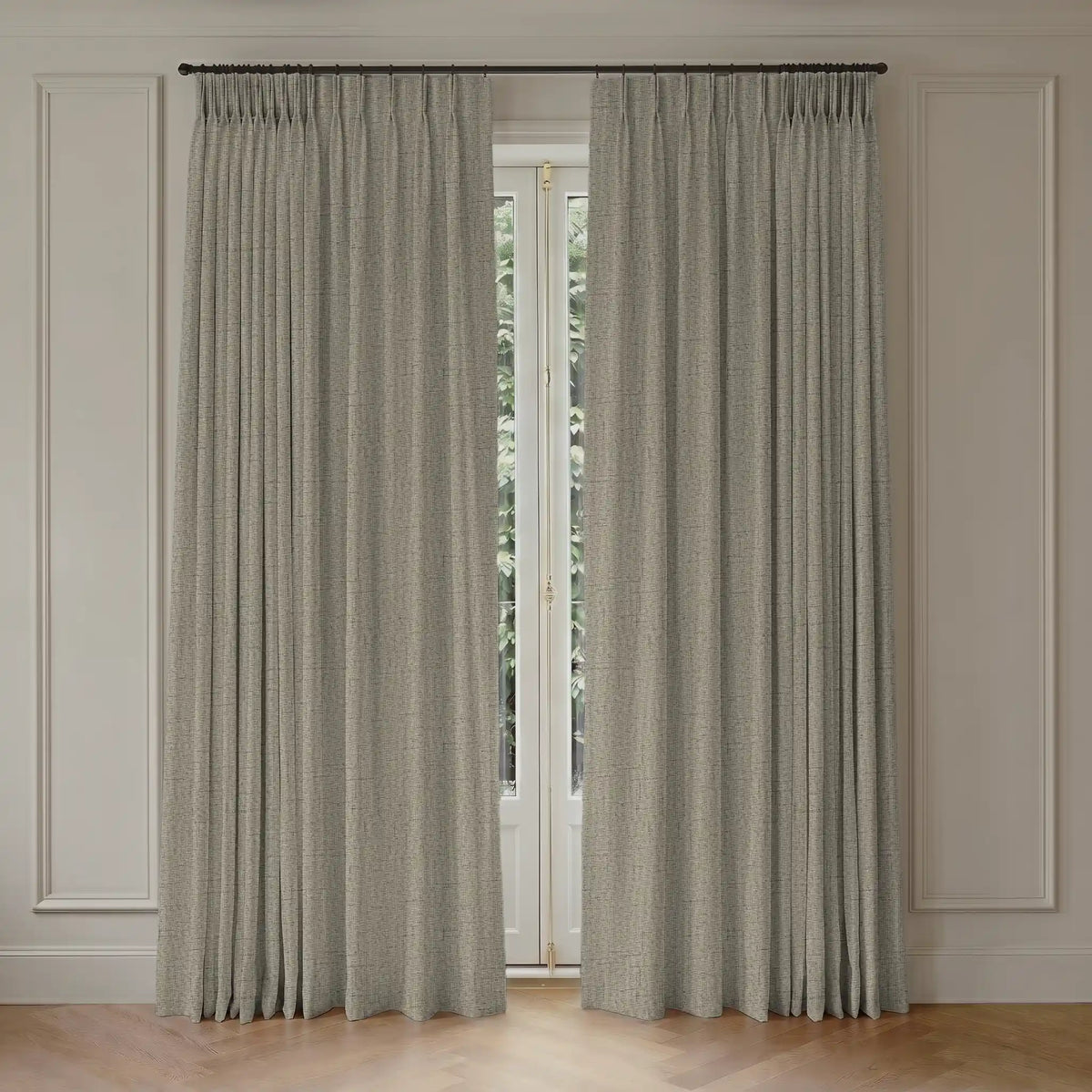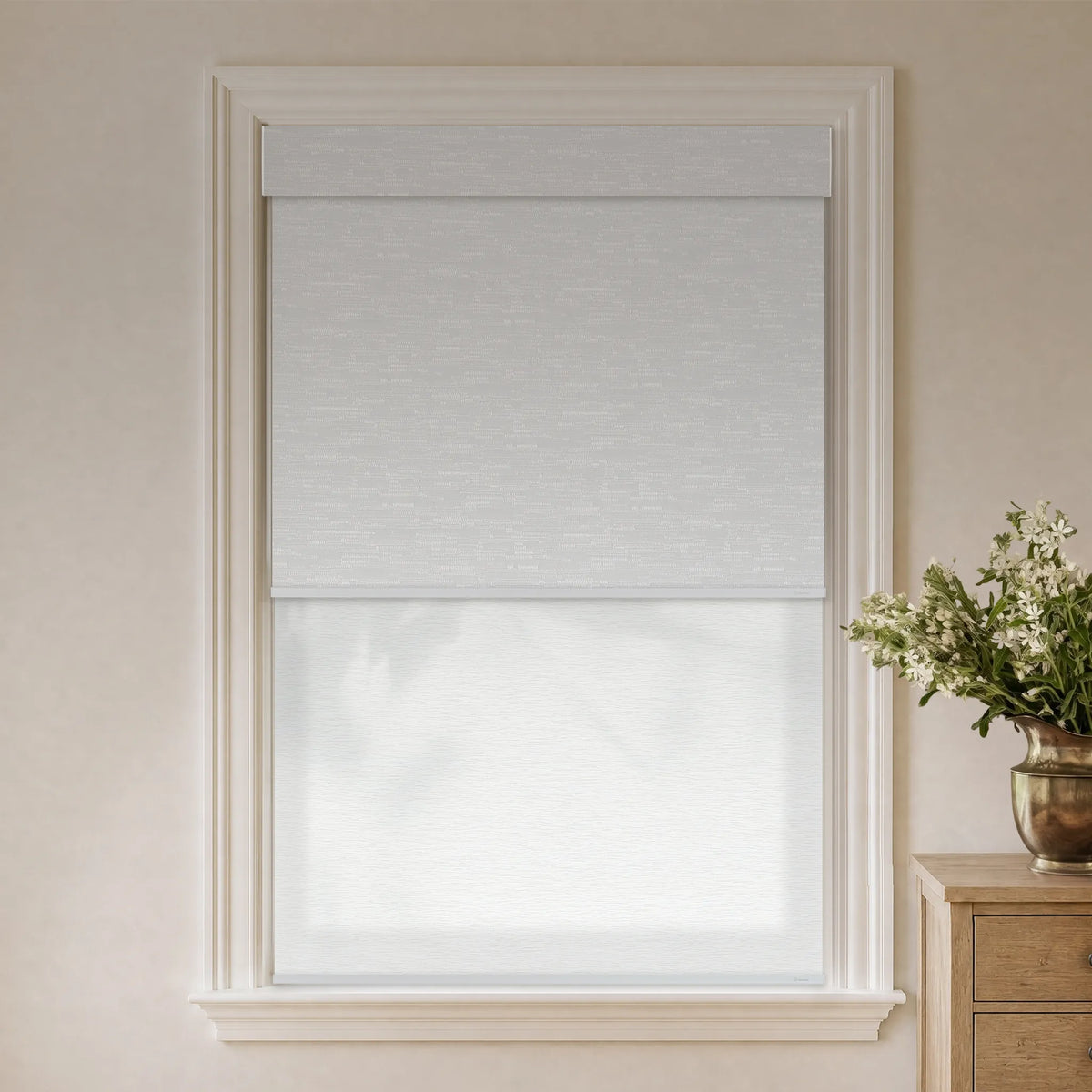
Do you feel a draft near your windows in winter, or does a room overheat on summer afternoons? The window may be allowing unwanted heat transfer. U.S. Department of Energy research notes that thermal gains and losses through windows account for about 25% of building HVAC consumption. Insulated curtains can reduce heat exchange at the glass when they are correctly sized, fitted close to the window, and closed at the right times.
What Are Insulated Curtains?
Insulated curtains, also called thermal curtains, are fabric window treatments designed to limit heat transfer between a room and the window. They are usually heavier, lined, or constructed with multiple layers. Unlike a lightweight decorative panel, an insulated curtain creates a more effective air barrier when it covers the full window and overlaps the surrounding area.
Performance depends on more than fabric thickness. Curtain width, length, lining, edge gaps, installation, and daily operation all affect the result.
The Three Key Layers of Insulation
Not every insulated curtain has exactly three layers, but many lined designs use a similar construction:
- Decorative Outer Layer: This room-facing fabric provides the visible color, pattern, and texture. Common materials include polyester, cotton, and linen blends.
- Insulating Middle Layer: An interlining, dense fabric, or foam-backed material adds thickness and traps still air. The added layer can slow conductive and convective heat transfer.
- Window-Facing Lining: A separate lining improves coverage and may help reflect radiant heat, depending on its color, coating, and construction. Reflective performance should be confirmed from the product specifications rather than assumed.

How Insulated Curtains Save Energy and Money
Insulated curtains work by creating a layer of relatively still air between the fabric and the glass. In winter, this barrier helps reduce heat movement toward a cold window. In summer, closing suitable curtains before direct sunlight reaches the glass can reduce solar heat entering the room.
The result may reduce heating or cooling demand, but savings vary with climate, window condition, curtain fit, and user habits. For better coverage, choose panels that extend beyond the frame and reach the sill or floor. Close them on cold nights and during intense summer sun, then open them when useful winter sunlight can warm the room.
Beyond Temperature Health and Comfort Benefits
Insulated curtain may provide additional benefits, although these depend on the selected fabric and installation:
- Improved Sleep and Privacy: Blackout or room-darkening insulated curtains can reduce outside light and visibility. Insulation alone does not guarantee blackout performance.
- Noise Reduction: Dense, layered fabric can soften some outside sound and room echo, but curtains should not be treated as soundproofing.
- Cleaner Fabric Surfaces: Curtains can collect dust rather than eliminate allergens. Regular vacuuming and care according to the label help prevent buildup.
What Is the Difference Between Thermal and Insulated Curtains?
There is no universal industry distinction between "thermal curtains" and "insulated curtains." Retailers often use the terms interchangeably for lined or multilayer curtains intended to reduce heat transfer.
Do not choose by the label alone. Compare the number and type of layers, fabric density, lining, finished dimensions, and installation method. If a seller claims specific energy, acoustic, or light-blocking performance, look for supporting product data.
A Note on Curtain Health Avoiding Harmful Materials
Fabric composition, dyes, coatings, adhesives, and finishes can affect emissions and care requirements. Synthetic material is not automatically unsafe, and a natural fiber is not automatically low-emission. Product-specific testing is more useful than broad material claims.
If indoor air quality is a priority, check whether the exact curtain or fabric has a recognized certification and confirm what that certification covers. OEKO-TEX Standard 100, for example, indicates that the certified textile has been tested against the program's list of harmful substances. It does not by itself prove that a product is organic, carbon-neutral, or environmentally preferable.
Keep curtains dry and follow their care label. Damp fabric can support mildew, while heavy or lined custom drapery may require professional cleaning. Graywind's curtain care guidance recommends gentle vacuuming for routine maintenance and professional cleaning for lined, heavy, or delicate curtains when deeper care is needed.
Graywind Custom Curtains: Smart, Safe, and Sustainable
This is where making an informed choice matters. You can find insulated curtains that provide all the functional benefits without compromising on health or safety.
When researching options, you should look for companies that prioritize safe materials. Some brands offer products that are:
- Free from harmful substances: Using fabrics that are certified to be free from formaldehyde, vinyl, and other toxic chemicals.
- Oeko-Tex Certified: This certification is a strong indicator that a textile product has been tested for harmful substances and is safe for human use.
- Cordless or Motorized: Eliminating cords is the safest option, especially for households with children and pets. Motorized options also add convenience and a modern smart-home element.
Insulated curtain can improve comfort by reducing heat transfer at the window. Blackout or room-darkening versions may also support sleep and privacy, while dense fabric can soften some noise. Results depend on the lining, dimensions, edge coverage, window condition, and how consistently the curtains are used.

When comparing Graywind curtains, begin with the required light level, then confirm lining, finished size, mounting space, and motor compatibility. A well-fitted lined curtain provides a more dependable result than choosing a product based only on the words "thermal" or "insulated."