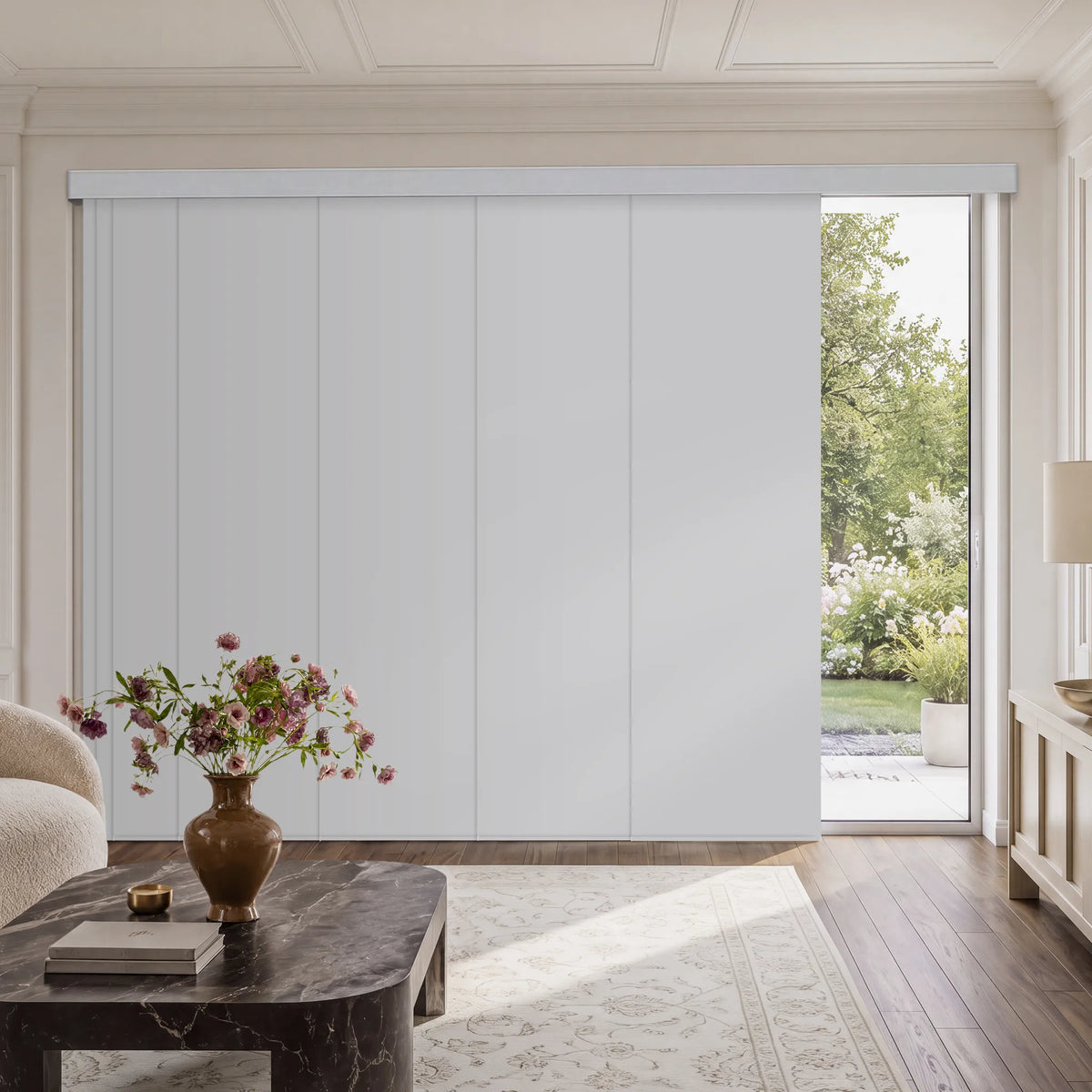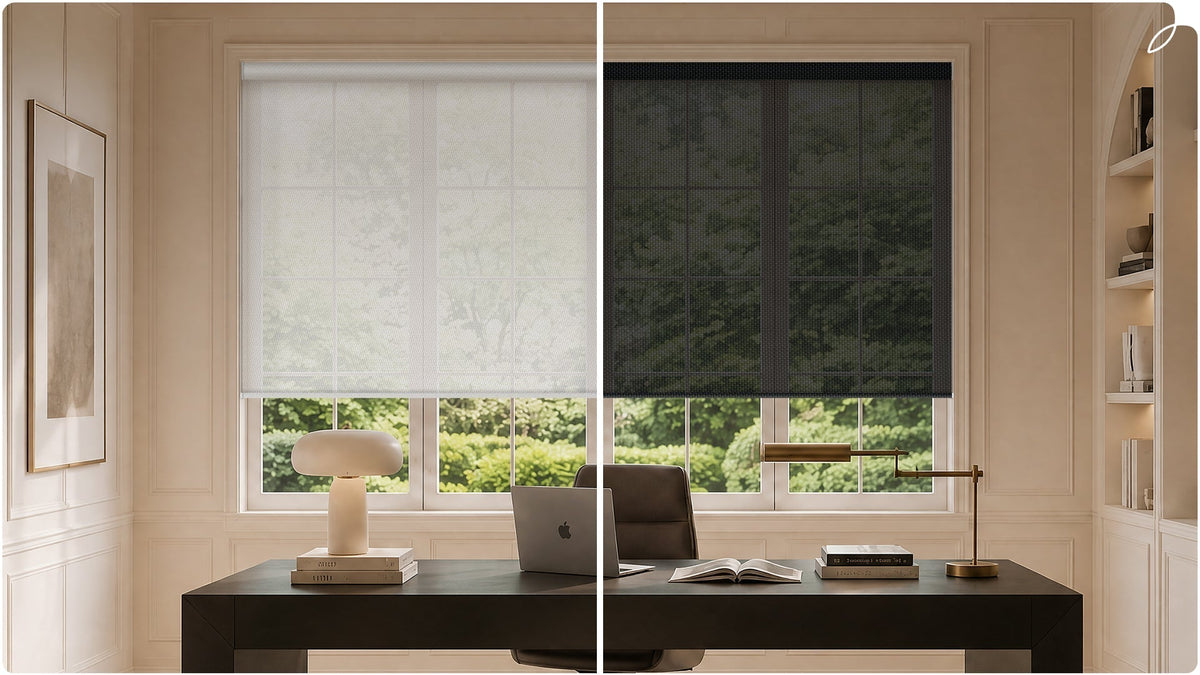
For interior solar shades, light fabrics usually manage summer heat better because they reflect more solar energy. Dark fabrics absorb more energy but often provide clearer outward visibility and glare control. Neither color creates a high-insulation product. Openness, glass, fit, and installation also affect performance.
This guide compares dark and light solar shades for different rooms and climates.
What Are Solar Shades?
Solar shades use screen fabric to filter sunlight, reduce glare and UV exposure, and preserve some outward visibility. Openness describes the open area in the weave. Lower openness provides more coverage, while higher openness preserves more light and view.
Key features include:
|
Feature |
Benefit |
|
UV Protection |
Blocks up to 99% of harmful UV rays |
|
Glare Reduction |
Minimizes screen and surface glare |
|
Heat Control |
Reduces solar heat gain in summer |
|
View Preservation |
Maintains outdoor visibility |

The Science of Solar Shade Insulation
Solar shades primarily manage solar heat gain rather than conductive heat loss. Solar Heat Gain Coefficient, or SHGC, describes the solar energy admitted through a window system. A lower value means less solar heat gain, but shade performance cannot be inferred from color alone.
Two primary factors determine SHGC:
- Openness factor: Lower openness reduces more direct sunlight and view-through.
- Color and reflectance: Light fabric generally reflects more solar energy, while dark fabric generally absorbs more.
How Color Impacts Thermal Performance
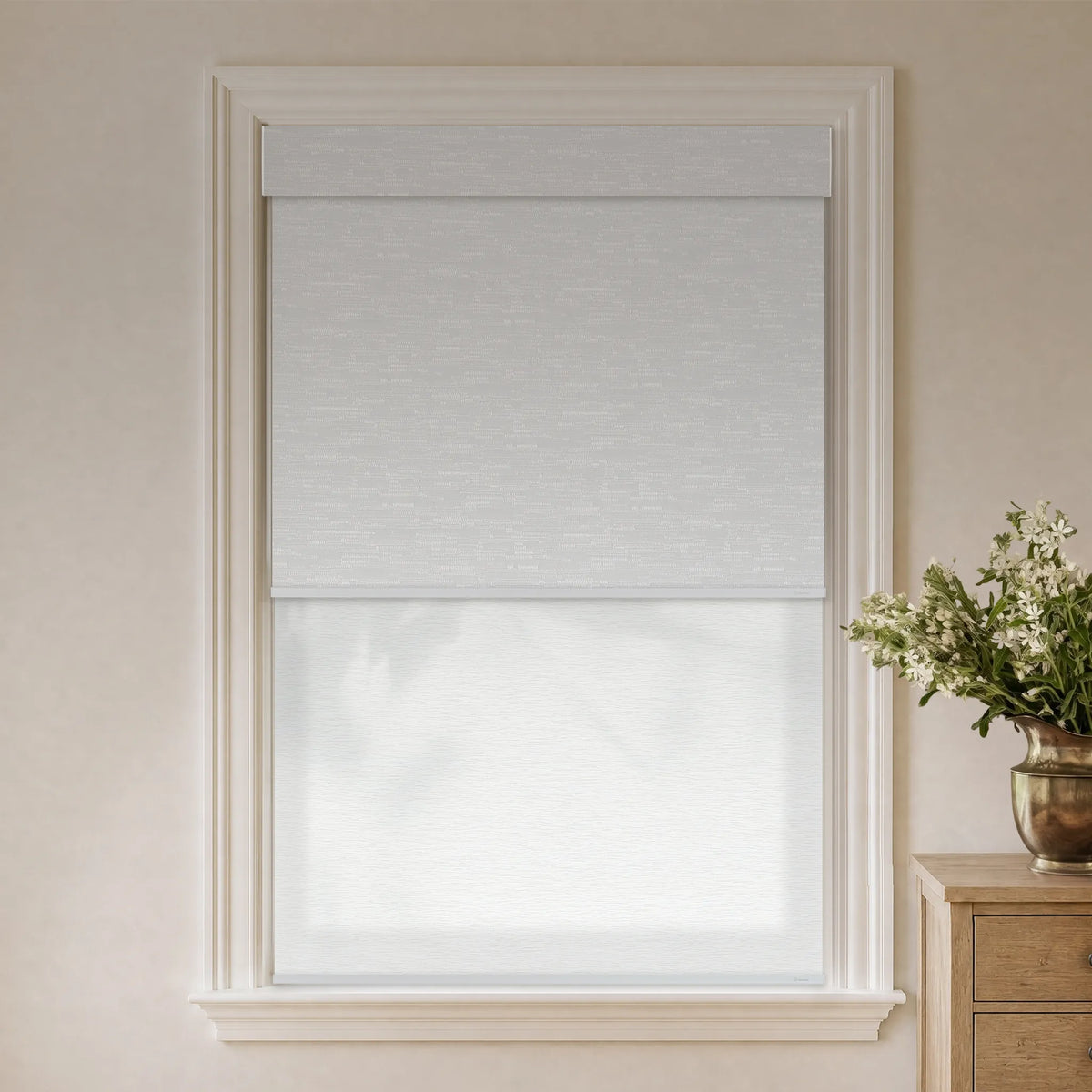
Light-colored solar shades reflect sunlight away from your window, reducing the amount of solar energy that enters your room. This makes them more effective for interior installations, particularly in hot climates or for sun-facing windows.
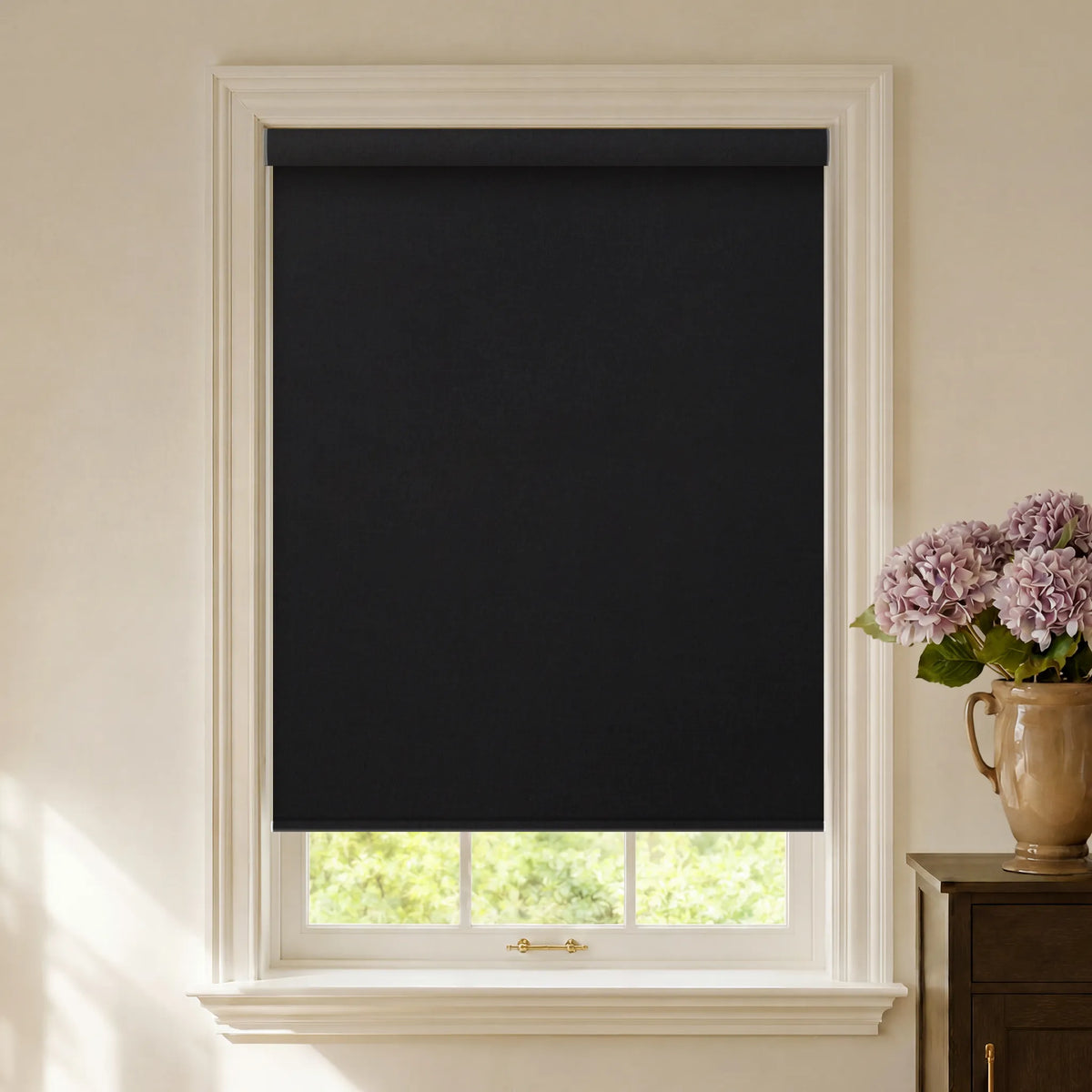
Dark-colored solar shades absorb solar radiation. While this can make them feel hotter, they actually provide clearer outward visibility because they reduce glare more effectively. However, absorbed heat may eventually transfer into your room unless the shade is installed on the exterior.
Openness Factor vs Color: Which Matters More?
Openness affects coverage, while color affects reflectance, absorption, glare, and view quality.
|
Factor |
Impact on Insulation |
|
Lower Openness (1-3%) |
Maximum heat/light blocking |
|
Higher Openness (7-10%) |
Better view, moderate heat control |
|
Light Color |
Higher reflectivity, better cooling |
|
Dark Color |
Higher absorption, clearer view |
Common Misconceptions
Misconception 1: 'Darker colors always insulate better'
False. For interior solar shades, light colors typically provide better insulation against heat gain because they reflect solar energy rather than absorbing it. Dark shades absorb heat, potentially increasing indoor temperatures.
Misconception 2: 'Darker colors provide better UV protection'
False. UV protection depends primarily on the fabric and openness factor, not color. Both dark and light solar shades can block up to 99% of UV rays. The difference lies in how they handle visible light and heat.
Misconception 3: 'Darker shades are always better for daytime privacy'
Partially true. Darker shades offer clearer outward views while providing better daytime privacy. However, at night, both dark and light solar shades become more transparent from outside.

Room-Specific Recommendations
West-Facing Bedroom: Light Color + Low Openness (1-3%)
Afternoon sun is intense. A light-colored shade with tight weave reflects heat away, keeping your bedroom cool during the hottest part of the day.
Why this works: Light colors reflect solar radiation while low openness minimizes heat penetration.
Home Theater or Office: Dark Color + 5-10% Openness
If you need glare reduction for screens while maintaining some view and heat control, dark shades provide superior clarity.
Why this works: Darker fabrics reduce glare more effectively; moderate openness preserves some view.
Four-Season Climates: Light Solar Shades + Cellular Shades
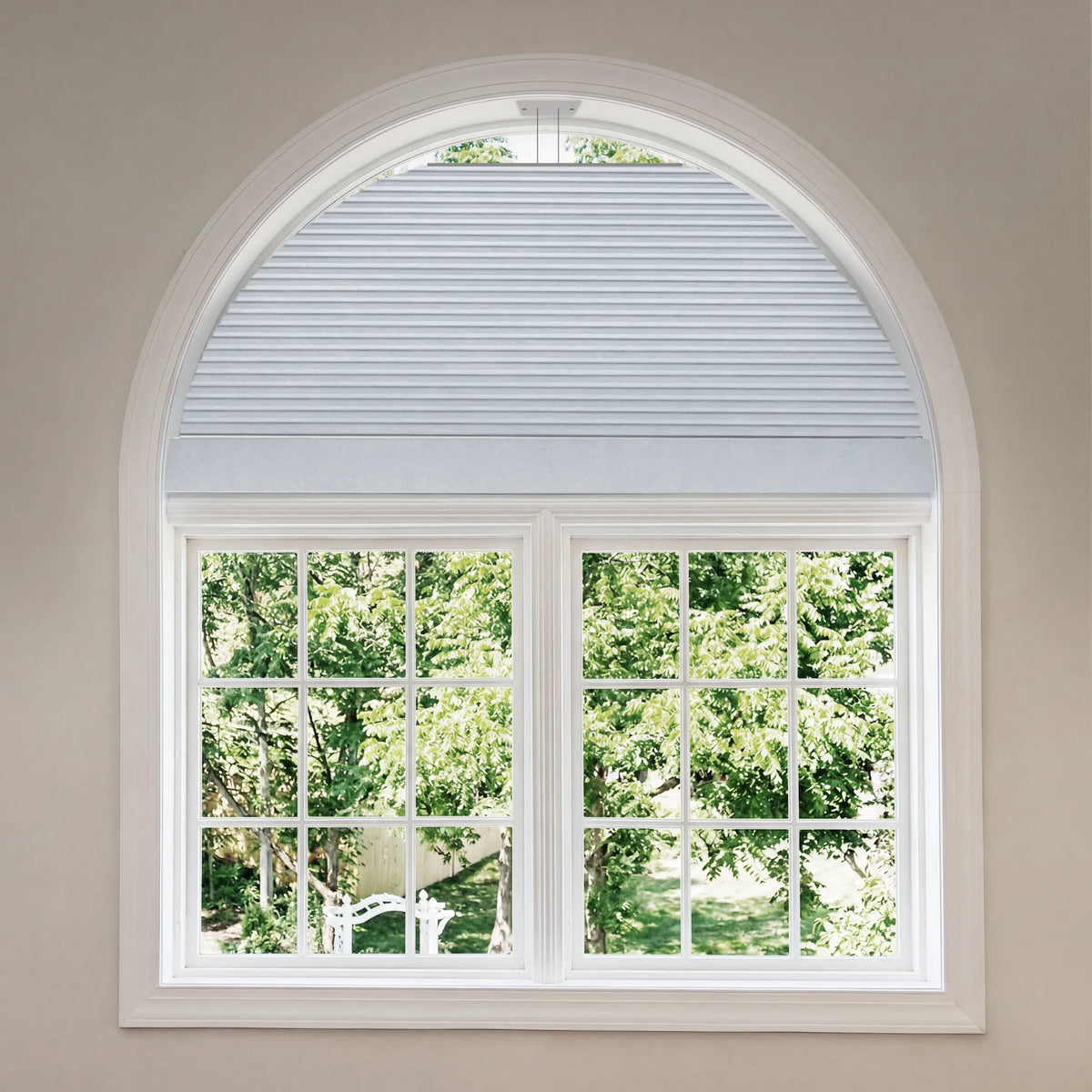
In regions with both hot summers and cold winters, a combination approach works best. Use light solar shades to reject summer heat, and add cellular shades for winter insulation.
Why this works: Solar shades provide 50-60% heat gain reduction; cellular shades add winter insulation up to 50%.
Installation Tips for Better Insulation
Interior vs Outside Installation
Exterior installation is significantly more effective for reducing solar heat gain. An exterior shade can achieve an SHGC as low as 0.10, compared to 0.16 for interior shades, representing a 74% reduction in solar heat compared to 58% for interior installation.
For interior shades, light colors generally perform better for heat rejection. For exterior applications, darker colors can be more effective.
Mounting Techniques
- Inside mount (within window frame) creates a tighter seal, reducing air leakage
- Side channels help eliminate light gaps, improving insulation
- Motorization allows you to adjust shades seasonally or throughout the day

Graywind Motorized Solar Roller Shades
After considering your specific needs, Graywind Motorized Solar Roller Shades offer a versatile solution for any room. Designed to filter sunlight, reduce glare, and block up to 99% of harmful UV rays, they preserve your connection to the outdoors while enhancing energy efficiency.
Key benefits include:
- Multiple openness levels (1%, 3%, 5%, 10%) to customize light, privacy, and heat control
- Smart automation compatible with Alexa, Google Home, and other smart systems
- Durable materials that are fade-resistant and fire-retardant
- Custom fit for any window with sleek, minimalist design
Available in both light and dark colors with a range of openness factors, Graywind shades deliver year-round comfort—reducing solar heat gain in summer and insulating in winter.

When choosing between dark and light solar shades, remember that color is secondary to openness factor and installation method for thermal performance. Light shades reflect heat better for interior installations, while dark shades provide superior clarity. For exterior applications, darker colors actually excel at blocking solar heat.
Explore Graywind's motorized solar shades to find the perfect balance of style, comfort, and energy efficiency for your home.